
MARQ — Archaeological Museum of Alicante
MuseumThe MARQ — the Archaeological Museum of Alicante — is one of Spain’s most admired museums, named European Museum of the Year in 2004 for the way it brings the region’s deep past to life.
Why visit the MARQ
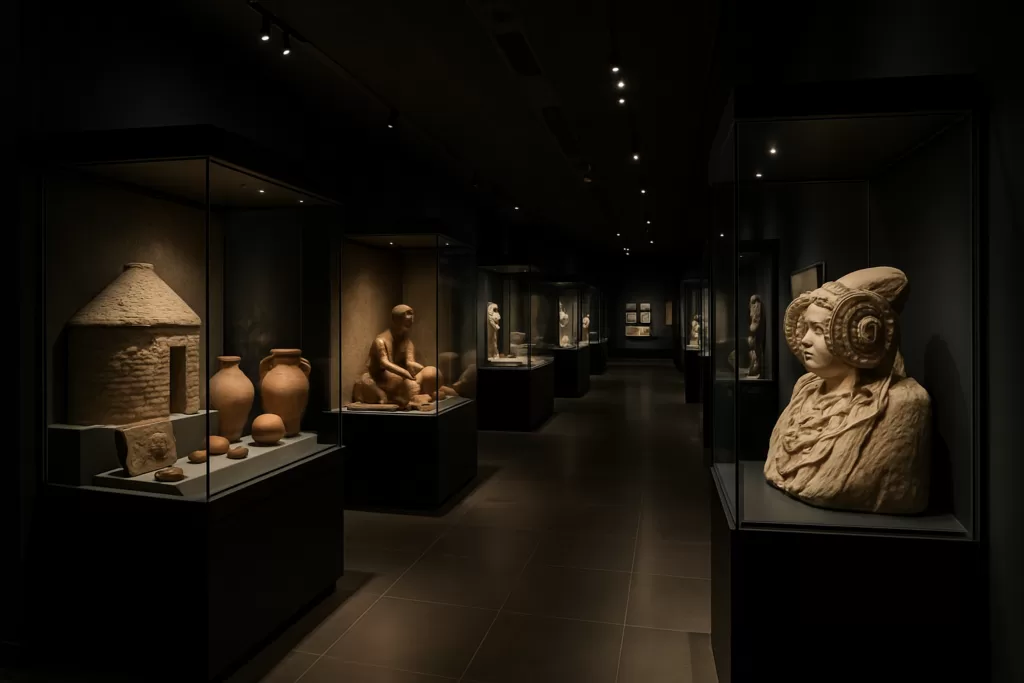
Rather than rows of cases, the MARQ stages archaeology with light, sound and reconstruction, walking visitors from prehistory through the Iberians, Romans and the medieval era. Its temporary exhibitions are ambitious, and it anchors a network of real archaeological sites around the city.
Prehistory gallery
The earliest peoples of the region, with tools, cave finds and immersive reconstructions.
Iberian & Roman galleries
Iberian sculpture and Roman Lucentum finds, staged with reconstructed settings and AV.
Medieval gallery
The Islamic and Christian Middle Ages of the Alicante region, from castles to daily life.
Interactive displays
Light, sound and projection bring excavations and ancient sites vividly to life.
Temporary exhibitions
Major travelling shows — often on great ancient civilisations — fill the changing galleries.
Lucentum site
The museum connects to the Roman and Iberian site of Tossal de Manises (Lucentum) nearby.
Practical information
- Getting there: about 15 minutes from Alicante airport (ALC); on the city tram network.
- Best time to visit: any season — an ideal rainy-day or hot-afternoon indoor visit; closed some Mondays.
- Getting around: the galleries are fully accessible and arranged in a clear chronological route.
- Don’t miss: the staged Iberian and Roman rooms and whatever temporary show is on.
Find MARQ — Archaeological Museum of Alicante on the map
Place type
Area · next level
 l’Alacantí
MARQ — Archaeological Museum of Alicante
Alicante’s award-winning archaeology museum, tracing the region’s history from prehistory through Iberian, Roman and medieval times with modern, interactive displays.
Nearby
Places worth knowing
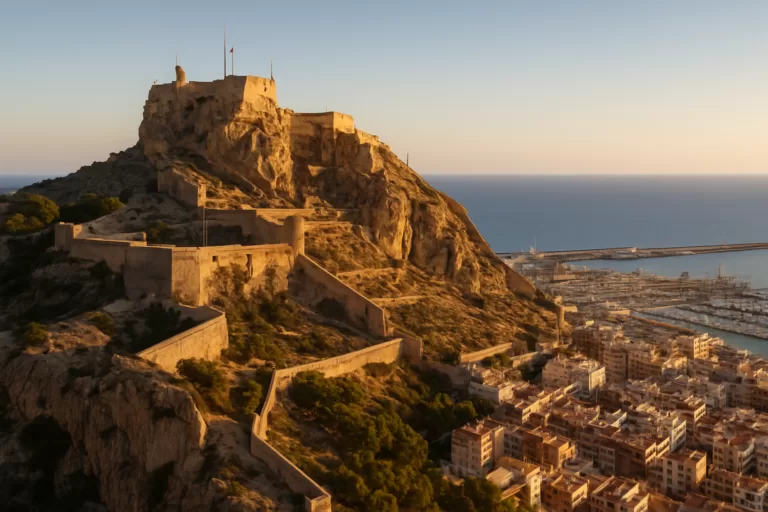 l’AlacantíSanta Bárbara Castle (Alicante)The great fortress on Mount Benacantil above Alicante, with one of the finest panoramas on the coast over the city, the port and the…Read more →
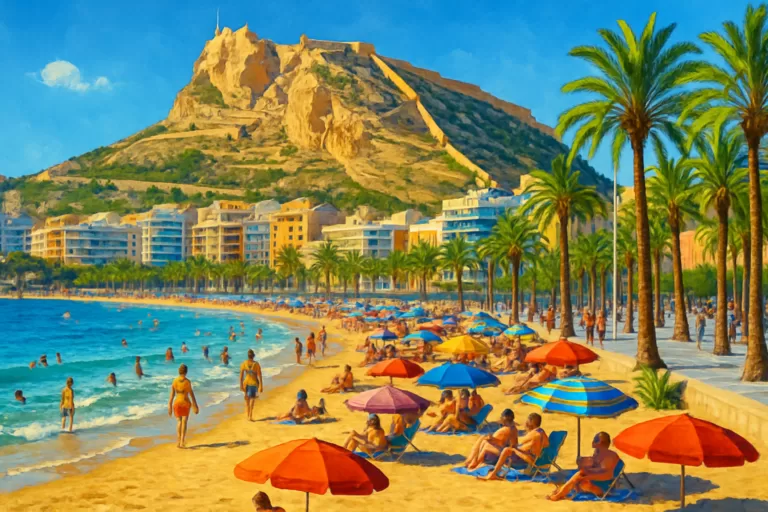 l’AlacantíPlaya del Postiguet (Alicante)Playa del Postiguet is Alicante’s main beach, located below Santa Barbara Castle and near the city centre.Read more →
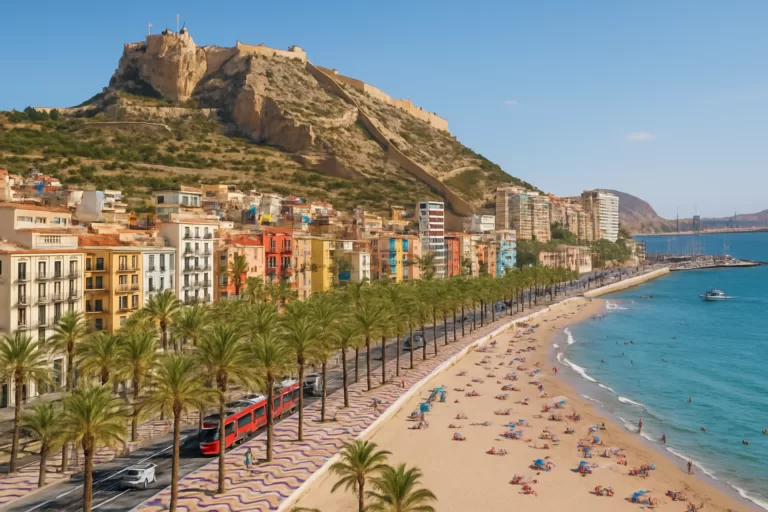 Costa BlancaAlicanteAlicante is the Costa Blanca capital, a sunny Mediterranean port beneath Santa Bárbara Castle with beaches, a palm-lined promenade and…Read more →
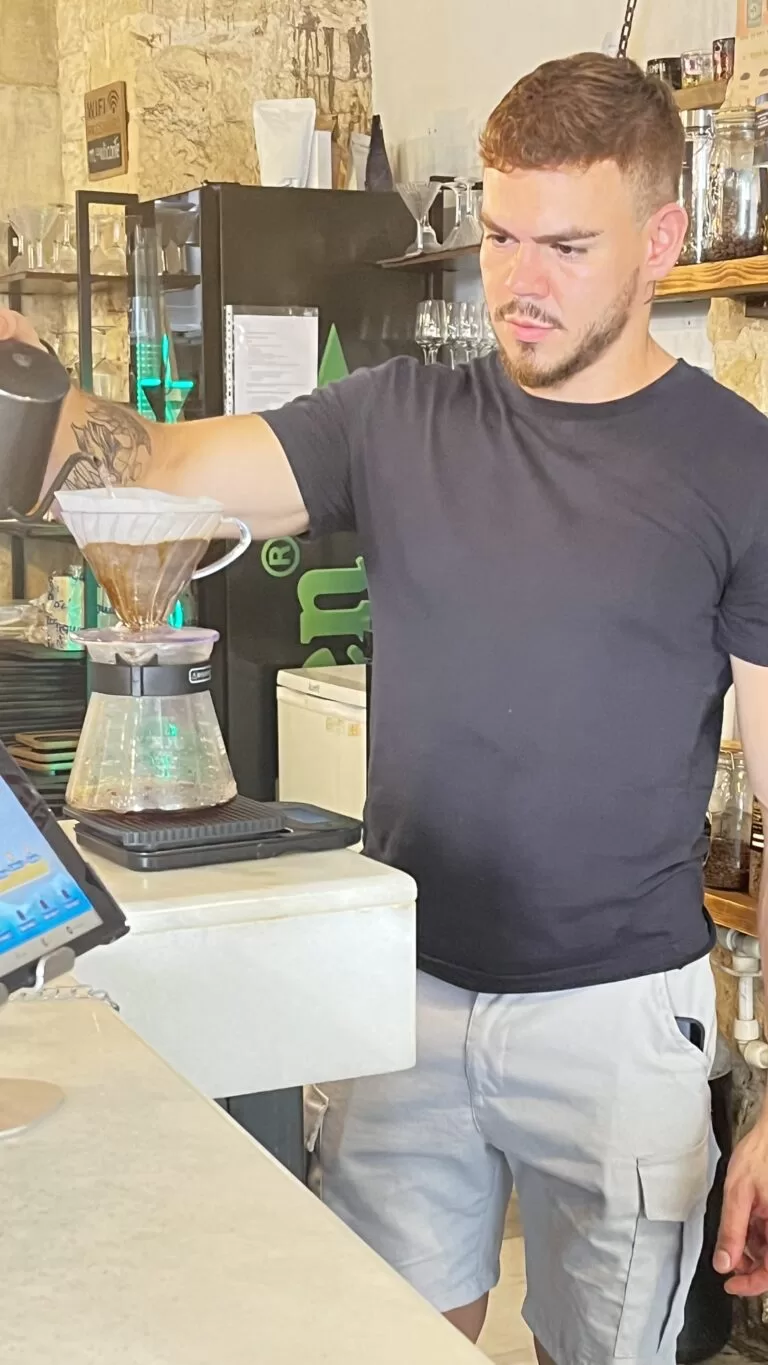 l’AlacantíMadness Coffee (Alicante)Madness Coffee is Alicante’s original specialty coffee roastery, tucked in the old town, roasting its own beans since opening in a…Read more →
This place is part of our Costa Blanca Guide: Benidorm, Calpe, Altea and the Best of Alicante — see every town, beach and cove we have mapped on that coast.
How this page is maintained. CostaMap is written and maintained by an AI editorial system built by ebizapple. Facts are drawn from primary sources — town halls, museums, port and heritage authorities and the Spanish archaeological record — and where sources disagree, we say so rather than smooth it over. Photographs marked as ours are taken on location. This page was last reviewed on 10 August 2026. Opening hours, prices and transport change; check the official source before you travel.