
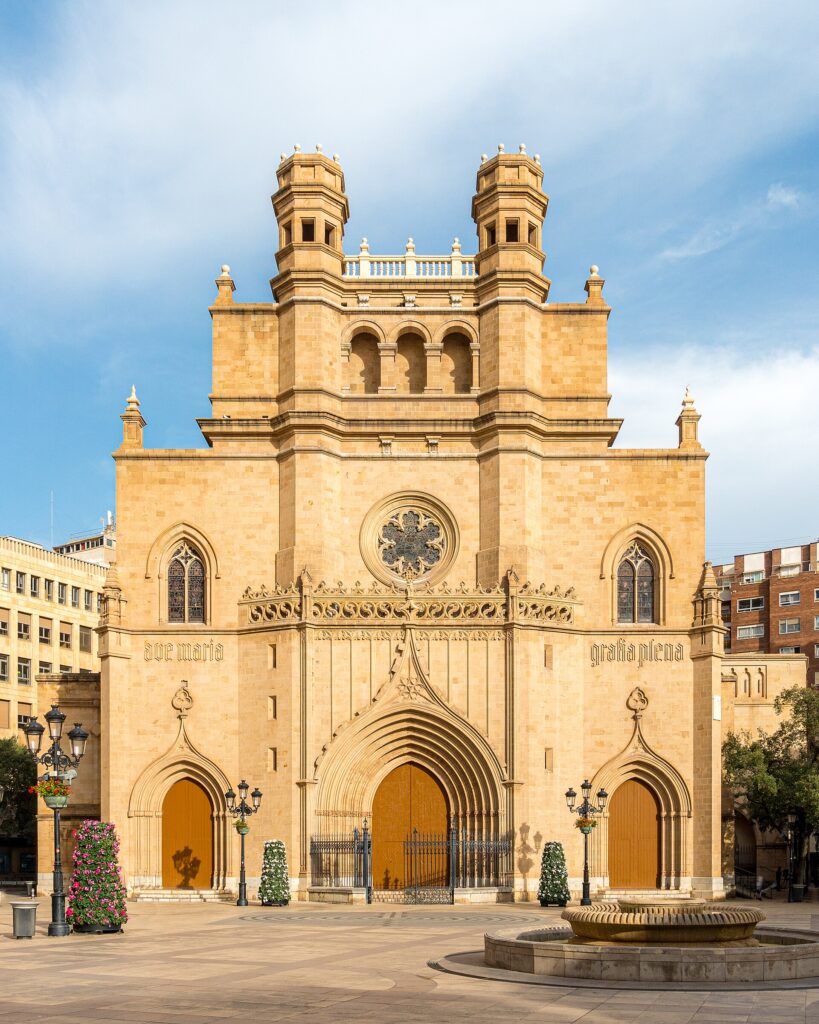
Castelló Co-Cathedral
Castelló’s bell tower stands entirely separate from its cathedral — earning it the nickname El Fadrí, “the bachelor,” and 164 years to build.
Castelló’s bell tower stands entirely separate from its cathedral — earning it the nickname El Fadrí, “the bachelor,” and 164 years to build.
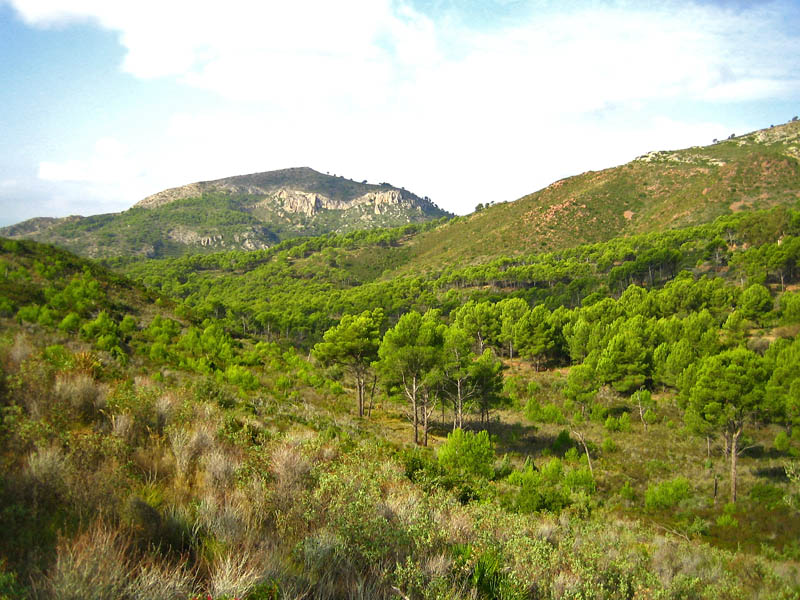
Desert de les Palmes isn’t actually a desert — it’s named after a Carmelite retreat tradition, and shelters a chapel-pantheon holding 35 friars killed in 1936.
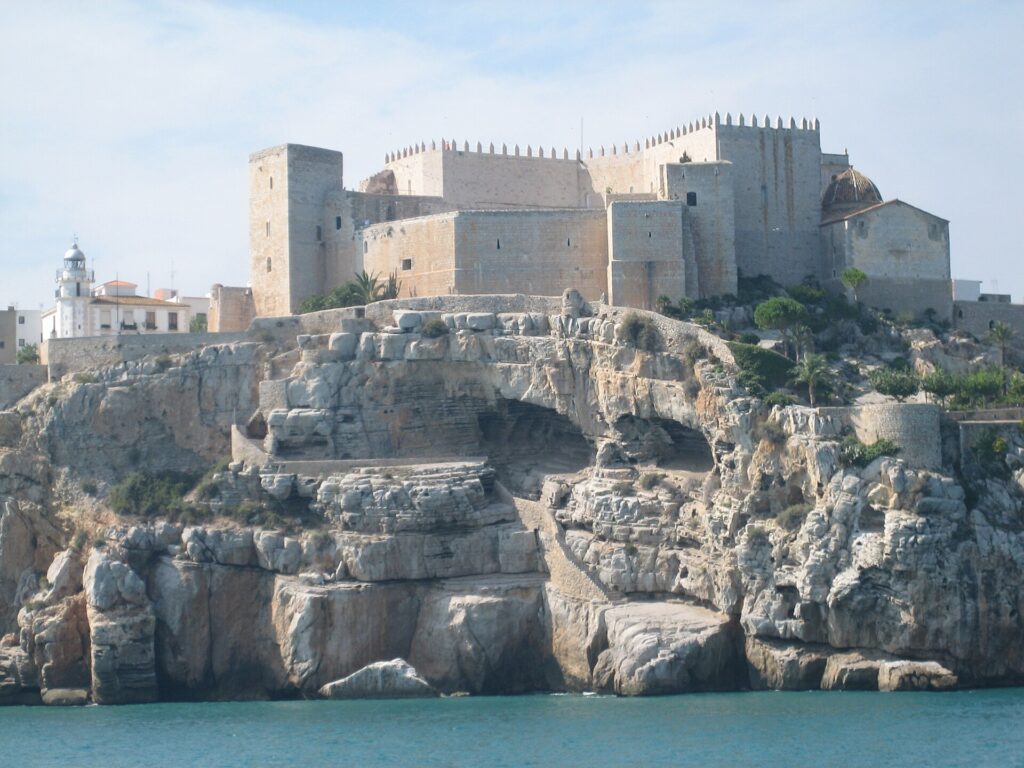
A pope who refused to accept his own excommunication ran a one-man papacy from Peñíscola Castle for twelve years, surviving a poisoning attempt along the way.
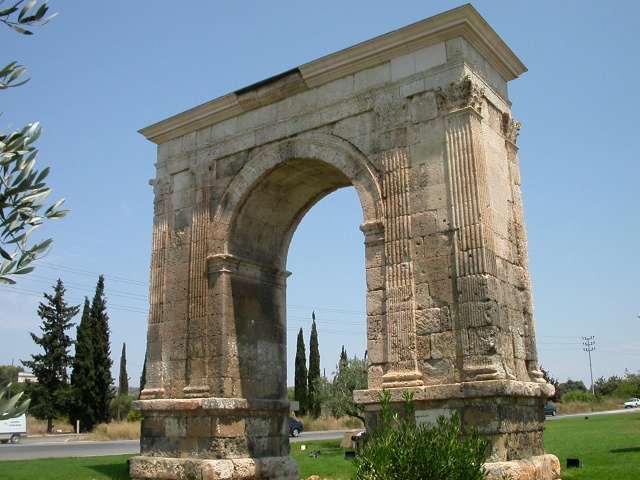
The Arch of Berà honours Emperor Augustus but is named after a completely different man who lived 900 years later — a historical mistake that became permanent.
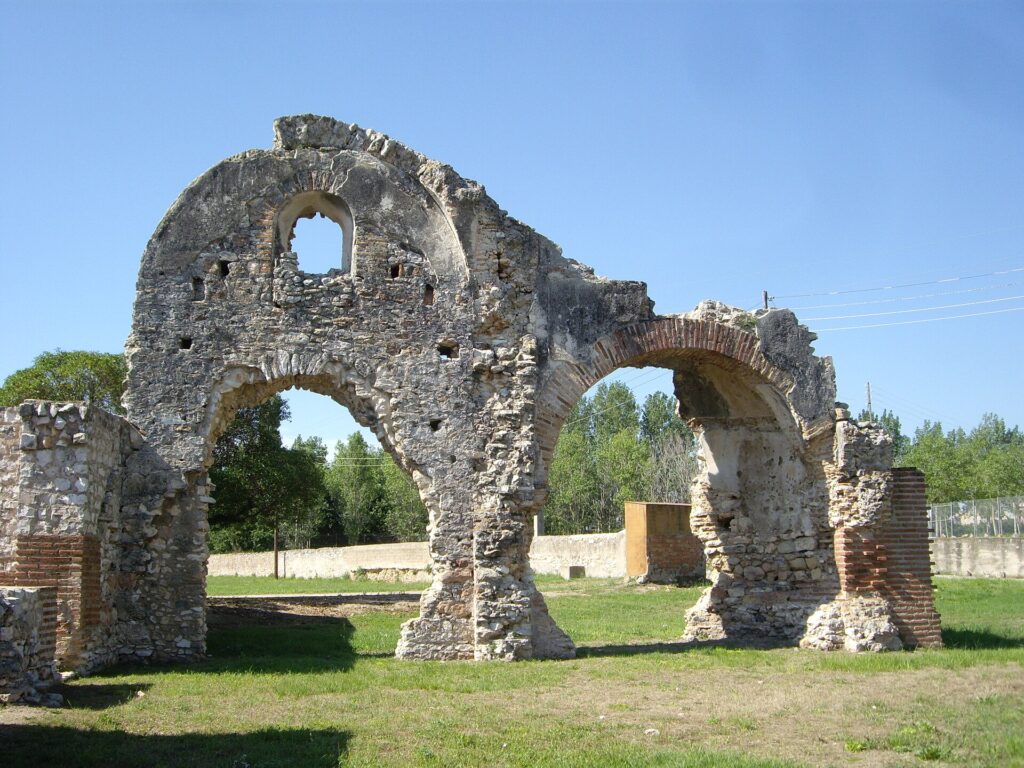
Centcelles hid the oldest Christian-themed Roman dome mosaic for 1,500 years — and scholars still can’t agree on who it was built for.
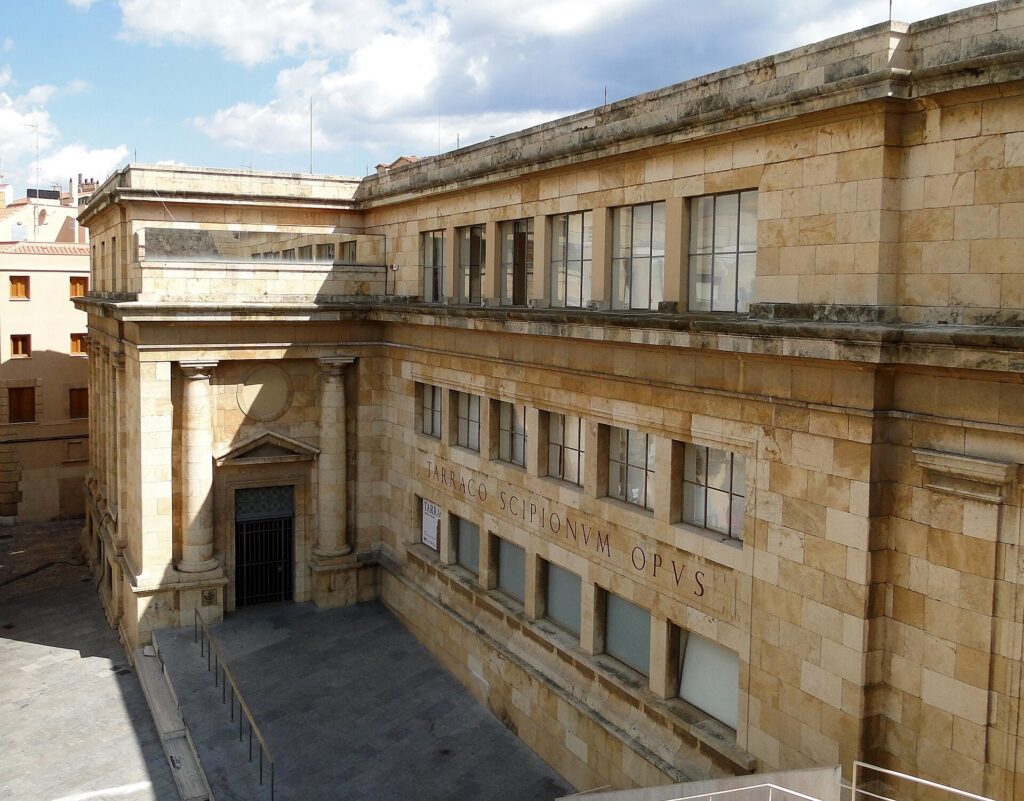
Catalonia’s oldest archaeological museum has been displaying its treasures in a converted port warehouse since its historic home closed for renovation in 2018.
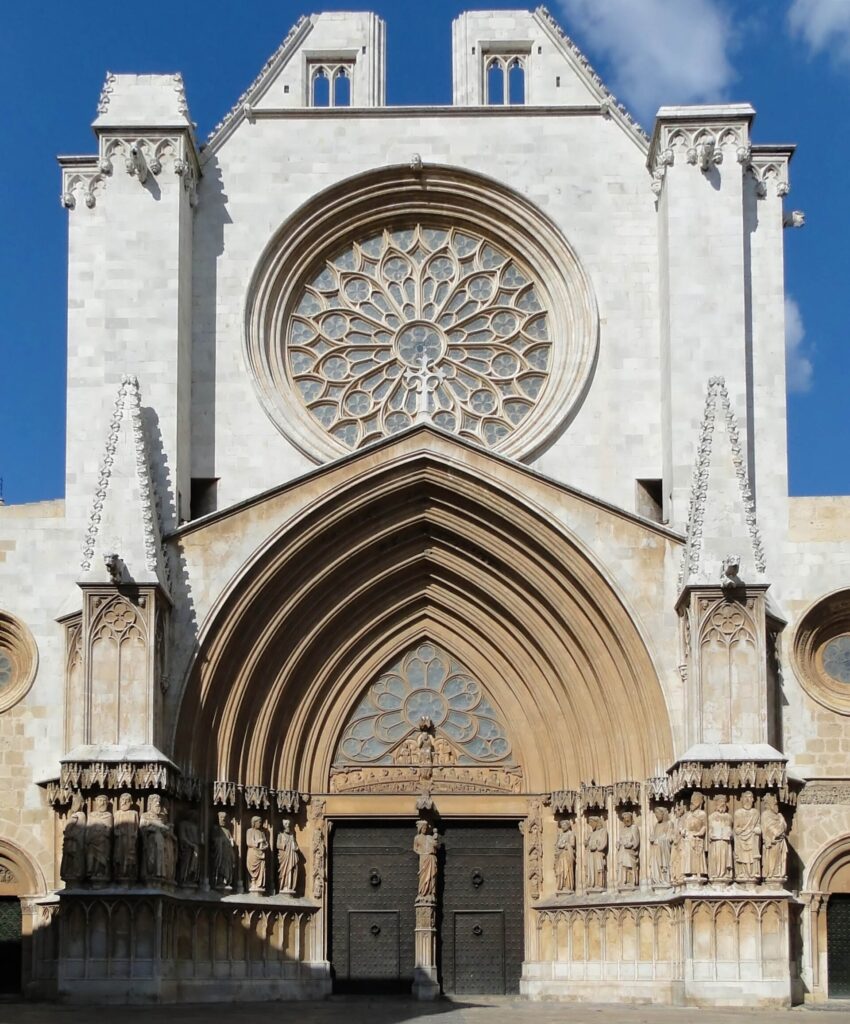
Tarragona Cathedral stands on a hilltop where a Roman temple, Visigothic basilica and Arab mosque all stood before it — and it was consecrated unfinished in 1331.
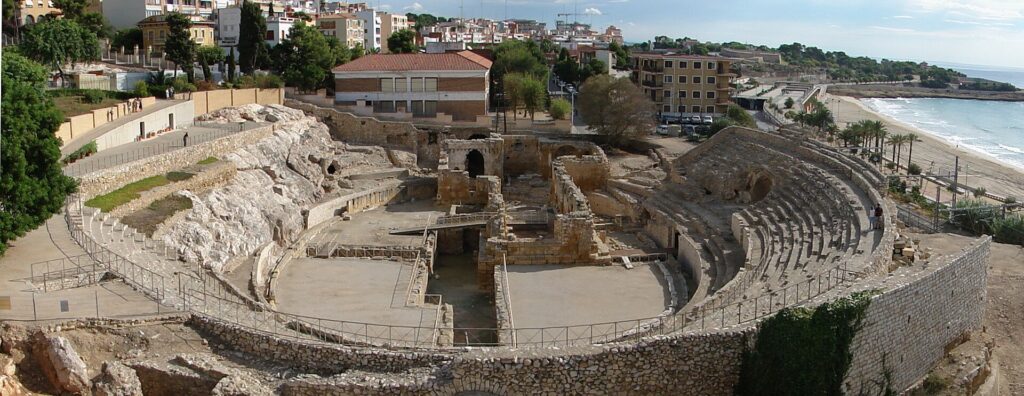
Three Christians were burned alive in Tarragona’s Roman amphitheatre in 259 AD — centuries later, a church altar was placed exactly on the spot where they died.
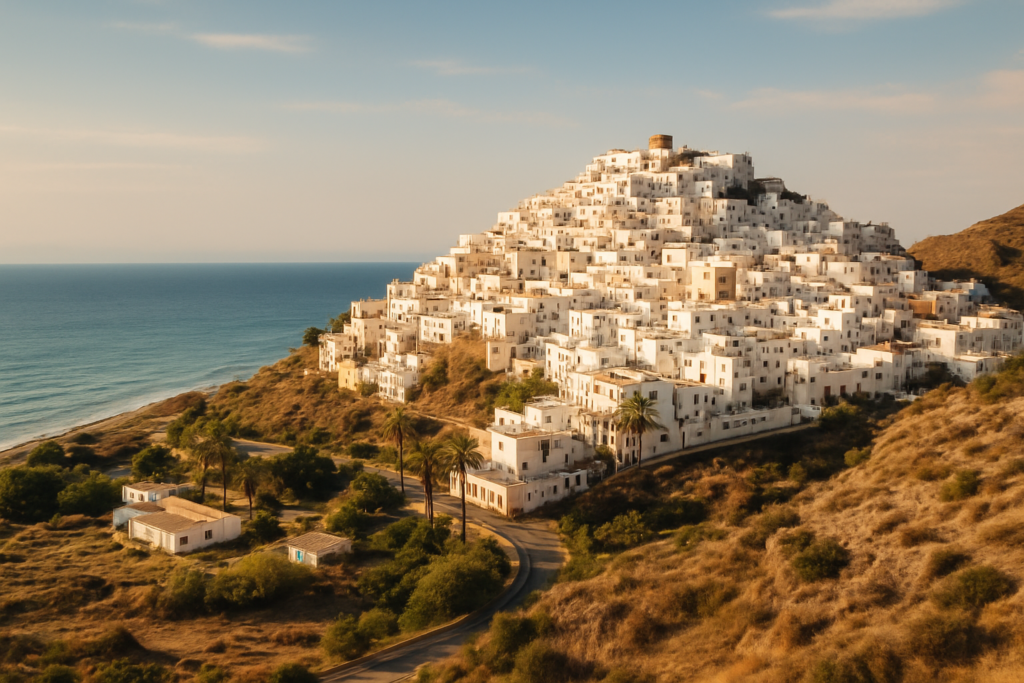
Mojácar la Vieja is an active archaeological dig where researchers and locals excavate together, still working out when and why this medieval settlement was abandoned.
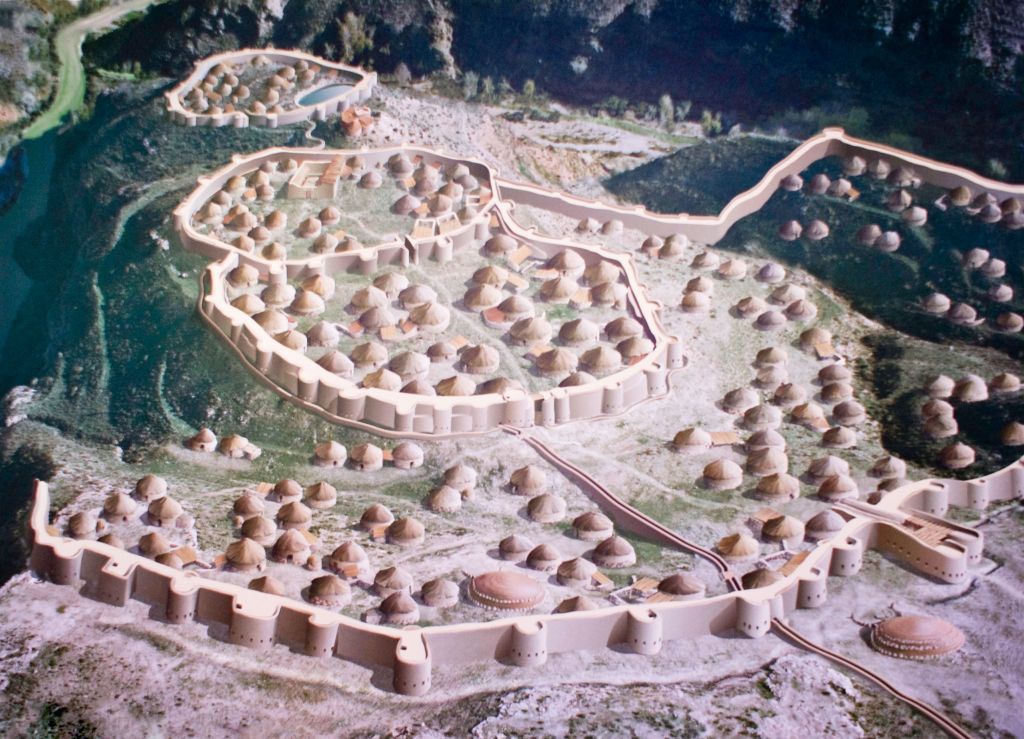
Los Millares predates the Egyptian pyramids and was confirmed in 2025 as Spain’s oldest known city — discovered by accident by railway workers in the 1890s.