
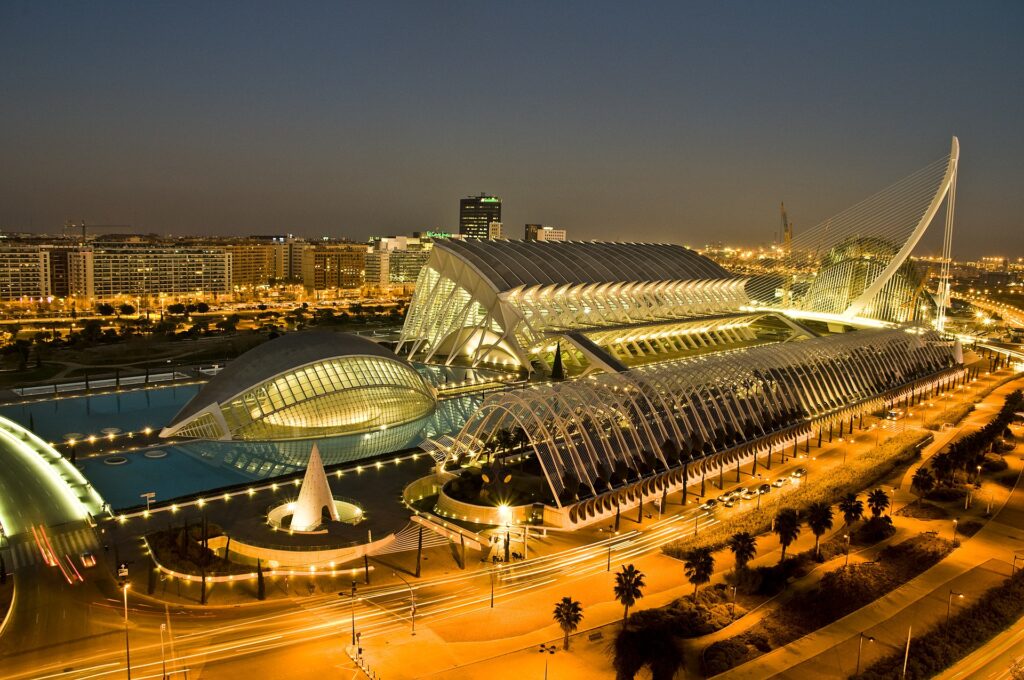
City of Arts and Sciences
Valencia’s City of Arts and Sciences exists because a 1957 flood forced the city to divert its river, leaving a dry riverbed that later became a futuristic architecture complex.
Valencia’s City of Arts and Sciences exists because a 1957 flood forced the city to divert its river, leaving a dry riverbed that later became a futuristic architecture complex.
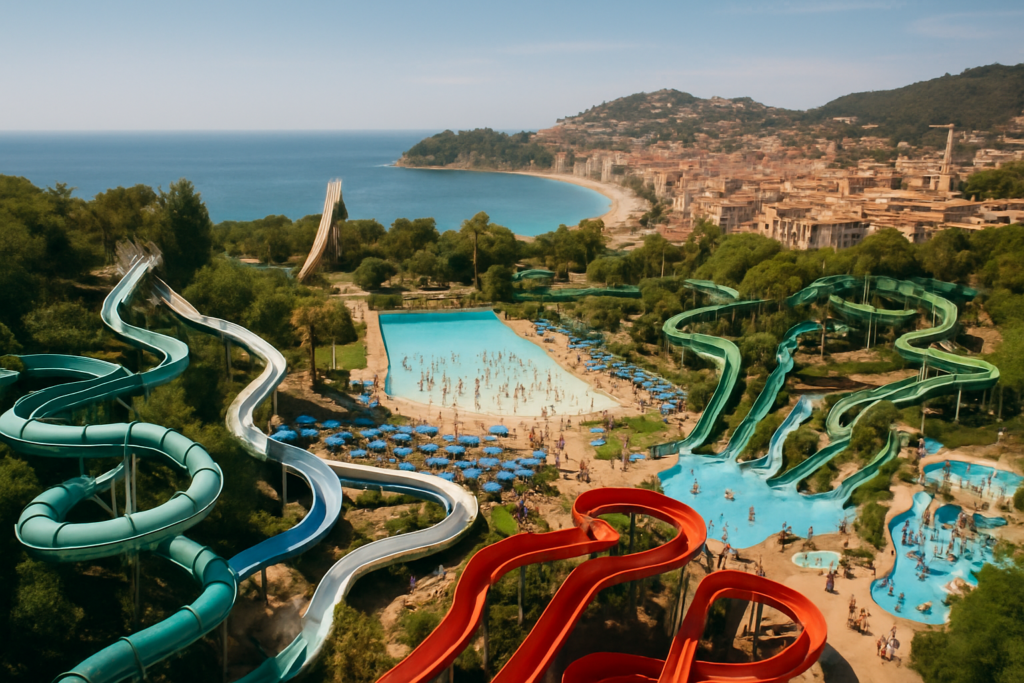
Water World opened in 1985 as one of Spain’s first water parks — and 40 years later still holds European records for its rides.
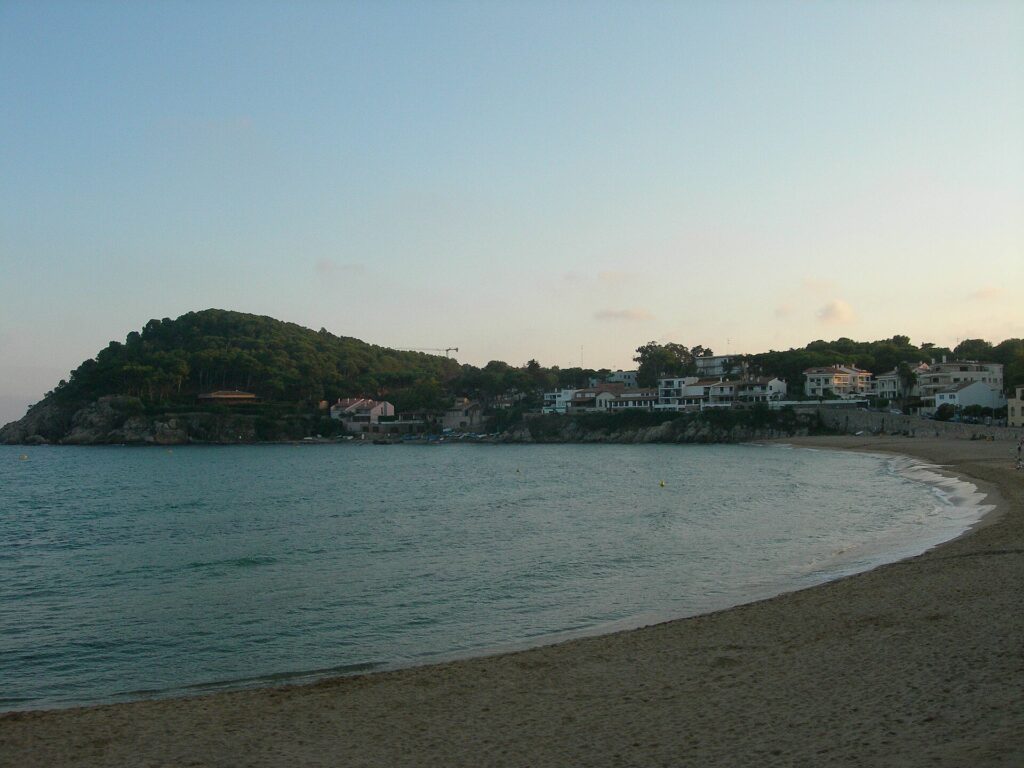
A 1272 deed recorded the right to tax fish landed on La Fosca beach — a working fishing ground for at least 750 years, watched over by a king’s coastal fortress.
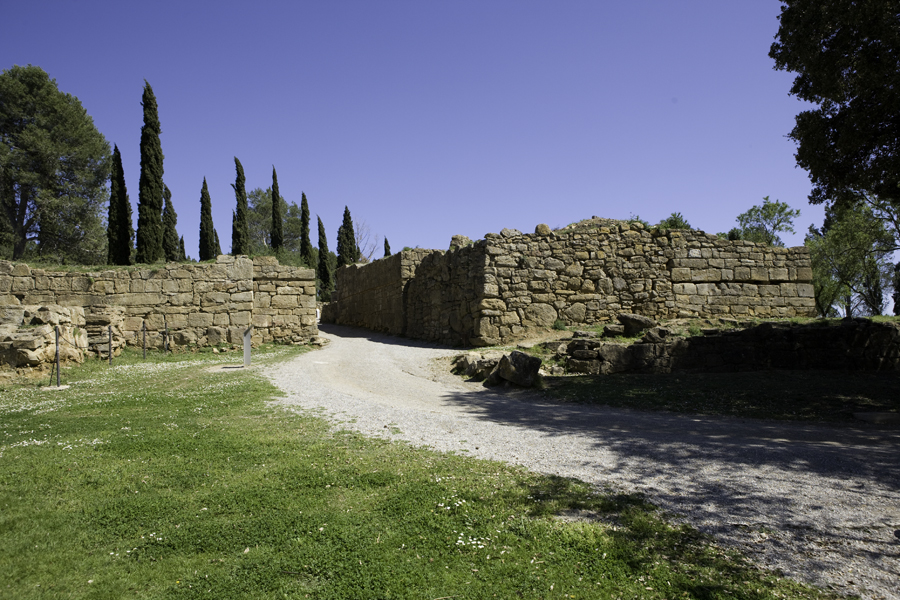
Ullastret was the largest Iberian city in Catalonia — and in 2012, excavators found human skulls nailed up as war trophies in its own streets.
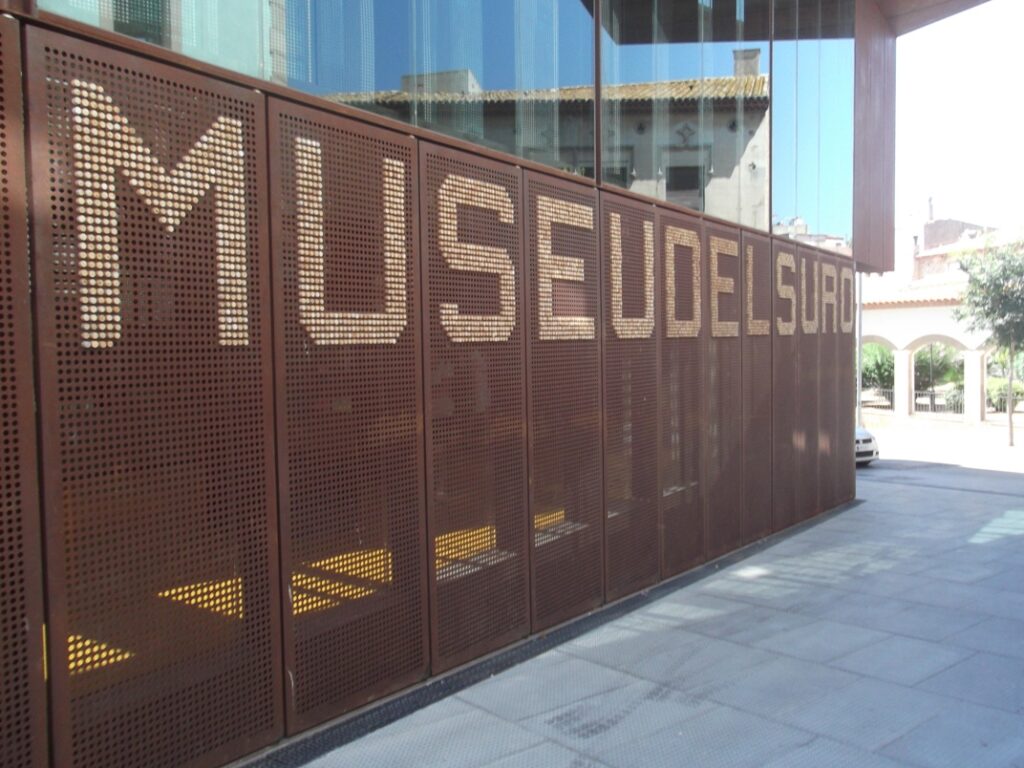
Palafrugell’s Cork Museum occupies Spain’s largest former cork factory — an Art Nouveau building for a material that once employed most of the town.
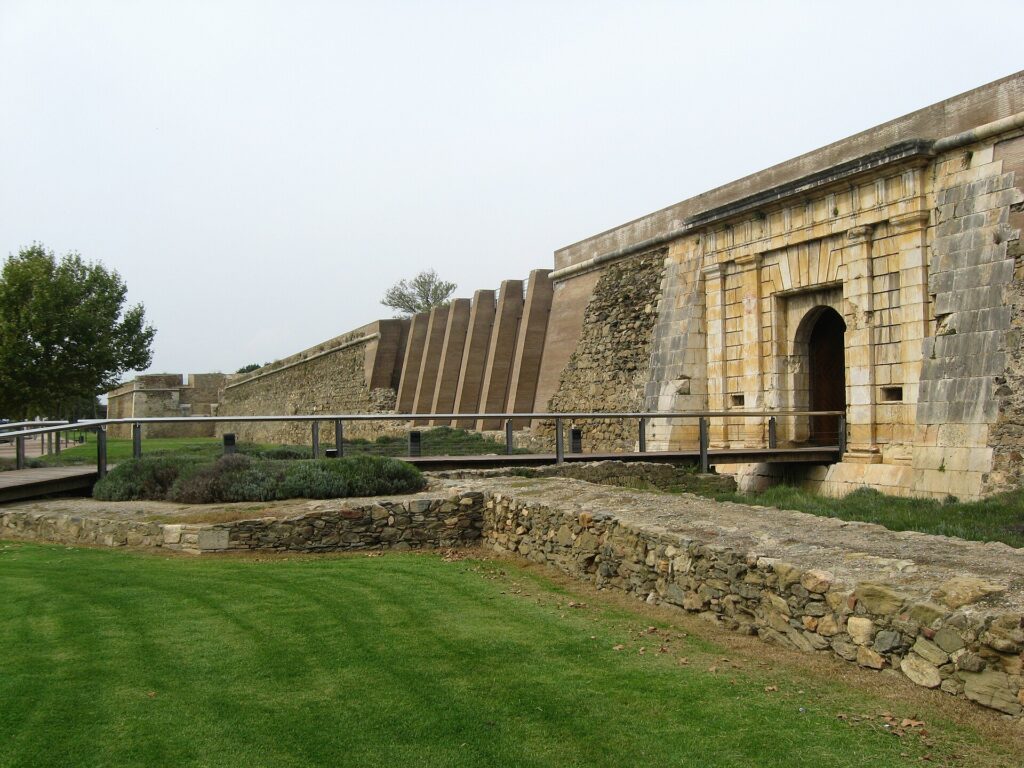
The Ciutadella de Roses encloses 2,300 years of layered history — Greek, Roman, Visigothic and medieval — inside a 16th-century artillery fortress.
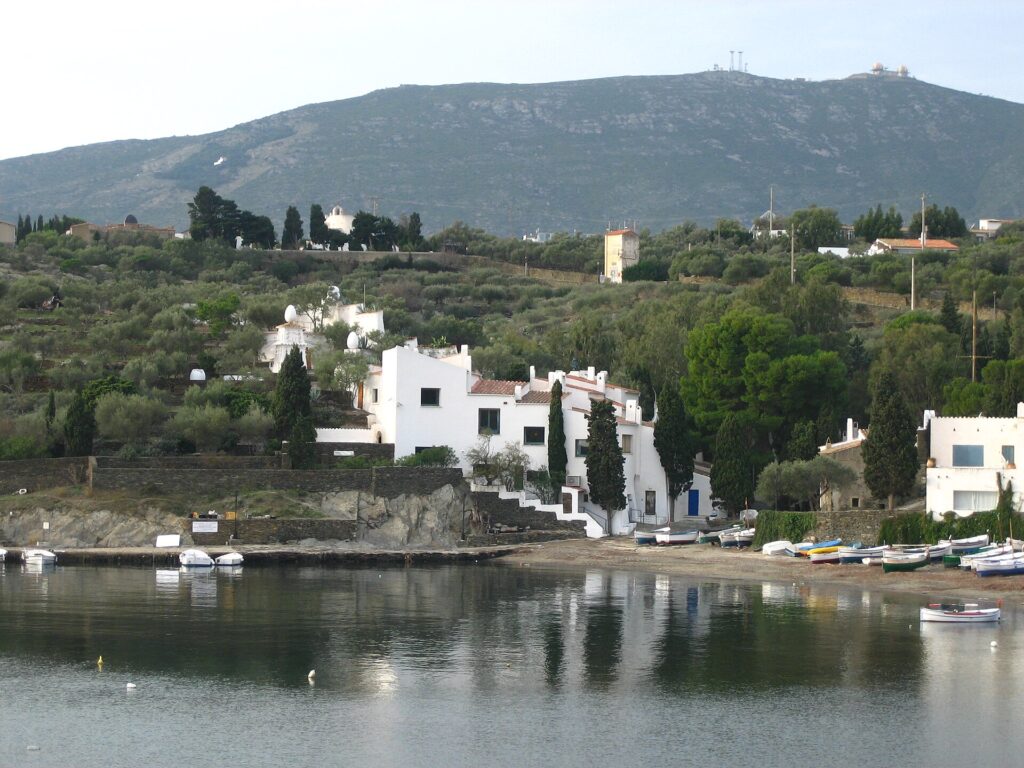
Dalí’s house in Portlligat grew from a single fisherman’s hut into a labyrinth of nine buildings over 40 years — and contains no paintings at all.
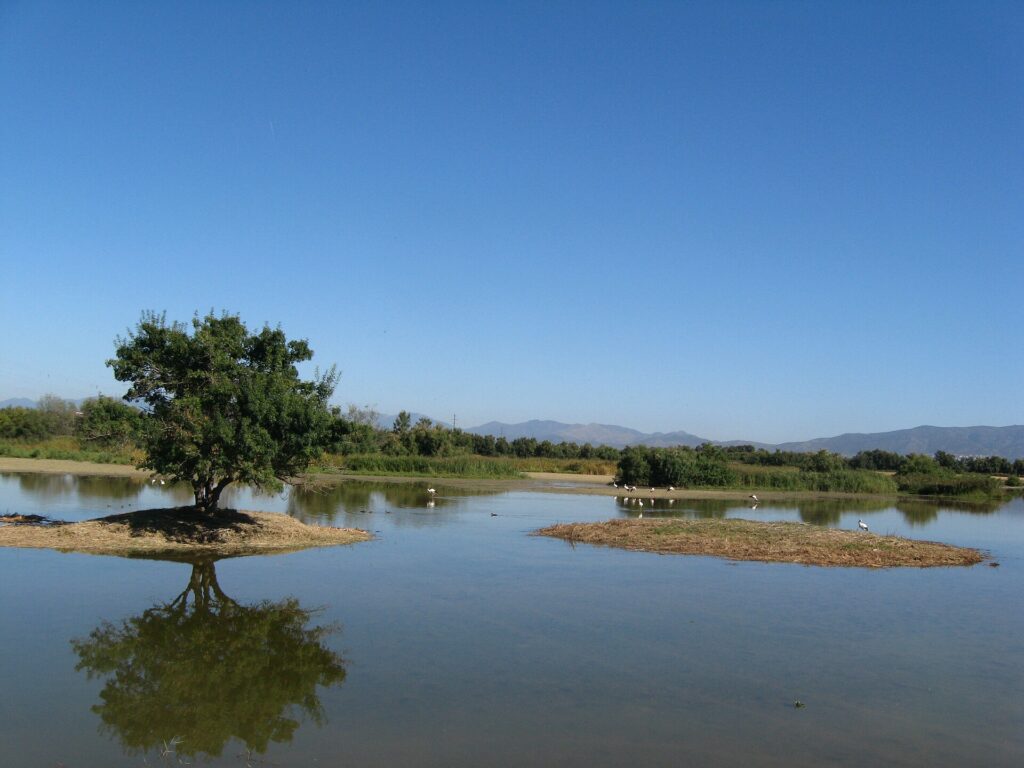
Aiguamolls de l’Empordà was drained as malarial swampland, then deliberately rebuilt — even its rice fields were replanted on purpose for the birds.
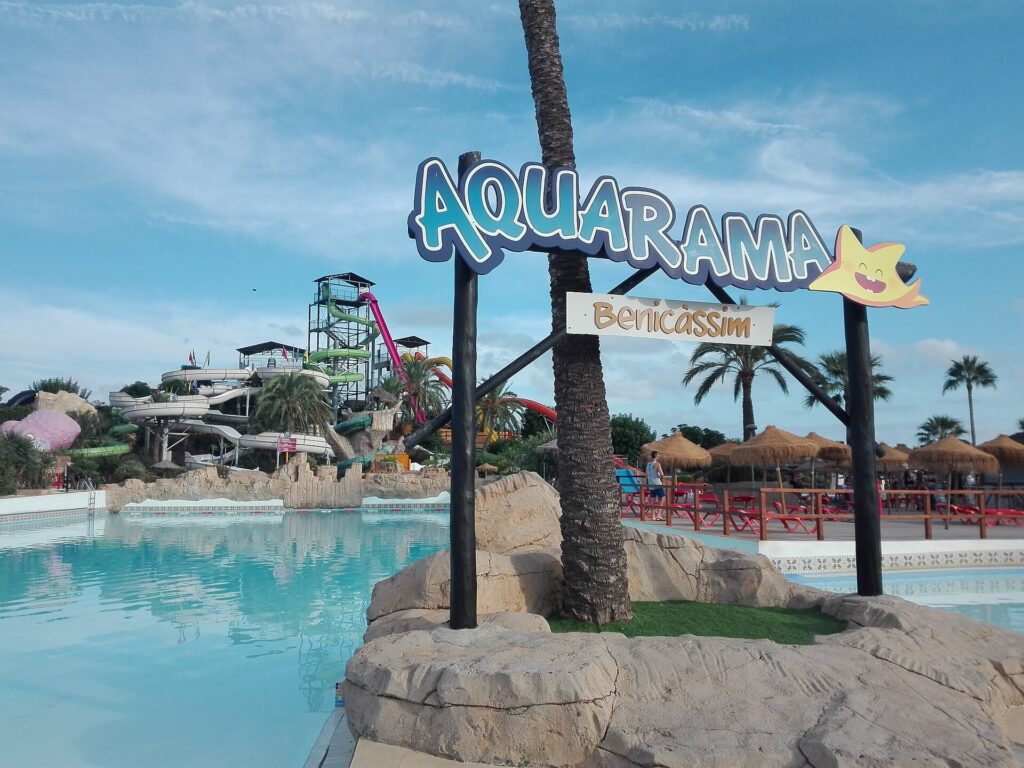
Aquarama sits directly on the Mediterranean, home to The Devil’s Drop — one of the world’s eleventh-highest waterslides — since 1986.
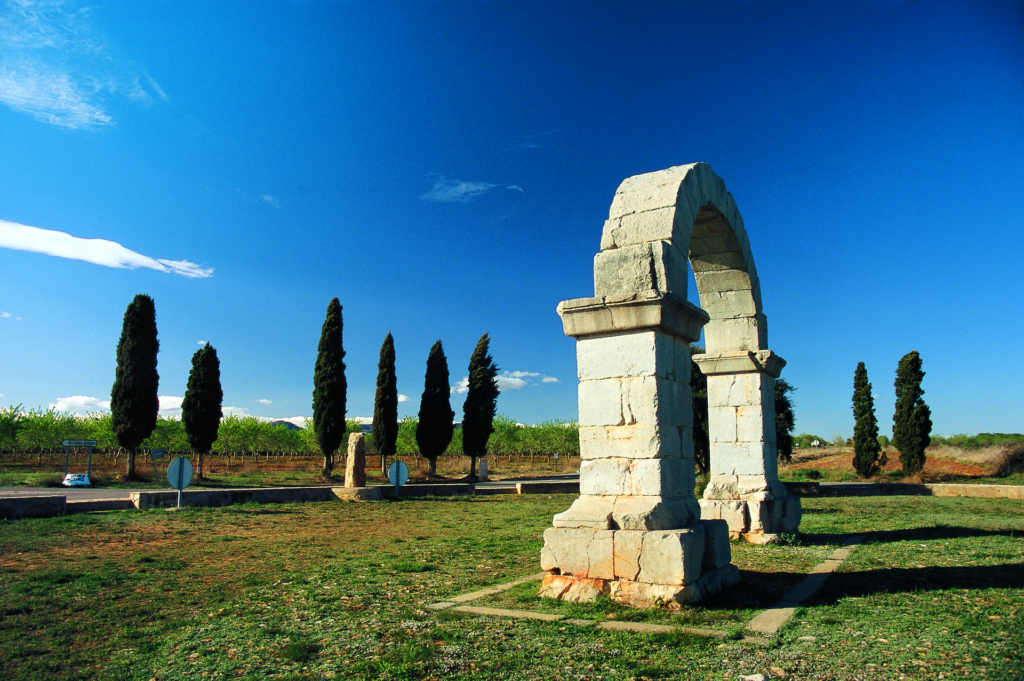
Local legend says the Arch of Cabanes was built overnight by moonlight — archaeologists still aren’t entirely certain why this 2nd-century Roman arch was really built.