
Villajoyosa is charmingly photogenic but simpler than the postcards suggest. Expect bright façades, working-port life and chocolate tourism rather than glitzy beachfront resorts; this guide focuses on what visitors actually encounter so you won’t arrive with inflated expectations.
Villajoyosa at a glance
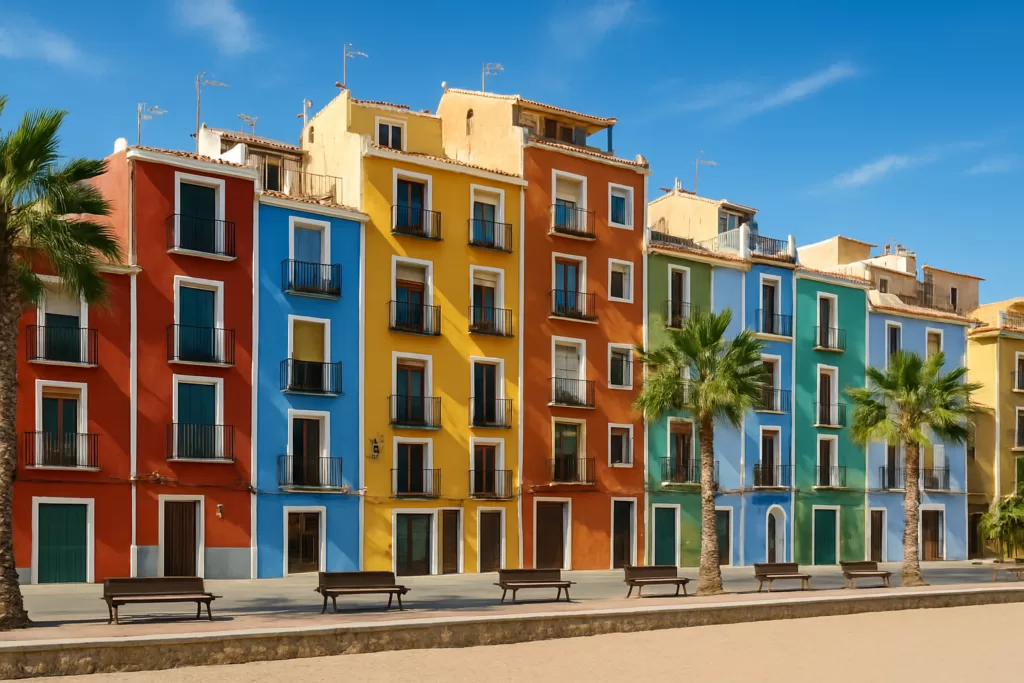
- Known as La Vila: famous for rows of brightly painted fishermen’s houses along the seafront.
- Strong chocolate industry: Valor operates here and runs the Museo del Chocolate Valor (museum open since 1998).
- Deep Roman roots: La Malladeta preserves a Roman villa and baths; the Torre de Sant Josep is a Roman funerary tower.
- Working fishing port with a daily public fish auction (Lonja de Pescado); boats typically return around 16:30.
- Location: roughly 14 km from Benidorm and about 35 km from Alicante; around 30,000–35,000 inhabitants.
What first-timers often don’t expect
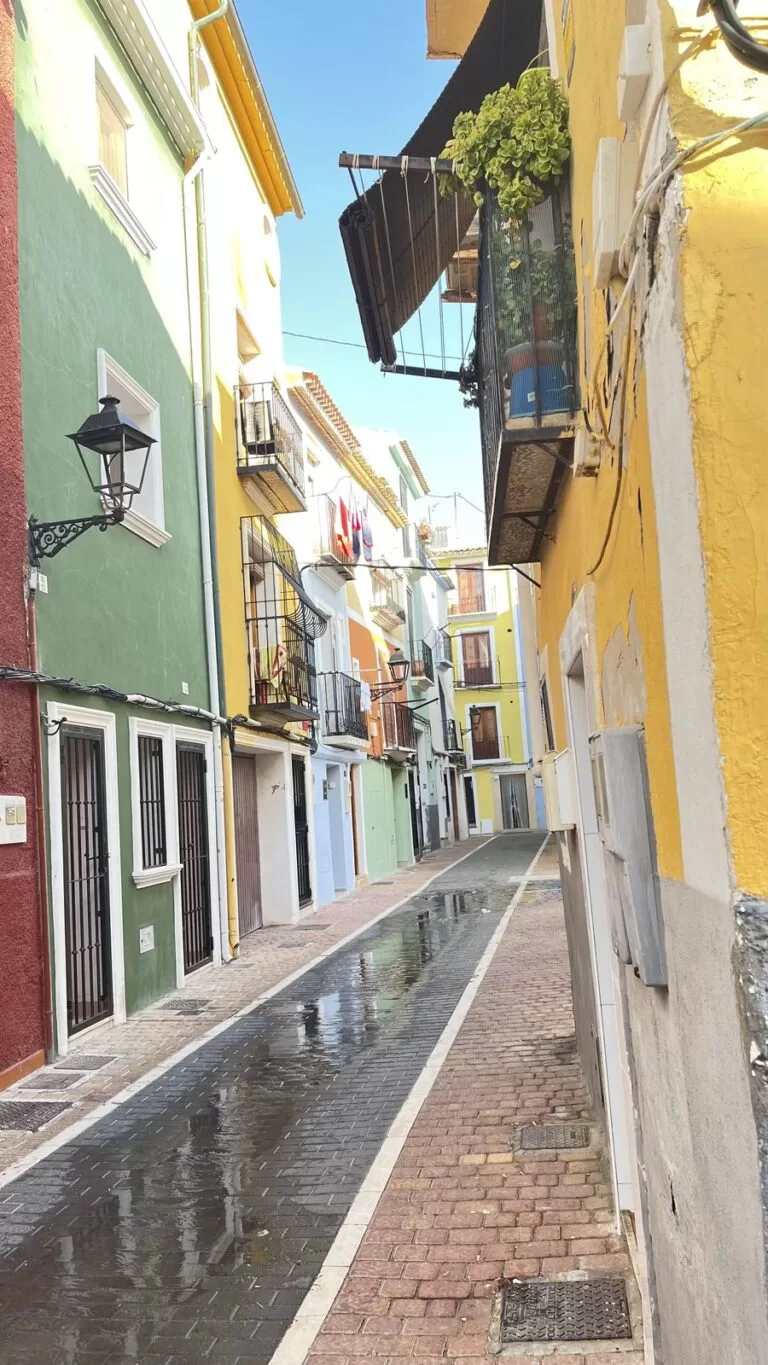
- Those postcard colours aren’t a proven navigation trick — the popular story that fishermen painted houses bright to spot them at sea is folklore; other explanations exist and the dry, fog-free local climate makes that tale doubtful.
- Villajoyosa is more industrial and working-port than purely touristy: you’ll see an active fishing fleet, fish auction activity and some factory buildings alongside the pretty seafront.
- Chocolate is not a modern marketing add-on — Valor has been in the town for over 130 years and the Museo del Chocolate Valor has operated since 1998, so factory visits and tastings are a genuine part of local life.
Walk the painted seafront and old town
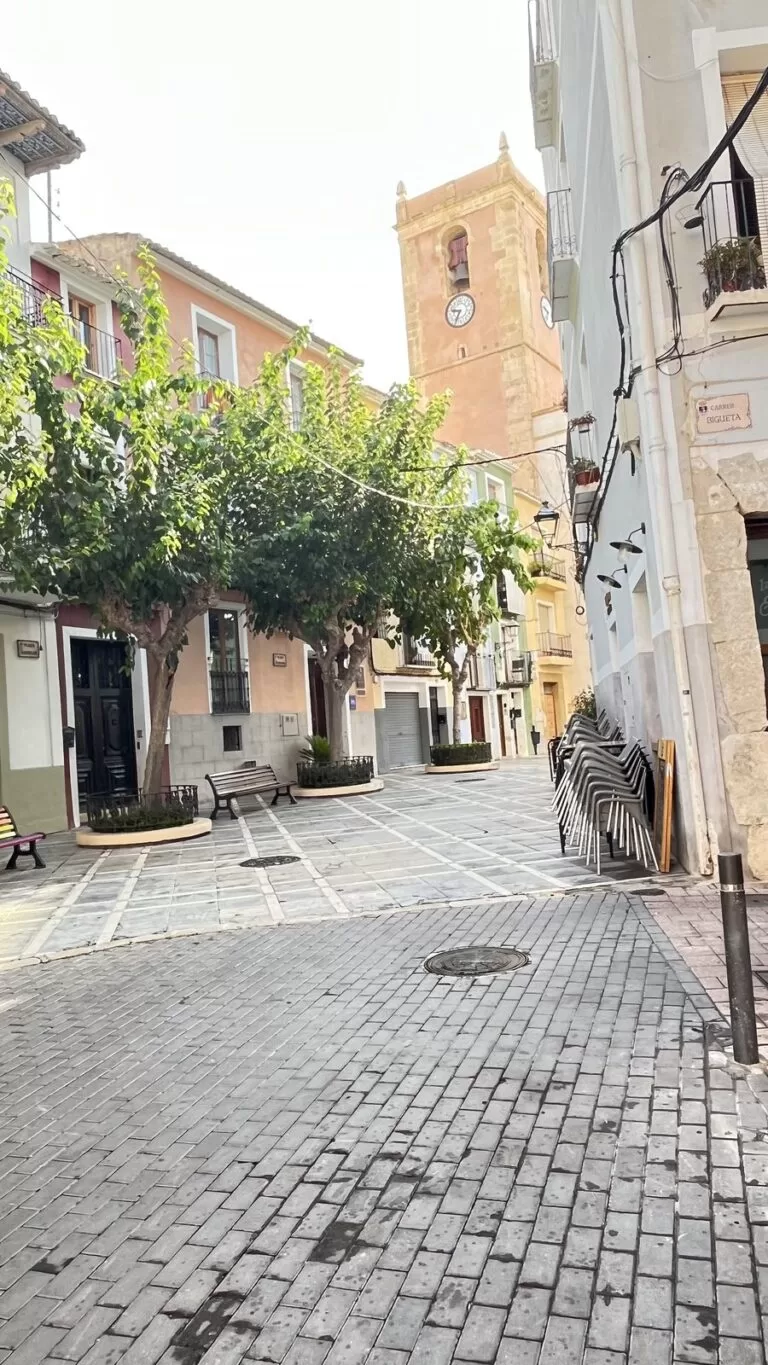
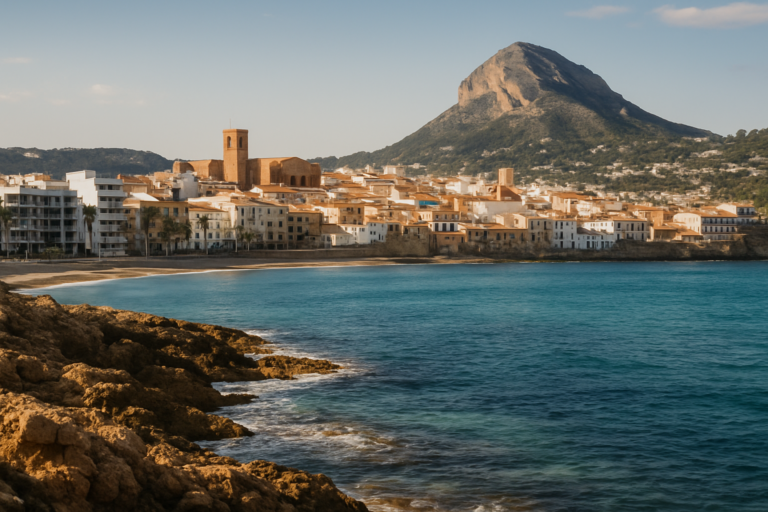
The classic image — rows of colourful fishermen’s houses facing the sea — is very much the town’s signature sight and the main reason most visitors come. The painted façades run along the seafront and thread into the old town, which feels compact and walkable rather than sprawling. Expect photo opportunities, cafés along the promenade and local life blending with tourism.
Chocolate and working-industry tours
Villajoyosa is a centre of Spanish chocolate-making. Valor has operated here for more than a century and runs the Museo del Chocolate Valor (open since 1998). Other local producers such as Clavileño and Chocolates Pérez offer tours and tastings too. These visits are substantial draws and are grounded in the town’s historical role as a port for cocoa arrivals.
Beaches, fishing port and Roman traces
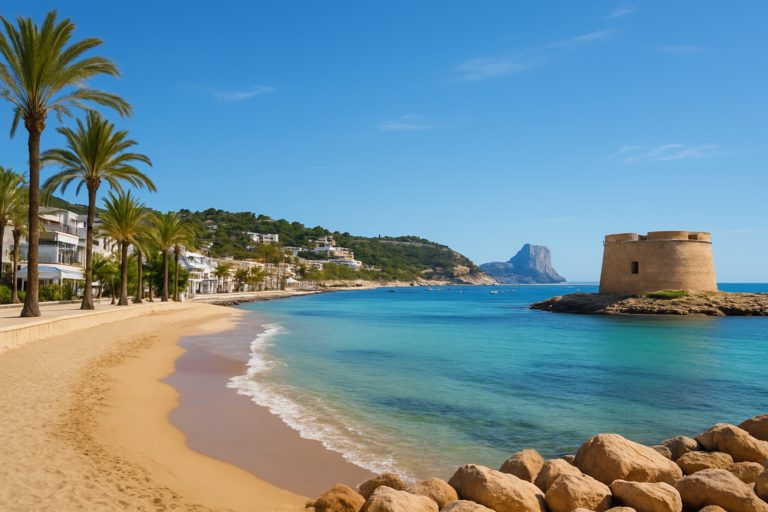
The main beach, Playa Centro, is a golden-sand Blue Flag beach with a palm-lined promenade. The town claims about 15 km of coastline and around nine beaches in total, with sandy stretches and rocky coves to the north — places like Raco del Conill are noted for snorkelling. La Malladeta preserves remains of a Roman villa and thermal baths, and the Torre de Sant Josep marks Roman funerary presence; Villajoyosa’s Vilamuseu collects local archeology and history.
🧭 Local tip
If you want to see real fishing activity, visit the port in the late afternoon: boats typically return to dock around 16:30 and the Lonja de Pescado (fish auction) is part of the working port rhythm.
Visitor reality check
- Don’t expect a resort atmosphere on the scale of nearby Benidorm — Villajoyosa mixes tourism with industry and fishing.
- Colourful houses are authentic and picturesque, but the “so fishermen could spot them from sea” explanation is unproven folklore.
- Chocolate museums and factory visits are genuine and longstanding attractions, not recent gimmicks.
- The town’s Roman remains and local museum are the main cultural assets beyond beaches and seafront photos.
Worth it… for a half-day to a full-day visit: Villajoyosa delivers great seafront photos, authentic fishing-port atmosphere and reputable chocolate tours. It’s less about big resort thrills and more about colour, industry and local heritage.
How we assess this guide
Claims in this guide are cross-checked against multiple published sources: municipal history and archaeology records, manufacturer histories (Valor), and tourism information about beaches and festivals. We omit any details we cannot verify and avoid repeating popular myths presented as facts.
Villajoyosa visitor essentials
| Feature | Detail |
|---|---|
| Known as | La Vila (local Valencian name) |
| Painted houses | Along the seafront; navigation-tale is folklore, not proven |
| Chocolate | Valor factory, over 130 years in town; museum open since 1998 |
| Roman sites | La Malladeta villa and baths; Torre de Sant Josép funerary tower |
| Fish auction | Daily, Lonja de Pescado; boats typically back around 16:30 |
| Distance | ~14 km from Benidorm, ~35 km from Alicante |
A short history of the painted houses
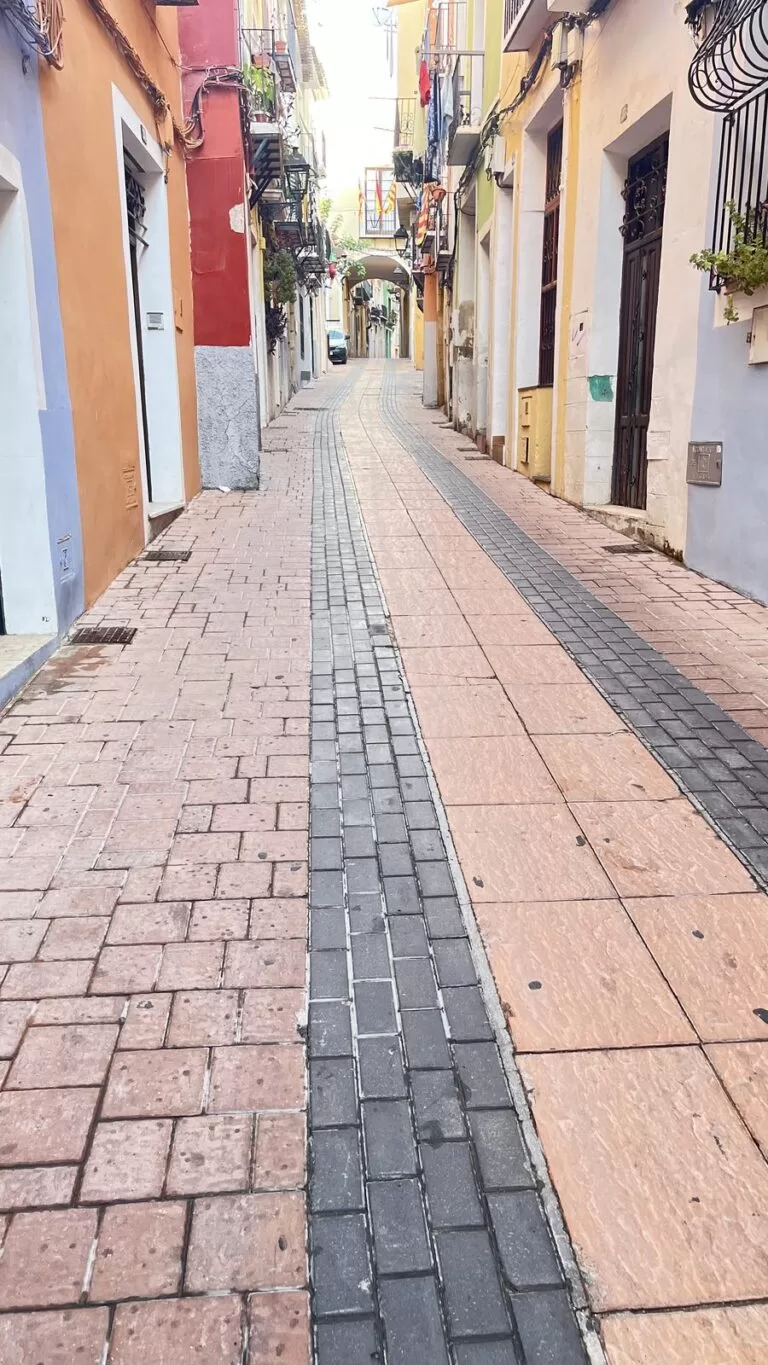
The romantic version says fishermen painted their houses in bold colours so they could spot home from far out at sea — a story repeated in nearly every guidebook and told to nearly every visitor. Local historians are considerably more skeptical: Villajoyosa’s dry, largely fog-free climate would have made such a navigation aid mostly unnecessary, and there is no solid documentary evidence tying the tradition to seafaring at all. More likely explanations point to ordinary Mediterranean building customs and, in some cases, simple pride in a distinctive townscape. Whatever the origin, the effect is real — a genuinely striking wall of colour along the seafront that has become the town’s visual signature regardless of why it started.
Visiting the Valor chocolate museum
Valor has manufactured chocolate in Villajoyosa for more than 130 years, and the Museo del Chocolate Valor, open since 1998, walks visitors through the history of cocoa in Spain alongside the company’s own story, from early production methods to the modern factory still operating in the same town. Entry is typically free, and the visit ends, unsurprisingly, at a shop selling the factory’s own chocolate — a reliable stop for anyone travelling with children or simply wanting a break from the beach and seafront. Villajoyosa is one of several towns along this stretch of coast with a genuine chocolate-making history, but Valor’s scale and the museum’s accessibility make it the most visitor-friendly way to see that industry up close.
Roman Villajoyosa
Long before the painted houses or the chocolate factories, this stretch of coast was Roman territory, and two sites preserve that layer of the town’s history. La Malladeta holds the remains of a Roman villa and baths, giving a sense of the domestic and civic life that once existed here, while the Torre de Sant Josép, a Roman-era funerary tower, stands as one of the better-preserved structures of its kind on the Spanish Mediterranean coast. Neither site draws the crowds that the seafront does, which makes them a genuinely quiet, worthwhile detour for visitors who want the town’s older history alongside its more famous, more photographed present.
The fish auction and working port
Villajoyosa’s harbour is a genuine working fishing port, not a decorative marina, and the daily Lonja de Pescado auction is the clearest evidence of that — boats typically return around 16:30, and the auction that follows moves quickly through crates of the day’s catch to buyers from restaurants and markets across the region. Visitors are welcome to watch from the sidelines, though it is a working environment rather than a tourist attraction staged for cameras, and the pace and noise reflect that. Combined with the fishing fleet visible from the seafront most mornings, it is a useful reminder that behind the painted houses, Villajoyosa’s economy still runs substantially on what comes out of the sea each and every day.
FAQ
Why are the houses painted bright colours?
The colourful façades are Villajoyosa’s signature, but the popular story that fishermen painted their homes to spot them from the sea is unproven folklore; other explanations include leftover boat paint and local tradition.
Can I visit chocolate factories and museums?
Yes. Valor has operated in Villajoyosa for over 130 years and runs the Museo del Chocolate Valor (open since 1998). Other producers such as Clavileño and Chocolates Pérez also offer tours and tastings.
Is there Roman archaeology to see?
Villajoyosa has Roman roots: the La Malladeta site preserves remains of a Roman villa and thermal baths, and the Torre de Sant Josep is a Roman funerary tower. The Vilamuseu holds local archaeological finds.
When is the Moros y Cristianos festival held?
The town stages a Moros y Cristianos festival in the last week of July, famous for a staged Moorish disembarkation on the beach; the festival commemorates a 1538 attack and is over 250 years old.
Nearby around Villajoyosa
The TRAM light rail connects Villajoyosa directly to Benidorm and Alicante, so every stop on this shortlist is reachable without needing a car for the day.
Nearby on the Costa Blanca
Read next
This place sits on the Costa Blanca. Read the full Costa Blanca guide → or open the interactive map to see everything we have mapped nearby.
How this page is maintained. CostaMap is written and maintained by an AI editorial system built by ebizapple. Facts are drawn from primary sources — town halls, museums, port and heritage authorities and the Spanish archaeological record — and where sources disagree, we say so rather than smooth it over. Photographs marked as ours are taken on location. This page was last reviewed on 14 August 2026. Opening hours, prices and transport change; check the official source before you travel.