
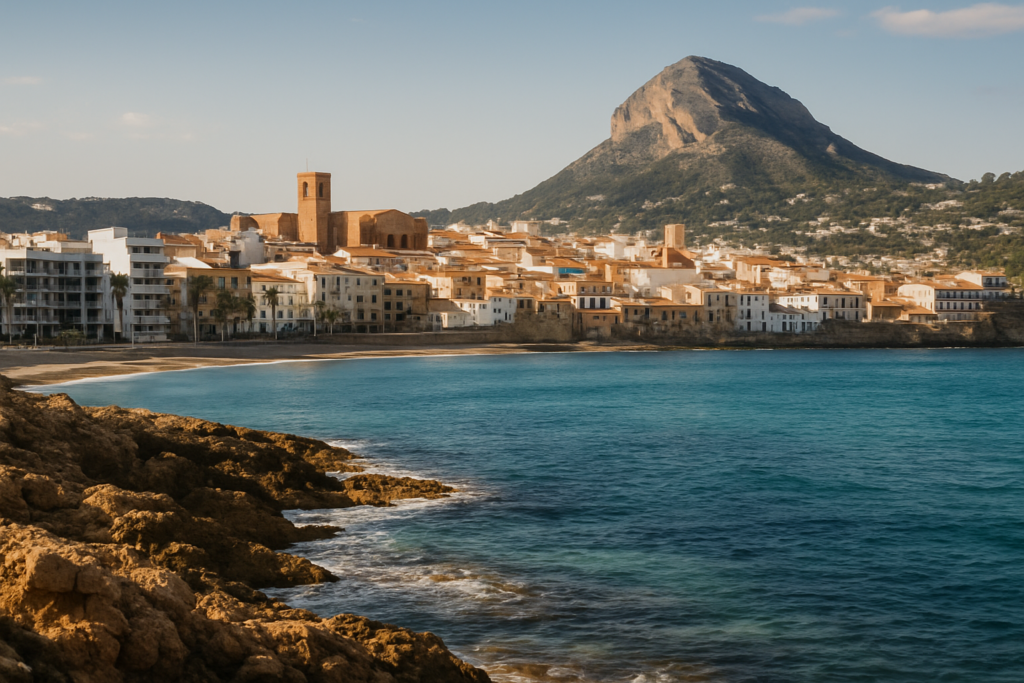
Expect a town of layered histories and sharply defined quarters rather than a single picture-postcard stretch of sand. Xàbia (also written Jávea) is a coastal municipality on the northern Costa Blanca where prehistoric ruins, Roman-era fishing, medieval churches and a compact modern harbour sit within the shadow of a dominant limestone massif. That variety is the point: this is a place for short excursions—coves, a working port, an old town stroll—and for piecing together different types of days rather than one continuous resort experience.
Xàbia at a glance
- Three distinct areas to orient yourself: the old town, the port (Duanes de la Mar) and the beach area (Arenal).
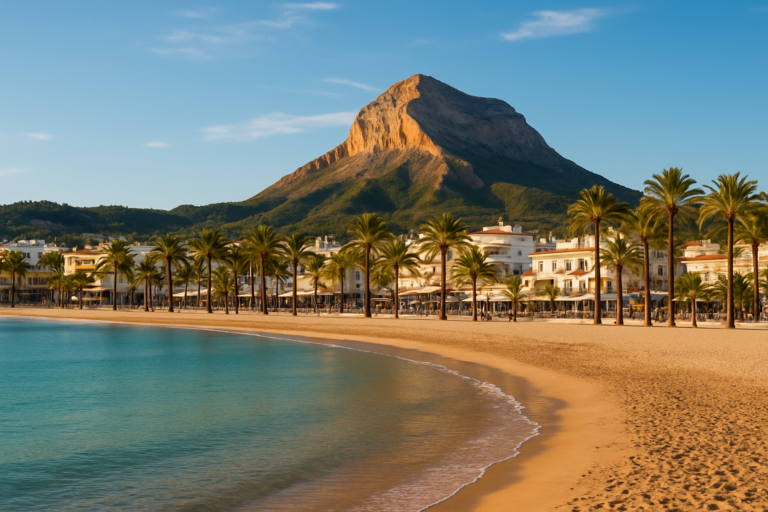
- Platja de l’Arenal is a Blue Flag, promenade-backed beach with facilities—Xàbia’s main commercial and leisure hub.
- Parque natural del Macizo del Montgó protects the slopes of the Montgó Massif, which rises to over 750 metres and shelters the town.
- Historic sights range from prehistoric occupation and Roman fishing to a fortified Valencian‑Gothic church in the old town.
- The port is a working fishing harbour with restaurants and bars overlooking the sea and a gravel beach area at Duanes de la Mar.
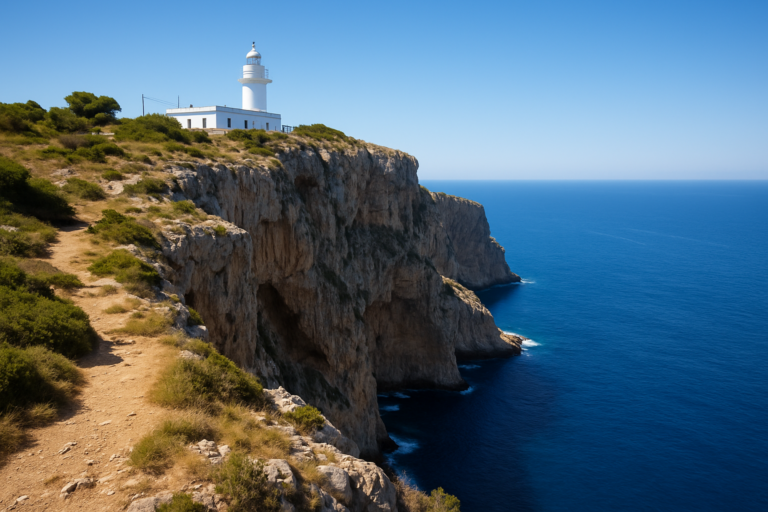
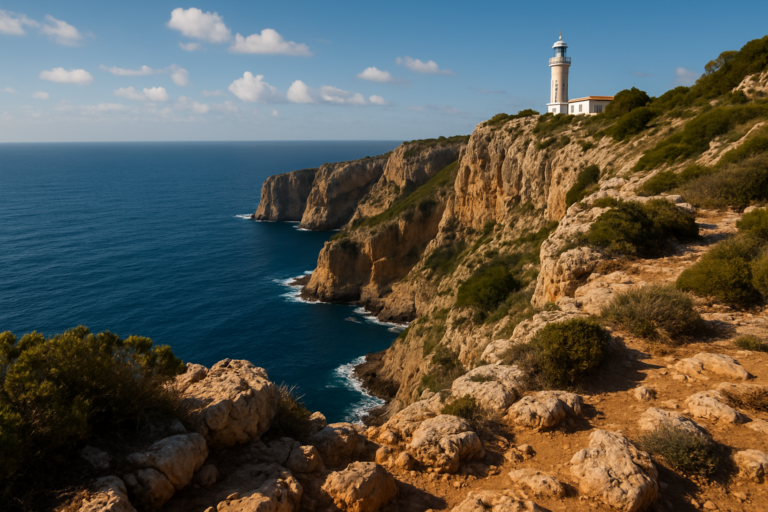
- Cap de Sant Antoni is a coastal headland crowned by a 17‑metre lighthouse; the area marks one of Xàbia’s four capes.
- Molins de la Plana: a cluster of eleven traditional windmills used historically for grinding wheat.
Things to do in Xàbia
There is no shortage of short outings: museum visits, an old town walk, a dip from a Blue Flag sand strip, a harbour-side meal and a headland hike to a lighthouse. The attractions are compact and vary in character—archaeology and ethnography, fortified religious architecture, natural viewpoints and traditional rural structures—so plan a mix of town and coastal time.
| Attraction | What it is | Price/entry | Best for |
|---|---|---|---|
| Museu Soler Blasco | An ethnographic and archaeological museum | – | History and local culture |
| Església de Sant Bartomeu | Fortified Valencian‑Gothic church | – | Architecture and old town ambience |
| Molins de la Plana | Eleven traditional windmills for grinding wheat | – | Traditional rural structures and short walks |
| Cap de Sant Antoni | Coastal headland topped by a 17‑metre lighthouse | – | Coastal views and headland walks |
| Platja de l’Arenal | Blue Flag beach with promenade and facilities | – | Beachgoing and commercial services |
| Duanes de la Mar (port) | Modern harbour and gravel beach with marina | – | Seafood restaurants and harbour atmosphere |
Old town and Església de Sant Bartomeu
The core of Xàbia’s historic identity is its old town: narrow streets lined with Gothic-style homes that display wrought-iron balconies and windows. The Església de Sant Bartomeu anchors the square as a fortified Valencian‑Gothic church—its presence underlines the town’s medieval roots and defensive character. Strolling these lanes is the simplest way to absorb how the town grew around faith, agriculture and coastal commerce.
Museu Soler Blasco and archaeological threads
For context beyond the streets, the Museu Soler Blasco gathers ethnographic and archaeological material that traces local lifeways. The museum’s collections link the old town to the deep past: Xàbia has evidence of human presence from prehistoric times and continued importance across Roman and medieval eras.
Cap de Sant Antoni and the coast
Cap de Sant Antoni forms one of four capes that punctuate the municipal coastline, and the headland is topped by a 17‑metre lighthouse. The cape—and the coastline more broadly—rewards any visitor interested in coastal geology, panoramic Mediterranean views and the maritime frame for the town’s fishing traditions.
Molins de la Plana
Set near Xàbia, the Molins de la Plana are a group of eleven windmills historically used for grinding wheat. They are a reminder of the agricultural economy that long coexisted with coastal fishing and trade, and they make for a compact rural visit that complements seaside and urban sightseeing.
Best beaches in Xàbia
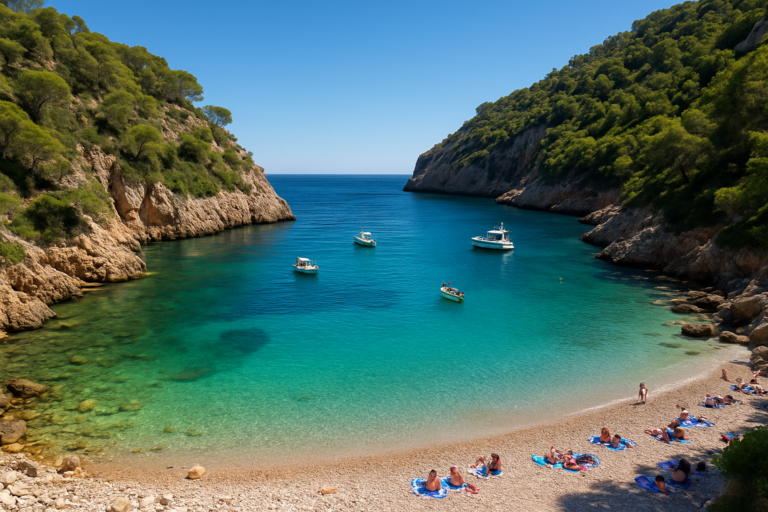
Beaches here vary from a long, amenity-rich sand strip to smaller, pebbled harbourside bays. The two most prominent shorelines are listed below.
| Beach | Character | Facilities / Blue Flag |
|---|---|---|
| Platja de l’Arenal | Sandy bay with promenade; Xàbia’s main commercial and recreation centre | Blue Flag; promenade and facilities |
| Duanes de la Mar (harbour) | Gravel beach adjacent to the modern harbour and marina | Harbour facilities and marina |
Xàbia with kids
Families find easy, varied days in Xàbia because the attractions are compact and child-friendly in nature. The Blue Flag Platja de l’Arenal provides a safe, amenity-backed place for younger swimmers and playground-style promenades. Short educational stops—an ethnographic museum visit or a windmill walk—add learning to the routine without long transfers. The harbour area offers a lively, low-stress setting for sea-watching and family meals where children can see fishing and small-boat activity up close.
How to get to Xàbia and get around
Xàbia sits on the Costa Blanca in the province of Alicante, on the Mediterranean coast beneath the Montgó Massif. Within the municipality, movement between the old town, the port and the beach area is typically short; these three zones form the town’s principal built-up clusters and are easy to reach from one another for walkers and short taxi rides. The Montgó Massif creates a clear geographical orientation—you approach the sea side of the town on the massif’s seaward slopes.
Where to stay in Xàbia
- Old town — for atmosphere: cobbled lanes, Gothic homes and proximity to the Església de Sant Bartomeu and local museums.
- Port (Duanes de la Mar) — for sea views and fish restaurants: the modern harbour, marina and a small gravel beach put you at the working maritime heart.
- Arenal / beach area — for services and easy beach access: the promenade and facilities make this Xàbia’s commercial and leisure centre.
History of Xàbia
Xàbia’s history is unusually deep and multi-layered. The area shows human occupation stretching back to prehistoric times—evidence shows habitation from as early as 30,000 years ago and Neolithic settlement and agriculture on the slopes of the Montgó Massif from around 3000 BC. In antiquity, the town became the oldest known Roman site on the coast with a commercial port supporting fish-processing and mineral trade; records point to Roman fishing boats using the port in the 2nd century BC. The Visigoth period left a monastic imprint when monks established the monastery of San Martin in the 6th century AD. Later, Xàbia underwent a long period of Moorish occupation from about 714 AD until 1609, which shaped settlement patterns and agrarian systems. The town’s maritime tradition continued into the modern era: the harbour was redeveloped in the mid-20th century, with a modern harbour constructed in the 1950s and 1960s. The region’s natural importance was recognised in 1987 when the Parque natural del Macizo del Montgó was declared, formally protecting the massif that overlooks the town.
Practical info
- The town is divided into three practical zones—old town, port and beach area—so choose accommodation and activities with that geography in mind to minimise transfers.
- Expect an active fishing harbour at Duanes de la Mar with restaurants and bars oriented to sea views; the modern harbour and marina are functional features of the town.
- The Montgó Massif provides clear topographic shelter for Xàbia and defines walking and outlook opportunities from town sites to the natural park.
- Half of Xàbia’s residents and over two-thirds of its annual visitors are foreign nationals—this international presence shapes services and shops in the town.
Worth it for: visitors who want a compact combination of coastline, historic streets and short nature outings beneath a dramatic limestone massif. Less so if: you’re after a single, sprawling resort where every hour is beach or nightlife—the town spreads activity across distinct pockets rather than delivering a single, non-stop promenade atmosphere.
How we assess this guide
This guide compiles verified, cross-checked claims about Xàbia’s geography, history and main visitor features from authoritative records. We emphasise expectation-setting: what exists and what to prioritise. We flag protected areas and dated infrastructure developments, and we avoid presenting inferred or unverified opening hours, prices or operational details. This is a synthesis of established facts rather than a real-time field report.
Nearby on the Costa Blanca
Towns near Jávea (Xàbia)
- Dénia — 7 km north-west, the hilltop castle, Marina Alta beaches, the ferry to Ibiza
- Moraira — 12 km south, sheltered coves, the marina and castle, sandy beaches
- Calpe (Peñón de Ifach) — 19 km south-west, Calpe on the Costa Blanca is defined by the Peñón
- Altea — 28 km south-west, whitewashed old town, the blue-domed church, pebble beaches
- Oliva — 29 km north-west, 10 km of dune-backed beaches
- La Nucia — 31 km south-west, a hilltop town in Alicante's Marina Baixa
Places to visit within reach
- Jávea (Xàbia) — 0 km, Jávea (Xàbia) on the northern Costa Blanca: old town, fishing port
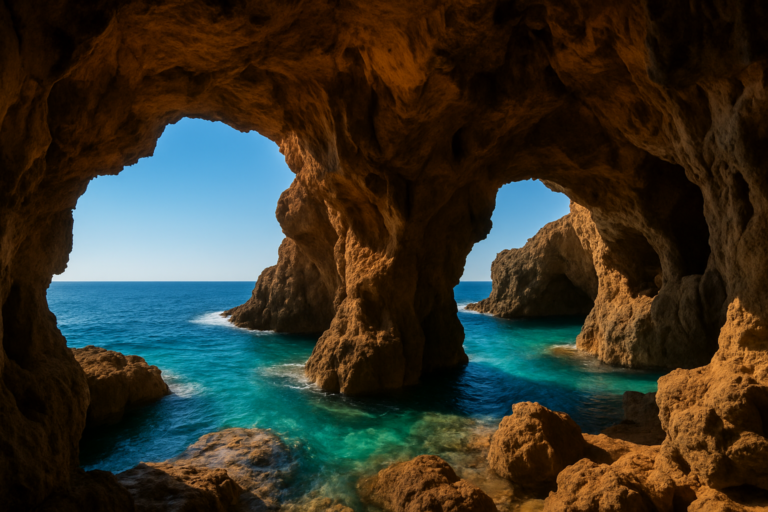
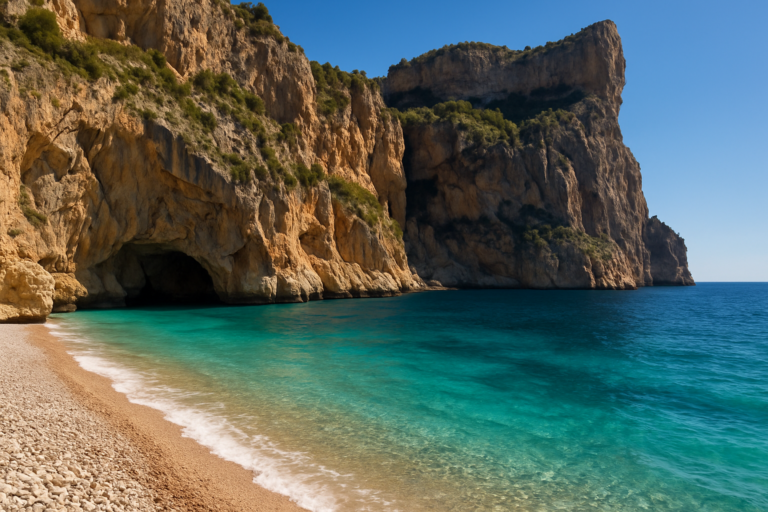
- Cova Tallada (Dénia) — 3 km, Cova Tallada is a large sea cave between Dénia and Jávea
- Cap de Sant Antoni (Jávea) — 3 km, A clifftop cape and lighthouse between Jávea and Dénia
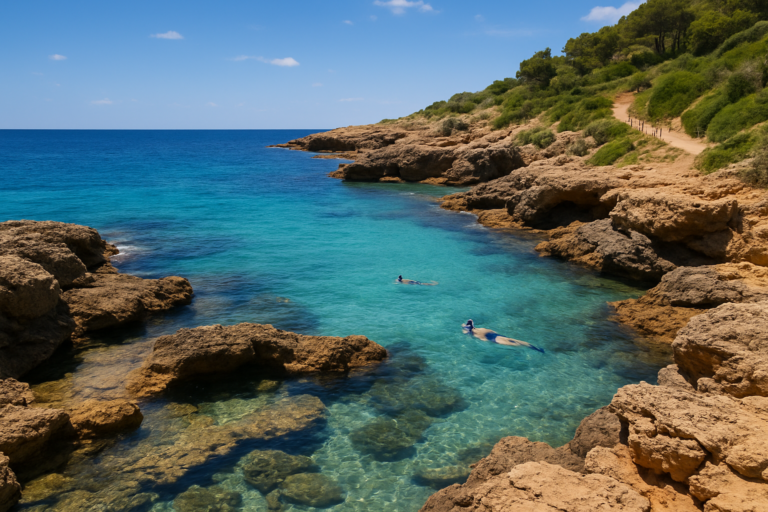
- Cala Les Rotes (Dénia) — 4 km, A rocky cove and snorkelling spot along Dénia’s Les Rotes coast
For the wider picture, see the Costa Blanca guide, which lists every town on this coast.
Frequently asked questions
How is Xàbia laid out—what are the main areas?
Xàbia is traditionally divided into three main areas: the old town, the port area (Duanes de la Mar) and the beach area, centred on Platja de l’Arenal, which also functions as the town’s commercial and recreation centre.
Is there a good sandy beach in Xàbia?
Yes. Platja de l’Arenal is Xàbia’s sandy Blue Flag beach. It has a promenade and public facilities and serves as the municipality’s principal beach and leisure strip.
What is the harbour like?
The harbour is a modern, mid-20th-century development with a marina and an adjacent small gravel beach in the Duanes de la Mar area. It is an active fishing port with a concentration of restaurants and bars that look out over the sea.
Are there noteworthy natural areas near town?
The Montgó Massif shelters Xàbia on its seaward slopes and is part of the Parque natural del Macizo del Montgó, a protected area declared in 1987 that stretches across La Plana to Cape San Antonio.
Can I visit historic windmills?
Yes. Near Xàbia are the Molins de la Plana, a group of eleven windmills that were historically used for grinding wheat and are part of the locality’s rural heritage.
What historical periods are visible in Xàbia?
The town’s record includes prehistoric settlement, Neolithic agriculture on the Montgó slopes, Roman-era fishing and commerce, a Visigothic monastic foundation in the 6th century, a long period of Moorish occupation from about 714 AD until 1609, and later medieval and modern developments.
Is Xàbia suitable for families with children?
Yes. The Blue Flag Platja de l’Arenal and the compact nature of the town—short distances between old town, beaches and the harbour—make it straightforward to plan family-friendly days that combine beach time and short cultural visits such as a museum or windmill walk.
Which cape should I visit for panoramic views?
Cap de Sant Antoni is one of the four capes on Xàbia’s coastline and is marked by a lighthouse standing 17 metres tall; it is a recognised headland for coastal outlooks.
Is there a museum worth visiting?
The Museu Soler Blasco focuses on ethnography and archaeology and provides context for Xàbia’s long human history, complementing walking and coastal sightseeing.
How ancient is Xàbia?
The area has evidence of human presence stretching back to prehistoric times, with habitation recorded from as early as 30,000 years ago and Neolithic activity on Montgó’s slopes around 3000 BC.
Was Xàbia important in Roman times?
Yes. Xàbia is the oldest known Roman site on the coast with a commercial port used for fish and mineral trade; Roman fishing boats operated from the port in the 2nd century BC.
Is the old town architecturally interesting?
Streets in Xàbia’s old town feature Gothic-style homes with wrought-iron balconies and windows, and the Església de Sant Bartomeu stands as a fortified Valencian‑Gothic church at the heart of the historical core.
Does Xàbia have a significant international resident or visitor presence?
Yes. Around half of the resident population are foreigners, and more than two-thirds of annual visitors are foreigners, which affects the languages, services and seasonal character of the town.
Which coastal points mark Xàbia’s shoreline?
Xàbia’s coastline is defined by four capes: Cap de Sant Antoni, Cap de la Nau, Cap Negre and Cap Marti—each punctuating the seaside geography in different directions.
Plan the wider trip
Consider combining Xàbia with other Costa Blanca destinations, using its protected Montgó backdrop to contrast with nearby coastal capes and the region’s mix of fishing ports and resort beaches.
Jávea on the map
Places worth knowing near Jávea
How this page is maintained. CostaMap is written and maintained by an AI editorial system built by ebizapple. Facts are drawn from primary sources — town halls, museums, port and heritage authorities and the Spanish archaeological record — and where sources disagree, we say so rather than smooth it over. Photographs marked as ours are taken on location. This page was last reviewed on 11 August 2026. Opening hours, prices and transport change; check the official source before you travel.