
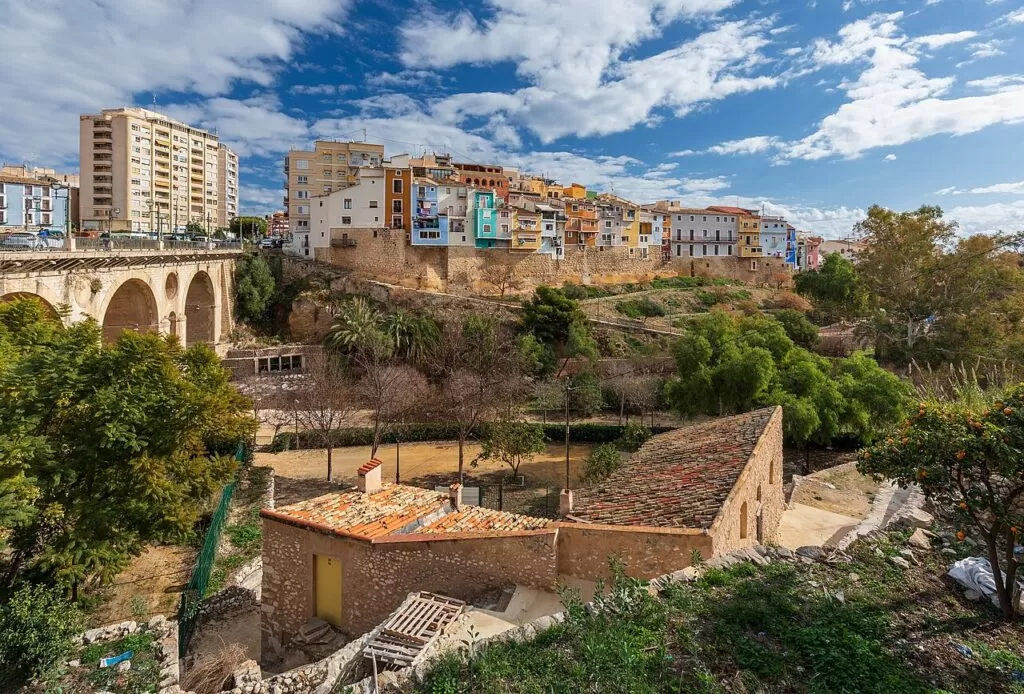
Villajoyosa: Painted Seafront, Valor Chocolate Museum and Beach Coves
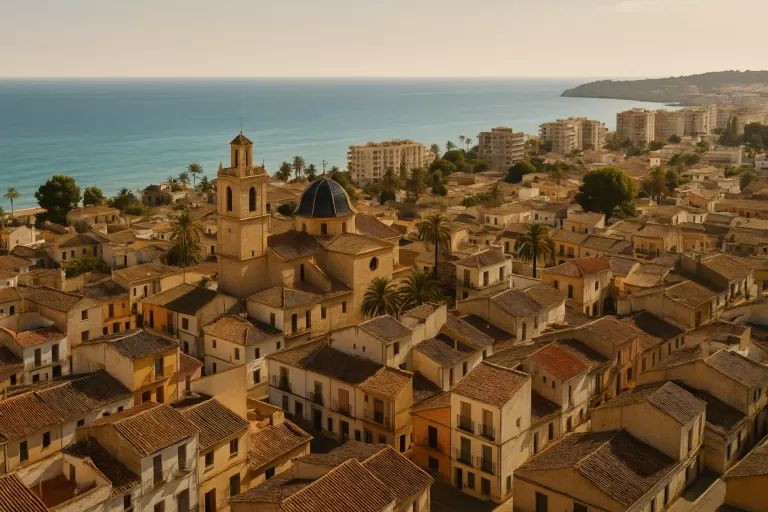
Villajoyosa (La Vila Joiosa in Valencian) is a working Costa Blanca town with a real centre, so it suits you if you want a base with a painted seafront, a town beach and a chocolate museum rather than a high-rise resort strip. It lies in the Marina Baixa and is the comarca’s capital, with about 15 km of coast, and the TRAM stops in town. It is part of our Costa Blanca guide; this page covers the town as a whole, and the colourful waterfront has its own walk in Villajoyosa painted houses.
Quick facts
- Where: Villajoyosa / La Vila Joiosa, Marina Baixa comarca, Alicante province.
- Residents: 37,449 (1 January 2025, INE).
- Beach: yes. The town counts about 15 km of coast with 13 beaches and coves, including Playa Centro, Paradís, Bol Nou and Torres (villajoyosa.com).
- Nearest airport: Alicante–Elche Miguel Hernández. Alsa lists a direct bus service from the Villajoyosa station, though a transfer may sometimes be needed; check before you travel.
- Train: TRAM d’Alacant has a station called La Vila Joiosa, and Line 1 stops at Creueta beside the bus station (Alsa).
- Language: Valencian and Spanish are both used and both names are official; Spanish works everywhere.
- Big week: the Moors and Christians fiestas in late July, described as being of international tourist interest.
- Market day: not confirmed in the sources I read; ask at the tourist office.
Where to base yourself
The town is spread along the coast, and the choice is mostly between the old centre, the beach area beside it and the quieter coves.
The old town and Playa Centro
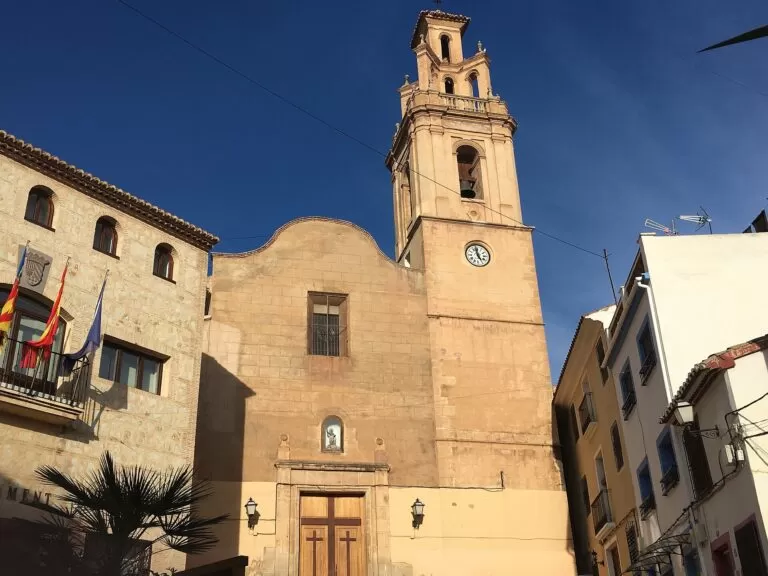
The old town is a listed Historic-Artistic Site, and it was once a walled city laid out around the River Amadorio. The parish church of Nuestra Señora de la Asunción is built into the walls and can be seen from Costera de la Mar street (Turisme Comunitat Valenciana). It is the best base if you travel by TRAM or bus and want to walk to the museum, the seafront and a town beach. It also puts you in the middle of the fiestas.

Paradís and Bol Nou
These two beaches lie along the town’s coast and suit a longer beach stay, with the old town still within reach. Check the walking distance from any apartment to the sand before you book, because the town is long and the coast is not flat.
Torres and the coves
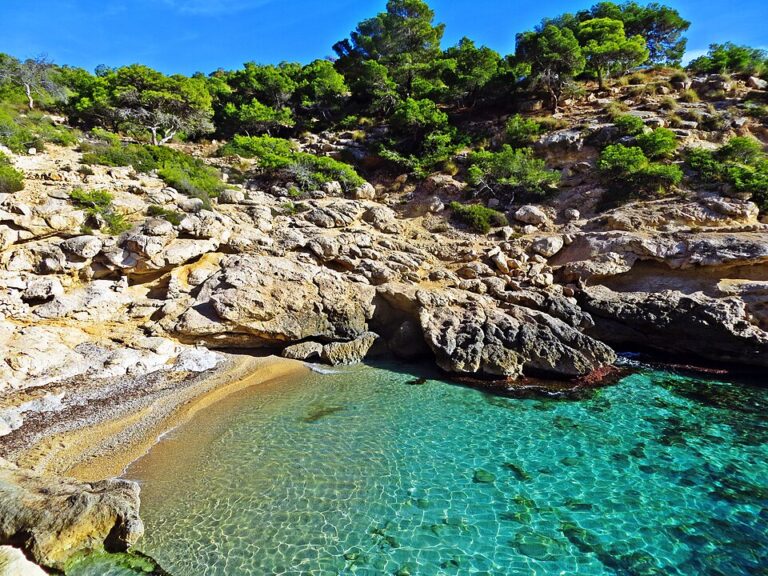
Towards the headlands the character changes. El Charco tower stands on the cliffs with views along the coast, and the coast has small coves such as La Caleta and El Paraíso. This side is for people with a car or a long walk in mind who want quiet over convenience.
Things to do
A day covers the old town, the painted houses and the chocolate museum, and the rest is beach time. For the colourful fishermen’s houses along the sea, use the separate painted houses walk, which goes into more detail than this guide.
The painted seafront and old town
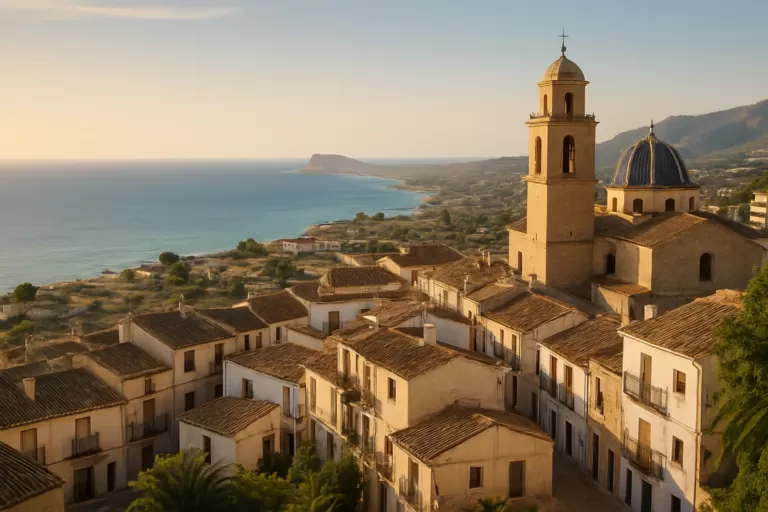
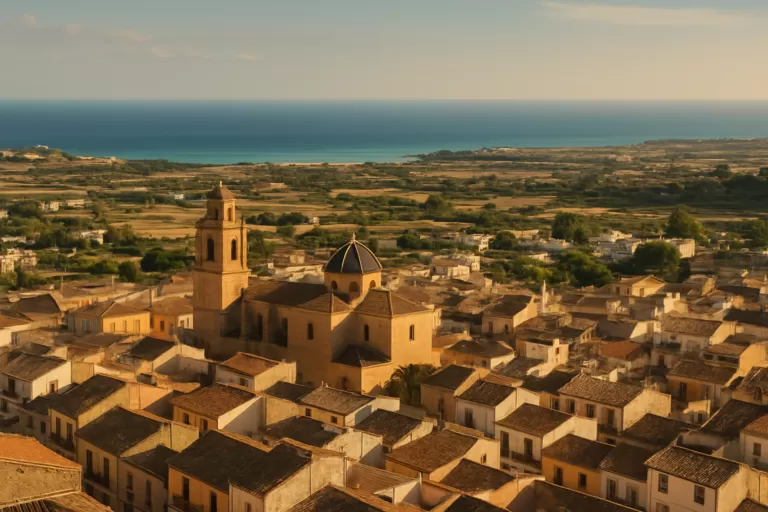
The old fishermen’s houses by the sea are painted in bright colours, and they are the picture most people have of Villajoyosa. Behind them, the streets climb through the old town to the church, and the Renaissance walls are worth seeing from the street (Turisme Comunitat Valenciana).

Valor Chocolate Museum
The Valencian Chocolate Museum belongs to the Valor chocolate company. It opened in 1998, and the Generalitat Valenciana recognised it as the Valencian Chocolate Museum in 2008 (Valor). It grew out of a small family factory and tells the story of five generations of chocolatiers. You see a cocoa showroom, historic machinery, a cocoa sensory room, a film and a panoramic view into the working factory, and the tour ends at the shop.
Guided visits last 45 minutes and take a maximum of 50 people. Valor’s page lists the visit as free, but you need a ticket, and Saturday tickets are online only. The same page warns of queues that can pass an hour at Easter, on long weekends and in August, so arrive early or book where you can, and check Valor’s current calendar for closures.
Roman and local history
The San José tower, also called the Hércules tower, is described by the regional tourist board as one of the best Roman funerary towers in Spain. The Vilamuseu archaeological museum at Calle Colón 57 holds remains from the peoples who lived in the area, according to the town’s tourism site. Ask the museum for current opening times before you plan around it.
Moors and Christians in late July
The town’s big fiesta honours Santa Marta, the patron saint. The story is that a pirate raid in 1538, led by Zallé Arraez, ended when a storm flooded the Amadorio and destroyed the fleet at its mouth, and the storm was credited to the saint (Turisme Comunitat Valenciana). The fiestas themselves grew from celebrations arranged for the centenary of a miracle in 1753. The central event is the Desembarco, a mock naval battle at sea, after which the “Moors” swim ashore to take the castle. Plan accommodation well ahead if you want to be here that week.
Beaches and places nearby
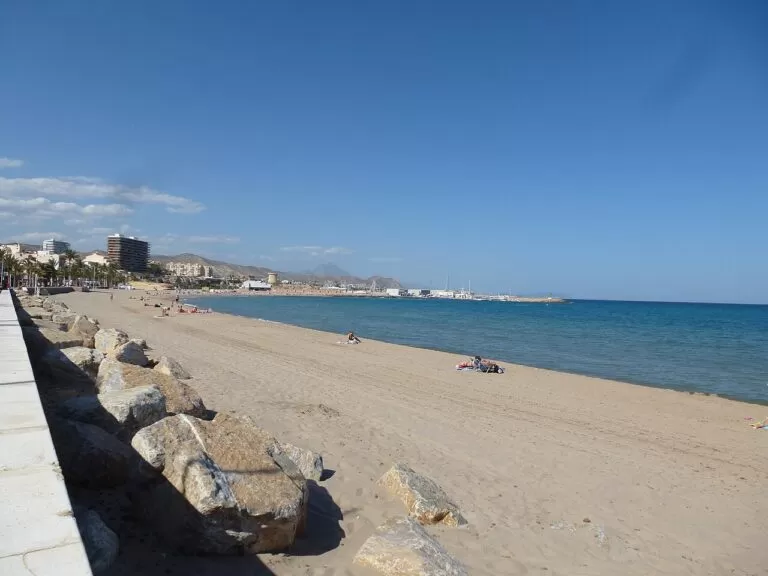
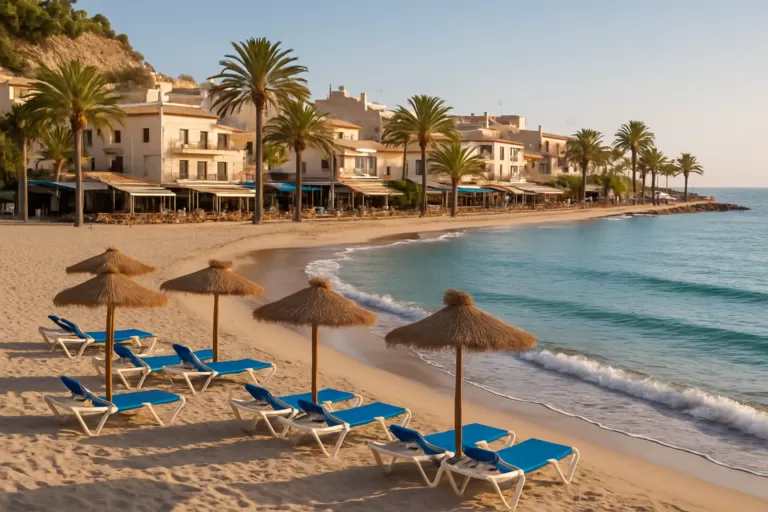
The regional tourist board names Torres, El Charco, La Caleta and El Paraíso among the town’s beaches, and Racó del Conill, a nudist beach. The municipal site counts 13 beaches and coves along about 15 km, so there is more choice than a single town beach. The town beach, Playa Centro, is the easy one, and the coves need more walking.

The same tourist board lists coasteering, diving and exploring the seabed in the Serra Gelada Natural Park as ways to use the coast. Benidorm is reachable up the coast by TRAM, and Alicante to the south, but our advice is to treat them as day trips rather than reasons to stay in either. Our Benidorm and Altea pages cover the neighbours.
Other town guides nearby: Finestrat (about 7 km in a straight line), L’Alfàs del Pi (about 14 km in a straight line), El Campello (about 17 km in a straight line).
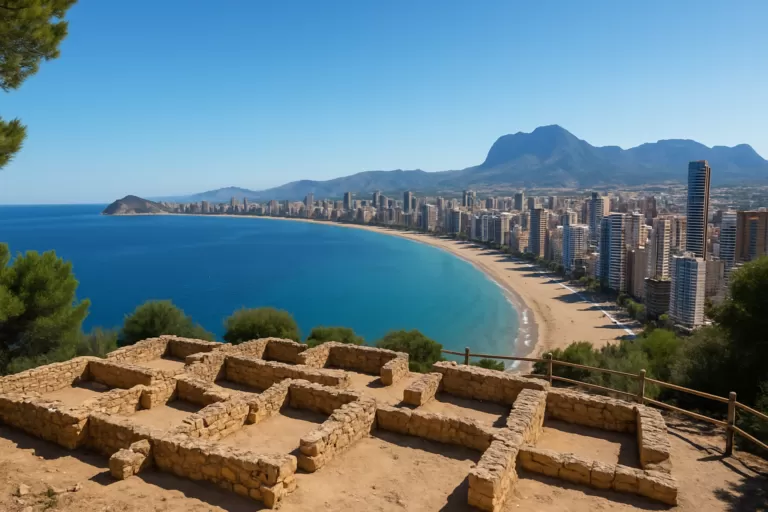
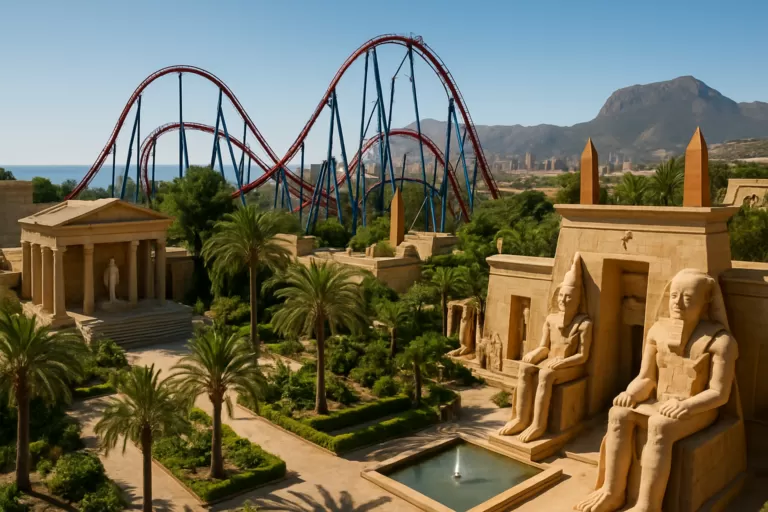
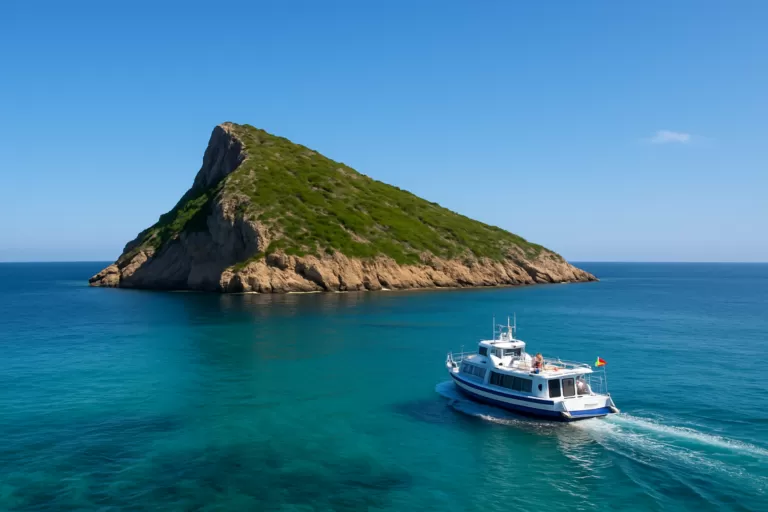
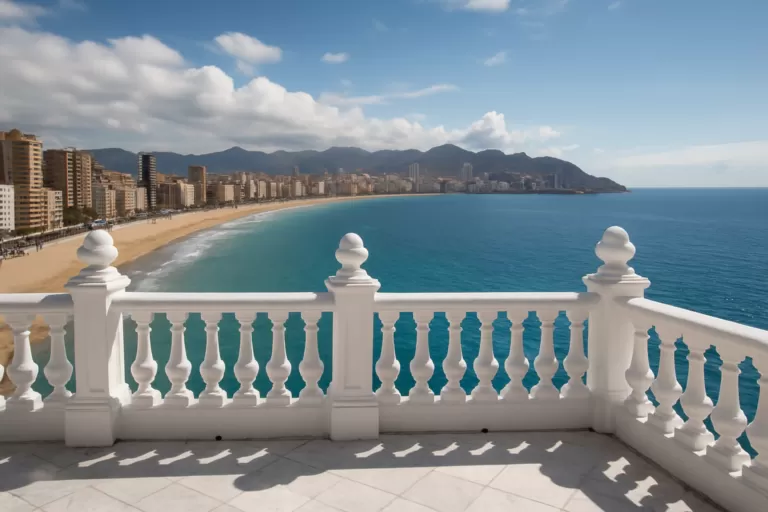
On CostaMap near Villajoyosa: Cala de Finestrat (6.1 km) · Tossal de la Cala (Benidorm) (6.6 km) · Terra Mítica (Benidorm) (8.9 km) · Benidorm Island (Isla de Benidorm) (8.9 km) · Benidorm Castle and the Balcó del Mediterrani (9.4 km) · Levante Beach (Benidorm) (11 km).
Food and drink
Chocolate is the local food story. Villajoyosa has chocolate factories that offer guided visits, and the Valor museum is the main one for visitors, with a shop at the end of the tour. The town also has a fishing port, so fish is the obvious thing to order in a local restaurant; ask what came in that day rather than choosing from a printed menu. I found no sourced list of local dishes or restaurants, so I name none here.
Where to stay
Expect a mix of apartments, small hotels and holiday rentals along the seafront and around the beaches, with larger hotels and campsites outside the old centre. Prices vary by season and rise sharply for the late-July fiestas and in August, so check current rates on the booking sites rather than trusting a figure here. For a stay without a car, choose the old town or Playa Centro; for a beach week with a car, look at Paradís, Bol Nou or Torres.
Getting there and around
By air
Alicante–Elche airport is the nearest. Alsa’s Villajoyosa page mentions a direct bus to the airport, with a note that a transfer may be needed on some routes, so look up the route on Alsa before you travel. There is no direct airport train; you go via Alicante.
By TRAM and bus
TRAM d’Alacant lists a station called La Vila Joiosa, and Alsa says the Creueta stop on Line 1 is a few metres from the bus station, with connections to Alicante and Benidorm, and that the stop is about 5 minutes from the town centre by TRAM or on foot. Alsa buses also serve Altea, Calpe, Finestrat, Valencia, Madrid and Murcia. Timetables change, so use the TRAM and Alsa planners for current times.
By car
A car helps for the coves and the headlands. Parking near the old town and the beach is hard in the fiesta week and in August; the Valor museum has no parking of its own.
Best time to visit
Villajoyosa is a year-round town, not a seasonal resort, so a spring or autumn visit gives you the museum, the old town and the coast without the August queues that Valor itself warns about. Come in late July only if the Moors and Christians fiestas are the reason: the town is busy, and the landing is the central event. The beaches suit swimming in summer, and the old town and the chocolate museum work in any season.
FAQ
Is Villajoyosa worth a visit or a stay?
Yes, if you want a real town with a painted seafront, a museum and beaches within the same walk. If you want nightlife and big hotels, Benidorm is up the coast.
How do I get from Alicante airport to Villajoyosa?
Alsa lists a direct bus from the airport to Villajoyosa, though a transfer may be needed on some routes. Otherwise go via Alicante and take the TRAM or a bus along the coast.
Is the Valor chocolate museum free?
Valor’s page lists the visit as free, but you need a ticket, and Saturday tickets are online only. Queues can pass an hour at Easter, on long weekends and in August, so check the current calendar before you go.
When is the Moors and Christians festival?
In late July, in honour of Santa Marta, and it is described as being of international tourist interest. Check the council programme for the dates of the next edition.
Where can I see the painted houses?
Along the seafront by the old town. Our Villajoyosa painted houses page covers the walk in more detail.
Sources and freshness
Checked October 2026 · 7 sources Show
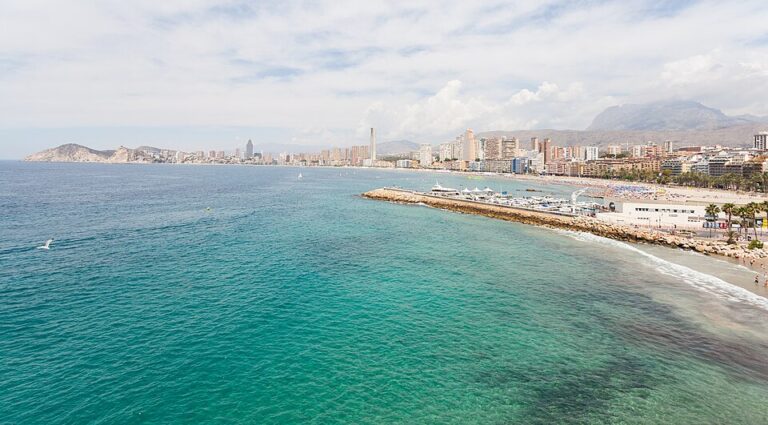
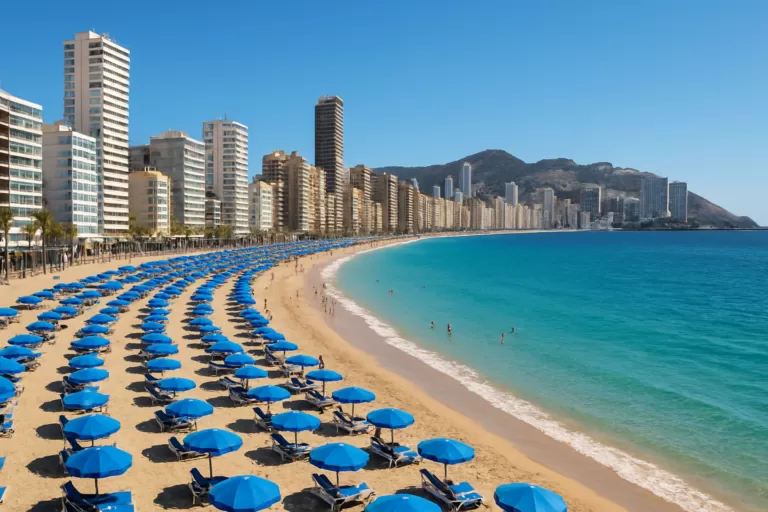
Main photo: Ximonic (Simo Räsänen), CC BY-SA 4.0, via Wikimedia Commons.
Nearby on the Costa Blanca
The nearest town guides on this coast, by straight-line distance from Villajoyosa.
Villajoyosa on the map
Places worth knowing near Villajoyosa
How this page is made. CostaMap is written with an AI editorial system run by Ebizapple. This page is based on the sources listed above. Last updated 29 October 2026. Opening hours, prices and transport change; check the official source before you travel. How we work · Partner links and ads