
If you’re picturing a palm‑lined Mediterranean resort with a skyline of hotels, lower your expectations: this is a small Alicante‑area municipality that behaves more like a residential town than a visitor magnet. Expect quiet streets, local festivals, and layers of regional history rather than a lineup of classic tourist attractions. That makes it a good spot for people who want a calmer base near Alicante or who are curious about Valencian cultural life away from the beaches.
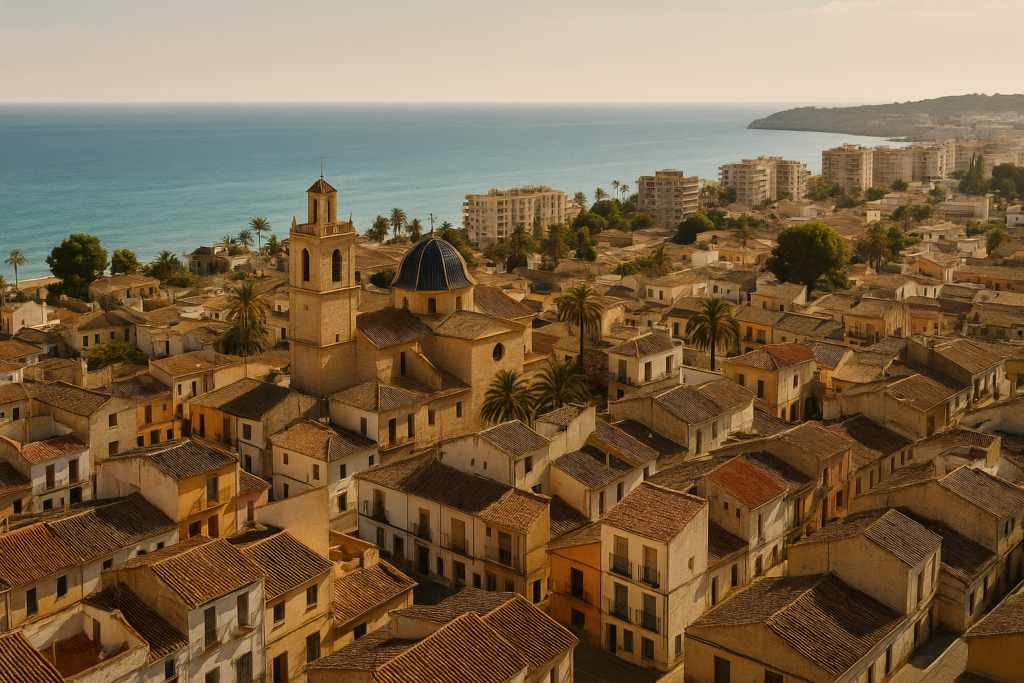
Sant Joan d’Alacant at a glance
- Population: 25,275 (register of 2023).
- Comprises two main zones: the traditional town (Sant Joan Poble) and Benimagrell.
- Part of the University Miguel Hernández of Elche campus is located here — the town has an academic presence.
- Shares metropolitan services with Alicante (same fire department and metro services).
- Strewn with 19th‑century villas and former summer estates built by Alicante families.
- Described as the geographic centre of the Old Garden of Alicante — a town with agricultural and gardened roots.
Before you plan
There are no verified closures or major redevelopment alerts in the facts we have. Local festivals and seasonal activities are an important part of the town’s calendar; consult local event listings before you book if you want to attend a specific celebration.
Things to do in Sant Joan
Don’t come for a theme‑park list of must‑see tourist sights; come instead for small‑scale heritage, living traditions and a sense of everyday Valencian life. The town’s highlights are historic chapels, defensive towers that tell a story of coastal insecurity, landscaped country gardens that became bourgeois residences, and street traditions that still animate local celebrations.
| Attraction | What it is | Price / entry | Best for |
|---|---|---|---|
| Torres de la Huerta (Torre Salafranca, Torre de Bonanza) | 16th–17th‑century watchtowers that guarded farmland against pirate raids | — | History buffs, photography |
| Three 16th‑century chapels | Chapels dedicated to San Roque, Loreto and Santa Ana | — | Religious architecture and quiet reflection |
| La Concepción and Manzaneta gardens | Former 18th‑century country estates later converted into bourgeois residences | — | Garden strolls, history of local estates |
| Local festivals and street games | Fiestas de Fogueres, Semana Santa and Valencian pilota traditionally played in the streets | — | Cultural immersion, families |
| Local cuisine | Traditional dishes such as arroz a la alicantina, arroz con cebolla, olleta and putxero amb tarongetes | — | Food lovers seeking regional recipes |
Watchtowers and the Torres de la Huerta
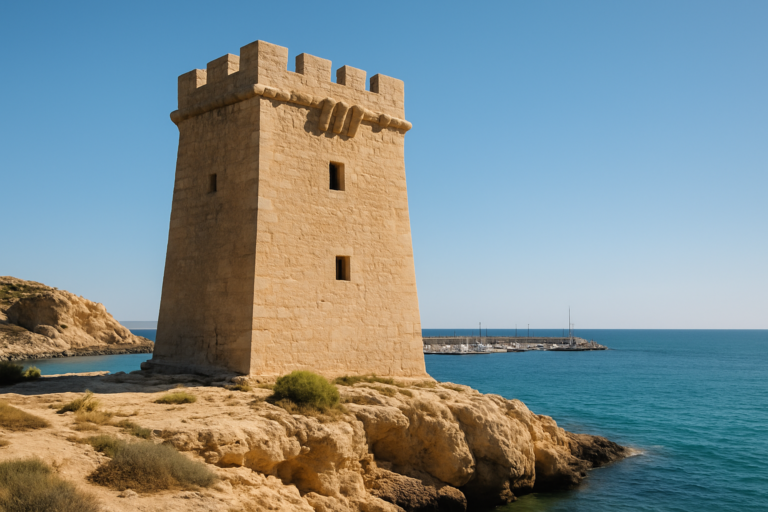
The scatter of 16th‑ and 17th‑century watchtowers — referred to collectively as the Torres de la Huerta and including named examples such as Torre Salafranca and Torre de Bonanza — is the clearest visible reminder of a very different coastline history. They were built to protect farmland and settlements from pirate raids and now function as local landmarks. Walking or cycling routes that cross the surrounding farmland and urban fringe will pass by several of these towers; they are best appreciated as fragments in a wider rural landscape rather than as museumised monuments.
Chapels and small religious sites
The town preserves three 16th‑century chapels, each with its own dedication — San Roque, Loreto and Santa Ana. These small religious buildings embody the town’s late medieval and early modern parish life and are typically low‑key spots for quiet visits. If you’re interested in local devotional architecture, allocate a slow afternoon to visit them in sequence and take in the different dates and small‑scale restorations.
Country gardens turned bourgeois residences
La Concepción and Manzaneta began as 18th‑century country estates and were later converted into comfortable residences for the town’s upwardly mobile families. They illustrate the transformation from agricultural holdings to summer or permanent bourgeois homes and are an accessible way to trace how the area became a vacation town for Alicante elites in the 19th century. Look for period planting styles, estate walls and any surviving outbuildings that hint at their earlier agricultural function.
Festivals, games and food — living culture here
Local cultural life is an important draw. The town celebrates the Fiestas de Fogueres and observes Semana Santa; Valencian pilota games have traditionally been played in the streets during certain festivities. Food is also a point of pride: traditional dishes you will find here include arroz a la alicantina, arroz con cebolla (rice with onion), olleta and putxero amb tarongetes. These traditions are best experienced at local bars, family restaurants or during festival food stalls rather than in mainstream tourist venues.
Sant Joan d’Alacant with kids
Families who want a low‑key, authentic Valencian experience will find several child‑friendly elements here. The town’s small scale makes it easy to stroll between sights, and the street events during festivals offer lively — and typically safe — communal activities. The campus presence of the University Miguel Hernández of Elche also means occasional cultural or educational events that may be suitable for older children and teenagers.
- Street games (Valencian pilota) during festivals can be a memorable experience for kids — check local event calendars.
- Gardens and estate grounds offer easy walking and space for children to explore under supervision.
- The town’s quiet streets make it easier to keep small groups together than in a busy resort centre.
How to get to the town and get around
Transport connections are one of the practical strengths: the municipality functions within the Alicante metropolitan area’s service grid, sharing the same fire department and metro services, which helps with straightforward access to Alicante and neighbouring municipalities. The town’s role as a bedroom community means it is well connected for people commuting into the larger urban centres.
| From | By | Approx distance |
|---|---|---|
| Alicante | Road / metro services (shared metropolitan services) | 7 km |
| Mutxamel | Road | 1 km |
| El Campello | Road | 3 km |
If you’re arriving from Alicante, you’ll find the town functionally linked to the metropolitan transit infrastructure, even if specific timetables or ticketing details need to be checked with the regional operators. For local mobility, walking and cycling are comfortable options within the town and between its two main zones; for longer journeys the shared metro and wider Alicante network handle inter‑city links.
Where to stay
The municipality effectively offers two distinct residential areas, and your choice should reflect whether you prefer a central, village‑like feel or a fringe, settling closer to coastal neighbours.
- Sant Joan Poble — the historic town nucleus; best for visitors who want immediate access to chapels, gardens and local cafés, and who appreciate a quieter, more compact urban texture.
- Benimagrell — an urban expansion that blends into the surrounding settled areas; better for people who want slightly more room and proximity to road links toward neighbouring municipalities.
Best time to visit
The most compelling moments to visit coincide with the town’s festival cycle and cultural calendar. Fiestas de Fogueres and Semana Santa are the two headline times when local life is most animated, and traditional street games and communal meals are more likely then. Outside festival periods the town is markedly quieter — attractive if you prefer a low‑traffic, residential atmosphere.
History of the town
This area has layered histories that move from agricultural heartland to a small vacation town and finally into a metropolitan bedroom community. The presence of 19th‑century villas and estates reflects a period when wealthy Alicante families made summer residences here. Earlier, defensive needs produced watchtowers in the 16th and 17th centuries to protect farmland from pirate raids. The survival of three 16th‑century chapels and the transformation of 18th‑century country estates into bourgeois residences map the town’s slow evolution from rural parish to suburban municipality and academic outpost.
Practical info
- Services: The town shares emergency services and metro infrastructure with the Alicante metropolitan area, which simplifies calls for assistance and regional transit connections.
- Academic presence: Part of the University Miguel Hernández of Elche campus is located here; this contributes to cultural programming and a student presence at certain times of year.
- Character and growth: Recent growth reflects the town’s role as a bedroom community and its relative isolation from mainstream tourist areas — expect a residential, not a resort, feel.
- Orientation: The municipality shares borders with the settled areas of Alicante, Mutxamel and El Campello; it sits conveniently near these larger towns if you want day trips.
Worth it for: travellers who want a quieter Valencian experience near Alicante, people interested in small‑scale historical sites (watchtowers, chapels, garden estates), and visitors who enjoy local festivals and traditional food. Less so if: you’re looking for a classic sun‑and‑sand resort with a long list of tourist attractions or lively beachfront nightlife; there are busier coastal towns nearby that better serve that purpose.
How we assess this guide
This guide was compiled by CostaMap’s editorial team using verified regional sources and cross‑checked factual claims about monuments, population figures and municipal services. We flag known cultural events and historic sites and explicitly exclude unverified opening times, ticket prices, or third‑party schedules. We have not conducted exclusive first‑hand reporting in the town for this piece; instead we synthesise reliable source claims into travel‑useful conclusions and highlight where you should check current local listings (particularly for festival dates and any event programming).
Frequently asked questions
How do I get from Alicante to the town?
The municipality is about 7 km from Alicante and is functionally connected to the Alicante metropolitan transit framework. Regional metro services and road links serve the area; check regional transit operators for current services and timetables.
Is the town expensive to visit?
There are no verified price indices in our sources. The town’s character as a residential and academic community suggests generally moderate local prices compared with prime beach resorts, but for concrete cost comparisons consult local accommodation and restaurant listings.
Which local dish should I try first?
Seek out arroz a la alicantina or arroz con cebolla for rice traditions, and try olleta or putxero amb tarongetes to experience local stews — these dishes are part of the town’s culinary identity.
How many days do I need?
A day trip is sufficient to see the main historic elements (watchtowers, chapels, and the key gardens) and to sample local food. Two to three days are better if you plan to attend festivals, explore neighbourhoods in a relaxed way, or use the town as a quiet base while visiting Alicante and nearby coastlines.
Is Sant Joan family‑friendly?
Yes — the town’s small scale, gardened estates and occasional street‑based festivities make it convenient for families looking for low‑stress cultural experiences. University events may offer additional family‑oriented programming at times of the year.
Can I get around without a car?
Within the town walking and cycling are convenient; for regional travel the municipality is served by the Alicante metropolitan transit network — consult the regional transport operator for timetables and routes.
Is parking difficult?
Our sources do not provide specific parking details. Given the residential nature of the town and its role as a bedroom community, expect on‑street residential parking and easier availability than in dense urban centres, but check locally for regulated parking zones.
What are good rainy‑day options?
Indoor highlights are limited in the verified claims: chapels and small local heritage sites offer sheltered visits, and university‑linked cultural programming may provide talks or exhibitions at certain times. For a wider range of museums and large indoor attractions, nearby Alicante has more options.
When are the main festivals?
The town celebrates the Fiestas de Fogueres and observes Semana Santa. Our sources confirm these festivals take place locally, but we do not publish exact festival dates here — check municipal or regional event calendars for the current year’s schedule.
Are there traditional games or sports I can watch?
Valencian pilota has traditionally been played in the streets during local events. If you time your visit to coincide with civic celebrations, you may witness street matches or demonstrations.
Is the town better as a base for Alicante or for nearby beaches?
It serves primarily as a quiet residential base with close access to Alicante (7 km away) and the neighbouring coastal towns of El Campello (3 km) and Mutxamel (1 km). Use it as a calm alternative to busier beach resorts while keeping the coast a short trip away.
Does the town have student life or university facilities?
Yes — part of the University Miguel Hernández of Elche campus is located in the municipality. That academic presence contributes to cultural programming and seasonal activity linked to the university community.
Will I see 19th‑century villas?
Yes — the town is dotted with 19th‑century villas and estates that reflect its history as a summer retreat for wealthy Alicante families; these are a visible part of the town’s built fabric.
Which nearby towns are worth visiting on a day trip?
Neighbouring settlements include Alicante, Mutxamel and El Campello — each offers different coastal, cultural and urban experiences and is close enough for day trips from the municipality.
Is the town historically significant?
Its significance is local and regional: watchtowers dating from the 16th–17th centuries, chapels from the 16th century and 18th‑century country estates give it a layered historical narrative tied to agriculture, coastal defence, and later bourgeois leisure.
Plan the wider trip
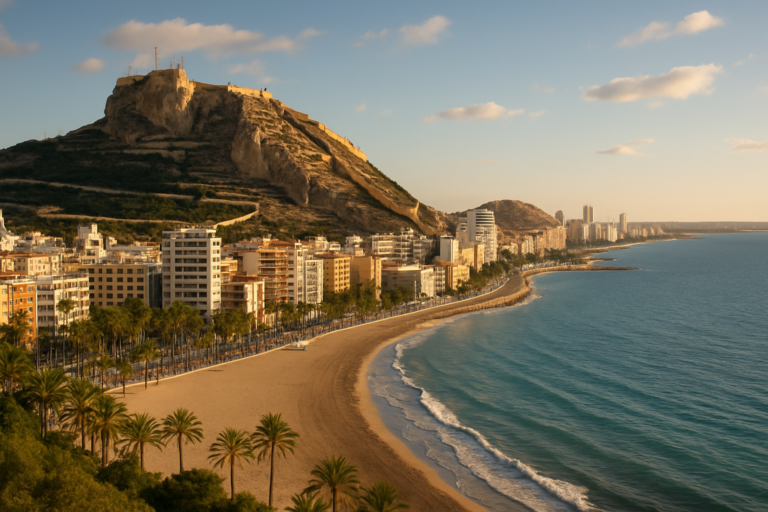
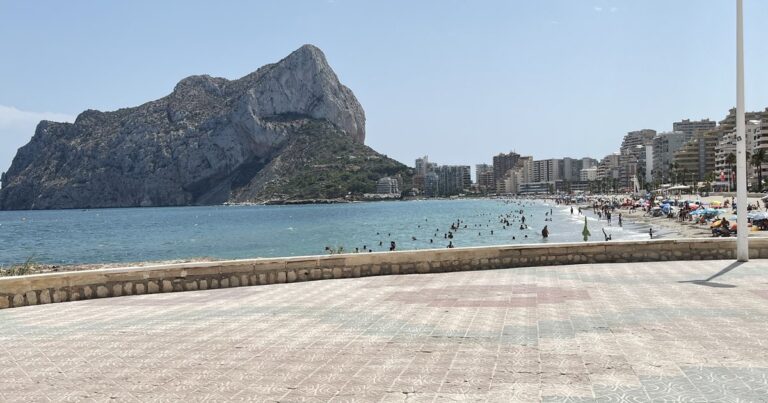
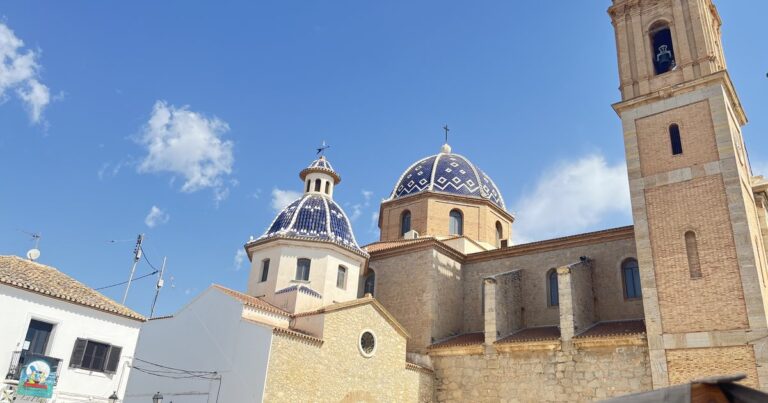
Nearby on the Costa Blanca
Sant Joan Dalacant on the map
Places worth knowing near Sant Joan Dalacant

This place is part of our Costa Blanca Guide: Benidorm, Calpe, Altea and the Best of Alicante — see every town, beach and cove we have mapped on that coast.
How this page is maintained. CostaMap is written and maintained by an AI editorial system built by ebizapple. Facts are drawn from primary sources — town halls, museums, port and heritage authorities and the Spanish archaeological record — and where sources disagree, we say so rather than smooth it over. Photographs marked as ours are taken on location. This page was last reviewed on 14 August 2026. Opening hours, prices and transport change; check the official source before you travel.