
Sant Vicent del Raspeig (San Vicente del Raspeig in Spanish) is an inland town of about 60,000 people on the northern edge of Alicante, home to the main University of Alicante campus. It suits students, visiting academics, remote workers and families who want a quieter, cheaper base than the seafront, with a tram into Alicante in around 25 minutes. It has no beach and few headline sights. It is part of our Costa Blanca guide.
Quick facts
- Where: Sant Vicent del Raspeig / San Vicente del Raspeig, Alicante province, in the L’Alacantí comarca, directly north of Alicante city.
- Residents: about 60,000; local press reported the town passing 60,000 for the first time in May 2024 (Alicante Plaza).
- Beach: none. The town is inland, and the nearest city beaches are in Alicante, reached by tram.
- To Alicante: TRAM d’Alacant line 2 covers about 8.9 km and 14 stops in roughly 25–27 minutes (Planomato).
- Nearest airport: Alicante–Elche Miguel Hernández. The airport is on the other side of Alicante, so allow for a transfer.
- Language: Valencian and Spanish are both official; the university area also works in English.
- Market: the Municipal Market on Avenida de la Libertad, 1,500 m² with 26 stalls (Planomato). We could not confirm a weekly open-air market day.
- Big week: Moors and Christians and patron-saint fiestas, in spring after Easter.
Where to base yourself
The town is a grid of modern streets around an old core, and the choice comes down to how close you want to be to the campus, the centre or the tram. Three areas cover most visitors.
The old centre around Plaza de España
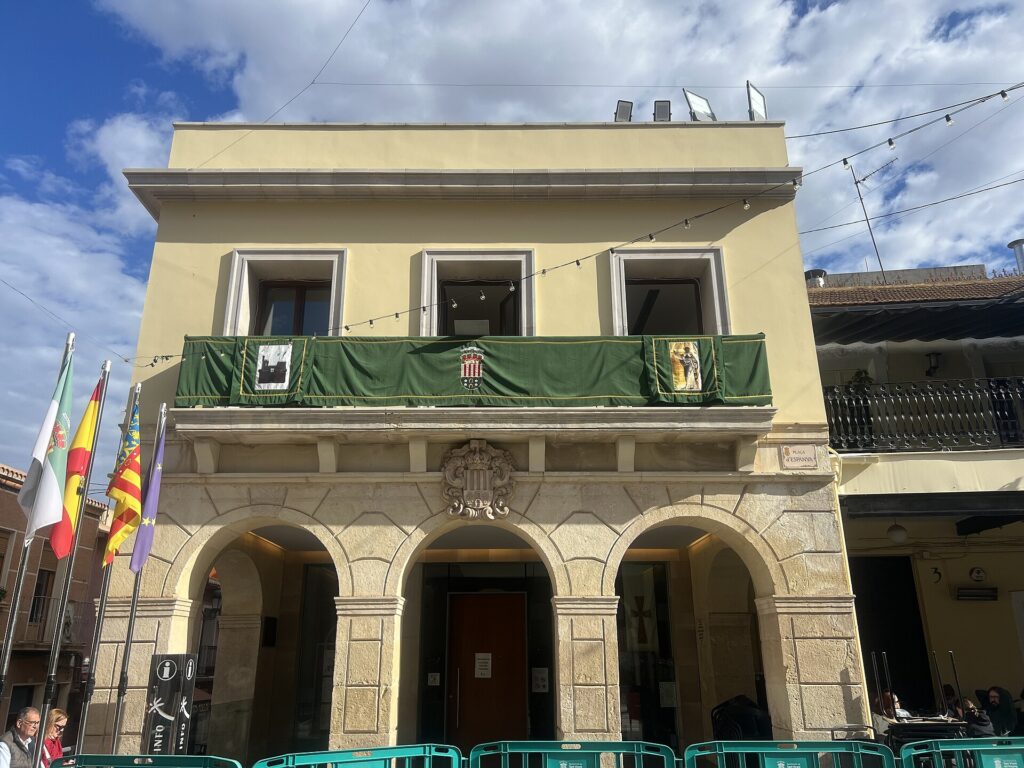
The main street, Plaza de España and Calle Domínguez Margarit hold the parish church of San Vicente Ferrer, the older stately houses, the old town hall and most cafés. The tourist office has been in the former town hall, on the ground floor, since 2014 (Planomato). Choose this area if you want to walk to bars, shops and the market, and you do not mind a short walk or bus to the tram.
Near the University of Alicante campus
The campus has its own tram stop, Universitat, and a lot of student housing and cheap eating around it. It is the practical choice for conferences, exchange semesters and campus visits, and the Universitat stop is one stop from the town on the same line. It is quieter at night and in the August holidays, when the student population thins out.
Alicante instead
If you want sea views, nightlife or a long beach walk, base yourself in Alicante and treat Sant Vicent as a place you pass through, or the reverse: sleep here for lower prices and take the tram in. Both work, but they give you different evenings.
Things to do
This is a residential and university town, not a monument town. A half day covers the main sights, and a full day is enough if you add the parks and a rural walk.
The historic centre
Start at Plaza de España with the parish church of San Vicente Ferrer, then walk the main street and Calle Domínguez Margarit for the older houses. The current town hall dates from 2010 and stands beside a six-storey vertical garden of 340 m² (Planomato). There are also sculptures along the streets, which the regional tourism site suggests photographing (Turisme Comunitat Valenciana).
Museums
The Museum of the University of Alicante (MUA) is on the campus. The MUDIFE railway museum is the town’s other museum, a fitting subject for a place that grew along the line to Alicante. Opening hours were not published in a form we could confirm, so check with the tourist office before a special trip. In Alicante itself, the MARQ archaeological museum has its own stop on the same tram line, MARQ-Castillo.
Parks and green space
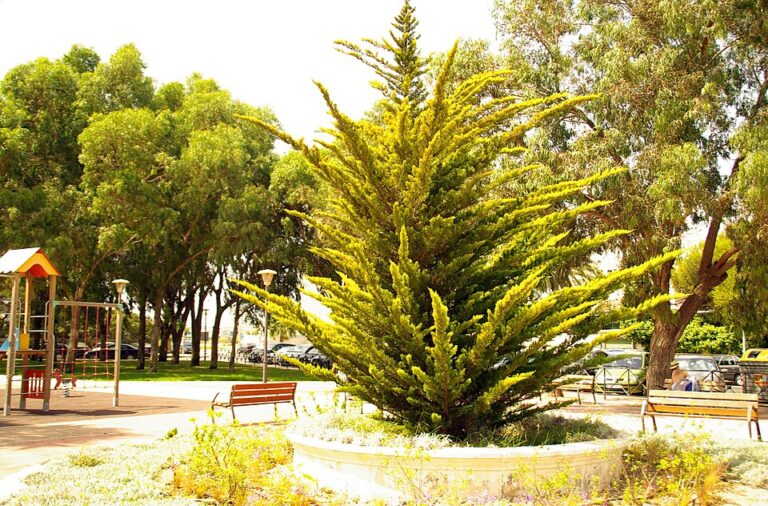
Parque Lo Torrent is about five minutes on foot from the university and has ponds, play areas, sports courts, a BMX circuit and a café. Parque Presidente Adolfo Suárez covers 80,000 m² with lagoons, wetland areas and a lookout (Planomato). Both are everyday parks for locals rather than destinations, which is part of their appeal on a hot afternoon.
Rural routes
The tourism site lists signposted walking and cycling routes to the old olive mill at the Partida dels Assegadors, from the Sabinar to the Ocre Mines, and past farmhouses such as Casa Blanca and Casa Xirau and the 18th-century chapel of Nuestra Señora del Carmen (Turisme Comunitat Valenciana). Distances and gradients are not given, so check the route before you set out and carry water.
Moors and Christians and patron-saint fiestas
The town’s main festival honours San Vicente Ferrer and is built around Moors and Christians parades. It follows Easter, usually in April, so confirm the exact programme each year. The week runs from a Friday opening with bands to a Tuesday ending with the Christian embassy and final battle. The regional tourism site records more than 3,000 festeros and 3,500 musicians, and gives it both provincial and regional tourist-interest status (Turisme Comunitat Valenciana). Expect crowds, music late into the night and more expensive rooms that week.
Skip Sant Vicent del Raspeig if you want a beach holiday, a medieval old town or nightlife beyond student bars. It rewards people who stay a while.
Beaches and places nearby
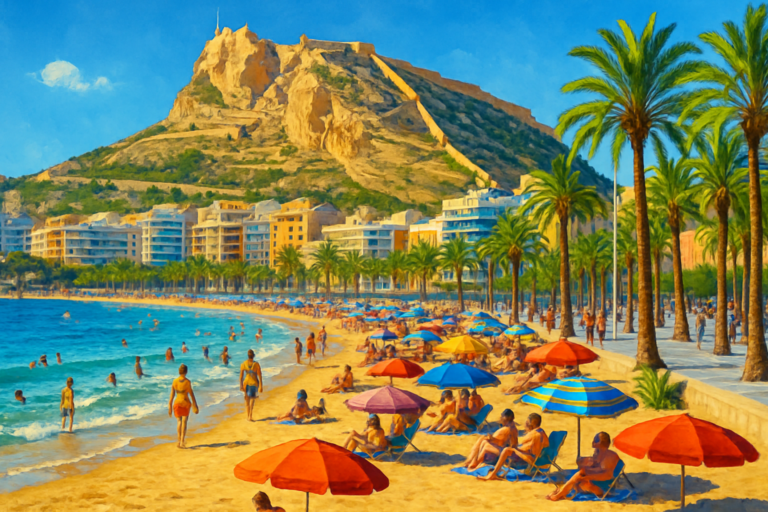
There is no beach in the municipality. The practical options are on the Alicante coast, reached by tram and a change in the city: Postiguet is the central city beach, and the long sands of San Juan lie north-east of Alicante. See Alicante for the city and its waterfront, and El Campello and Santa Pola for calmer stretches of coast on either side.
The tram line is the useful link: it passes the Hospital, MARQ-Castillo and Mercado stops on the way to Luceros in central Alicante (Planomato), so a day split between campus-side lunch and an evening on the seafront is easy without a car.
Other town guides nearby: Elche (Elx) (about 21 km in a straight line), Novelda (about 21 km in a straight line), Petrer (about 24 km in a straight line).
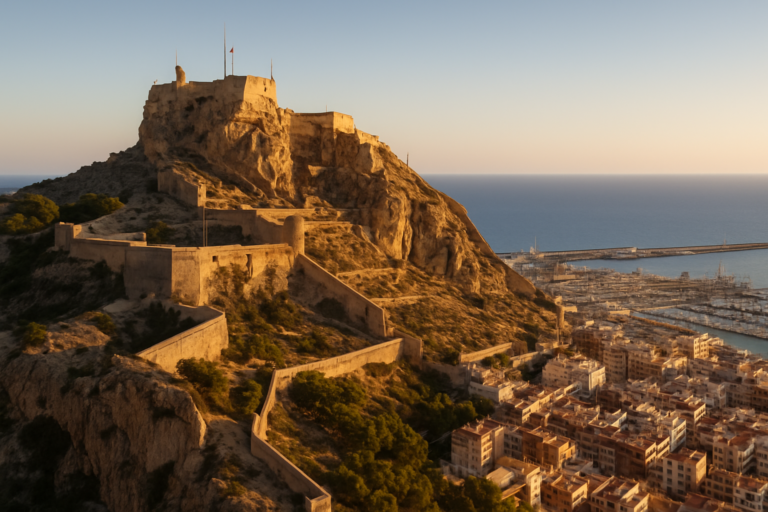
On CostaMap near Sant Vicent del Raspeig: MARQ — Archaeological Museum of Alicante (6.1 km) · Santa Bárbara Castle (Alicante) (6.4 km) · Madness Coffee (Alicante) (6.6 km) · Playa del Postiguet (Alicante) (6.7 km).
Food and drink
The Municipal Market on Avenida de la Libertad is the place to start: 26 stalls in 1,500 m² for fruit, vegetables, fish, meat and local products (Planomato). The regional tourism site lists it as one of the town’s recommended stops alongside the street sculptures.
We did not find a verified list of dishes specific to this town, so we do not invent one. The kitchen is that of Alicante province: rice dishes, grilled meat and fish, tapas and set lunch menus, with prices that follow the student population rather than the beach trade. Restaurant listings change quickly, so we do not name places we could not check. The town has run a tapas event under the name Tapa Pare Vicent; see the town hall site for current dates.
Where to stay
The town offers fewer hotels than the coast and its beds are sold mainly to university visitors, hospital visitors and business travellers. Expect apartments, a small number of hotels and student-style lodging, with prices generally below Alicante seafront rates. Demand rises in term time around enrolment, graduation and conference weeks, and during the spring fiestas, so book early for those dates. If you need a wide choice, a beach and evening life, Alicante is the alternative, and the tram brings you back.
Getting there and around
By air, fly to Alicante–Elche airport. The airport is south-west of the city, and the town is north, so plan a transfer by bus, taxi or car and then the tram.
By tram, TRAM d’Alacant line 2 runs from Luceros in Alicante to Sant Vicent del Raspeig, about 8.9 km with 14 stations in 25–27 minutes. Planomato gives a single fare, free travel for under-14s and a frequency of roughly every 8 minutes at peak times and every 15 off-peak, but fares and timetables change, so check the operator’s planner. A bus line also links Alicante, the university and the town. By car, the town is a short drive from the Alicante ring road; parking is easiest outside term time and the fiesta week.
Inside the town you can walk between the centre, the market and most parks. The campus is a short tram or bus hop from the centre.
Best time to visit
Spring is the best season: the fiestas follow Easter and the weather is mild enough for the rural routes and parks. Summers are hot, so walk early and check the forecast on AEMET. Term-time autumn and winter bring the full student life; August is quiet, with many local businesses closed or on reduced hours. Dates worth planning around: the Moors and Christians week after Easter, and the start and end of the university terms for accommodation prices.
FAQ
Is Sant Vicent del Raspeig worth visiting?
Yes, if you are here for the university, a quieter base, or a spring fiesta. For a one-day tourist trip, Alicante offers more sights.
Is San Vicente del Raspeig the same place as Sant Vicent del Raspeig?
Yes. Sant Vicent del Raspeig is the Valencian name and San Vicente del Raspeig the Spanish one; both are official, and you will see both on signs and timetables.
Does San Vicente del Raspeig have a beach?
No. It is inland. The nearest beaches are in Alicante city, about 9 km away by tram plus a change in the city.
How do I get from Alicante to San Vicente del Raspeig?
Take TRAM d’Alacant line 2 from Luceros. The ride takes about 25–27 minutes, and the Universitat stop serves the campus.
When are the fiestas?
The Moors and Christians and patron-saint fiestas follow Easter, in April. Dates move with Easter each year, so check the official programme.
Sources and freshness
Last checked: October 2026. Sources: Turisme Comunitat Valenciana, Sant Vicent del Raspeig; Turisme Comunitat Valenciana, patron-saint and Moors and Christians fiestas; Planomato, tram day trip to San Vicente; Alicante Plaza, population; AEMET.
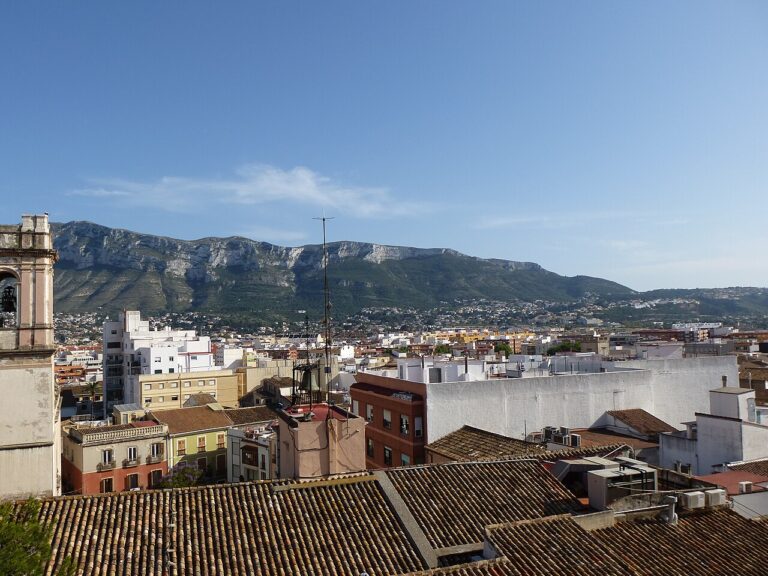
Main photo: Laborinquen, CC0, via Wikimedia Commons.
Nearby on the Costa Blanca
Sant Vicent Del Raspeig San Vicente Del Raspeig on the map
Places worth knowing near Sant Vicent Del Raspeig San Vicente Del Raspeig

How this page is maintained. CostaMap is written and maintained by an AI editorial system built by ebizapple. Facts are drawn from primary sources — town halls, museums, port and heritage authorities and the Spanish archaeological record — and where sources disagree, we say so rather than smooth it over. Photographs marked as ours are taken on location. This page was last reviewed on 28 October 2026. Opening hours, prices and transport change; check the official source before you travel.