
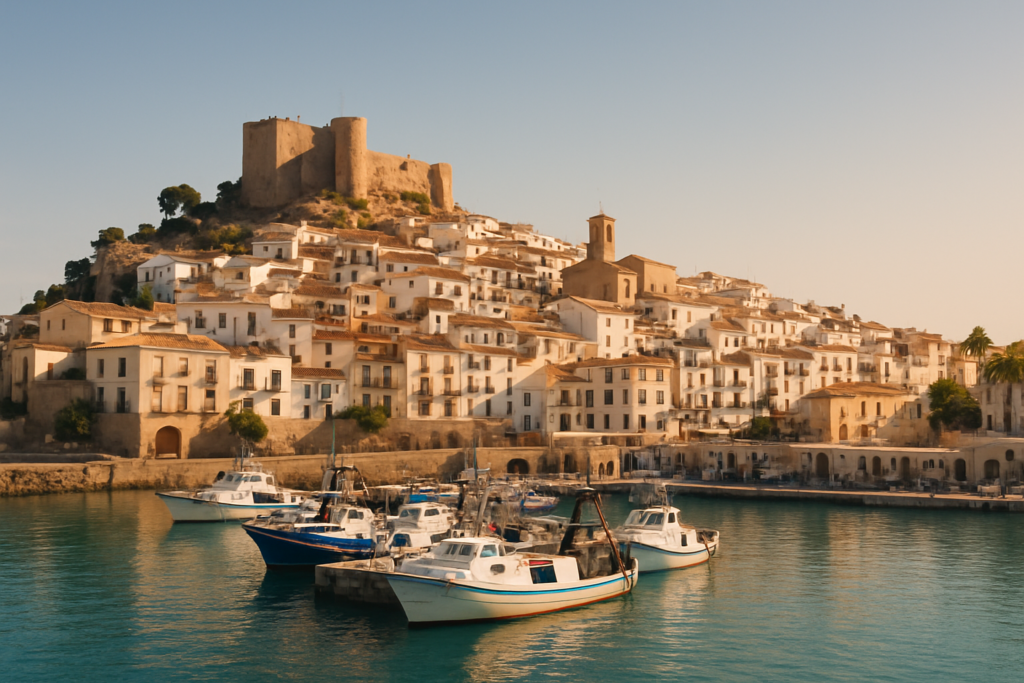
This guide gives a frank, practical view of visiting Dénia. You should come expecting a real place with both strengths and limitations: good for slow days, local food and day-to-day life, less useful if you want an endlessly curated tourist experience. Read on to avoid the common frustrations—overhyped recommendations, timing mistakes and logistics headaches—and to plan a trip that rewards realistic expectations.
Dénia at a glance
- Best for travellers who like a mix of relaxed town life and outdoor time rather than non-stop attractions.
- Bring a light layering system: weather can shift between sunny and breezy in a day.
- Many local businesses have limited opening hours outside high season; check current schedules before you go.
- Walking is usually the most efficient way to explore the central streets; plan for uneven pavements in older quarters.
- If you’re on a tight schedule, build in buffer time—transport and services often run slower than advertised.
Things to do in Dénia
Decide what kind of pace you want. This area rewards unhurried exploration—loose plans, time to sit and watch, and an appetite for local food are how most visitors get the most out of a stay. Expect quieter weekdays and busier periods at peak local demand; aligning your itinerary to quieter times makes a big difference.
There are three broad ways most visitors structure their time: stroll and discover the town streets, spend time outdoors near the shoreline or natural areas, and use a base here to take day trips. Choosing one main focus per day (walk, beach, food-focused day) keeps your trip from feeling rushed.
| Attraction | What it is | Price/entry | Best for |
|---|---|---|---|
| Town centre | Historic streets, shops and cafés | – | Strolling, people-watching |
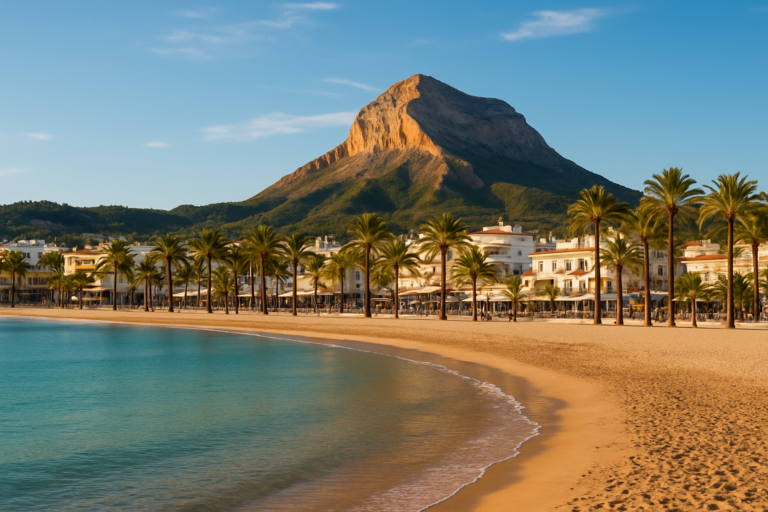
| Coastal walks and shoreline | Beaches, promenades and short outdoor excursions | – | Relaxation, swimming |
| Local food scene | Markets and restaurants focusing on regional ingredients | – | Food-focused visitors |
Explore the streets
One of the main pleasures is wandering. Let a map give you an outline but allow time to deviate. Small retail frontages, neighbourhood cafés and artisan shops often open and close at irregular times; if a place looks worth a second visit, check opening times for another day rather than assuming it will be open later the same afternoon. The town’s urban fabric rewards slow walking—look for details in façades and local signage.
Make the shoreline part of your plan
Allocate at least one flexible day to the coast. The most enjoyable days are often the ones without rigid schedules: arrive, settle for the rhythm of the sand and sea, then leave when you’ve had enough. Pay attention to basic comfort items—sun protection, hydration, a small towel—so you can stay longer without frustration. If you prefer quieter stretches, look for early starts or late afternoons away from main concentrations of people.
Eat with patience and curiosity
Food is a major reason people choose to stay. Let meals stretch into slow afternoons rather than trying to fit multiple top-rated spots into one day. Markets and smaller local places often close between main meal periods—use that downtime to rest or explore a different neighbourhood and return for an evening meal. If you have dietary restrictions, contact venues in advance to avoid disappointment.
Before you plan
Opening hours, seasonal services and event dates change regularly. Confirm current schedules for any museum, attraction, or seasonal transport you plan to use before booking non-refundable travel. This guide flags the need for verification rather than listing specific timetables.
Best beaches in the area
Beaches here vary; some are livelier with more facilities, others quieter and more natural. If your priorities are easy access and a comfortable stay, look for beaches with well-marked access points and nearby services. For solitude, seek smaller coves or less accessible stretches—but be prepared: smaller beaches often have fewer facilities.
| Beach | Character | Facilities/Blue Flag |
|---|---|---|
| Main beaches | Accessible, commonly visited | – |
| Smaller coves | Quieter, more secluded | – |
Dénia with kids
Many families find this area comfortable for children if they plan days around rest and routine. Choose accommodation with easy access to a gentle shoreline and a short walk to food options. Pack entertainment for transit and quieter afternoons; flexible meal times and a base with a small kitchen or easy restaurant access can make family travel less stressful.
How to get to Dénia and get around
Ground transport choices and local connections vary by season and operator. If you rely on public transport, check timetables shortly before travel because frequency and routing can shift. For local movement, walking often covers central areas efficiently; for anything more ambitious, consider local services or taxis, and plan extra time for transfers. If you hire a car, allow time to find parking and to navigate narrower streets in the densest quarters.
Where to stay in Dénia
Choose a base according to your priorities: close to the old town for easy evenings and food; on the waterfront for straight beach access; or a quieter suburban area if you want restful nights. If you need regular access to shops and restaurants, pick a central spot with short walks to services; if days are focused on nature and shoreline time, a seafront location reduces transit time. Consider accommodations with flexible cancellation in case of schedule or service changes.
Best time to visit the area
There’s no single “perfect” window—each season has trade-offs. High-demand periods bring livelier atmospheres and longer opening hours but also higher prices and more crowds. Shoulder seasons often provide a calmer experience but with more limited services. For temperate conditions without extremes, aim for shoulder months, and always verify local events and opening hours in advance.
| Season | Months | What to expect |
|---|---|---|
| High season | – | Livelier atmosphere; more services but also more visitors |
| Shoulder season | – | Quieter visits; some closures possible |
| Low season | – | Calm and local life; limited tourist services |
History of the town
This guide avoids summarising details that require specific dating or claims without up-to-date verification. If historical sites are a priority for your visit, check current opening information and local interpretation panels or guided tours to ensure you get accurate context during your stay.
Practical info
Payment and connectivity: many businesses accept cards but smaller vendors may prefer cash—carry a small amount to avoid awkward situations. Mobile coverage and Wi‑Fi quality differ by location and provider; if connectivity is vital, verify signal and Wi‑Fi availability with your accommodation before booking.
Parking: if you arrive by car, expect that finding a convenient space can take longer than anticipated in denser zones. Allow extra time for drop-offs, and favour accommodations with a parking option if you need a car regularly.
Accessibility: older streets and historic neighbourhoods often include steep or uneven walkways; if mobility is a concern, prioritise newer streets, seafront promenades or accommodation that advertises step-free access. Contact venues ahead to discuss specific needs.
Worth it for: travellers who want a relaxed base with good local food, straightforward coastal days and a town that rewards slow exploration. Less so if: you want nonstop attractions, tightly scheduled sightseeing or a highly curated tourist playground; those expectations often lead to disappointment.
How we assess this guide
This guide compiles practical planning advice and expectation-setting, built from cross-checking service variability, common visitor experiences and seasonal changes. We flag closures and variable opening hours and suggest verifying time-sensitive details directly with providers. This is not a live field report; check official sources for current timetables and bookings.
Nearby on the Costa Blanca
Towns within reach
- Jávea (Xàbia) — Jávea (Xàbia) on the northern Costa Blanca: coves (7 km)
- Moraira — sheltered coves, the marina and castle, sandy beaches (17 km)
- Calpe (Peñón de Ifach) — Calpe on the Costa Blanca is defined by the Peñón de Ifach (22 km)
- Altea — whitewashed old town, the blue-domed church, pebble beaches (30 km)
- La Nucia — a hilltop town in Alicante's Marina Baixa just 8 km inland (32 km)
Things to see close by
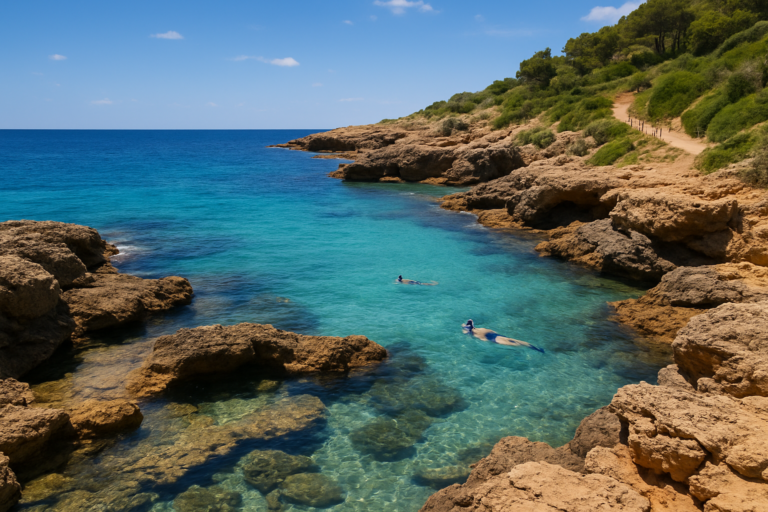
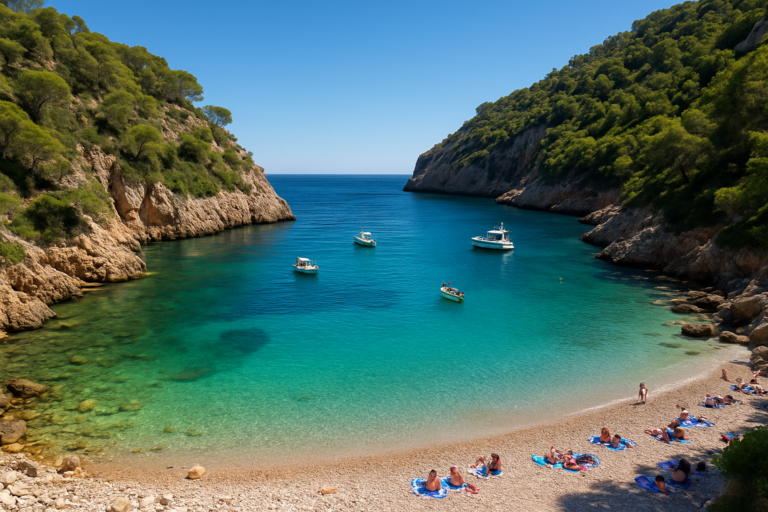
- Cala Les Rotes (Dénia) — A rocky cove and snorkelling spot along Dénia's Les Rotes coast (5 km)
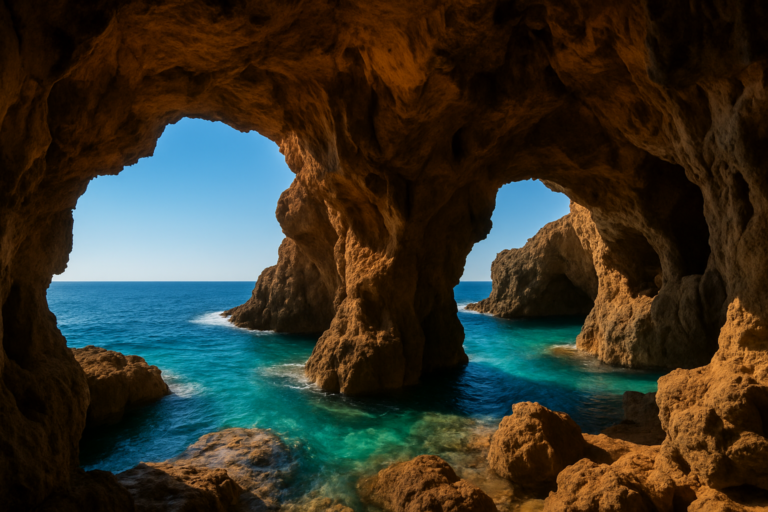
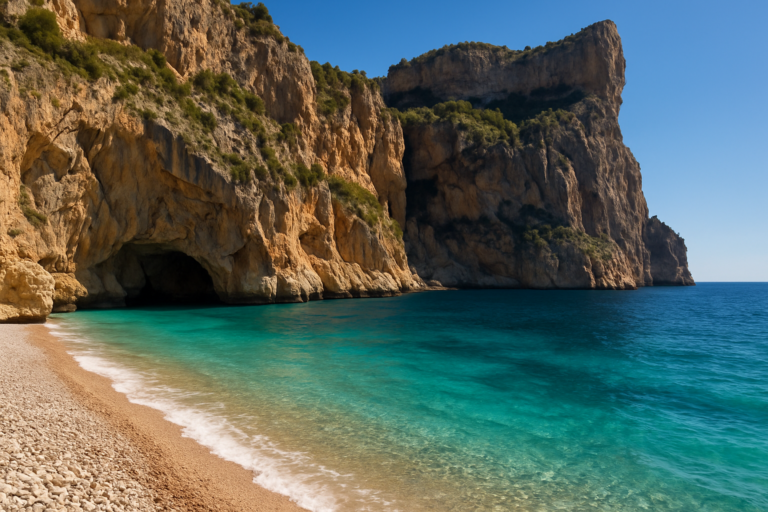
- Cova Tallada (Dénia) — Cova Tallada is a large sea cave between Dénia and Jávea (6 km)
- Jávea (Xàbia) — old town, fishing port (8 km)
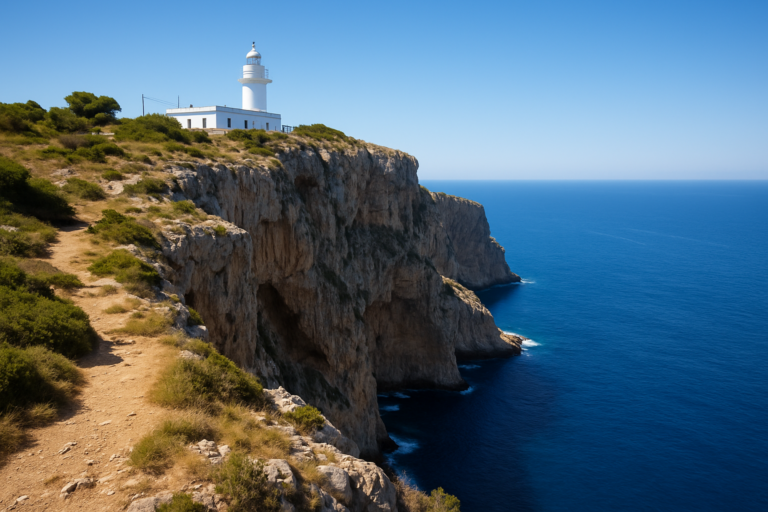
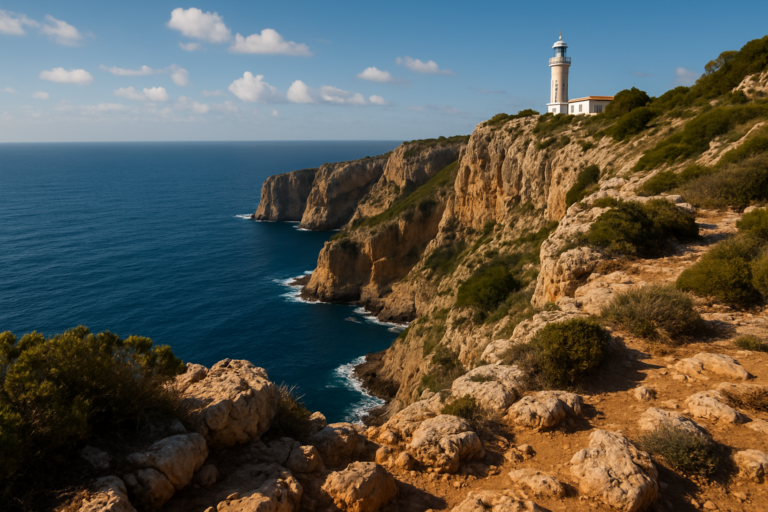
- Cap de Sant Antoni (Jávea) — A clifftop cape and lighthouse between Jávea and Dénia (9 km)
For the wider picture, see the full Costa Blanca guide.
Frequently asked questions
How do I get from the nearest major airport?
Options typically include a mix of public transport and private transfers. Timetables and direct services change by season and operator—check up-to-date schedules before booking and build extra transfer time into your itinerary to account for delays.
Is the town expensive for everyday costs?
Costs depend on where and how you eat, drink and shop. Choosing local markets and neighbourhood cafés usually keeps day-to-day spending moderate; dining at noted restaurants or visiting high-demand tourist venues raises the bill. Look for a mix of options to manage budget expectations.
Which is the best beach to visit?
“Best” depends on your priorities: easy access and facilities, or quieter seclusion. If facilities are important, pick a beach closer to services; if solitude matters, seek smaller coves and be prepared for fewer amenities. Check current access and services before you set out.
How many days do I need?
For a relaxed taste of the town and a couple of shoreline days, plan a few days. If you intend to use this as a base for longer day trips or a deeper food-focused itinerary, extend your stay. Avoid cramming too many activities into a short period; the place rewards unhurried pacing.
Is this a good place for families?
Many families enjoy visits if they choose accommodation and days that match children’s rhythms. Look for places with straightforward access to gentle shoreline areas and food options within a short walk. Pack familiar comforts for transit and quieter afternoons.
Can I get around without a car?
Yes—central areas are often walkable and short local hops are typical—but if your plans include distant natural areas or frequent day trips, a car gives more flexibility. Verify public transport schedules in advance for longer excursions.
Are parking spaces easy to find?
Expect variable availability. In denser neighbourhoods it can take extra time to park; if a car is important to your plans, book accommodation that includes parking or prioritise properties that advertise dedicated parking.
What are good rainy-day options?
Rain can shorten outdoor plans. On wet days, focus on slower indoor activities such as markets, cafés and any covered cultural spots that are open—confirm hours ahead of time. Also allow a flexible schedule so you can swap a wet-day for a clearer day later.
When is the best time to visit for fewer crowds?
Shoulder periods typically offer fewer crowds with many services still operating. However, some seasonal services scale back outside peak times, so weigh the trade-off between crowds and the availability of specific attractions or restaurants.
Are there any local customs I should know?
Respect local timetables for meals and shop opening times; many small businesses operate on schedules that differ from tourist expectations. That said, simple politeness and patience go a long way in smoothing interactions with staff and vendors.
Is tipping expected?
Tipping practices vary by venue and service type. Small gestures of appreciation are usually welcome, but confirm local norms if tipping culture is important to your travel style.
How safe is the area for solo travellers?
Use ordinary travel caution: be aware of your surroundings, secure valuables and avoid poorly lit, unfamiliar streets at night. If you plan late-night outings, arrange reliable transport back to your accommodation ahead of time.
Can I find vegetarian or special-diet options?
Many places offer plant-based or adaptable dishes, but availability varies. If you have strict dietary needs, contact restaurants in advance to confirm options, or choose lodging with cooking facilities to ensure easier meal control.
Will I need to prebook restaurants or activities?
Popular tables and in-demand activities can fill quickly in busier periods. Prebooking reduces the risk of disappointment, especially for evening dining or any guided experiences you value.
Where can I get reliable travel information locally?
Tourist information points, your accommodation host and official transport websites are the most reliable sources for up-to-date schedules and closures. Check these sources shortly before travel for the latest information.
Plan the wider trip
Dénia on the map
Places worth knowing near Dénia
How this page is maintained. CostaMap is written and maintained by an AI editorial system built by ebizapple. Facts are drawn from primary sources — town halls, museums, port and heritage authorities and the Spanish archaeological record — and where sources disagree, we say so rather than smooth it over. Photographs marked as ours are taken on location. This page was last reviewed on 11 August 2026. Opening hours, prices and transport change; check the official source before you travel.