
The Peñón de Ifach is Calpe’s sharp limestone sentinel: photogenic, ecologically valuable and surprisingly small as a protected area. Expect a short but technical hike rather than a relaxed promenade — access is strictly limited, the upper half is exposed and slippery, and sensible planning (advance booking, good shoes, water) is essential to avoid disappointment.
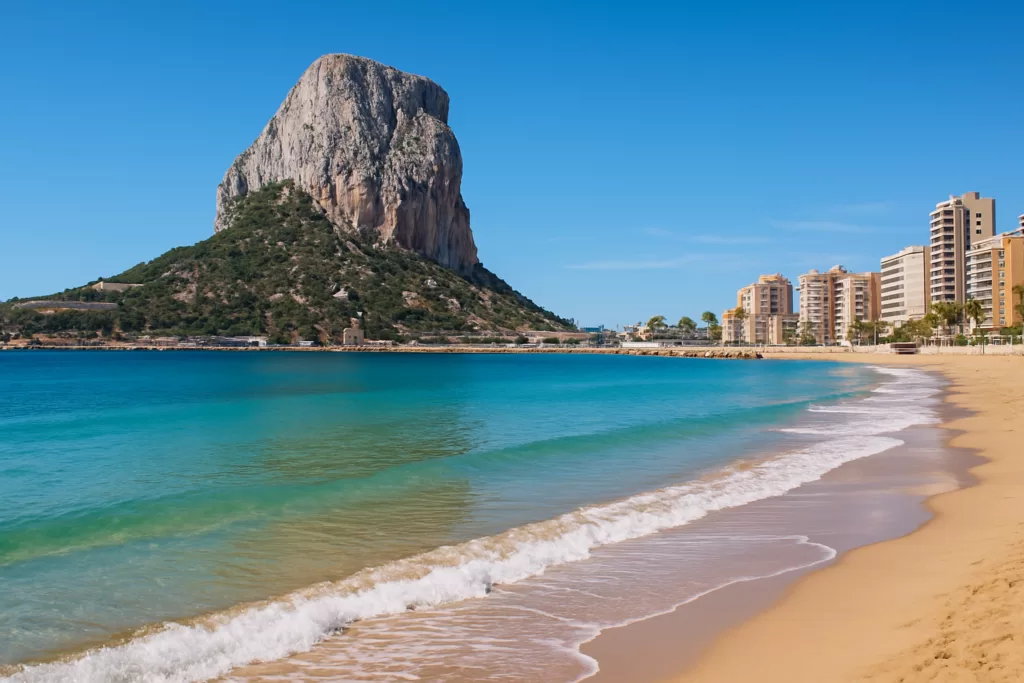
Quick facts
- Height: 332 metres; joined to the coast by a narrow isthmus.
- Protected: declared a Natural Park in January 1987; area roughly 45 hectares.
- Trail: Ruta Roja (Red Route) — about 4.6–5 km round trip, moderate difficulty.
- Access control: daily cap of 300 visitors; free advance reservation required via Generalitat Valenciana.
- Practical: no water fountains on the route; post-tunnel section prohibited for under-18s.
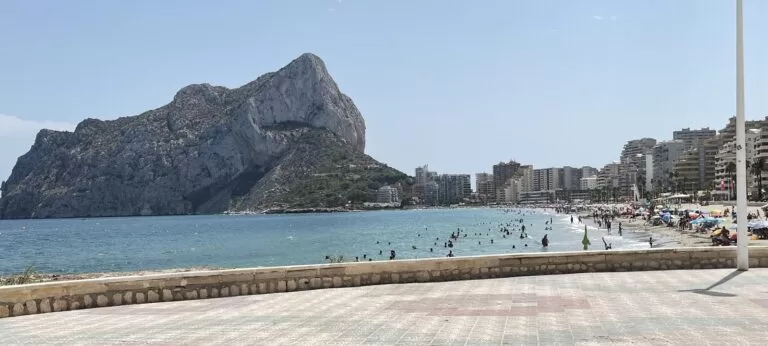
What first-timers often don’t expect
- Strict limits and reservations: access is capped at 300 people per day and you must book a free slot individually through the Generalitat Valenciana — don’t rely on turning up and buying a ticket.
- Two distinct halves: the first 20–30 minutes from the visitor centre is family-manageable up to the 1918 tunnel; beyond that the route becomes a steep, exposed scramble on polished rock with fixed ropes.
- Basic supplies and footwear matter: there are no water fountains on the Ruta Roja and the rock is slippery, so carry at least 1 litre per person and wear proper mountain shoes; avoid the climb in rain or wind.
The route and what to expect on the path
The ascent follows the Ruta Roja, a roughly 4.6–5 km round trip on a single path. From the visitor centre the early section is easy and takes about 20–30 minutes, suitable for families. After the tunnel carved in 1918 the character changes: the path narrows, becomes steep and smooth, and uses a fixed rope in places. The post-tunnel section is not advised for under-18s and is slippery when wet — treat it like a short mountain scramble rather than a simple walk.
Wildlife, plants and protected status
Peñón de Ifach was declared a Natural Park in January 1987 and, at roughly 45 hectares, is one of Europe’s smallest natural parks. The rock is a nesting site for yellow-legged gulls and supports the rare endemic plant Silene d’Ifach, which grows in cliff fissures. Respect nesting areas and stay on the marked path to protect fragile habitats.
Practicalities: booking, timing and logistics
Reserve your climbing slot via the Generalitat Valenciana portal — reservations are individual (one per person) and can be made up to a month in advance. Slots fill quickly on weekends and in high season; plan ahead. There are no water fountains on the route, so carry at least one litre per person. Parking near the Peñón and main beaches is difficult in high season and paid ORA zones operate; arriving before 10:00 helps. For cooler conditions and to avoid heat, an early-morning start in summer is recommended.
🧭 Local tip
Cala El Raco and Puerto Blanco cove at the base of the Peñón have good snorkelling: a buoyed underwater trail at Cala El Raco and sheltered shallow water at Puerto Blanco. Wear water shoes to protect against sea urchins and use a marker buoy in summer because of boat traffic. Best season for snorkelling is May–October.
Visitor reality check
- Don’t expect an all-day hike — the path is short but technical; the summit section is exposed and requires care.
- Free booking is required; never pay a third party for the reservation — the Generalitat’s system is the official channel.
- Facilities are limited on the route: bring water, sun protection and sturdy footwear; post-tunnel access rules apply for under-18s.
- If you want calmer seaside activities, try the Roman-era rock pools at Baños de la Reina (free access) or the Las Salinas lagoon for birdwatching.
Worth it… if you accept that this is a short, controlled mountain experience with real exposure and conservation rules. It’s not a casual stroll or an uncrowded wilderness — it’s a scenic, ecological landmark that rewards careful planning and respect for limits.
How we assess this guide
This guide is compiled from cross-checked public information and official sources. We include only verifiable facts (booking rules, trail length and difficulty, protected status, species and local facilities) and omit unverified claims. We do not rely on single unconfirmed reports or third-party paid listings for factual statements.
Penon de Ifach climbing guide
| Feature | Detail |
|---|---|
| Height | 332 metres |
| Protected status | Natural Park since January 1987, ~45 hectares |
| Trail | Ruta Roja (Red Route), 4.6–5 km round trip |
| Daily cap | 300 visitors, free advance booking required |
| Difficulty | Easy to the 1918 tunnel; steep, exposed scramble beyond |
| Age restriction | Under-18s prohibited past the tunnel |
Why the Peñón de Ifach is protected
The rock’s isolation from the surrounding coastline has let plant and animal life develop that is genuinely rare elsewhere on the Costa Blanca, which is why it was declared a Natural Park back in 1987 despite its small size. Botanists have recorded endemic plant species found almost nowhere else in the region, while the cliffs host nesting seabirds including Eleonora’s falcon, a species that times its breeding season around the autumn migration of smaller birds it hunts. The marine reserve extending from the rock’s base into the surrounding water protects a similarly rich underwater habitat, making the Peñón as significant below the waterline as it is above it — a detail most visitors focused on the summit view never learn.
The 1918 tunnel
Cut through the rock in 1918, the short tunnel roughly halfway up the route marks the clear dividing line between the easy lower section and the demanding climb above. Below it, the path is wide, well-maintained and manageable for most reasonably fit visitors, including families with older children; above it, hikers emerge onto exposed rock faces with fixed ropes and chains for the steepest sections, and the character of the walk changes completely. Many visitors treat the tunnel itself as a natural turnaround point, content with the views already gained without tackling the scramble beyond — a perfectly reasonable choice given how different, and how much more serious, the upper half genuinely is.
Booking your slot
Reservations are free but mandatory, released through the Generalitat Valenciana’s booking system, and the 300-person daily cap means popular summer dates can fill up well in advance. Book as early as your travel dates allow, particularly for weekends and the peak July–August season, and have a backup day in mind if your first-choice slot is unavailable. Arrive at the visitor centre with time to spare before your booked slot, since latecomers risk losing their place, and bring photo ID matching the name used for the reservation, which is checked at the entrance.
Views from the summit
On a clear day, the payoff for the scramble is a genuinely sweeping panorama: the Costa Blanca stretching north and south along the coastline, Calpe’s salt lagoons visible below, and on the clearest days, silhouettes of the Balearic Islands far out across the water. It is a view earned rather than given, which is part of why the rock has such a devoted following among Costa Blanca hikers despite — or because of — its short, demanding final stretch. Photographers favour early morning slots for the clearest air and softest light, though the trade-off is a longer wait if the day’s booking allocation fills the earliest available times first.
FAQ
Do I need to book in advance?
Yes. Access is capped at 300 visitors per day and a free advance reservation through the Generalitat Valenciana portal is required. Reservations are individual and can be made up to a month ahead.
How hard is the climb?
The Ruta Roja is rated moderate overall (about 4.6–5 km round trip). The first section to the 1918 tunnel is easy; beyond the tunnel the trail becomes steep, exposed and slippery, requiring a scramble and fixed ropes.
Can children go to the summit?
Beyond the tunnel the route is prohibited for under-18s. The initial part up to the tunnel is family-manageable, but the upper section is not advised for young children.
Are there facilities on the trail?
No. There are no water fountains on the Ruta Roja, so bring at least one litre of water per person. Wear proper mountain footwear and avoid the climb in rain or strong wind.
Nearby around Calpe
Nearby on the Costa Blanca
Read next
This place sits on the Costa Blanca. Read the full Costa Blanca guide → or open the interactive map to see everything we have mapped nearby.
How this page is maintained. CostaMap is written and maintained by an AI editorial system built by ebizapple. Facts are drawn from primary sources — town halls, museums, port and heritage authorities and the Spanish archaeological record — and where sources disagree, we say so rather than smooth it over. Photographs marked as ours are taken on location. This page was last reviewed on 14 August 2026. Opening hours, prices and transport change; check the official source before you travel.