
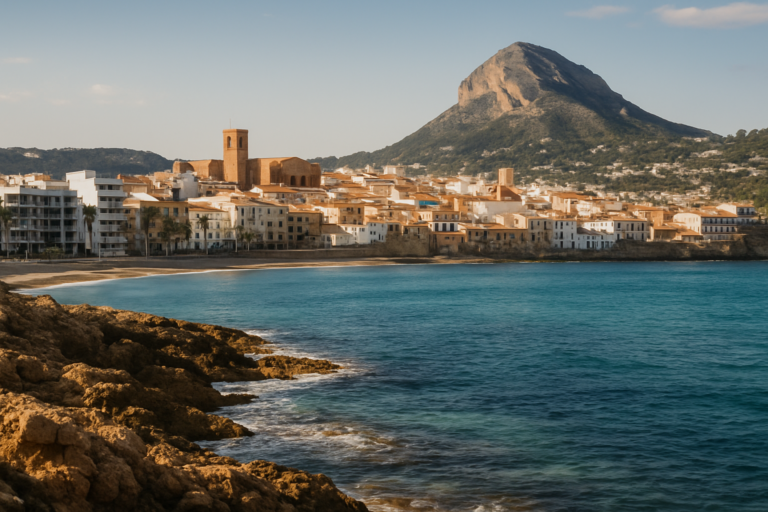
Plan for a handsome, relaxed Mediterranean town whose principal pleasures are atmosphere, views and good water — not long stretches of soft sand. If you arrive expecting a buzzing resort like nearby Benidorm you’ll be disappointed; if you want a photogenic, whitewashed old town, clear swimming and a quieter, more cultured pace, you’re in the right place.
Altea at a glance
- Small coastal municipality on the Costa Blanca, between Benidorm and Calpe (roughly 10 km from each).
- Population around 24,592 (January 2025); the town swells substantially in summer.
- Two distinct centres: the seafront old town and Altea la Vella about 1 km inland.
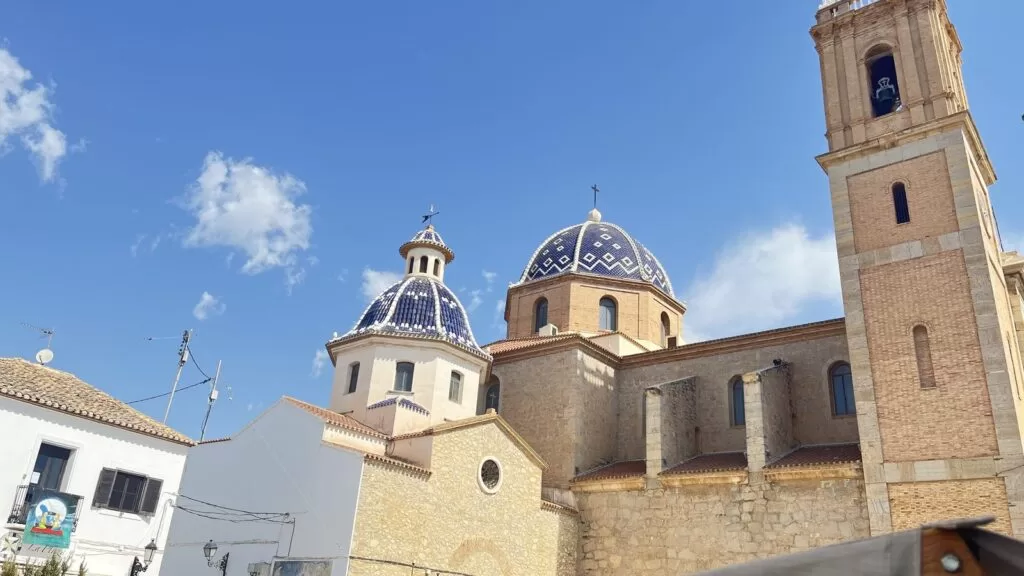
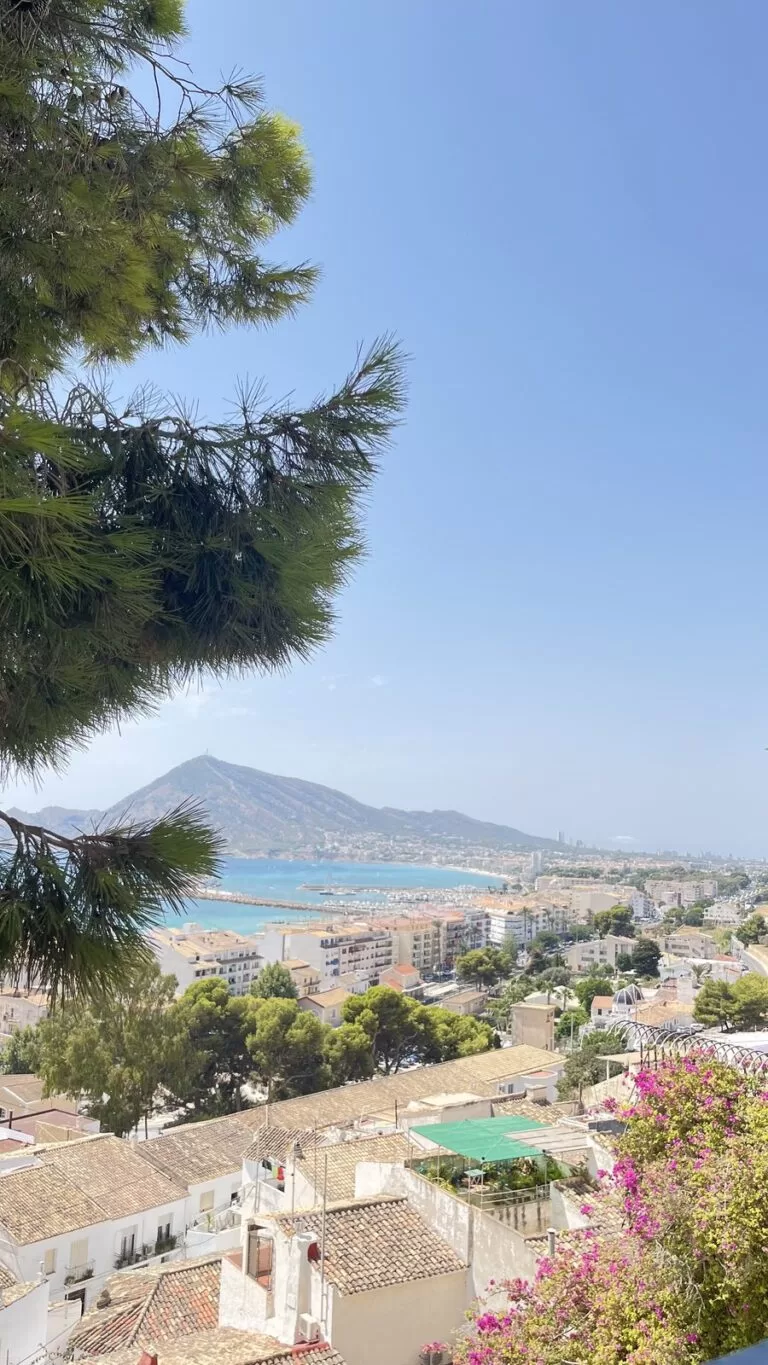
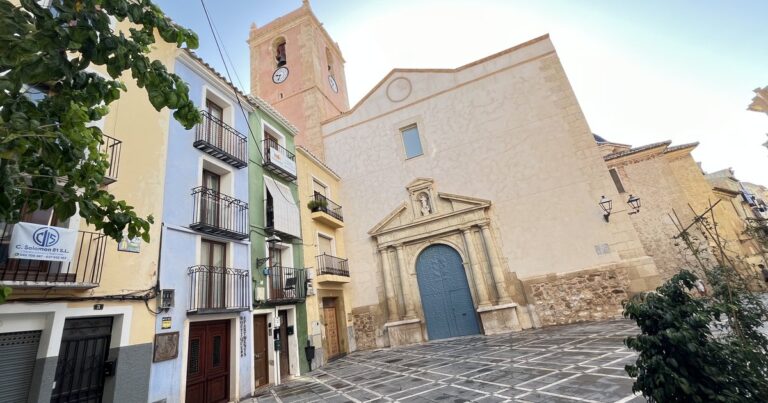
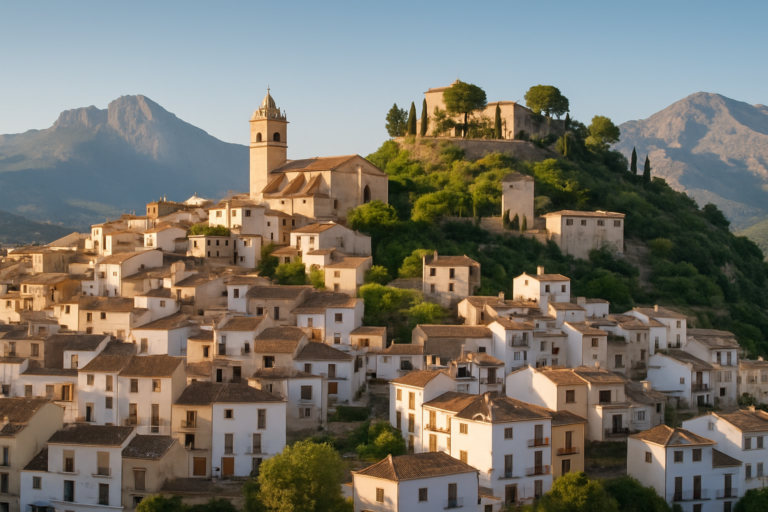
- Old town: steep, cobbled lanes, whitewashed houses and the twin blue-and-white domes of the Iglesia de Nuestra Señora del Consuelo (entry free during opening hours).
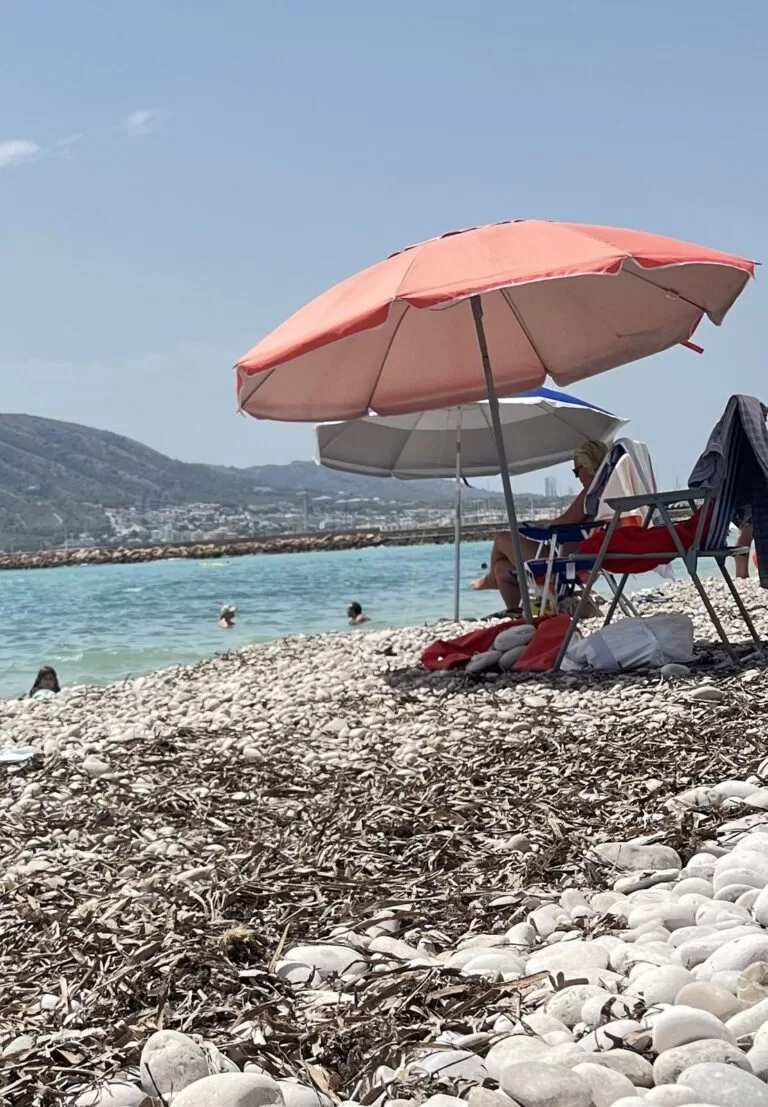
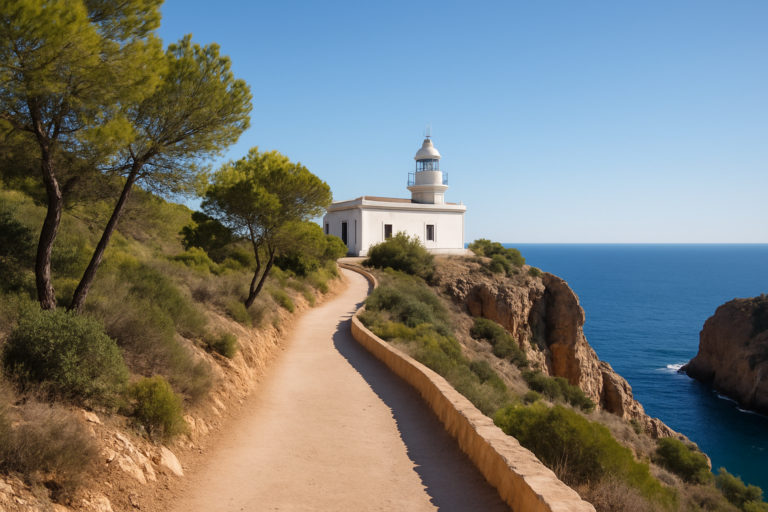
- Coastline of mostly pebble and shingle beaches and small coves (e.g., La Roda, Cap Negret) — clear water, but bring swim shoes.
- Bohemian arts scene with galleries, craft shops and the Palau Altea cultural centre.
Things to do in Altea
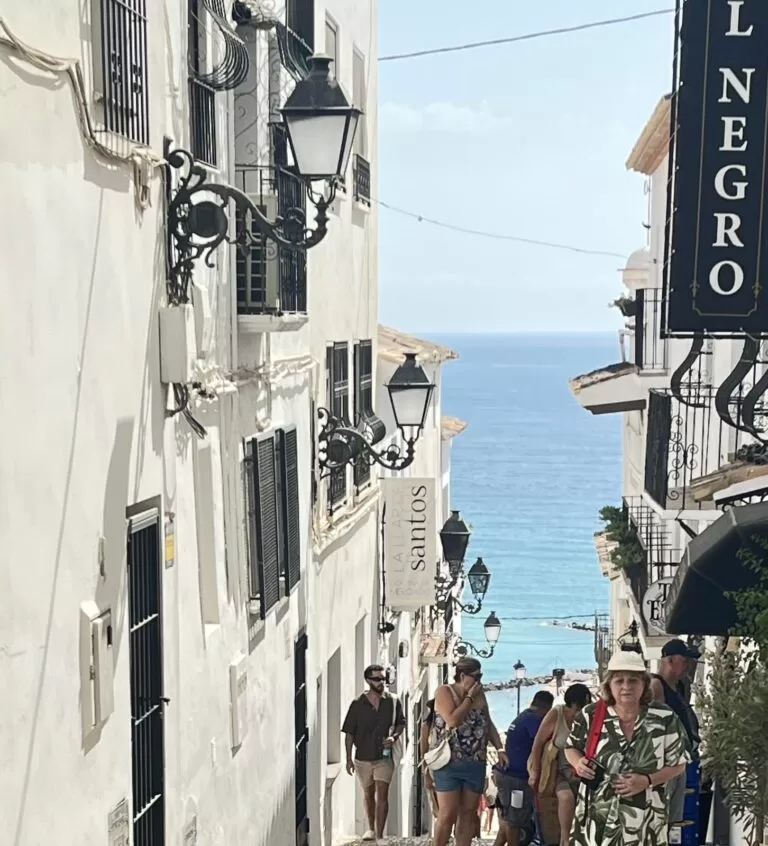
Most visitors come for the hilltop old town, the domed church and the calm pebble coves along the seafront. Wandering is the main activity: follow the narrow streets up to viewpoints, browse galleries, then descend to the promenade for a blue-water swim.
Old town & architecture
Altea Old Town
Whitewashed hillside lanes, flowered balconies and the twin-domed church — the full visitor guide.
Portal Vell & Portal Nou
Two surviving gates from the original walled town, dating to the 17th and 18th centuries.
Viewpoints
Mirador dels Cronistes
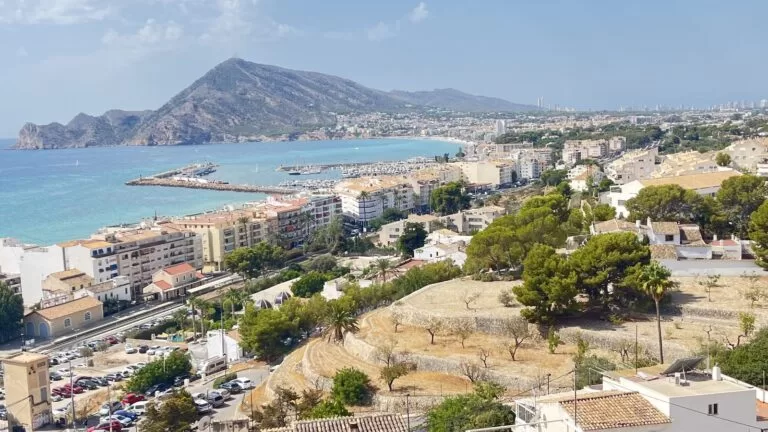
A panoramic viewpoint over the bay, one of the best spots for a coast panorama in the hour before dusk.
Russian Orthodox Church
North of town, a timber church built with imported Urals wood — the first of its kind in Spain.
Beaches & coves
La Roda
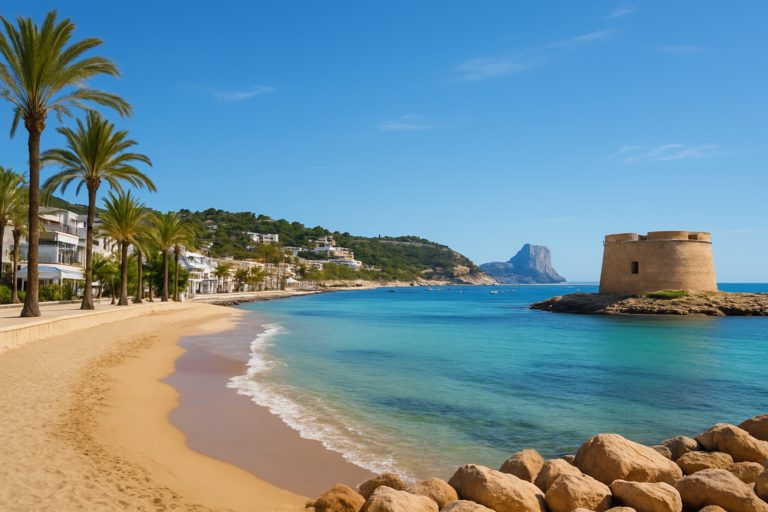
Clear water and calm swimming, typical of Altea’s pebble-and-shingle coastline.
Cap Negret
A rockier stretch good for snorkelling, part of the same clear-water coastline as La Roda.
Art, culture & the marina
Palau Altea
Hosts music, exhibitions and events — performers of the calibre of Rostropovich and Montserrat Caballé have played its intimate stage.
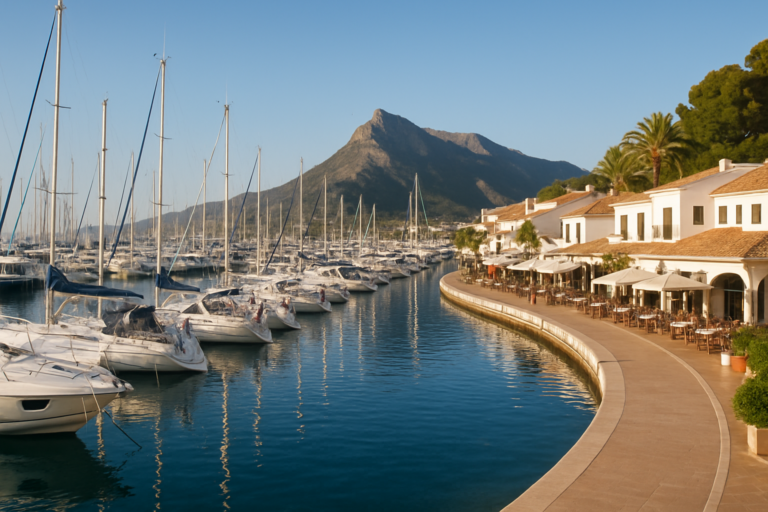
Marina Greenwich
A contrast in scale to the old fishing port, Altea’s modern marina for yachts and sailing boats.
Best beaches in Altea
There are no broad sand spits here; instead you’ll find smaller pebble beaches and rocky coves. That keeps the water clear and the atmosphere calmer than nearby sandy resorts — a trade-off of comfort underfoot for swim quality and tranquillity.
| Beach | Character | Facilities / notes |
|---|---|---|
| La Roda | Pebble cove with clear water, calm swimming | — |
| Cap Negret | Rocky shoreline and small shingle stretches, good for snorkelling | — |
| Seafront promenade beaches | Small pebbly strips lined by the promenade; pleasant for a quick dip | — |
Altea with kids
The town can work well for families who prefer relaxed days over theme-park intensity. Pebble beaches are safer in terms of fewer waves and clearer water — but bring swim shoes and be prepared for rocky entries. Short walks in the old town, easy viewpoint visits and a promenade with family-friendly cafés make for gentle days. Very young children might find the cobbles and steep lanes tiring, so plan shorter legs and breaks on shaded benches or along the seafront.
How to get to Altea and get around
Here sits on the Costa Blanca between two larger resorts, making it straightforward to reach by road from the nearby towns of Benidorm and Calpe. The town’s compact geography means most visitors find it easiest to explore on foot: the old town’s lanes are too narrow for regular driving and the seafront is walkable from one end to the other. For trips out of town, local roads connect to neighbouring resorts and coastal drives.
Where to stay in Altea
Choose accommodation according to priorities:
- Seafront / promenade — Best if you want easy water access, evening cafés and a walkable coast. Expect a livelier evening scene during summer.
- Old town (Casco Antiguo) — Ideal for atmosphere, photography and proximity to the church and viewpoints; stairs and steep lanes are the trade-off.
- Altea la Vella (inland) — A quieter, more residential option about 1 km inland; convenient if you prefer lower noise and slightly more space.
- Altea Hills / north side — Near the timber Russian Orthodox church and estates; suits visitors seeking a quieter base and architectural curiosities.
Best time to visit Altea
Summer months bring the liveliest evenings along the promenade and the highest tourist numbers. If you prefer quieter streets and comfortable wandering temperatures, shoulder seasons are preferable. One town-specific rhythm to note: the Plaza de la Iglesia and Mirador dels Cronistes are especially attractive at sunset, roughly early evening in summer when the domes glow gold.
History of Altea
Altea’s name is thought to come from the Greek “Althaea,” meaning “to heal” — fitting for a town that has spent centuries as a refuge, first for Iberian and Greek settlers, later for Moorish inhabitants who fortified the hilltop, and eventually for Christian conquerors who rebuilt it after the al-Azraq rebellion destroyed the original settlement in the 13th century. King Peter III granted the town charter in 1279, and a double defensive wall went up in the 1600s against pirate raids; two of the original gates survive today, Portal Vell (Puerta de Valencia, 17th century) and Portal Nou (Puerta del Mar, 18th century).
The real turning point came in the mid-20th century. While neighbouring Benidorm, a short TRAM ride south, chose vertical mass tourism under mayor Pedro Zaragoza, Altea’s own municipality made the opposite call — protect the architectural heritage, limit high-rise development, and let the old town’s character stand. That decision, combined with the Mediterranean light that painters had already started noticing, turned Altea into a genuine artists’ colony from the 1950s onward. Vicente Blasco Ibáñez, Benjamín Palencia and Toni Miró were all associated with the town; German artist Eberhard Schlotter, one of the most significant names linked to Altea, was born here. By the 1960s and 70s the old town had become a genuine bohemian enclave, with abandoned houses converted into studios and galleries rather than holiday apartments — a legacy still visible today in the density of small galleries and craft workshops tucked into the old streets, and reinforced by the Faculty of Fine Arts of the Miguel Hernández University, which still draws students to the town.
Practical info
- Beach footwear: The shoreline is predominantly pebble and shingle — ranges from fine gravel to stones the size of tennis balls — so swim shoes are strongly recommended for comfort and safety.
- Church access: The Iglesia de Nuestra Señora del Consuelo allows free entry during opening hours, making a brief interior visit easy to combine with sightseeing.
- Evening atmosphere: The seafront promenade and old-town squares become lively in the evening, especially through summer; cafés and restaurants are the main social hubs.
- Two centres: Remember there are two distinct nuclei — the seafront old town and Altea la Vella around 1 km inland — which affects where you stay and how you plan walking routes.
- Coast type: The coast’s pebble beaches and small coves produce clearer water and a calmer feel than nearby sandy resorts, but beach comfort differs accordingly.
Worth it for: travellers who prefer photogenic old towns, clear-water swimming and a calmer, arts-oriented seaside town rather than a large sandy-resort spectacle. Less so if: you want miles of soft sand, nonstop nightlife or the theme-park energy found in neighbouring resorts.
How we assess this guide
This guide is compiled from verified municipal and regional sources and cross-checked references. We flag concrete statuses such as opening and cultural identity and do not speculate about hours, prices or services not documented in the source set. We aim to set realistic expectations so you can plan without surprises; this is an editorial synthesis, not first-hand field reporting.
Frequently asked questions
How do I get from neighbouring resorts?
The town lies roughly 10 km from both Benidorm and Calpe, making it an easy drive or short regional-bus trip along the coast. Once here, the compact layout makes walking the simplest way to move between the old town and seafront.
Is Altea expensive?
On a regional scale the town has a quieter, more upmarket feel than nearby Benidorm. That reflects the ambience rather than a strict price index; expect a mix of local cafés and slightly more refined dining and boutique shopping compared with large mass-tourism resorts.
Which beach is best for swimming?
Small coves such as La Roda and Cap Negret are prized for clearer, calmer water. The shoreline is predominantly pebble, so the priority is water quality rather than soft sand.
How many days should I spend here?
A short stay of two to three days covers the old town, viewpoint visits, some gallery browsing and a couple of beach or swim sessions. Add more days if you prefer a slow pace or plan excursions along the coast.
Is the old town suitable for children?
The narrow, cobbled lanes and hills are charming but can be tiring for very young children. Short walks with breaks and an itinerary that mixes beach time with short sightseeing legs works best for families.
Can I get around without a car?
Yes. The town’s principal sights — old town, church, promenade and many beaches — are within walking distance of each other. For travel beyond the local area, regional buses and roads connect to neighbouring towns.
Are the beaches accessible for people with limited mobility?
The pebble nature of the beaches and the old town’s steep cobbled lanes can present challenges. Visitors with mobility concerns should focus on the flatter seafront promenade areas rather than the hillside core.
What are good rainy-day options?
Indoor cultural options include checking listings at the Palau Altea cultural centre for concerts or exhibitions and browsing galleries and craft shops in the town. The old town’s cafés also offer sheltered, atmospheric spaces to pass time when the weather turns.
When is sunset best at the church and viewpoint?
The Plaza de la Iglesia and Mirador dels Cronistes are especially striking in the hour before dusk. In summer evenings the domes pick up warm light and the squares become vibrant, making early evening a top time for visits.
Are there notable churches or religious sites nearby?
Aside from the hilltop Iglesia de Nuestra Señora del Consuelo with its tiled domes, just north of town at the foot of the Altea Hills estate stands the first Russian Orthodox church built in Spain, constructed using timber imported from the Urals — an uncommon architectural curiosity in the region.
Is the town good for photography?
Yes. The whitewashed old town, flower-filled balconies, narrow lanes and the blue-and-white church domes provide classic Mediterranean compositions. Sunrise and the hour before sunset are typically best for light.
How busy does the town get in summer?
The resident population (around 24,592 as of January 2025) increases substantially in the holiday season; expect the seafront and popular squares to be markedly busier in summer evenings than in quieter months.
Are there historical ruins or remnants to see?
Two gates from the former walled town survive: Portal Vell (Puerta de Valencia, 17th century) and Portal Nou (Puerta del Mar, 18th century). These are concise reminders of the town’s fortified past and are easy to include in a walking route.
Is it easy to combine a visit with other Costa Blanca towns?
Yes — the town’s coastal position between larger resorts makes it a convenient stop on a wider Costa Blanca itinerary. Its quieter pace contrasts well with the busier neighbouring towns, making it a useful cultural and scenic counterpoint on a multi-stop trip.
Plan the wider trip
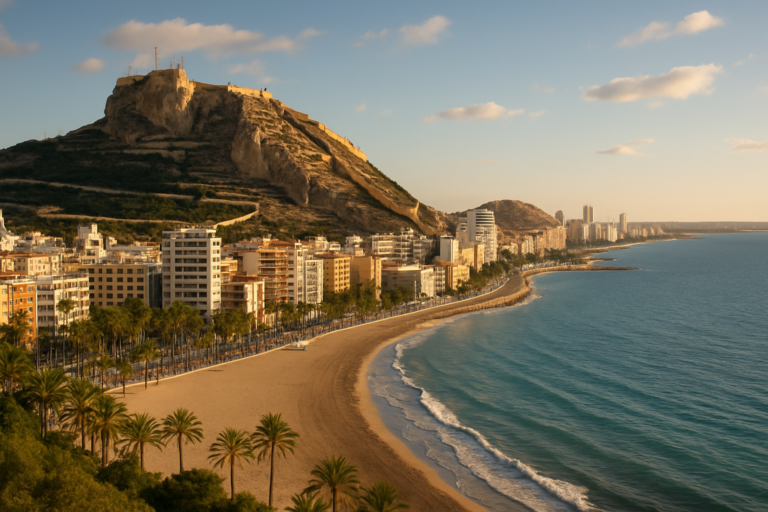
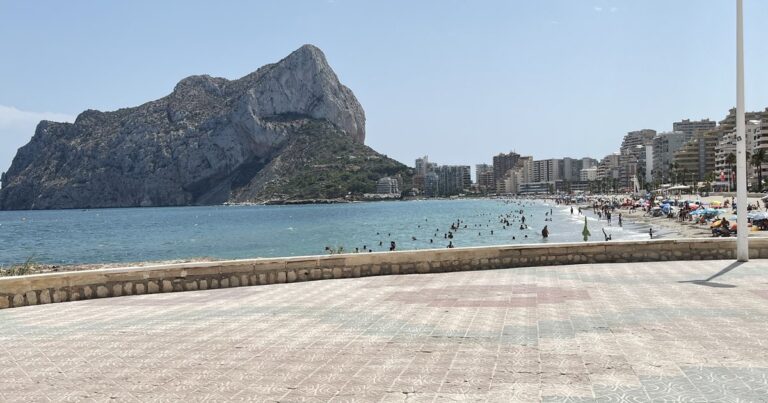
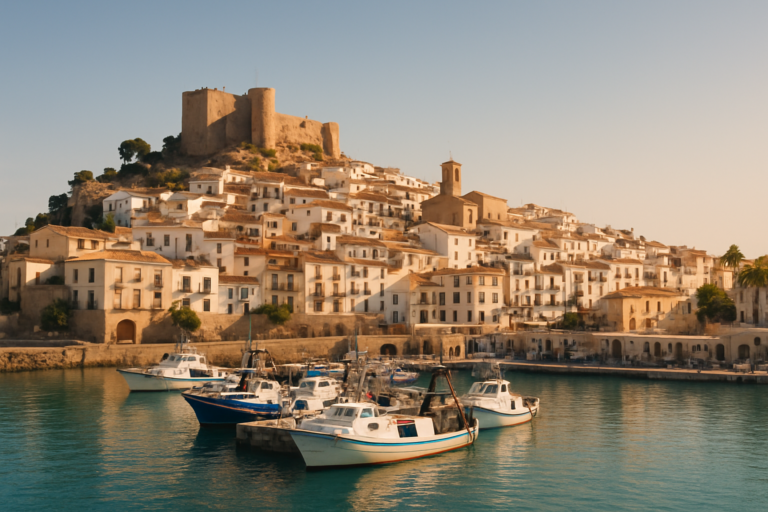
Nearby on the Costa Blanca
Altea on the map
Places worth knowing near Altea
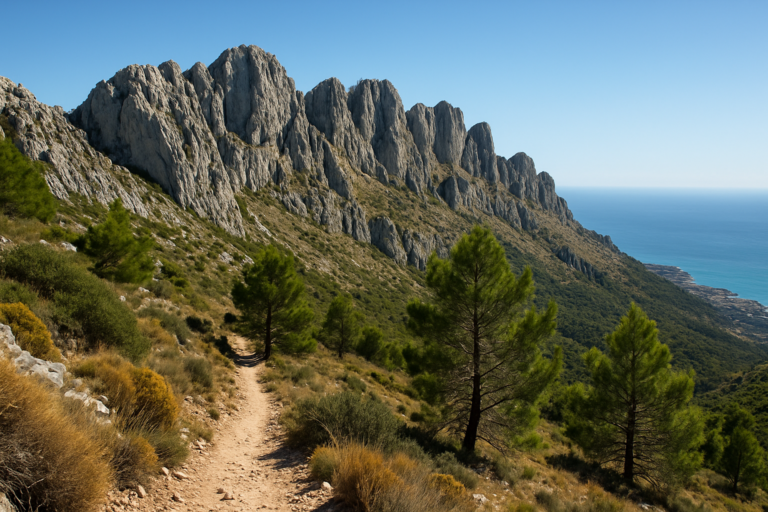
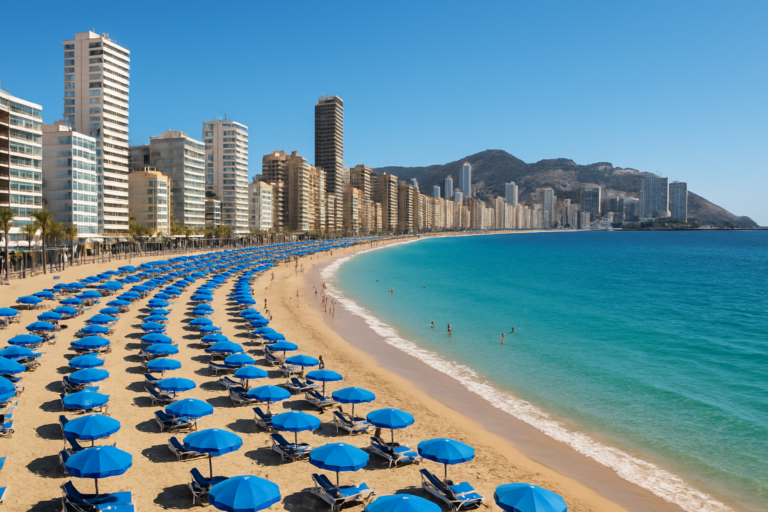
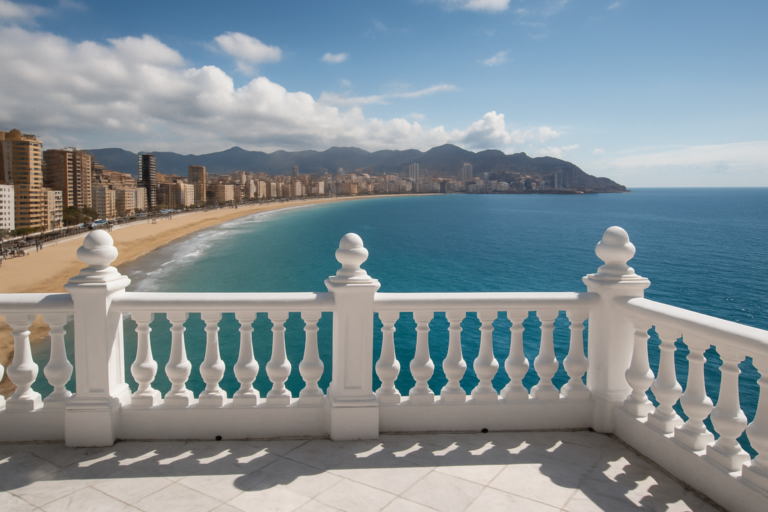
This place is part of our Costa Blanca Guide: Benidorm, Calpe, Altea and the Best of Alicante — see every town, beach and cove we have mapped on that coast.
How this page is maintained. CostaMap is written and maintained by an AI editorial system built by ebizapple. Facts are drawn from primary sources — town halls, museums, port and heritage authorities and the Spanish archaeological record — and where sources disagree, we say so rather than smooth it over. Photographs marked as ours are taken on location. This page was last reviewed on 10 August 2026. Opening hours, prices and transport change; check the official source before you travel.