
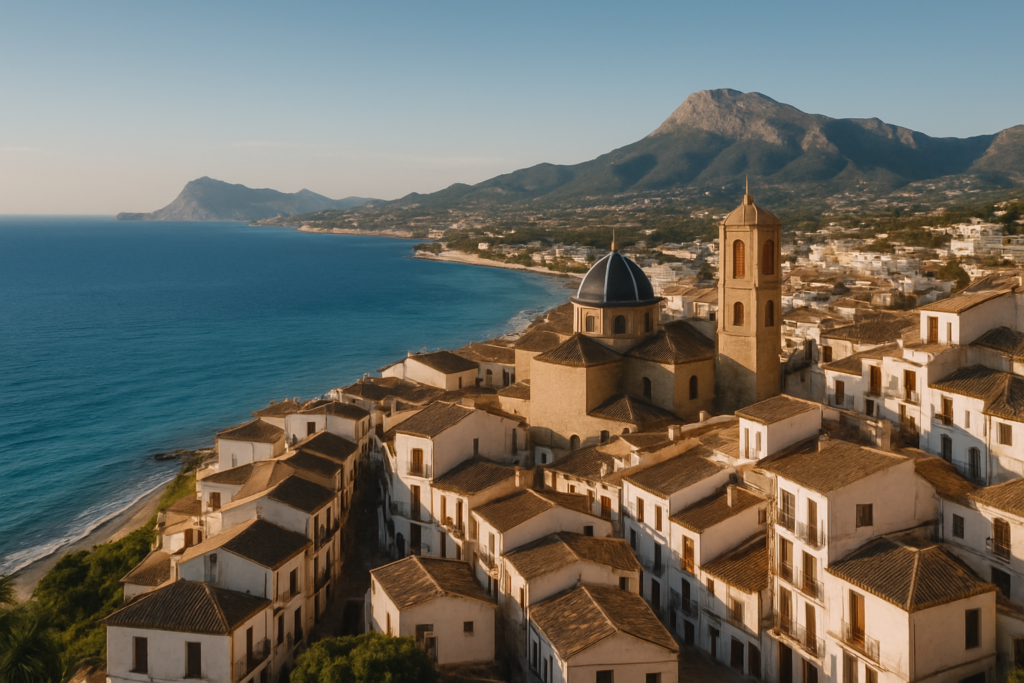
Expect a compact coastal town that feels more like a calm, lived-in seaside community than a nonstop holiday resort. L’Alfàs del Pi’s appeal is simple: a palm-lined promenade, a Blue Flag pebble beach, an easy lighthouse walk with big sea views and a surprising cultural mix driven by a large international resident population. This guide focuses on what really matters for a visitor—how to get around, what to see, where to stay and the realistic experience you should expect when you arrive.
L’Alfàs del Pi at a glance
- Coastal district El Albir has a Blue Flag pebble beach and a palm-lined promenade.
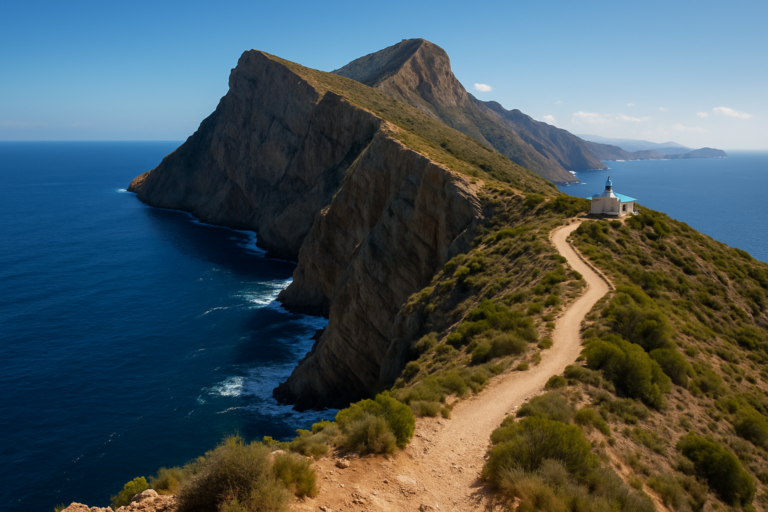
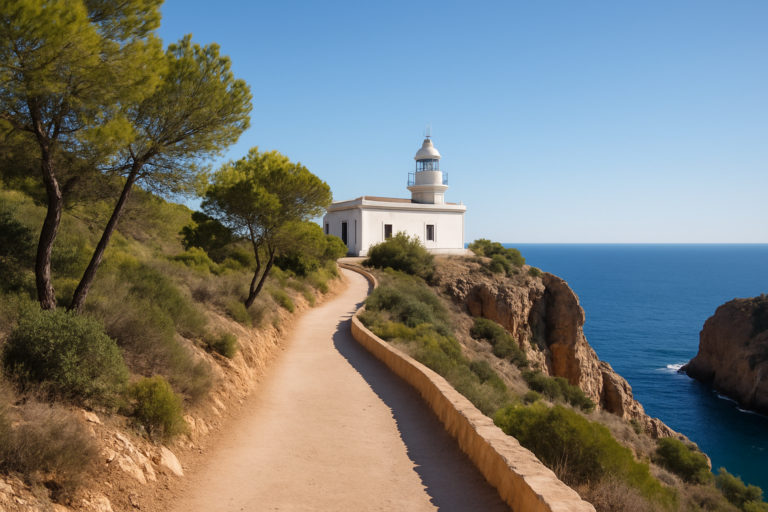
- Faro del Albir (Albir lighthouse) sits at the end of a scenic walking path inside Serra Gelada Natural Park.
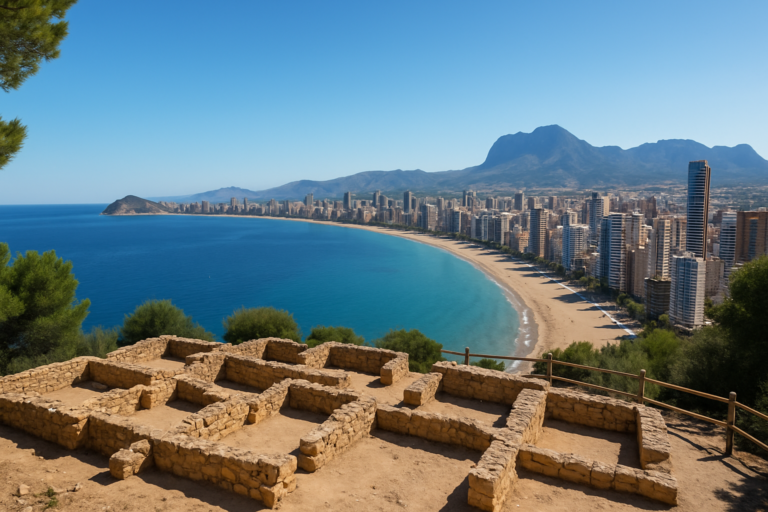
- Villa Romana de l’Albir preserves Roman remains, including thermal baths, near the beach.
- About 10 km from Benidorm and roughly 45 km from Alicante airport via the AP-7/N-332.
- Large international community, notably many Norwegian and Scandinavian residents—expect multilingual cafés and services.
- Annual Festival de Cine de l’Alfàs del Pi awards the Faro de Plata.
- Mild Costa Blanca climate makes the town popular year-round.
Things to do in L’Alfàs del Pi
The town stacks a few compact, reliable attractions within easy reach: coastal trails and sea panoramas, a small archaeological site near the beach and a pleasantly busy promenade for cafés and people-watching. Most activities are low-key and suitable for half-day visits or relaxed full days—this is not a high-intensity destination but a place for slow sightseeing, coastal walking and casual dining.
| Attraction | What it is | Price/entry | Best for |
|---|---|---|---|
| Faro del Albir (Albir lighthouse) | Lighthouse at the end of a scenic walking path in Serra Gelada Natural Park | – | Scenic walks, sunset views, easy hiking |
| Serra Gelada Natural Park | Coastal cliffs, sea views and coastal trails between the town and Benidorm | – | Hiking, nature photography, coastal panoramas |
| Villa Romana de l’Albir | Roman remains near the beach, including preserved thermal baths | – | History fans, concise cultural visits |
| El Albir promenade & beach | Palm-lined seaside promenade with restaurants and a Blue Flag pebble beach | – | Dining, relaxed beach days, accessible seaside strolls |
| Festival de Cine de l’Alfàs del Pi | Annual film festival that awards the Faro de Plata | – | Cultural visitors, festival-goers |
Faro del Albir and the lighthouse walk
The lighthouse sits at the terminus of one of the town’s most popular short walks. The route runs within the Serra Gelada Natural Park and is mostly flat and accessible, offering panoramic Mediterranean views along the way. It’s a widely recommended stroll for sunset—crowds gather for the light and the sea—but the walk is straightforward enough for most fitness levels. Wear sensible shoes for the coastal path sections and allow time to linger at viewpoints.
Serra Gelada Natural Park: cliffs and coastal trails
The protected coastal strip between the town and Benidorm offers cliff-top panoramas and a network of trails that reward modest effort with wide sea vistas. The park’s character is dominated by steep sea-facing slopes rather than dense inland forestry; most visitors use it for short hikes and viewpoints rather than long wilderness treks. The park also provides the natural backdrop to the lighthouse walk, so the two are often combined in one visit.
Villa Romana de l’Albir
Close to the shoreline, this compact archaeological site preserves Roman remains, including thermal baths. It’s the main local historical attraction and is best treated as a short cultural stop that complements the seaside experience rather than a full-day museum visit.
Best beaches in the area
Beach time in town tends to be calm and residential in tone: pebble rather than fine sand, backed by a tidy promenade of cafés and restaurants. The mild local climate keeps the area active for much of the year, so you’ll find beachside eateries open outside the high season.
| Beach | Character | Facilities / Blue Flag |
|---|---|---|
| El Albir | Pebble beach with a palm-lined promenade | Blue Flag; promenade restaurants and cafés |
| Beaches in nearby Benidorm and Altea | – | – |
L’Alfàs del Pi with kids
The town’s strengths for families are straightforward: safe, promenade-based strolling; a calm beach; and short, non-technical walks in Serra Gelada that most children can manage. The archaeological site provides an easy cultural stop that tends to hold younger children’s interest for a short visit. Because the area leans toward a relaxed pace rather than adrenaline activities, it’s best for families who prefer beach days and gentle outdoor exploration over theme-park itineraries.
How to get to L’Alfàs del Pi and get around
Access is primarily by road. The municipality sits near the AP-7/N-332 corridor and is commonly reached by car or regional bus services connecting it with neighbouring resorts and Alicante. Once in town, most visitors walk between the beach, promenade and a compact centre; the lighthouse and park trails are also reached on foot from El Albir.
| From | By | Approx time |
|---|---|---|
| Benidorm | Road (local roads/AP-7/N-332) | – |
| Alicante airport | Road (AP-7/N-332) | – |
Where to stay in L’Alfàs del Pi
The town’s lodging options concentrate around a few distinct areas, each appealing to different priorities.
- El Albir promenade: Best for beach access, easy dining options and short walks to the lighthouse.
- Town centre / traditional Valencian core: Suits visitors who want a quieter, more ‘local’ feel while remaining within walking distance of restaurants.
- Outskirts along the AP-7 corridor: Practical for drivers and those making day trips toward Benidorm or Alicante airport.
Best time to visit L’Alfàs del Pi
The mild Costa Blanca climate makes the area practical for much of the year; seasons mainly affect crowd levels and local opening times rather than the availability of things to do.
| Season | Months | What to expect |
|---|---|---|
| High season | – | Busiest time on promenade and beach; most restaurants open |
| Shoulder season | – | Milder weather, fewer crowds; good for walking and quieter dining |
| Low season | – | Very quiet compared with resorts; many services still open thanks to year-round residents |
History of the area
The coastal settlement combines layers of history—evidenced locally by Roman remains like the thermal baths preserved at the Villa Romana de l’Albir—and a more recent pattern of international settlement that has shaped the town’s modern cultural character. The municipality’s location on the Costa Blanca placed it between older fishing towns and larger resort developments, which influenced both its traditional Valencian core and the cosmopolitan mix found along the seafront today.
Practical info
These are the on-the-ground details that shape a real visitor experience.
- Parking: Expect typical coastal-town parking patterns—on-street bays and small public lots near the promenade. Availability varies seasonally; mornings are easiest outside the peak season.
- Costs: The area is mid-range in scale—meals on the promenade and basic visitor services reflect coastal Spain pricing rather than resort premium rates. The substantial international community supports a range of dining options.
- Accessibility: The promenade, beach access points and much of the lighthouse walk are relatively accessible, with the lighthouse path described as easy and mostly flat within the natural park.
- Connectivity: Multilingual services are common, particularly given the large Norwegian and Scandinavian resident population, so English and other languages are widely heard at cafés and shops.
Worth it for: Visitors who prioritise relaxed seaside walking, accessible nature trails and calm beach days with reliable cafés. Also good for travellers who want to base themselves between the busier resorts and smaller traditional towns.
Less so if: You want bustling nightlife, large sandy beaches with resort-style facilities, or high-adrenaline attractions—those are better found in neighbouring resorts.
How we assess this guide
Entries in this guide have been cross-checked against regional sources and verified claims. We flag closures and material changes where known and rely on multiple references for factual details (distances, protected-park status, festival names and the existence of archaeological sites). This guide is an editorial synthesis—not direct field reporting—and is aimed at setting accurate expectations to reduce visitor disappointment.
Nearby on the Costa Blanca
Towns near Alfàs del Pi
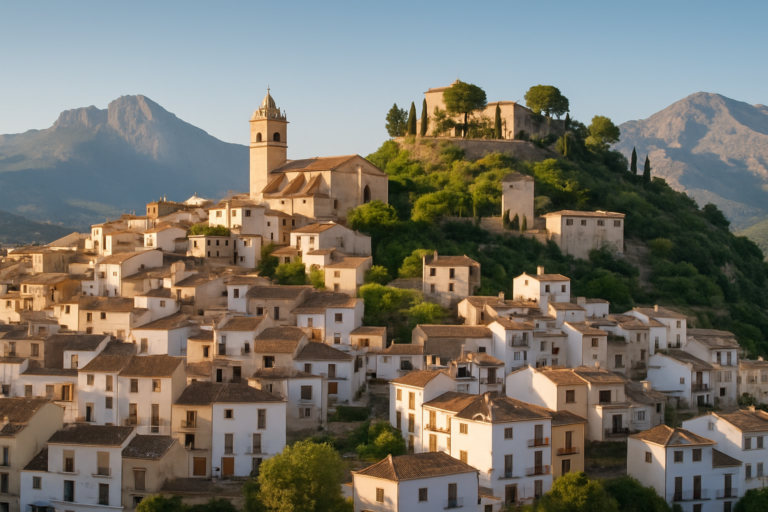
- La Nucia — 5 km north-west, a hilltop town in Alicante's Marina Baixa just 8 km
- Altea — 5 km north-east, whitewashed old town, the blue-domed church, pebble beaches
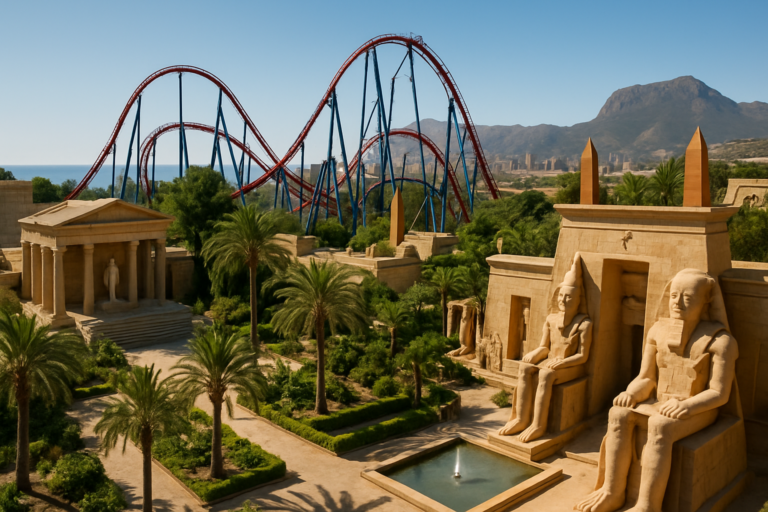
- Benidorm — 6 km south-west, Levante and Poniente beaches, the high-rise skyline, theme parks
- Villajoyosa — 14 km south-west, candy-coloured houses, the chocolate heritage, sandy beaches
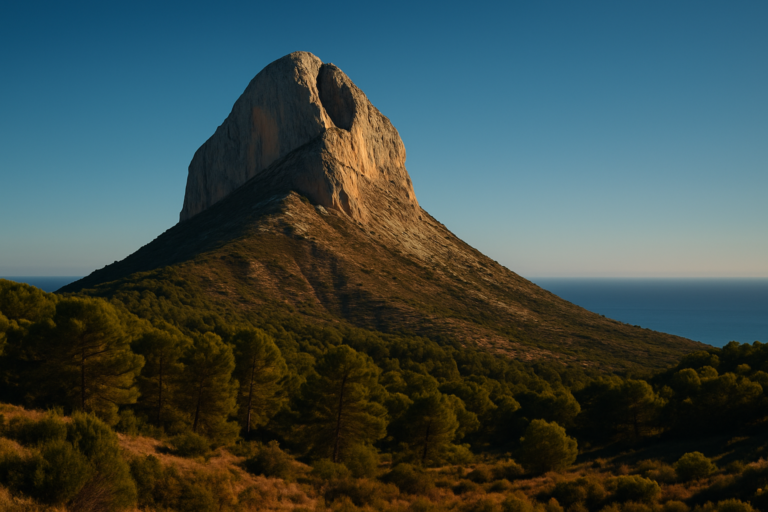
- Calpe (Peñón de Ifach) — 15 km north-east, Calpe on the Costa Blanca is defined by the Peñón
- Moraira — 24 km north-east, sheltered coves, the marina and castle, sandy beaches
Places to visit within reach
- Serra Gelada Natural Park — 4 km, A coastal mountain ridge of sheer cliffs between Albir and Benidorm
- Faro del Albir (l'Albir Lighthouse) — 5 km
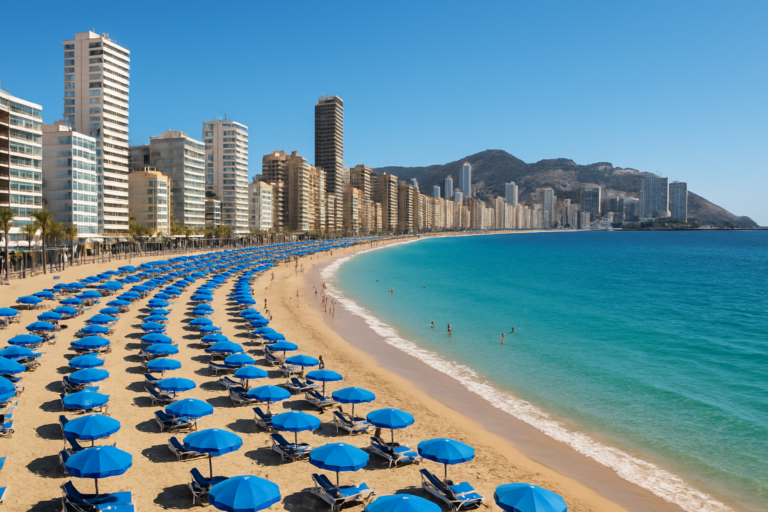
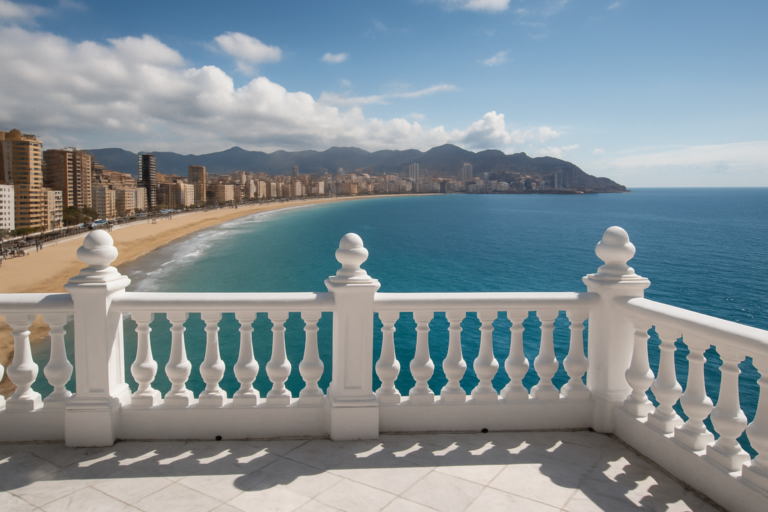
- Levante Beach (Benidorm) — 5 km, Benidorm’s iconic Levante beach: a long crescent of golden sand backed
- Polop de la Marina — 5 km, A pretty hillside village inland from Benidorm
For the wider picture, see the Costa Blanca guide, which lists every town on this coast.
Frequently asked questions
How do I get from Alicante airport?
The simplest access to this coastal municipality is by road using the AP-7/N-332 corridor; the town is about 45 km from Alicante airport. Public transport and transfers run between the airport and nearby resorts, and most visitors use car hire, airport shuttles or regional buses for the final leg.
Is the beach sandy?
The main coastal stretch in El Albir is a pebble beach rather than fine sand. The promenade provides easy access and a line-up of cafés and restaurants.
Which beach is best for families?
El Albir’s beach and promenade are family-friendly thanks to a calm atmosphere, easy access and nearby dining. The beach’s pebble character means families with small children should be prepared with appropriate footwear and beach blankets.
How many days should I plan?
A typical stay of two to three days covers the lighthouse walk, a relaxed beach day, the Villa Romana and a short exploration of the town and promenade. Use the town as a base for day trips to nearby Altea or Benidorm if you want more variety.
Is L’Alfàs del Pi good for kids?
Yes—children tend to enjoy the easy coastal walks, straightforward beach access and the small archaeological site. The pace is relaxed and suitable for family stays that prioritise low-key outdoor activities.
Can I get around without a car?
Yes—within the town and El Albir most things are walkable. To move between resorts or reach the airport you’ll usually use regional buses, taxis or private transfers; the AP-7/N-332 provides the main road connection for drivers.
Is parking available near the promenade?
There are public parking options and street parking close to the seafront, but availability varies by season. Outside the busiest months it’s reasonably straightforward; during high season mornings offer the best chance of finding space.
What are rainy-day options?
Museums and indoor attractions in the immediate town are limited compared with larger cities, but the Villa Romana provides a short cultural stop. Nearby Benidorm and Altea offer additional indoor options if you want to escape wet weather for a few hours; check opening times before you go.
When is the film festival?
The town hosts an annual Festival de Cine de l’Alfàs del Pi, which awards the Faro de Plata. Exact dates vary from year to year—check current festival listings when planning travel.
Are there multilingual services?
Yes. The sizable international population—many Norwegian and Scandinavian residents—means cafés, shops and services in the town and along the promenade often operate in multiple languages.
Can I combine a visit with Benidorm or Altea?
Absolutely. The municipality lies between Benidorm and Altea; Benidorm is about 10 km away, making day trips straightforward by car or regional transport. Both towns offer very different atmospheres—Altea for old-town charm and Benidorm for larger resort amenities.
Is the lighthouse walk difficult?
No—the path to the Faro del Albir is described as an easy, mostly flat walk with panoramic views. It’s popular at sunset and suitable for a wide range of walkers.
Do cafes and restaurants stay open year-round?
Many establishments along the promenade are open year-round, supported by the town’s mild climate and permanent international resident community. Expect the greatest choice in high season.
Are there protected natural areas nearby?
Yes—the Serra Gelada Natural Park runs along the coastal cliffs between the town and Benidorm, providing protected cliff-top landscapes and coastal trails.
Is the Villa Romana accessible from the beach?
Yes—the Roman remains, including thermal baths, are located close to the beach and make for a short cultural visit that pairs well with a seaside day.
Plan the wider trip
- Altea
- Benidorm
- La Vila Joiosa
- El Campello
- Dénia
- Benissa: Marina Alta hilltop town near the northern Costa Blanca coast
Lalfas Del Pi on the map
Places worth knowing near Lalfas Del Pi
How this page is maintained. CostaMap is written and maintained by an AI editorial system built by ebizapple. Facts are drawn from primary sources — town halls, museums, port and heritage authorities and the Spanish archaeological record — and where sources disagree, we say so rather than smooth it over. Photographs marked as ours are taken on location. This page was last reviewed on 15 August 2026. Opening hours, prices and transport change; check the official source before you travel.