
Illes Balears · Spain
Balearic Islands travel guide: Mallorca, Menorca, Ibiza and Formentera
Palma and the Tramuntana villages, the coves and talayots of Menorca, the walls of Dalt Vila and the white sand of Formentera.
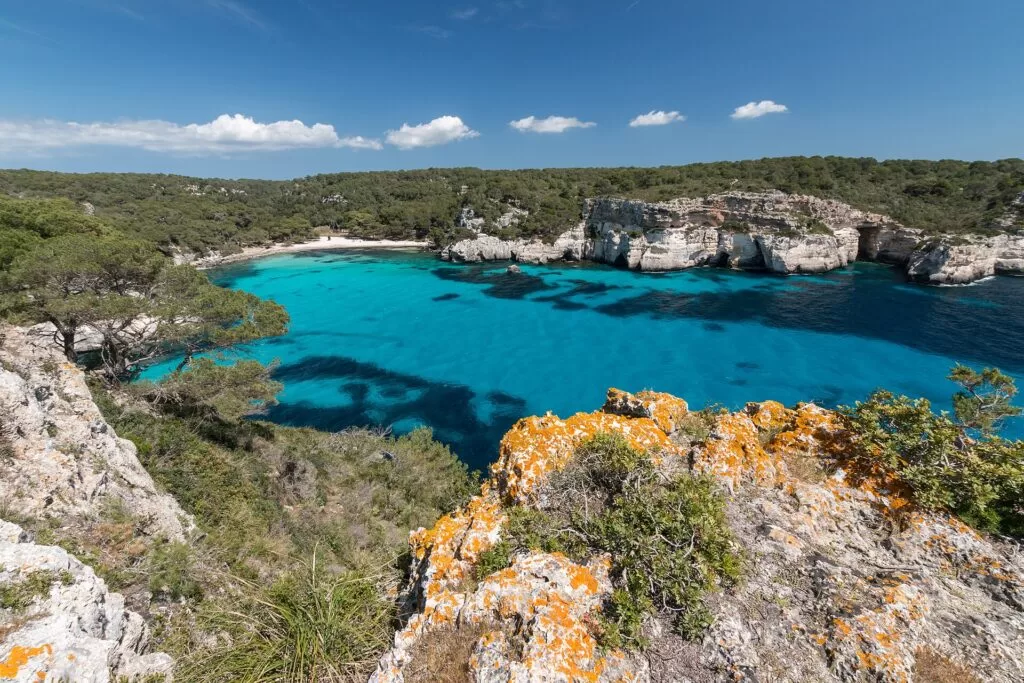
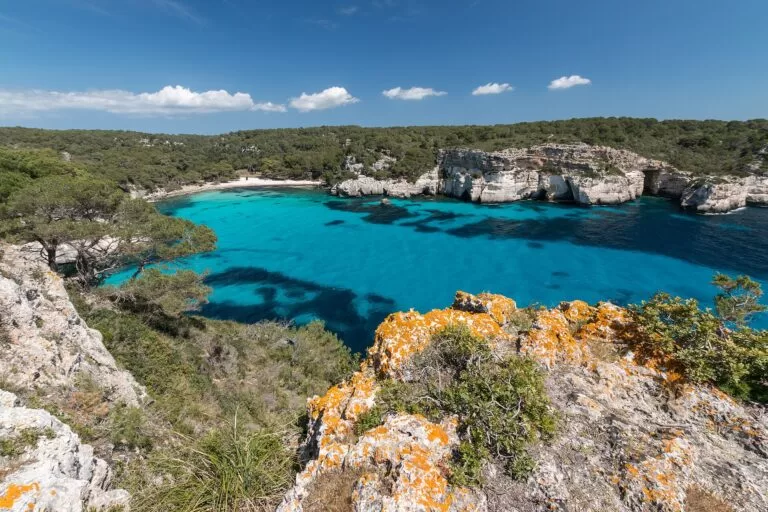
Cala Macarella, Ciutadella, Menorca · Photo: Markus Trienke, CC BY-SA 2.0
This guide takes the four main Balearic Islands one at a time: Mallorca with Palma and the Serra de Tramuntana, Menorca with its talayots and harbours, Ibiza with Dalt Vila, and Formentera, the smallest and southernmost of the islands (Formentera Tourism). For each island you will find beaches, towns to stay in, flights and ferries, the weather, local food, a campsite and plans for three or seven days, with day trips to the market towns of the Pla de Mallorca.
At a glance
- Islands Mallorca, Menorca, Ibiza and Formentera; Formentera is the smallest and southernmost.
- World Heritage the Serra de Tramuntana (2011), Ibiza, Biodiversity and Culture (1999) and Talayotic Menorca (2023).
- Long trails the GR 221 Dry Stone Route on Mallorca and the 185 km Camí de Cavalls around Menorca.
- On CostaMap 39 coastal town guides and one campsite on the coast.
- Airports Palma (PMI), Menorca (MAH) and Ibiza (IBZ); Formentera has no airport and is reached by boat from Ibiza.
- Ferries GNV sails from Barcelona to Palma, Mahón and Ibiza, and from Valencia to Ibiza and Palma.
Map of the Balearic Islands
The map shows the places on the islands that have a CostaMap page. Tick a place type to filter it, and click a marker to see the place in the panel. There is no separate full-screen map for the Balearics; this map is the one to use.
Place type
Area · next level
 Island guide
Balearic Islands
Click a marker to see the place here. Four islands: Mallorca, Menorca, Ibiza and Formentera, with the Pla de Mallorca inland.
Choose your islandChoose your area
Each island is its own area. Mallorca has the capital, the mountains of the Tramuntana and long sandy beaches; Menorca has coves and prehistoric monuments; Ibiza has its walled old town and markets; and Formentera is reached only by boat. The lists hold towns on or near the sea; the inland towns of Mallorca follow as day trips.
Mallorca
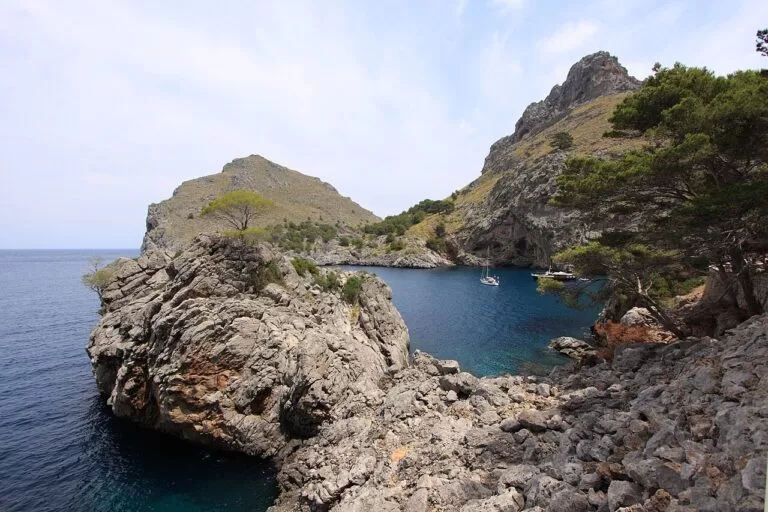
Palma, the capital, has more than 400,000 inhabitants, almost half of the island’s people. The Serra de Tramuntana, a World Heritage cultural landscape since 2011, runs from Port d’Andratx to Port de Pollença along the GR 221; the east has caves and castles, and the south long sandy beaches such as Es Trenc.
- Palma – La Seu cathedral, Bellver Castle above the city and a 5.5 km seafront promenade.
- Calvià – the resorts of Magaluf, Palmanova, Santa Ponça and Peguera, and the marinas of Puerto Portals and Port Adriano.
- Andratx – an inland town with its port at Port d’Andratx, 16th-century watchtowers and boats to Sa Dragonera.
- Sóller – a town that prospered from oranges and lemons, with the 1912 train to Palma and a tram to its port.
- Pollença – the 365 Calvari steps, a Roman bridge still in use, and Port de Pollença, Cala Sant Vicenç and Formentor.
- Muro – Platja de Muro, 5.2 km on the Bay of Alcúdia, and the S’Albufera wetland shared with Sa Pobla.
- Capdepera – a 14th-century castle and the beaches of Cala Agulla, Cala Mesquida and Canyamel.
- Manacor – the largest town after Palma, with a Monday market, and Porto Cristo 12 km away on the coast.
- Santanyí – more than 40 km of coastline, the Mondragó natural park, Caló des Moro and boats from Colònia de Sant Jordi to Cabrera.
Menorca
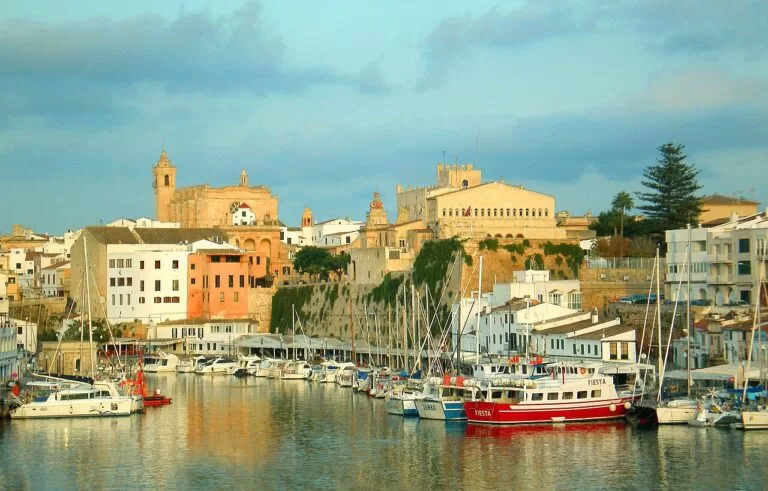
Talayotic Menorca joined the World Heritage List in 2023, and the whole island has been a UNESCO biosphere reserve since 1993. Maó, the administrative capital, lies on one of the largest natural harbours in Europe; Ciutadella was the ancient capital, and the 185 km Camí de Cavalls circles the island.
- Maó (Mahón) – the harbour, the Teatre Principal, the oldest opera house in Spain, and the Xoriguer gin distillery on the port.
- Es Castell – at the entrance to the port, the most easterly municipality in Spain, with the fishing port of Cales Fons.
- Sant Lluís – a town built during the French domination of the 18th century, with vineyards and wineries around it.
- Alaior – Son Bou, the longest beach on Menorca, the Cales Coves necropolis and the island’s cheese tradition.
- Es Mercadal – El Toro, at 358 m the highest mountain on Menorca, and the coastal town of Fornells with its lobster stew.
- Ferreries – the ruins of the Santa Àgueda castle, the xupín ice cream and tracks through the Barranc d’Algendar to Cala Galdana.
- Ciutadella – the ancient capital, with a 14th-century cathedral, the Plaça des Born and coves such as Macarella and Turqueta.
Ibiza
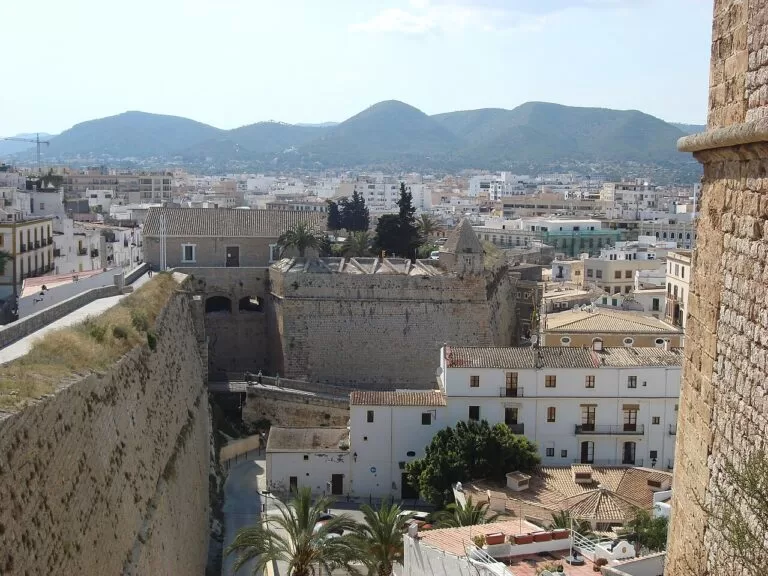
Ibiza’s World Heritage site, inscribed in 1999 under both cultural and natural criteria, covers the fortified upper town of Dalt Vila, the Puig des Molins necropolis and the Posidonia seagrass meadows offshore.
- Eivissa (Ibiza town) – the island’s largest city, with the 16th-century walls of Dalt Vila and more than 3,000 tombs at Puig des Molins.
- Santa Eulària des Riu – 46 km of coastline, a fortified church on Puig de Missa, a marina, and the Las Dalias and Es Canar markets.
- Sant Antoni de Portmany – sunsets on the coast of Ses Variades and the coves of Cala Salada, linked to the town by sea.
Formentera
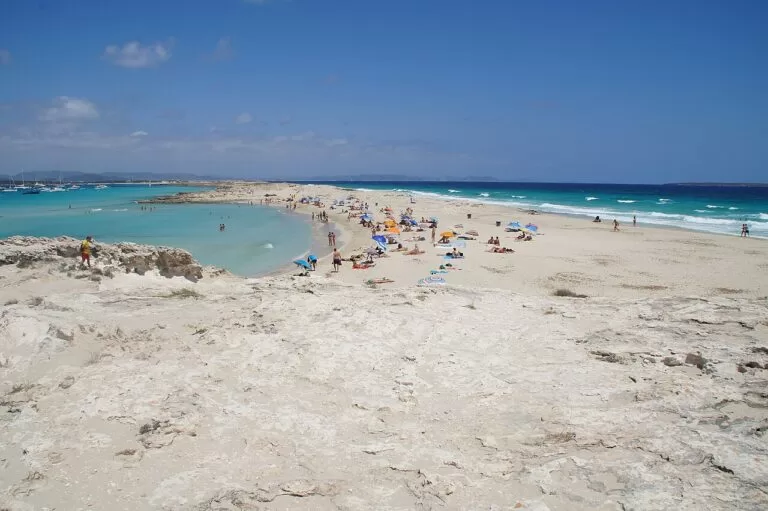
Formentera covers 83 km² and is some 20 km from end to end, with slightly over seven thousand inhabitants. It has no airport: ferries from Ibiza reach La Savina in about 30 minutes.
- Formentera – Ses Illetes on the Es Trucadors peninsula, 32 signposted green routes and La Mola, the only real climb.
Inland day trips
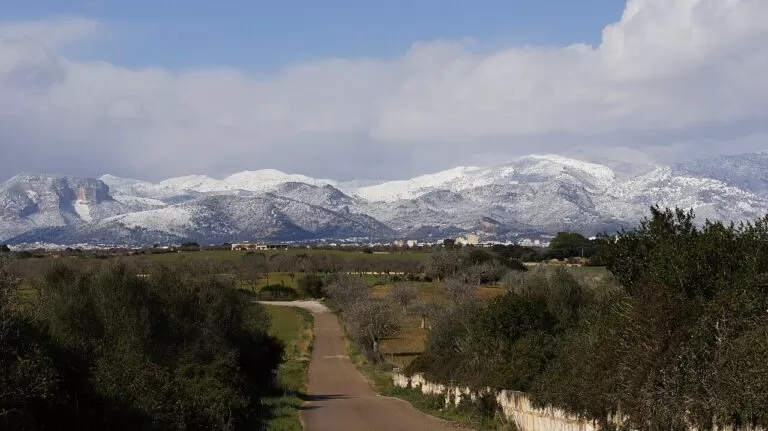
Behind the coasts of Mallorca lie the market towns of the Pla de Mallorca, with windmills, Talayotic sites and weekly markets. These towns are not on the sea, so their pages are not in the lists above:
- Sineu – a Wednesday market since King Jaume II granted its privilege in 1306, and a 14th-century royal residence.
- Petra – the birthplace of Fray Junípero Serra, with a food market on Wednesday mornings.
- Porreres – up to 36 windmills around the town and the 14th-century sanctuary of Monti-Sion.
- Montuïri – the Talayotic site of Son Fornés, dating back to the 9th century BC.
- Vilafranca de Bonany – 14 catalogued archaeological sites and a melon fair in early September.
- Sencelles – the Talayotic settlement of Son Fred, one of the largest archaeological sites in Mallorca.
Explore by interest
Pick a theme. Each tile opens the part of this guide that covers it.
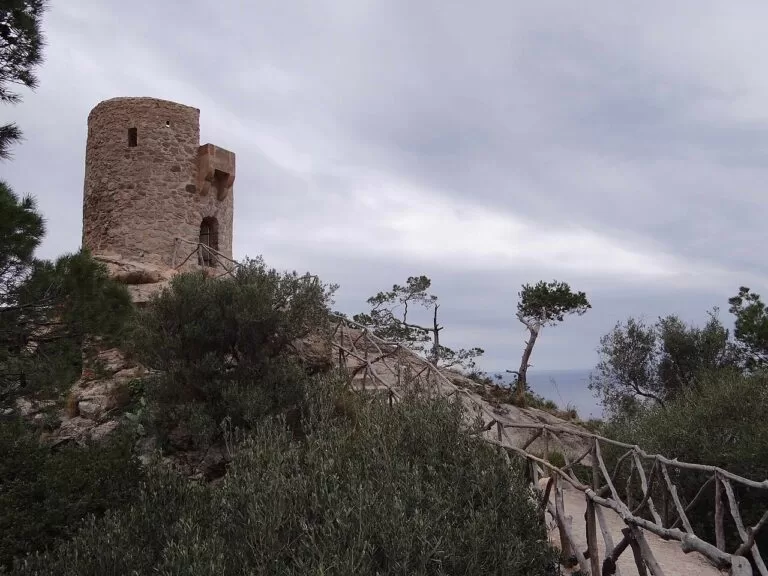
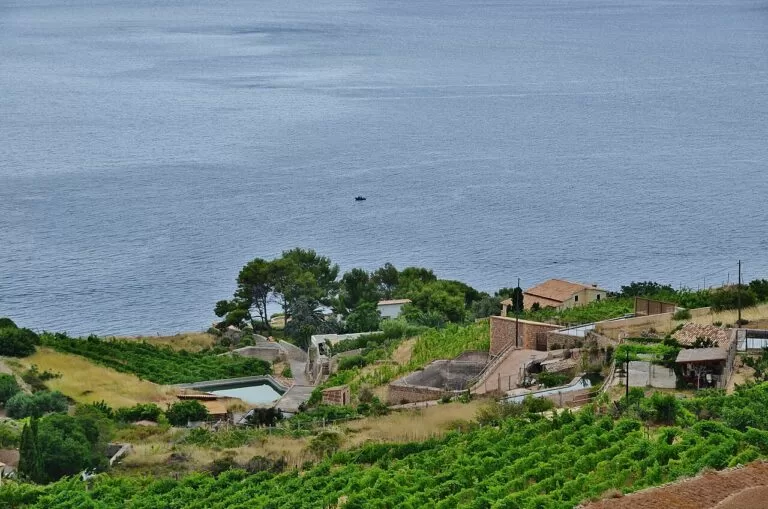
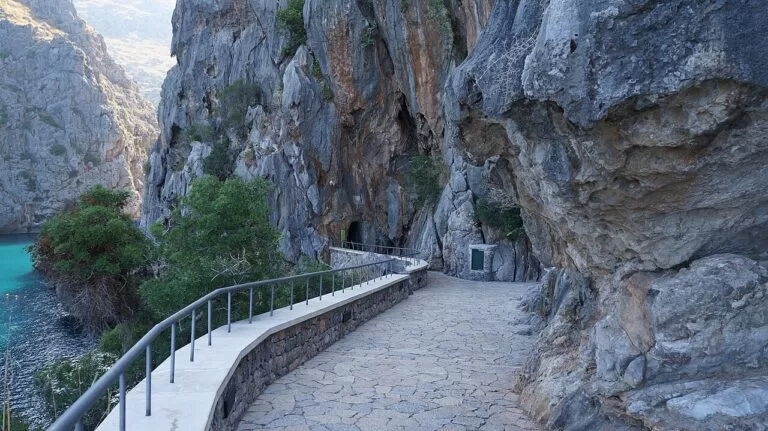
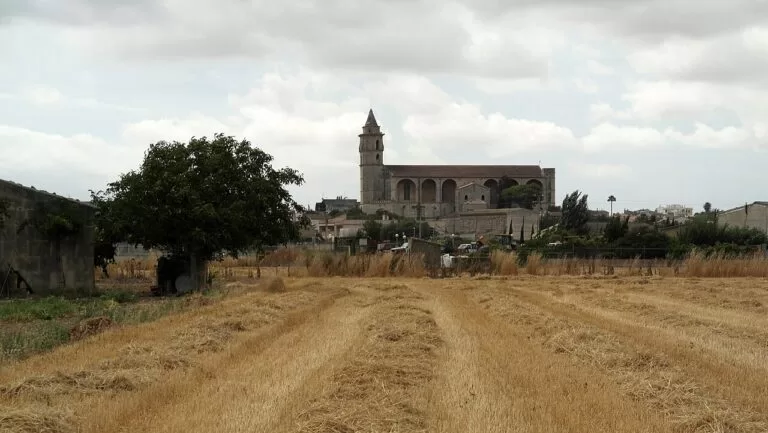
Best beaches and coves
The selection below is ours, island by island. Lengths and descriptions are as given by the Balearic tourist board, the island councils and the town tourist offices, checked in October 2026. None of the sources checked lists Blue Flags, so this guide does not either.
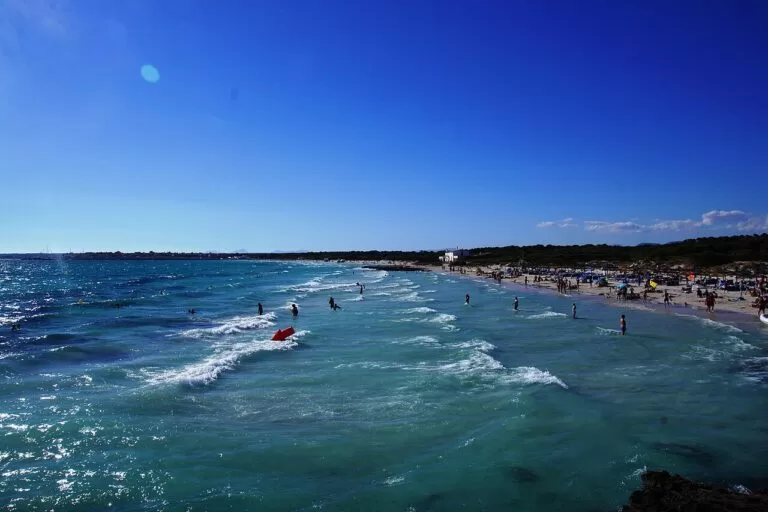
Es Trenc
Sand for almost 2 km and more than 20 m wide, described by the tourist board as the island’s last undeveloped sandy beach; more than 170 bird species have been counted in the wetland behind it. It is 10.8 km from Campos and 5.1 km from Colònia de Sant Jordi (Illes Balears).
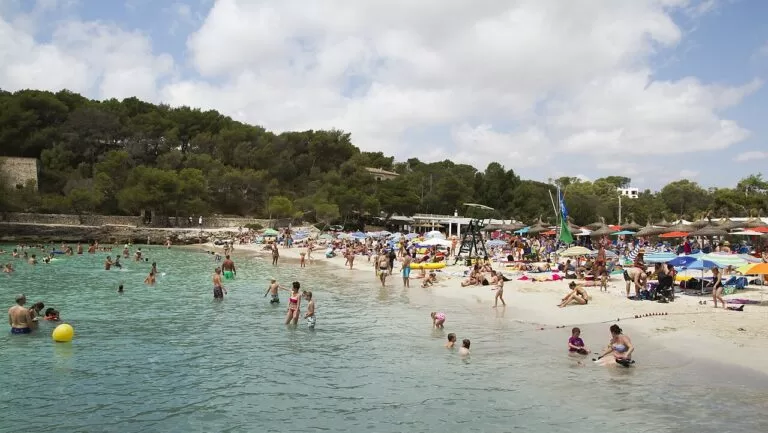
Mondragó
Coves inside a natural park declared in 1992 and covering more than 700 hectares; its marked walks take between 15 and 45 minutes on average (Illes Balears).
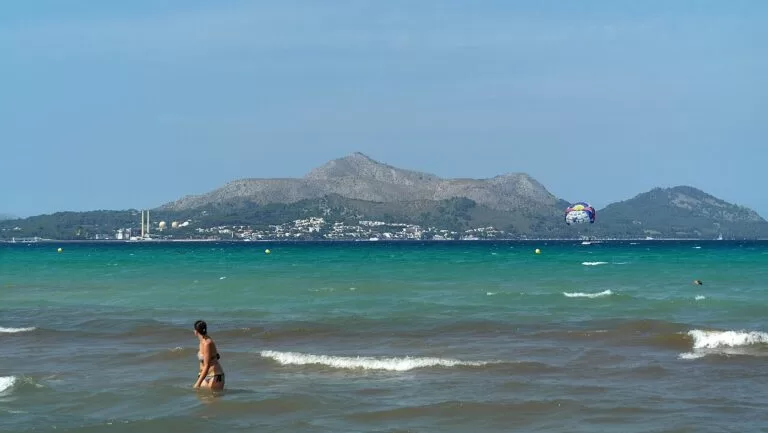
Platja de Muro
At 5.2 km one of the longest beaches in the Balearic Islands, in four sections on the Bay of Alcúdia, 6.6 km from Can Picafort (Illes Balears).
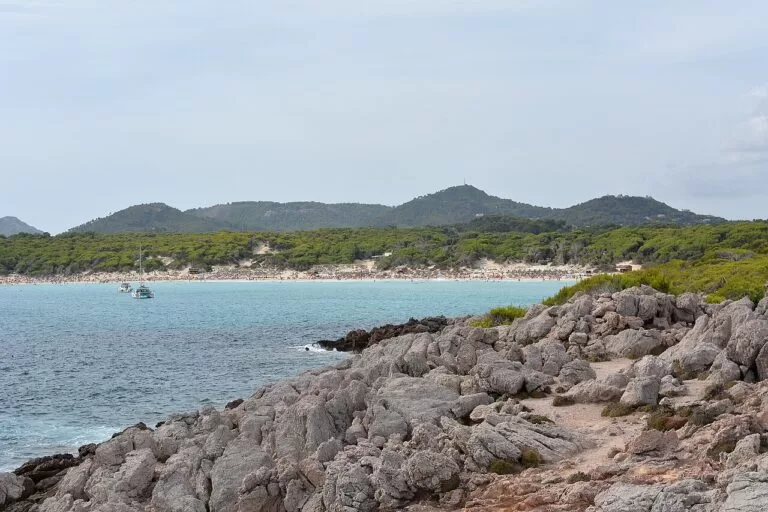
Cala Agulla
The longest and most popular beach in Capdepera, 600 m between Cala Mesquida and the port of Cala Rajada; depending on the wind it grows or shrinks by up to 10 m (Illes Balears).
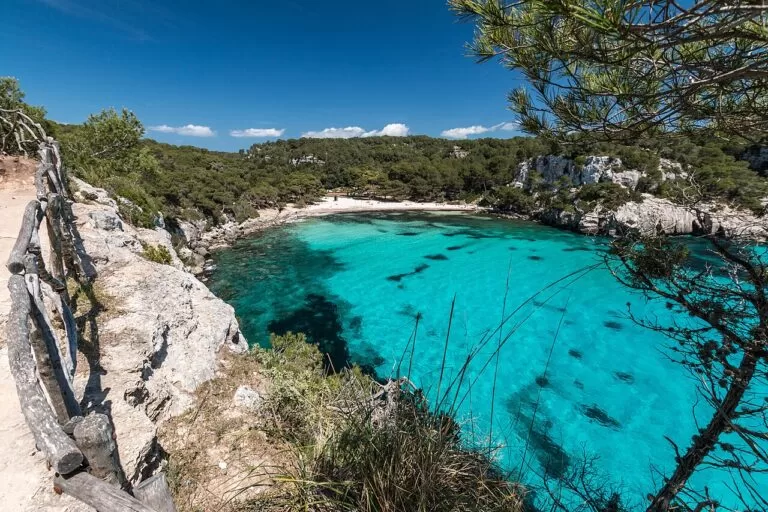
Macarella and Macarelleta
Two coves within Ciutadella’s municipal boundaries, like Cala en Turqueta and Son Saura (Illes Balears); the Camí de Cavalls trail passes this south coast on its way to Cala Galdana (Camí de Cavalls).
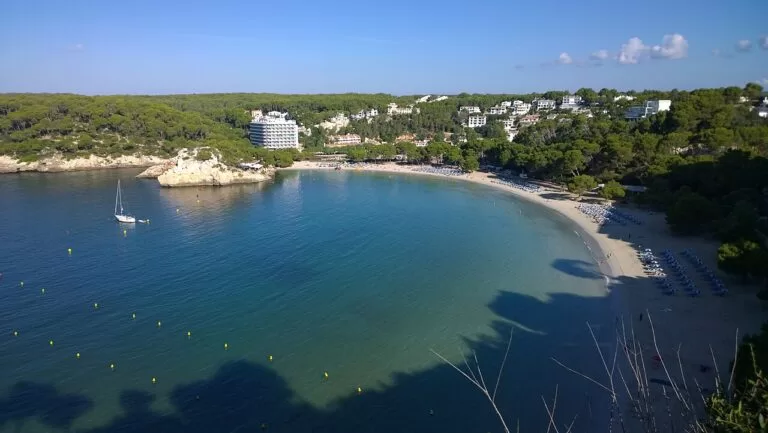
Cala Galdana
Reached from Ferreries on tracks through the Barranc d’Algendar gorge, which link with the Camí de Cavalls (Illes Balears).
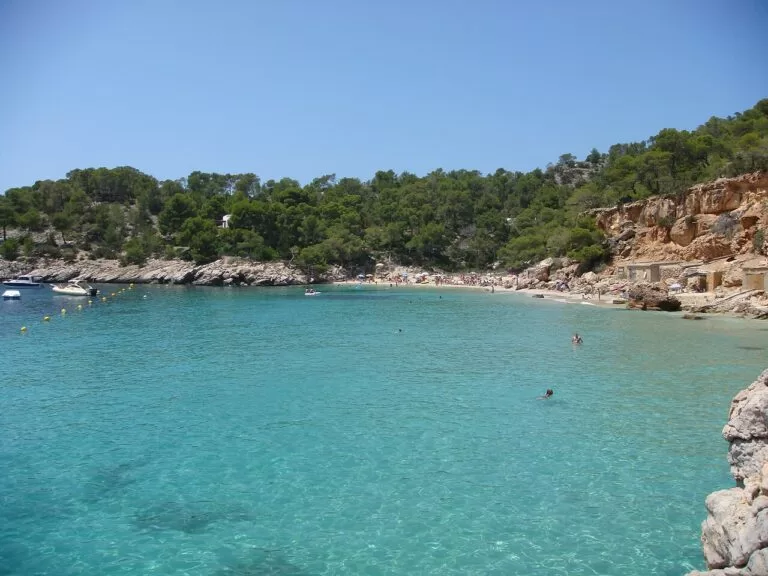
Cala Salada and Cala Saladeta
The first “connected beaches” on Ibiza, with a free car park and a bus to the sand. Saladeta has no amenities and is reached only by a coastal path, and both coves are linked by sea to the port of Sant Antoni (Sant Antoni).
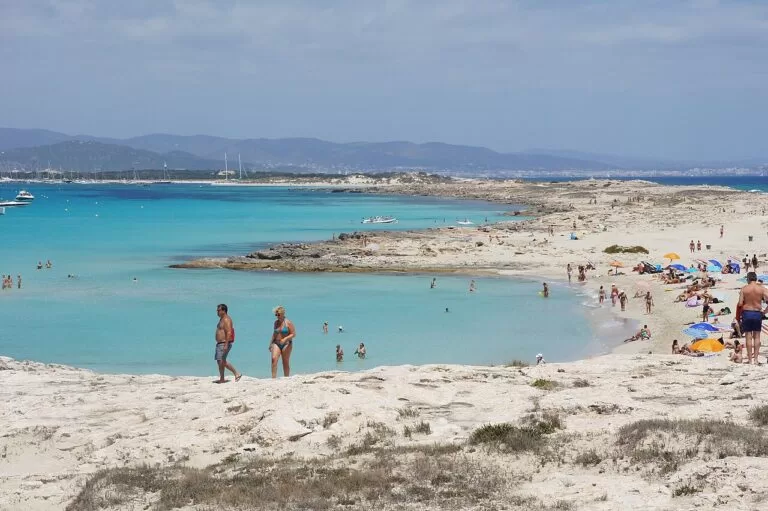
Ses Illetes
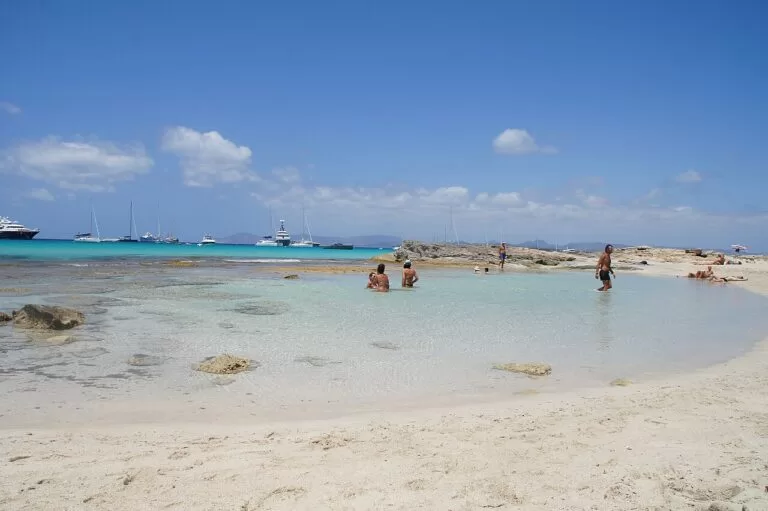
More than 450 m of beach on the Es Trucadors peninsula, split in two by a small rocky area, inside the Ses Salines Natural Park; cars and motorbikes pay a small fee to enter, walkers and cyclists do not (Formentera Tourism).
Also worth knowing: Formentor beach, also called Cala Pi de sa Posada, is a long sandy beach backed by pines, and in summer boats run there from Port de Pollença and Port d’Alcúdia (Illes Balears). Cala Millor is almost 2 km long and is shared by Sant Llorenç des Cardassar and Son Servera (Illes Balears); Sa Coma, more than 850 m, is separated from it by the protected Punta de n’Amer (Illes Balears). The beach of Porto Cristo measures about 300 m by 30 m (Visit Manacor), and to reach Caló des Moro you park about 1 km away near the houses of Sa Comuna (Illes Balears). Sant Elm beach, about 130 m long, has a sand section and a gravel section (Illes Balears), and Cala Banyalbufar is a pebble beach with a waterfall from the cliffs (Illes Balears). On Menorca, Son Bou in Alaior is the longest beach on the island (Illes Balears).
Where to stay by town
Choose the island first, then the town: Palma for a city by the sea, the Tramuntana and the north of Mallorca for mountains and bays, Maó or Ciutadella on Menorca, and Eivissa or Santa Eulària on Ibiza. The TIB intercity buses link Palma Airport directly with Mallorca’s main holiday resorts (TIB).
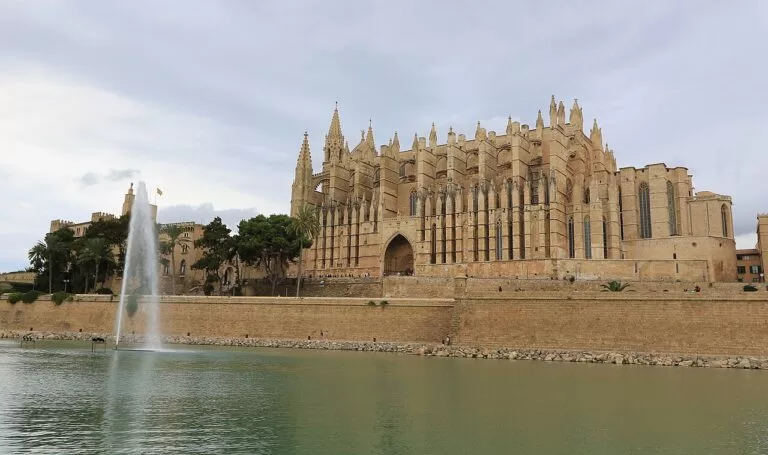
Palma
The capital of Mallorca, with La Seu, Bellver Castle, a 5.5 km seafront promenade and public transport to Playa de Palma.
A city break with beaches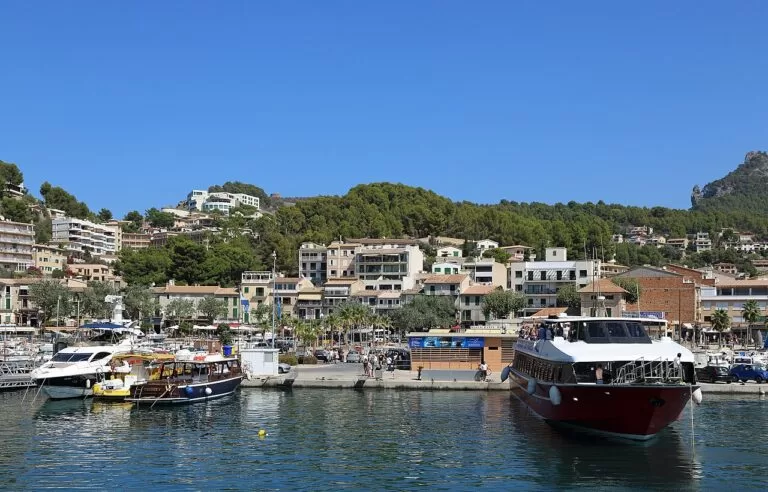
Sóller
A town that prospered from oranges and lemons, with the wooden train to Palma and a tram to the beach at Port de Sóller.
Mountains, trains and a bay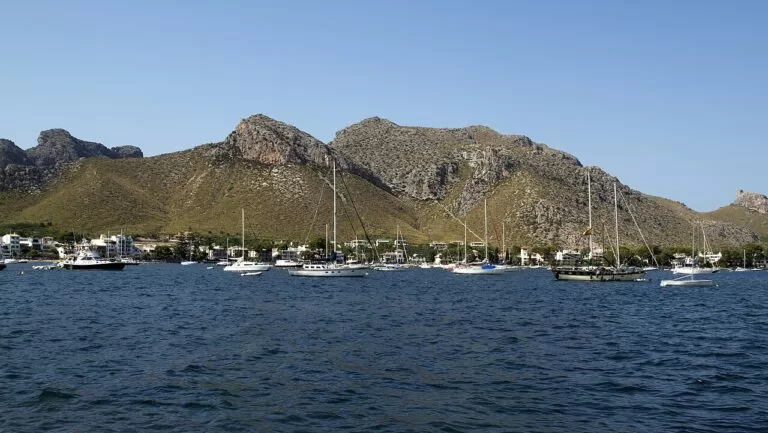
Pollença
The Calvari steps and a Roman bridge in town, with Port de Pollença, Cala Sant Vicenç and Formentor in the same municipality.
Bays, walking and old streets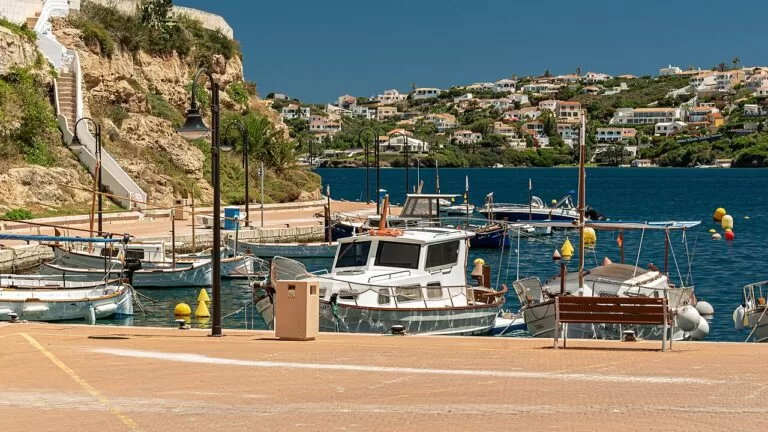
Maó (Mahón)
Menorca’s administrative capital on its long natural harbour, about 4.5 km from Menorca Airport.
Harbour life and culture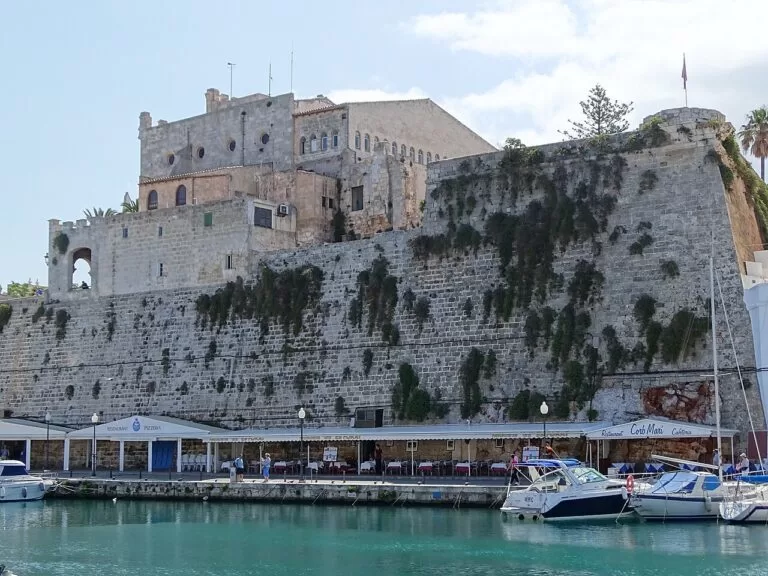
Ciutadella
The ancient capital of Menorca, with its cathedral, the Plaça des Born and the southern coves within its boundaries.
Old town and coves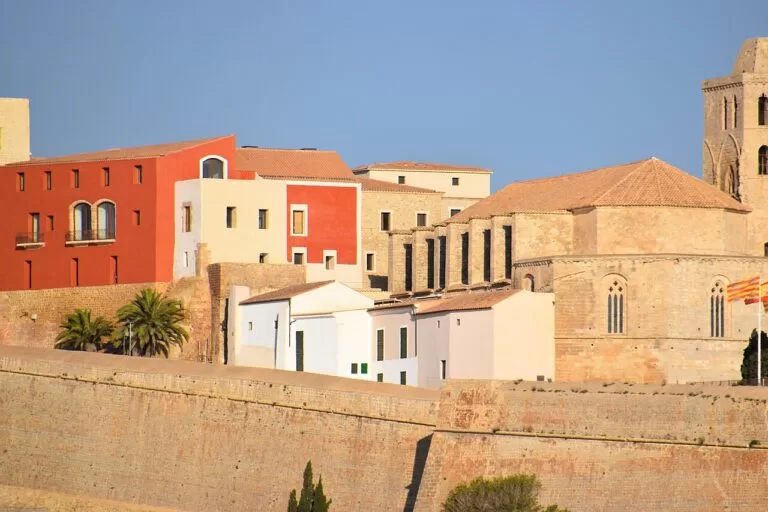
Eivissa (Ibiza town)
The island’s largest city, below the walls of Dalt Vila, with the ferry to Formentera from its port.
History and the old town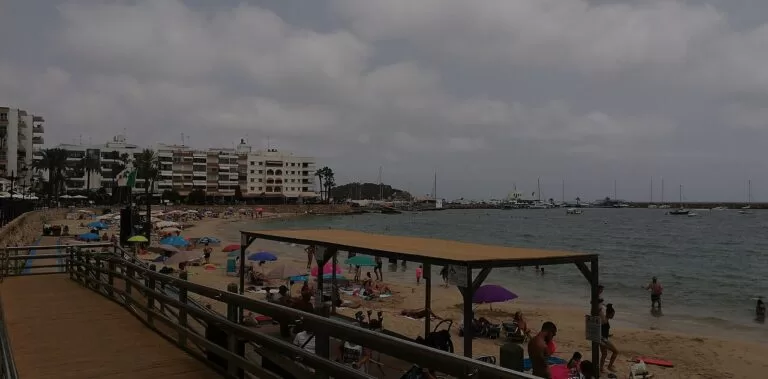
Santa Eulària des Riu
A marina, a town beach and the Las Dalias and Es Canar markets.
Families and marketsCampsites
One campsite on the islands has a CostaMap page: Camping La Playa Ibiza, on the seafront at Cala Martina beach. It states that it is open from May to October and offers bungalows, vintage caravans and the Chirincana beach bar (Camping La Playa Ibiza). From 1 May to 15 October, lighting fires within 50 metres of forest land or in any recreational area is prohibited across the Balearic Islands (Govern de les Illes Balears).
Camping La Playa Ibiza
On the seafront at Cala Martina beach, open from May to October by its own description, with bungalows, vintage caravans and a beach bar.
See the campsite →Things to do
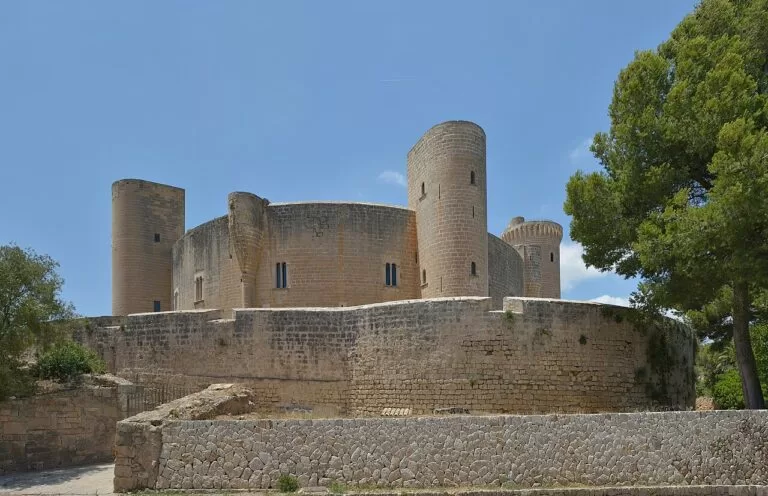
Palma: La Seu, Bellver and the old town
Palma has more than 400,000 inhabitants, almost half of Mallorca’s population, and the Mercat de l’Olivar is the place for tapas (Illes Balears). The cathedral, La Seu, dates back to the Christian conquest by Jaime I in 1229 and was built between the 14th and 16th centuries (Illes Balears); inside are 59 windows and 5 rose windows, and from April to October a 360-degree tour takes visitors onto its terraces (Illes Balears, terraces). Opposite stands the Almudaina Royal Palace, one of the residences of the Spanish Royal Family. Bellver Castle, built between 1300 and 1311 for Jaime II, stands 3 km from the centre at 112.6 m above sea level; its circular shape is unique in Spain (Illes Balears), and it houses the City History Museum (Illes Balears).
West of Palma, Calvià takes in the resorts of Magaluf, Portals Nous, Palmanova, Peguera and Santa Ponça and the marinas of Puerto Portals and Port Adriano (Illes Balears). Andratx has 14 watchtowers from the 16th century, 12 still standing, and almond blossom in February and March (Illes Balears). Off its coast, the Sa Dragonera Natural Park covers 908 hectares, about 800 metres from Mallorca, with boats from Sant Elm, Santa Ponça, Peguera or Port d’Andratx (Illes Balears); from Sant Elm a walk of about nine kilometres leads to Finca Sa Trapa (Illes Balears).
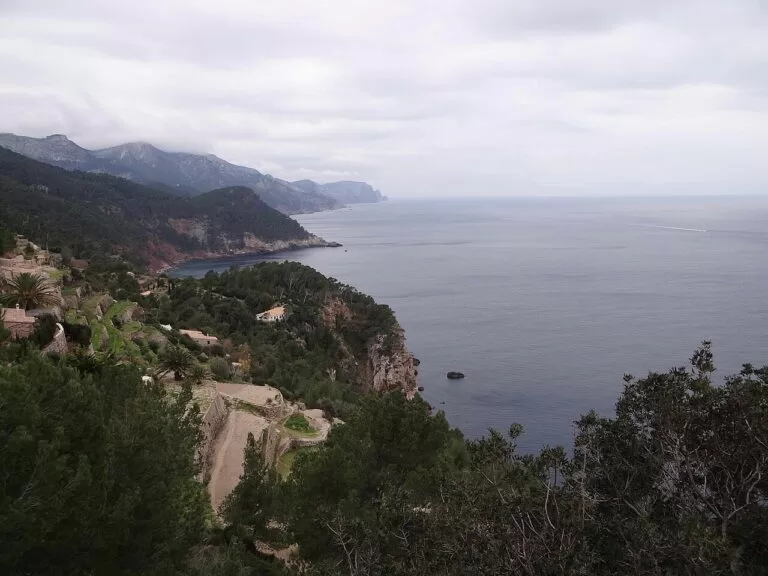
The Serra de Tramuntana and the north
The Cultural Landscape of the Serra de Tramuntana joined the UNESCO World Heritage List in 2011. It covers 30,745 hectares of farming terraces, water works, dry stone and farms (UNESCO). The GR 221 Dry Stone Route has 261.1 signposted kilometres; its main route runs 150.1 km from Port d’Andratx to Port de Pollença and peaks at the Coll de ses Cases de sa Neu at just over 1,200 metres (Consell de Mallorca). The first stage, Port d’Andratx to Sant Elm, is 9,150 m, about 3 h 20 min (stage 1), and the council runs mountain refuges such as Tossals Verds in Escorca (refuges).
The villages are the reason to go. Valldemossa, 17 km from Palma, has a 15th-century Charterhouse where Frédéric Chopin spent a winter in cell number 4 (Illes Balears), the setting of his romance with George Sand (Illes Balears). Deià keeps a bohemian air from the artists who passed through, with stone houses, cafés and galleries (Illes Balears). Fornalutx is listed among the most beautiful villages in Spain and its town hall has a 17th-century defence tower (Illes Balears). Banyalbufar is known for terraces above the sea, the 16th-century Torre de Ses Ànimes and its recovered Malvasía grape (Illes Balears). In Esporles, the Sa Granja estate dates back to the 10th century (Illes Balears); Puigpunyent, with the village of Galilea, is 15 minutes from Palma (Illes Balears); the Sa Comuna forest north of Bunyola is the largest on Mallorca (Illes Balears); and Alaró has a castle on a rocky height and a Saturday market (Illes Balears).
In the north, Pollentia, in the municipality of Pollença, was the capital of the islands in Roman times, and the Formentor lighthouse stands on a cliff more than 200 metres high (Illes Balears). The town’s Calvari stairway has 365 steps and hosts the Davallament on Good Friday (Pollença). S’Albufera, in Muro and Sa Pobla, is Mallorca’s largest wetland: more than 1,700 hectares, four visitor routes and more than 250 bird species (Illes Balears). In Santa Margalida, the Son Real necropolis has sites almost 4,000 years old (Illes Balears).
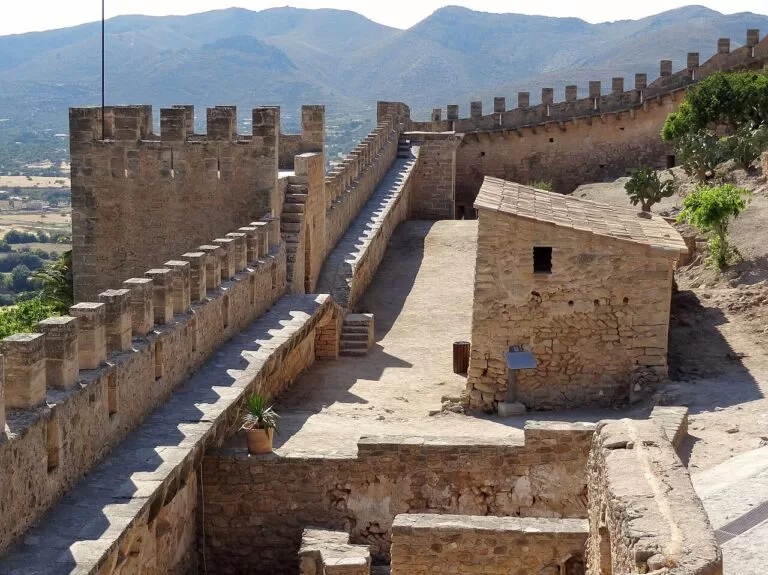
Caves, castles and the south-east of Mallorca
Manacor is the largest town on Mallorca after Palma, with a Monday market and the start of the island’s only Green Way, 29 km on the old railway line to Artà (Illes Balears). Its coast is Porto Cristo, 12 km from the town (Visit Manacor). The Drach Caves visit follows a 1,200 m route down to 25 m in about an hour, at 17 to 21 °C, and ends at Lake Martel, 117 m long, where a concert of about ten minutes for cello, harpsichord and two violins has been played since 1935 (Cuevas del Drach); the tourist board gives the caves almost 2,400 m in total length (Illes Balears). The Coves dels Hams, named after their fishhook-shaped stalactites, were discovered by Pere Caldentey in 1905 (Illes Balears) and in 1910 became the first caves in Spain opened to the public (Visit Manacor).
Further north, the castle of Capdepera was built in the 14th century on the orders of Jaume II against pirates (Illes Balears); its Gothic wall was completed in 1386 (Illes Balears). In Artà, 180 steps climb to the fortress and the Sant Salvador sanctuary, and a craft market is held on Tuesday mornings (Illes Balears); the Talayotic village of Ses Païsses, from around 1000 BCE, is ringed by a 374 m wall (Illes Balears), and the Península de Llevant Natural Park covers 1,671 hectares (Illes Balears). In Son Servera, the roofless Església Nova was designed by Joan Rubió, a disciple of Gaudí (Illes Balears), and Sant Llorenç holds its market on Thursdays (Illes Balears).
To the south, Felanitx has the rock castle of Santueri from 1228, the Sant Salvador hermitage from 1348 and Porto Colom as its natural harbour (Illes Balears). Santanyí has more than 40 km of coastline and markets on Wednesdays and Saturdays (Illes Balears). The salt ponds of s’Avall in Ses Salines were already worked in Roman times (Illes Balears), and the Salobrar de Campos is Mallorca’s second largest wetland (Illes Balears). Llucmajor, the largest municipality on Mallorca, has 47 km of coast and the Bronze Age village of Capocorb Vell, with 5 talayots and 28 dwellings (Illes Balears); offshore, the Migjorn Marine Reserve between Cap Blanc and Cala Figuera has been protected since 2002 (Illes Balears).
Boats to the Cabrera archipelago leave from the port of Colònia de Sant Jordi, and Cabrera is the only national park in the Balearic Islands (Illes Balears). It became Spain’s first maritime-terrestrial national park (Parques Nacionales), in 1991 (MITECO), and since its 2019 extension covers 90,800.52 hectares in all, most of them sea (MITECO). The crossing is just over an hour; more than 150 migrating bird species stop there, and more than 200 fish species live on its seabed (MITECO).
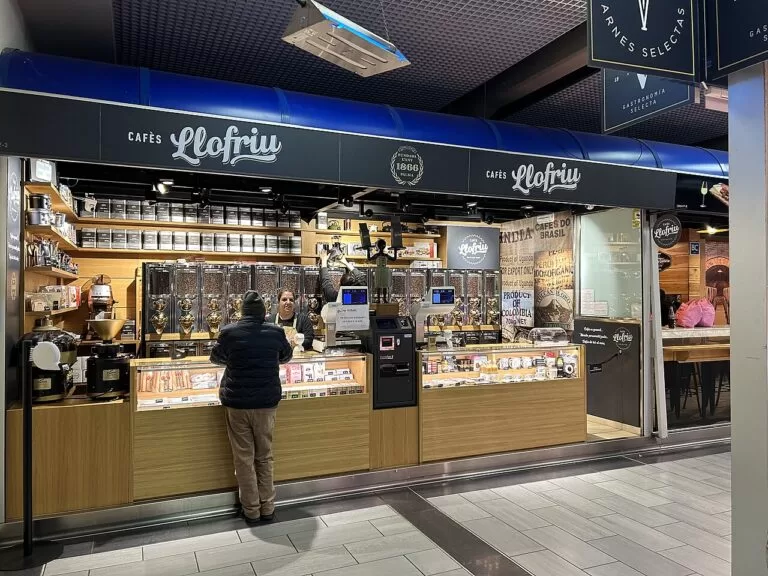
Sobrassada, cheese, gin and wine
Sobrassada de Mallorca has been a Protected Geographical Indication since 1996 (Ministry of Agriculture), after producers applied for protection in 1993 (Sobrasada de Mallorca); the de Porc Negre version is made from the native black pig (FAQ). The ensaïmada has its own PGI specification, in force since 2004 (Ministry of Agriculture). Mallorca’s wine designations include DO Binissalem, recognised in 1990 and covering Santa Maria, Consell, Binissalem, Santa Eugènia and Sencelles (DO Binissalem), and DO Pla i Llevant, founded in 1999 with 19 municipalities and 513 hectares of vines (DO Pla i Llevant), whose council sits in Felanitx (Govern). Llubí is known for capers (Illes Balears), Maria de la Salut gives its ramellet tomato a festival in August (Illes Balears), and in Algaida the Gordiola glassworks has been run by the same family since 1719 (Illes Balears). Salt from the Es Trenc area is documented since the 2nd century BC (Illes Balears).
On Menorca, Mahón-Menorca cheese is a Protected Designation of Origin made from whole cow’s milk, from 0.6 to 4 kilos a cheese, by more than 30 registered companies (Queso Mahón-Menorca, Ministry of Agriculture), and Alaior has long been the heart of its production (Illes Balears). Xoriguer, a family distillery on the port of Maó since 1945, makes gin under the Gin de Mahón geographical indication (Xoriguer). Fornells is known for caldereta de langosta, lobster stew cooked in a clay pot (Illes Balears), Ferreries for the xupín, a small handmade ice cream (Illes Balears), and Sant Lluís for wines under the Vi de la Terra Illa de Menorca indication (Illes Balears).
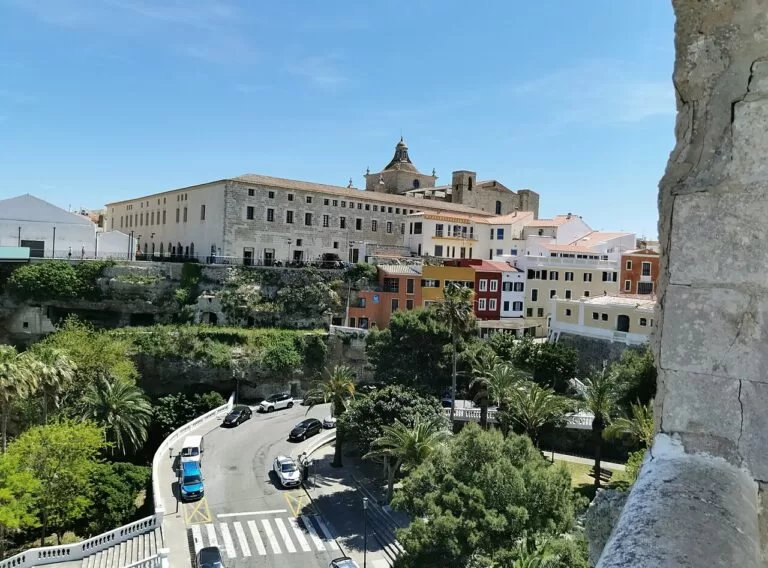
Menorca: talayots, harbours and the Camí de Cavalls
Talayotic Menorca was inscribed on the UNESCO World Heritage List in 2023: nine component parts with navetas, talayots, taulas and circular houses, dating from about 1600 BCE to 123 BCE, managed by the Island Council (UNESCO). Near Ciutadella, excavations at the Naveta des Tudons, a funerary monument shaped like an upturned ship, found up to a hundred individuals; the necropolis of Calescoves has more than ninety burial caves cut into the cliffs, and the village of Torralba d’En Salort lies between Alaior and Maó (Illes Balears). UNESCO declared the whole island a biosphere reserve on 8 October 1993 (UNESCO).
The Camí de Cavalls, long-distance trail GR 223, is a historic 185 km route around Menorca in 20 stages (Camí de Cavalls). Above Es Mercadal, El Toro is the island’s highest mountain at 358 m (Illes Balears), and near Ferreries stand the ruins of the Castell de Santa Àgueda (Illes Balears). Maó’s natural harbour is over six kilometres long (Ports de Balears); Maó has the Teatre Principal, the oldest opera house in Spain, and the Hauser & Wirth gallery on the islet of Illa del Rei (Illes Balears). Es Castell, which the English named Georgetown, is the most easterly municipality in Spain (Illes Balears), and Sant Lluís was built during the French domination of the 18th century (Illes Balears). At the other end of the island, crowds gather at sunset near the Punta Nati lighthouse outside Ciutadella (Illes Balears), which has a Catalan Gothic cathedral (Illes Balears).
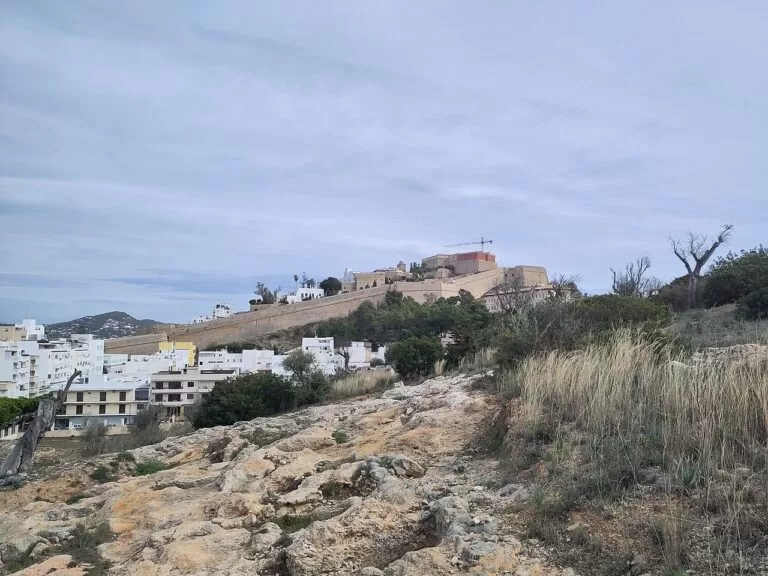
Ibiza and Formentera
“Ibiza, Biodiversity and Culture” was inscribed as a World Heritage site in 1999 under both cultural and natural criteria. It includes the Posidonia seagrass meadows offshore, the archaeological sites of Sa Caleta and Puig des Molins, and the fortified Upper Town, Dalt Vila, which UNESCO calls an outstanding example of Renaissance military architecture (UNESCO). The walls of Dalt Vila date from the 16th century, and more than 3,000 underground tombs have been counted at Puig des Molins (Illes Balears). Sant Antoni de Portmany is known for sunsets on the coast of Ses Variades; the Cova de ses Fontanelles nearby holds cave paintings from about 1,000 BC, and Sant Rafel is an area of artisan ceramics (Illes Balears). In Santa Eulària des Riu, the fortified church on Puig de Missa looks over a marina and a Roman bridge, and the Las Dalias and Es Canar markets open on Saturdays and Wednesdays (Illes Balears). Sant Joan de Labritja, in the north of the island, lies close to the villages of Sant Miquel, Sant Vicent and Sant Llorenç, and its church was built in the 18th century (Illes Balears).
Formentera covers 83 km² and stretches some 20 km from end to end (Formentera Tourism), with slightly over seven thousand inhabitants; it shares the Ses Salines Natural Park with Ibiza (Illes Balears). The island is practically flat, La Mola being the only real climb, and 32 signposted green routes give more than 100 km of trails, many of them good for cycling (Formentera Tourism); the route from La Savina to Ses Illetes is 3.3 km (green routes).
When to go
Average temperature and rainfall at Palma de Mallorca Airport, from Spain’s weather agency AEMET for 1981–2010 (AEMET).
The annual mean at Palma is 16.5 °C with 411 mm of rain and 2,756 hours of sunshine, 342 of them in July. The other airports are similar: Ibiza averages 25.6 °C in July and 11.9 °C in January (AEMET Ibiza), Menorca 24.9 °C and 10.8 °C (AEMET Menorca). Almond trees around Andratx blossom in February and March (Illes Balears). Menorca’s summer festivals start with Sant Joan in Ciutadella in June (Illes Balears), with horses and their riders, the caixers, at the centre (Illes Balears); Cala en Porter celebrates on the third weekend of September (Illes Balears). In Mallorca, Maria de la Salut has its tomato festival in August, and Santa Margalida’s Beata procession is held on the first Sunday of September (Illes Balears).
Itineraries
Both plans are for Mallorca, with places that have their own CostaMap page. The Sóller train runs between Palma, Bunyola and Sóller (Tren de Sóller); for Menorca, Ibiza or Formentera, add days and take a ferry or a short flight.
Three days
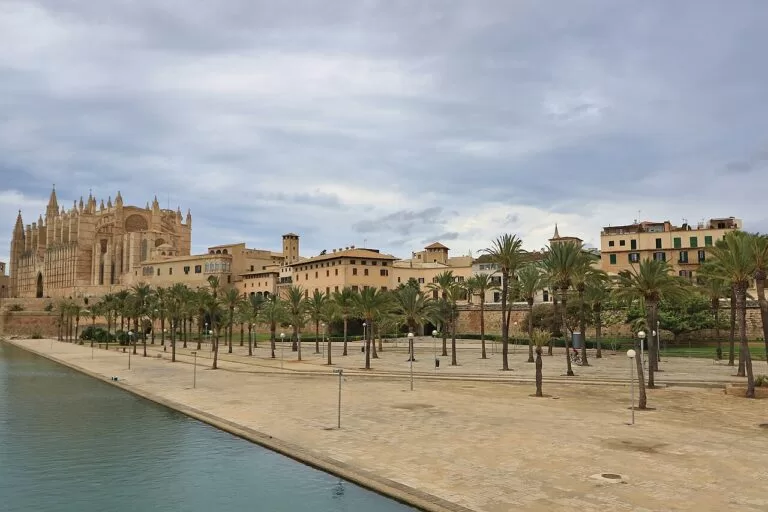
Day 1
Palma
Start at La Seu, built between the 14th and 16th centuries; from April to October the cathedral offers a 360-degree tour of its terraces. Cross to the Almudaina Royal Palace opposite, one of the residences of the Spanish Royal Family, then walk to the Mercat de l’Olivar for tapas at lunch. In the afternoon head up to Bellver Castle, 3 km from the centre of Palma at 112.6 m above sea level – its circular shape is unique in Spain, and it houses the City History Museum. Spend the evening on the 5.5 km seafront promenade.
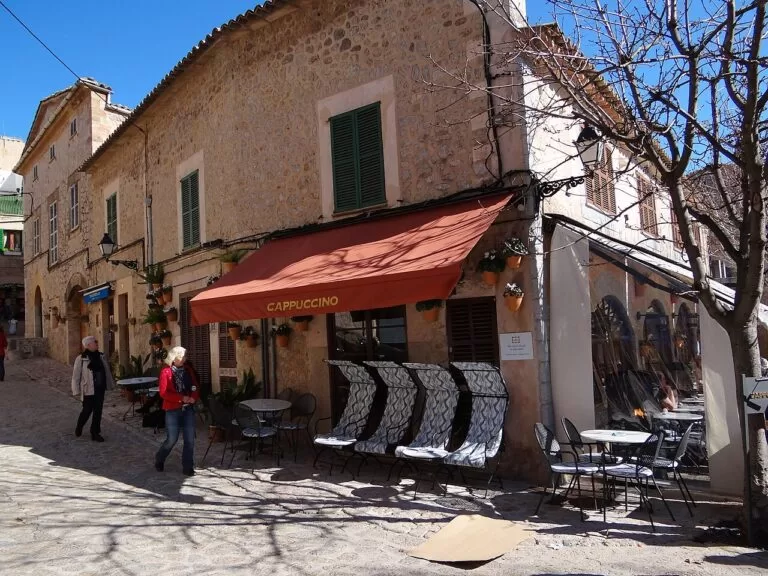
Day 2
Valldemossa and Deià
Valldemossa is 17 km from Palma, so arrive in the morning for the 15th-century Charterhouse and cell number 4, where Frédéric Chopin spent a winter – the village was the setting for his romance with George Sand. Its small port at Cala Sa Marina is 6 km away. Continue along the Tramuntana coast, a UNESCO World Heritage landscape since 2011, marked by agricultural terraces, to Deià. Spend the afternoon and evening among its picturesque stone houses, cafés and art galleries; the village keeps a bohemian air from the many artists who have passed through it.
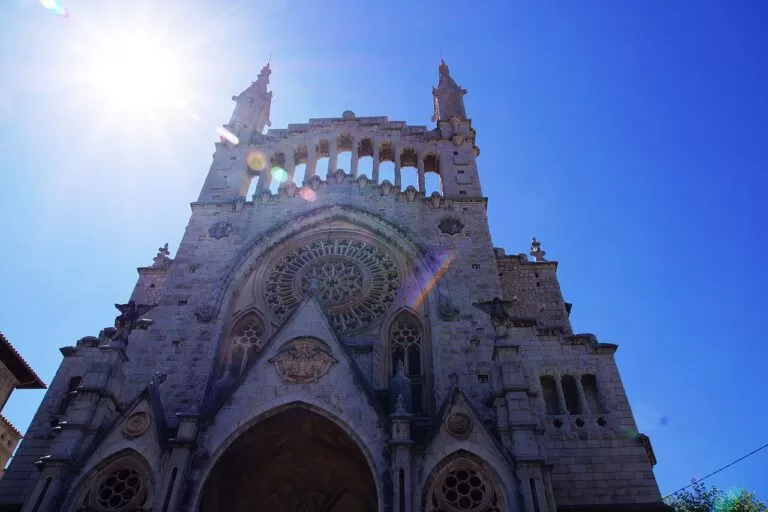
Day 3
Sóller by train
Take the wooden train from Palma, on a line inaugurated in 1912, via Bunyola and through the 2,856 m tunnel under the Serra d’Alfàbia to Sóller, a town that prospered from growing oranges and lemons. After lunch, ride the tram on the half-hour trip to Port de Sóller; when it opened on 4 October 1913 it was the first electric tram line in Mallorca. The port has Sóller’s only beach. Later in the day, detour up to Fornalutx, recognised as one of the most beautiful villages in Spain.
Seven days
Days 1–3: as above, based in Palma or Sóller.
Day 4
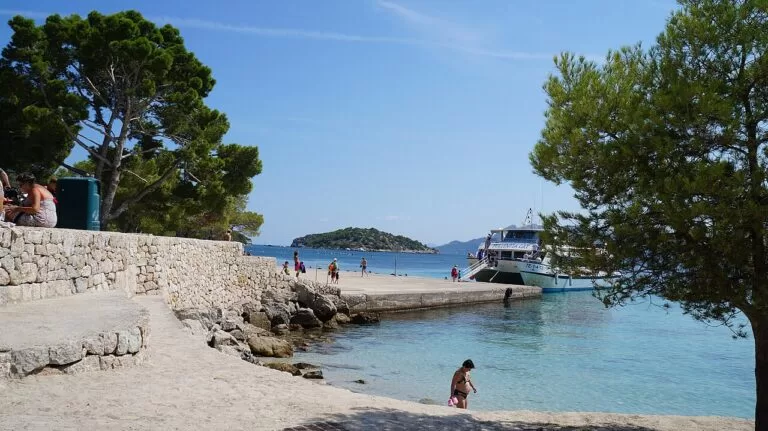
Pollença and Formentor
In the morning climb the 365 Calvari steps in Pollença, one for each day of the year. Walk on to the Roman bridge, still in use. In the afternoon drive out to the Mirador de Sa Creueta over the Formentor cliffs; the Formentor lighthouse stands on a cliff over 200 metres high. Formentor beach, a long sandy beach backed by pine trees, is 16.1 km from Pollença, and in summer boats run there from Port de Pollença. Spend the evening in the port, which has kept the feel of an old fishing town.
Day 5
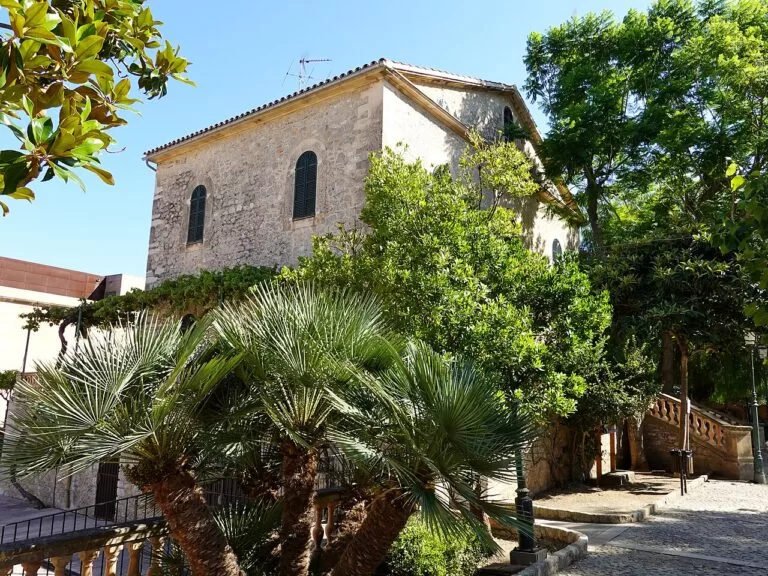
Artà and Capdepera
In Artà, climb the 180 steps to the 14th-century fortress and Sant Salvador Sanctuary; on Tuesday mornings a craft market is held on the Na Batlessa estate. Then visit Ses Païsses, a talayotic village dating back to around 1000 BCE, where 13,500 m² are enclosed by a 374-metre wall. In the afternoon go on to the castle of Capdepera, a 14th-century fortification built by order of King Jaume II against pirate attacks. End the day with a swim at Cala Agulla, the 600-metre beach between Cala Mesquida and the port of Cala Rajada.
Day 6
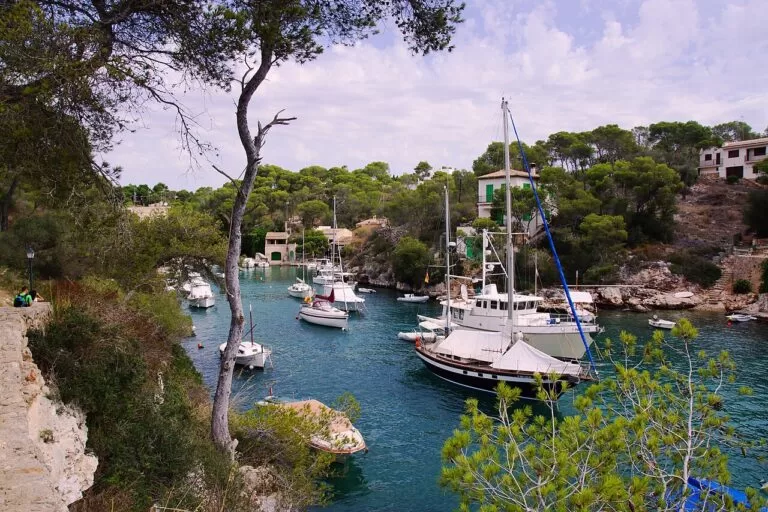
Santanyí and the south-east coves
Plan the morning in Santanyí for a Wednesday or Saturday, when the market is held in the Plaça Major. Then drive to Mondragó, declared a natural park in 1992 and covering more than 700 hectares; its hiking routes take on average between 15 and 45 minutes. In the afternoon head for Caló des Moro: you park about 1 km away, near the houses of Sa Comuna, and walk in. Boat excursions to Cabrera, the only national park in the Balearic Islands, leave from Colònia de Sant Jordi.
Day 7
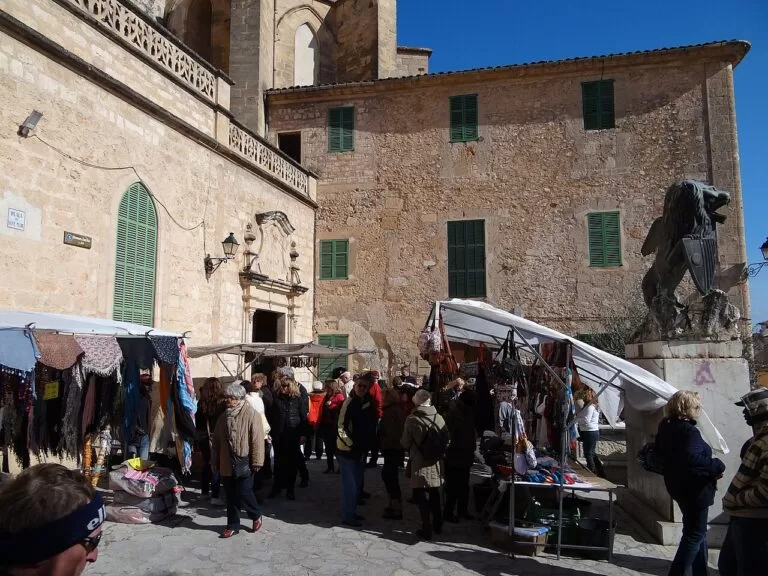
Sineu market and the Pla
The Wednesday market of Sineu runs from 8:00 to 14:00 at Plaça d’Es Fossar, under a privilege King Jaume II granted in 1306; he also built a royal residence in the town in the 14th century. Arrive early, then continue to Petra, birthplace of Fray Junípero Serra, the Franciscan friar associated with founding California – Petra has its own weekly food market on Wednesday mornings. Spend the afternoon at the Els Calderers estate, an old Mallorcan possessió in Sant Joan, a small farming village of 1,600 inhabitants, before returning to the coast for the evening.
Getting there and around
By air
Palma de Mallorca Airport (PMI) is 8 km from the city; its traffic is mainly international and peaks in summer, and Aena counted 33,806,427 passengers there in 2025 (Aena, OurAirports). EMT bus A1 runs to Palma centre and A2 to S’Arenal, and TIB lines such as A11 (Camp de Mar), A32 (Can Picafort), A42 (Cala Bona) and A51 (Campos) go to the resorts (Aena). Menorca Airport (MAH) is about 4.5 km south-west of Maó, linked by bus line 10 to the Maó bus station (Aena, bus, OurAirports). Ibiza Airport (IBZ) is 7.5 km from the capital and also serves Formentera; AERO buses 1 to 5 link it with Sant Josep, Sant Antoni, Ibiza town, Santa Eulària and Playa d’en Bossa (Aena, bus, OurAirports).
By sea
The Port Authority runs the ports of Palma, Alcúdia, Eivissa, Maó and La Savina (Ports de Balears). Palma’s port sits in front of the old town (Palma port), and Alcúdia handles traffic to Menorca and the mainland (Alcúdia port). GNV lists ferries from Barcelona to Palma, Mahón and Ibiza and from Valencia to Ibiza and Palma (GNV), about 6 h 15 min for Barcelona to Palma depending on weather and ship (GNV). Formentera has no airport: ferries from Ibiza port reach La Savina in about 30 minutes (Formentera Tourism), and in season a boat also runs direct to the mainland (transport).
On the islands
Mallorca’s public railway, SFM, was set up in 1994 (SFM); tickets are sold from machines at every station and at offices in Palma Intermodal, Inca and Manacor, and a train ticket does not cover a bus transfer (TIB). On Menorca, beach buses serve more than 25 beaches, with timetables on the island council’s Mou-T portal (Mou-T). To drive on Formentera from 1 June to 30 September, visitors need an authorisation from formentera.eco (formentera.eco); residents of the islands and electric vehicles were exempt from the fee, and cameras check vehicles at La Savina (Consell de Formentera).
Practical and safety
- Emergencies: 112 Illes Balears is free and answers 24 hours a day, 365 days a year, in Catalan, Spanish, English and German, among other languages (112 Illes Balears). People with hearing impairments can send an SMS to 900 112 100, within the islands only (112).
- Hiking: 112 Illes Balears has a form to register a hiking excursion, and offers tracking for mountain walks and diving (112, service charter).
- Wildfires: the high-risk season runs from 1 May to 15 October; fires are banned within 50 m of forest land and in any recreational area (Govern).
- Boats and Posidonia: uncontrolled anchoring is banned in Balearic waters, and anchoring on Posidonia seagrass is generally prohibited under Decree 25/2018. In buoy fields such as s’Alga on s’Espalmador, skippers must use the buoys (Govern).
- Tourist tax: a tax on tourist stays, under Law 2/2016, is charged per day in hotels, holiday rentals and on cruise ships calling at Balearic ports, and goes to a sustainable tourism fund (ATIB); in 2016 it raised 30 million euros for 46 projects (Illes Balears). Ask your accommodation for the current rate.
FAQ
Which Balearic island should I choose?
Mallorca for Palma, the Tramuntana villages and long beaches; Menorca for coves, talayots and the Camí de Cavalls; Ibiza for Dalt Vila and its markets; Formentera for beaches and cycling on flat green routes.
Is there a map of the Balearic Islands?
Yes. The map above shows every place on the islands with a CostaMap page. Tick a place type to filter it.
How do you get to Formentera?
Only by boat. Ferries from the port of Ibiza reach La Savina in about 30 minutes, and in season a boat also sails direct to the mainland. Ibiza Airport is the nearest airport.
What is Santa Margalida in Mallorca known for?
The Beata procession on the first Sunday of September, in honour of Santa Catalina Thomàs, and the Son Real necropolis, with sites almost 4,000 years old.
What is Petra in Mallorca known for?
It is the birthplace of Fray Junípero Serra, the Franciscan friar associated with founding California, and it has a food market on Wednesday mornings.
Is Manacor worth a visit?
Manacor is the largest town on Mallorca after Palma, with a Monday market and the Green Way to Artà. Its coast, Porto Cristo, is 12 km away, and the Drach and Hams caves are visited from there.
Is there a tourist tax in the Balearic Islands?
Yes. A tax on tourist stays is charged per day in hotels, holiday rentals and on cruise ships. Rates change, so check the current rate with your accommodation.
Neighbouring costas
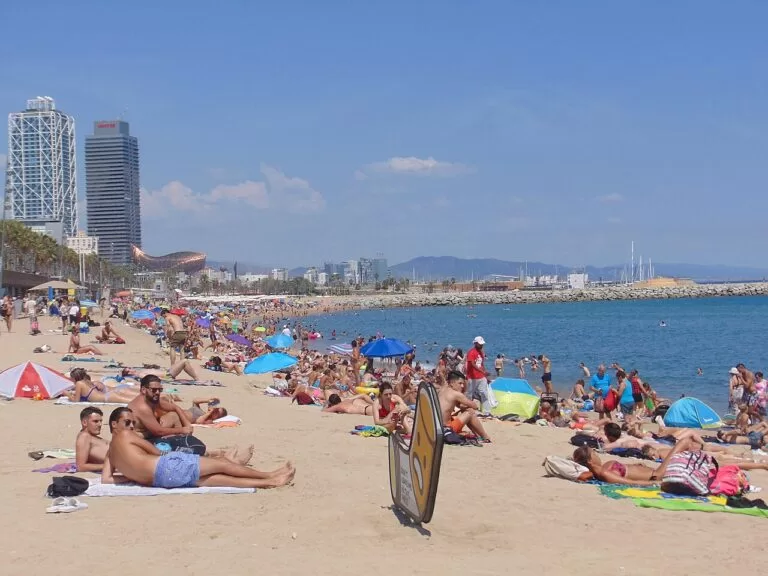
Costa de Barcelona
The coast around the city of Barcelona, where GNV ferries leave for Palma, Mahón and Ibiza.
Costa de Barcelona guide →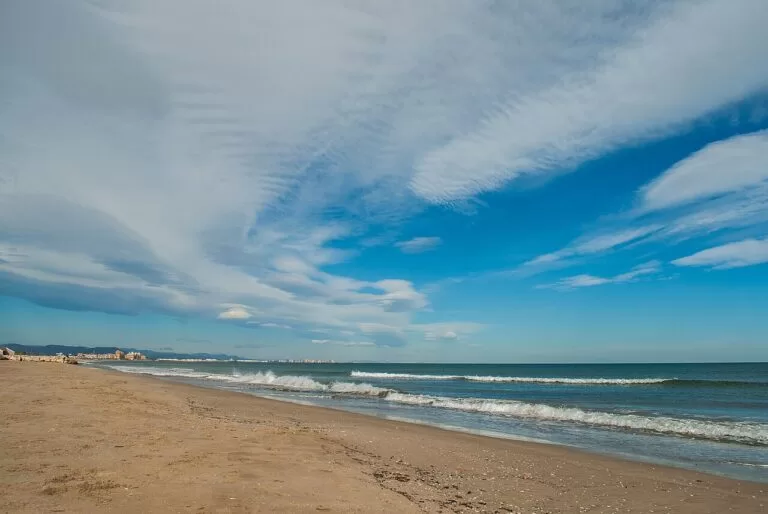
Costa de Valencia
The coast of Valencia province, with GNV ferries from Valencia to Ibiza and Palma.
Costa de Valencia guide →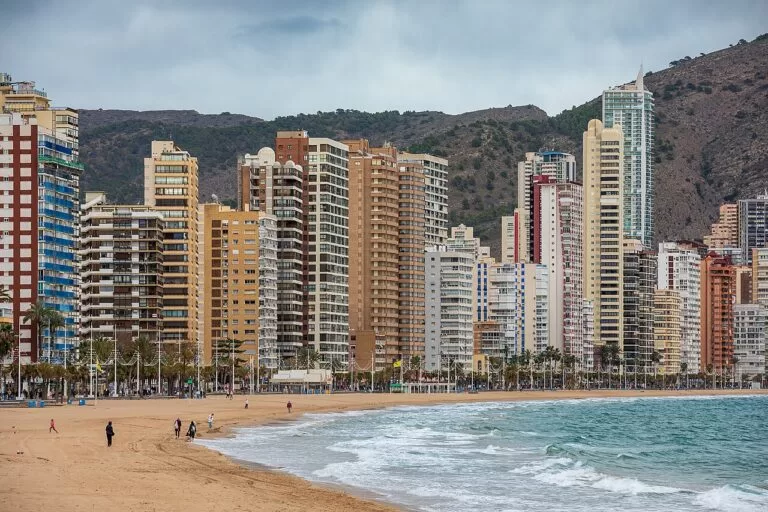
Costa Blanca
The coast of Alicante province on the mainland, from Dénia to Benidorm and Torrevieja.
Costa Blanca guide →Sources and freshness
Checked 5 October 2026 · 18 sources Show
- Checked 5 October 2026. The Balearic tourist board, illesbalears.travel, on Mallorca: Palma, La Seu, what to see in Palma, cathedral terraces, Bellver Castle, Calvià, Andratx, Sa Dragonera, Sant Elm, Valldemossa, towns to visit, Sóller, Fornalutx, Banyalbufar, Cala Banyalbufar, Esporles, Puigpunyent, Bunyola, Alaró, Pollença, the large bays, Formentor beach, Platja de Muro, Muro, S’Albufera, the Beata, Santa Margalida, Maria de la Salut, Llubí, Manacor, Capdepera, Capdepera castle, Artà, Son Servera, Sant Llorenç, Felanitx, Santanyí, Ses Salines, Campos, Llucmajor, Algaida, Sineu, Petra, Porreres, Montuïri, Vilafranca de Bonany, Sencelles, Sant Joan, Es Trenc, Es Trenc–Salobrar park, flor de sal, Mondragó, Cala Agulla, Caló des Moro, Península de Llevant, Ses Païsses, Coves dels Hams, Drach Caves, Cala Millor, Sa Coma, Migjorn Marine Reserve
- on Menorca: archaeology, Maó, Es Castell, Sant Lluís, Alaior, Es Mercadal, Ferreries, Ciutadella, what to see in Ciutadella, patron saint festivities, horses
- on Ibiza: Eivissa, Santa Eulària, Sant Antoni, Sant Joan de Labritja
- on Formentera: the island
- and the tourist tax. Formentera Tourism: Ses Illetes, where is it, transport, by bike, green routes. UNESCO: Serra de Tramuntana, Talayotic Menorca, Ibiza, Menorca Biosphere Reserve. Consell de Mallorca on the GR 221: route, stage 1, refuges
- Camí de Cavalls. Town and local sites: Pollença on El Calvari, Sant Antoni on Cala Salada, Visit Manacor on Porto Cristo and the Hams caves, Cuevas del Drach, Sineu market, Tren de Sóller (history, tram, train). Food and wine: Ministry of Agriculture on sobrassada, ensaïmada and Mahón-Menorca cheese
- Sobrasada de Mallorca (council, FAQ)
- DO Binissalem
- DO Pla i Llevant (site, Govern)
- Queso Mahón-Menorca
- Xoriguer. Cabrera: MITECO (park, history, fact sheet) and Parques Nacionales. Campsite, from its own website: Camping La Playa Ibiza. Transport: Aena on Palma (airport, bus), Menorca (airport, bus) and Ibiza (airport, bus)
- OurAirports on PMI, MAH and IBZ
- GNV (Balearic routes, Barcelona–Palma)
- Ports de Balears (ports, Palma, Alcúdia, Ibiza, Maó, La Savina)
- TIB (airport links, train tickets)
- SFM (site, about)
- Mou-T Menorca
- Formentera vehicles (formentera.eco, Consell de Formentera). Government of the Balearic Islands: ATIB on the tourist tax, 112 (service charter, deaf users, home), wildfire season, Posidonia and buoy fields. Climate: AEMET normals 1981–2010 for Palma Airport, Ibiza Airport and Menorca Airport
Photo credits · 42 photos from Wikimedia Commons Show
Photos from Wikimedia Commons, not altered except for cropping: Cala Macarella, Ciutadella, Menorca by Markus Trienke (CC BY-SA 2.0); Sa Calobra, Serra de Tramuntana, Mallorca by Harald Hoyer from Schwerin, Germany (CC BY-SA 2.0); Port of Ciutadella, Menorca by LANOEL (CC BY-SA 3.0); Dalt Vila, Eivissa, Ibiza by anibal amaro (CC BY 3.0); Ses Illetes, Formentera by Emanuela Meme Giudic… (CC BY 3.0); Pla de Mallorca by mateu mulet (CC BY 3.0); Formentera beach near Ses Illetes by Emanuela Meme Giudic… (CC BY 3.0); Watchtower at Banyalbufar, Mallorca by Foto Fitti (CC BY-SA 3.0); Banyalbufar, Mallorca by MARIA ROSA FERRE ✿ (CC BY-SA 2.0); Path at Sa Calobra, Mallorca by Nikolai Bakhmarov (CC BY 3.0); Petra, Mallorca by trolvag (CC BY-SA 3.0); Es Trenc, Mallorca by King Otto (CC BY-SA 3.0); Mondragó Natural Park, Santanyí by trolvag (CC BY-SA 3.0); Platja de Muro, Bay of Alcúdia by trolvag (CC BY-SA 3.0); Cala Guya, next to Cala Agulla by Isiwal (CC BY-SA 3.0); Cala Macarella, Menorca by Markus Trienke (CC BY-SA 2.0); Cala Galdana by Ben Salter from Wales (CC BY 2.0); Cala Salada, Ibiza by Philip Larson from McLean, VA, US (CC BY-SA 2.0); Ses Illetes, Formentera by Emanuela Meme Giudic… (CC BY 3.0); Palma Cathedral (La Seu), Palma by Fedoce1 (Fernando Domínguez Cerejido) (CC BY-SA 4.0); Port de Sóller, Mallorca by Marc Ryckaert ( MJJR ) (CC BY 3.0); Port de Pollença, Mallorca by trolvag (CC BY-SA 3.0); Cala Corb, Port of Maó, Menorca by Jorge Franganillo (CC BY 2.0); Passeig des Moll, Ciutadella, Menorca by Anka D. (CC BY 3.0); Dalt Vila from the port of Ibiza by Charles from Port Chester, New York (CC BY 2.0); Beach of Santa Eulària des Riu, Ibiza by Josi (CC BY 4.0); Bellver Castle, Palma by This Photo was taken by Wolfgang Moroder . Feel free to use my photos, but pleas (CC BY-SA 3.0); Coast of Banyalbufar, Serra de Tramuntana by Foto Fitti (CC BY-SA 3.0); Capdepera by Olaf Tausch (CC BY 3.0); Palma by Fullet (CC0); Maó, Menorca by User:Mateus2019 (CC BY-SA 4.0); Dalt Vila from Puig des Molins, Eivissa by Joan Gené (CC0); Palma Cathedral and the seafront, Palma by Fedoce1 (Fernando Domínguez Cerejido) (CC BY-SA 4.0); Valldemossa, Mallorca by Foto Fitti (CC BY-SA 3.0); Church of Sant Bartomeu, Sóller by King Otto (CC BY-SA 3.0); Formentor, Pollença by Nikolai Bakhmarov (CC BY 3.0); Artà, Mallorca by Olaf Tausch (CC BY 3.0); Cala Figuera, Santanyí by King Otto (CC BY-SA 3.0); Sineu, Mallorca by Foto Fitti (CC BY-SA 3.0); Barcelona by Nicholas Gemini (CC BY-SA 4.0); Valencia by Mihael Grmek (CC BY-SA 3.0); Benidorm, Costa Blanca by Ximonic (Simo Räsänen) (CC BY-SA 4.0).