
Small, quiet and unflashy: Llubí rewards visitors who slow down and care about texture—stone facades, narrow lanes and the agricultural rhythms of inland Mallorca. Don’t come expecting a coastal resort or a cluster of tourist attractions; come for daytime wandering, local produce and the sense of a working rural community centred on caper cultivation and traditional island life.
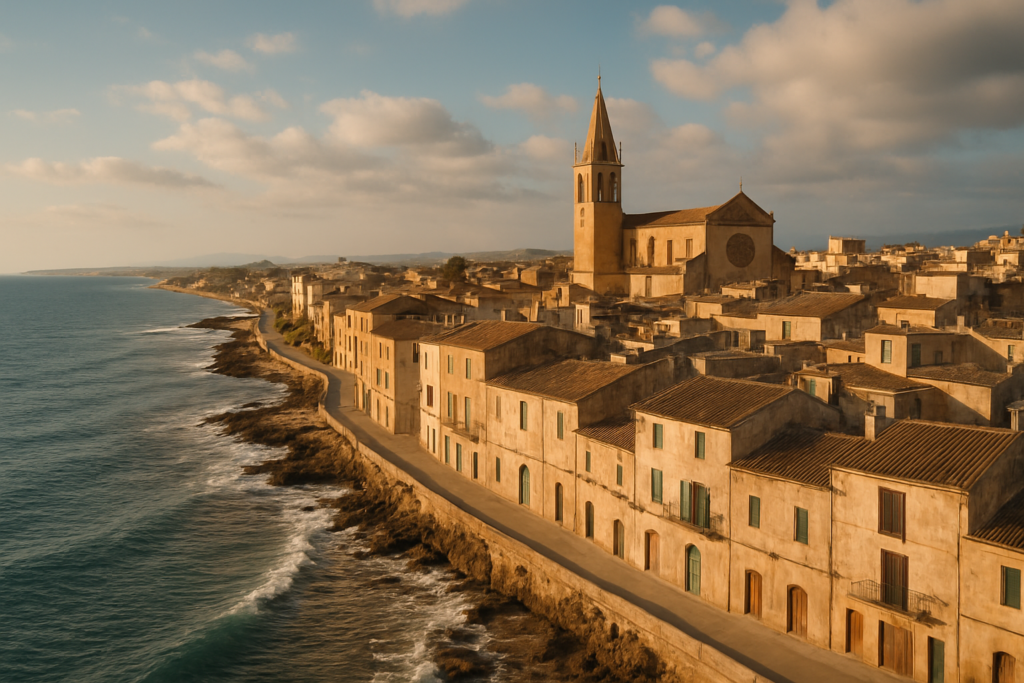
Llubí at a glance
- Location: a village in Mallorca’s Pla de Mallorca, roughly 45 km from Palma.
- Known for: caper cultivation that supplies local cuisine and markets.
- Local highlights: the parish church of Sant Feliu and a network of rural chapels and estates.
- Annual event: the village hosts a Honey Fair (Fira de la Mel) celebrating local honey and produce.
- Landscape: surrounding countryside planted with almond, carob and caper fields.
- Character: retains traditional Mallorcan stone architecture and quiet lanes; population around 1,800.
Before you plan
There are no major venue closures or redevelopment warnings in the sources we used. Llubí is a working agricultural village rather than a tourist hub, so opening patterns for small shops, fairs and chapels can be seasonal or occasional; check local listings close to your trip if you need a specific service or event date.
Things to do in Llubí
Expect a low-key program of strolls, market visiting and short cultural stops rather than museums and big-ticket attractions. Most visits centre on the village core, the parish church and the rural estates or chapels scattered through the Pla de Mallorca landscape. Below is a quick comparison of the handful of visitor-focused sights and experiences documented for the area.
| Attraction | What it is | Price/entry | Best for |
|---|---|---|---|
| Sant Feliu parish church | Village parish church standing in the centre of Llubí | – | architecture and quiet contemplation |
| Honey Fair (Fira de la Mel) | Annual fair celebrating local honey and produce | – | food lovers, families, local shopping |
| Caper fields and surrounding farmland | Working agricultural landscape of capers, almonds and carob | – | rural walks, photography, food-focused visitors |
| Rural chapels and estates | Heritage chapels and traditional manor estates in the Pla de Mallorca | – | heritage walkers and those interested in local history |
Sant Feliu parish church
The church stands in the village centre and forms the spiritual and visual heart of local life. Its presence gives the main square a quiet focal point for walkers exploring the lanes; the building is an accessible short stop while you browse nearby shops or a café. Take a few minutes to appreciate the stonework and the understated scale that matches the village rather than dominating it.
Working farmland: capers, almonds and carobs
Outside the lanes the landscape opens into fields planted with caper bushes alongside almonds and carob trees. This is not staged agritourism but productive countryside: capers here are part of the local culinary economy and are sold at village fairs. A slow walk or a short drive through the Pla de Mallorca lets you see the mosaic of parcels and the traditional field patterns that shape the area’s character.
The Honey Fair and local food
Llubí stages an annual Fira de la Mel that spotlights honey and other regional produce. The fair is the clearest moment in the calendar to sample local flavours and to buy artisanal products straight from producers. If your visit coincides with the event you’ll get the village at its most sociable, with stalls and neighbours assembling around food and craft.
Llubí with kids
Though there are no theme parks here, the village can be a pleasant, low-stress stop for families who enjoy gentle outdoor time and food-focused activities. The Honey Fair, when it runs, offers child-friendly browsing and tasting opportunities. The lanes and small squares are compact and walkable, so children can explore without the scale and crowds of a big town. If you’re travelling with small children expect short visits rather than a packed sightseeing schedule.
How to get to Llubí and get around
The village sits in Mallorca’s interior at a distance of about 45 km from the island capital, Palma. That makes it an easy day trip from larger towns for people with a car; within the village itself the scale is compact enough to explore on foot along quiet lanes and around the central square.
Where to stay
Llubí is primarily a day-visit and local-lifestyle destination rather than a hotel centre. Accommodation options are limited inside the village; many visitors base themselves in nearby towns or in Palma and make a short excursion into the Pla de Mallorca. Staying in a rural finca or a small guesthouse in the surrounding municipalities keeps you close to the countryside and its agricultural rhythms.
Best time to visit
Because so much of the village experience revolves around outdoor markets, fairs and agricultural scenery, aim for the months when local events and harvest rhythms are active. The Honey Fair is an annual highlight; otherwise the village’s quiet lanes and rural views are pleasant for most of the year. Weather and visitor density vary across the island, so pair a village visit with your wider Mallorca itinerary to match your preferred conditions and event calendar.
History of the village
Llubí sits within the Pla de Mallorca, a largely agricultural plain whose heritage is expressed through small chapels, manor estates and farmed landscapes. The village’s built fabric preserves traditional Mallorcan stone architecture: narrow lanes, compact squares and parish buildings that have historically organised community life. Over generations the local economy has centred on Mediterranean crops—capers being particularly associated with the area—linking the present-day village closely to the fields that surround it.
Practical info
Llubi is a compact rural municipality with basic local services aimed at residents and visitors passing through. Small shops and stalls sell local produce at certain times, particularly during fairs. The village’s network of lanes and its central church make walking the default way to explore the immediate area; for wider touring into the Pla de Mallorca a car gives the greatest flexibility. The local population is around 1,800, so services that work in larger towns can be limited here—plan accordingly for groceries, opening hours and specialised services.
Worth it for: travellers who enjoy slow rural walks, local food and the textures of traditional Mallorcan village life; those interested in capers, honey and small-scale agricultural fairs. Less so if: you want beaches, nightlife or a packed programme of museums and attractions — Llubí is best slotted into an island itinerary as a quiet, local stop.
How we assess this guide
We compiled this guide by cross-checking multiple verified sources focused on the Pla de Mallorca and Llubí. We highlight the village’s agricultural specialities, heritage buildings and the annual Honey Fair using only claims confirmed by our sources. We flag potential variability in opening times and events, and we do not rely on single, unverified reports or on first‑hand field reporting for this entry.
Frequently asked questions
How far is Llubí from Palma?
The village lies about 45 km (roughly 28 miles) from Palma, situated in Mallorca’s rural interior.
What is Llubí known for?
The area is best known for caper cultivation; capers from here are used across Mallorcan cuisine and sold at local fairs.
When does the Honey Fair take place?
Llubí holds an annual Honey Fair (Fira de la Mel) celebrating local honey and produce. Our sources confirm the fair occurs each year, but they do not specify the exact date—check local event listings for the current year’s schedule.
Is the village suitable for a day trip?
Yes. The village’s compact centre and agricultural surroundings make it well suited to a focused half-day or full-day visit combined with exploration of nearby Pla de Mallorca villages.
Can you walk around without a car?
Within the village the network of lanes and the small central area are easily explored on foot. For visiting dispersed rural chapels, estates and fields in the wider Pla de Mallorca, a car provides greater convenience.
Are there beaches in Llubí?
No. This is an inland agricultural village. The nearest coastal beaches are elsewhere on Mallorca, so combine a village visit with coastal stops if you need seaside time.
Is Llubí family-friendly?
Families who enjoy calm outdoor time and food-related events will find the village pleasant, especially during the Honey Fair when stalls and local products create a festive atmosphere suitable for children.
What can I buy locally?
Local markets and fairs sell regional produce; capers are a signature product, and the Honey Fair focuses on honey and related food items.
Are there guided tours of the farmland or caper fields?
Our sources document the agricultural character of the surrounding countryside but do not list organised guided tours. If you want a structured visit, check local tourism offices or event listings close to your travel dates.
How big is the village?
The municipality has a small population—around 1,800 inhabitants—so services and facilities are limited compared with larger towns on the island.
What are the main sights to see?
The parish church of Sant Feliu is the central built highlight; beyond that, the village’s appeal lies in walking its lanes, visiting local fairs and viewing the surrounding agricultural landscape with almond, carob and caper plantings.
Is parking available?
Specific parking facilities are not detailed in our sources. Given the village’s small scale, on‑street and village-square parking options typically serve visitors and residents; if you need guaranteed or secure parking, arrange it in nearby larger towns or ask your accommodation host.
What should I do on a rainy day?
Rain rarely spoils a short village visit: you can shelter in a café or visit the parish church and any nearby covered market stalls. Because this is a small, rural place, rainy-day options are limited compared with urban centres—plan an alternative in a larger nearby town if you need extensive indoor activities.
Are the rural chapels open to visitors?
The chapels and estates are part of the Pla de Mallorca heritage and form visible stops in the landscape. Opening hours can vary and many are modest sites rather than staffed attractions; treat them as heritage markers you can view from public ways unless a sign indicates otherwise.
Can I buy Llubí capers outside the village?
Capers grown in the area are used in Mallorcan cuisine and are sold at local fairs; they may also appear in markets and specialty food shops elsewhere on the island, but availability depends on local supply chains and retail stock.
Plan the wider trip
Llubi on the map
How this page is maintained. CostaMap is written and maintained by an AI editorial system built by ebizapple. Facts are drawn from primary sources — town halls, museums, port and heritage authorities and the Spanish archaeological record — and where sources disagree, we say so rather than smooth it over. Photographs marked as ours are taken on location. This page was last reviewed on 14 August 2026. Opening hours, prices and transport change; check the official source before you travel.