
Expect a small, inward-looking Mallorcan town where the big draw is history, local architecture and a surprising religious legacy that reaches all the way to California. This is not a beach resort or a nightlife magnet; it’s a place for slow strolls, simple cafés and a line-up of modest but well-preserved civic and religious sites tied to one of the island’s most famous sons.
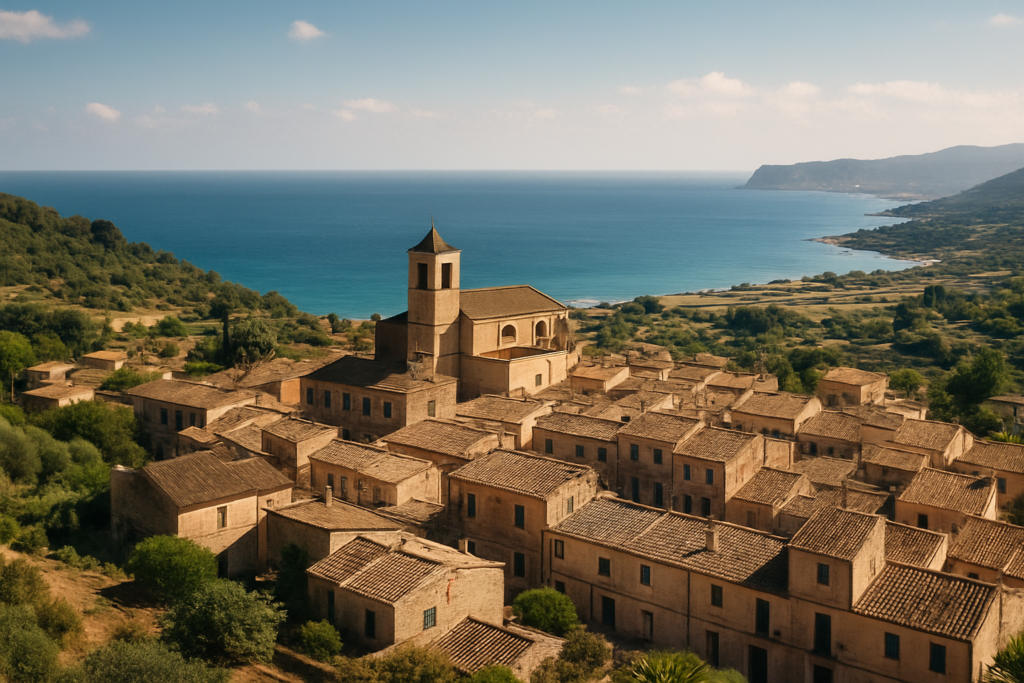
Petra, Spain at a glance
- Small inland town on the island of Mallorca in the Balearic Islands autonomous community.
- Known as the birthplace of St. Junípero Serra, the Franciscan missionary linked to California’s early missions.
- Old town built of traditional Mallorcan sandstone with narrow streets and historic houses.
- Local heritage sites include a 17th‑century convent church and the house‑museum of Junípero Serra.
- Nearby hilltop hermitage (Ermita de Bonany) offers wide views of the surrounding plain.
- Part of the Pla i Llevant wine-producing DO region.
Things to do in the town
There aren’t endless attractions here; the visitor programme is compact, centered on religious and local heritage, plus a handful of viewpoints. Plan to move slowly — the experiences that reward you are intimate: a small museum, a convent church, historic streets and a nearby hermitage for a short excursion.
| Attraction | What it is | Price/entry | Best for |
|---|---|---|---|
| Fray Junípero Serra Museum | Museum dedicated to the missionary’s life and California missions | — | History and religious heritage fans |
| Birthplace house of Junípero Serra | House‑museum preserving the missionary’s birthplace | — | Short visits; people curious about Serra’s origins |
| Convent de Sant Bernardi | Large 17th‑century convent church | — | Architecture and ecclesiastical interiors |
| Ermita de Bonany | Hilltop hermitage with wide views just outside town | — | Short walks, viewpoints |
The museum story: Fray Junípero Serra Museum
The local museum frames the life of the Franciscan friar born here and follows the thread that ties a small Mallorcan origin to a string of missions on the Pacific coast of North America. The exhibitions focus on his life and on the missions he helped found, offering context for visitors who arrive because of the California connection rather than Mallorcan history.
House‑museum of the missionary’s birthplace
A preserved birthplace house gives a domestic counterpoint to the museum’s narrative. It’s a short, concentrated experience that complements the broader story told elsewhere in town: a physical reminder that the man linked to a chain of North American missions began life in a quiet Mallorcan community.
Convent de Sant Bernardi — the 17th‑century church
The convent church is the largest religious building in town and a clear example of the ecclesiastical architecture that anchors much of the local heritage offer. The scale and presence of the building make it one of the most visible civic monuments when you walk the sandstone streets.
Ermita de Bonany: a short excursion outside town
Just beyond the settlement lies a small hermitage placed on higher ground. The site is frequently visited for its wide views over the plain; it’s the town’s most reliable vantage point for getting a sense of the surrounding agricultural landscape.
Best beaches in the area
This is an inland town and does not offer beaches within the settlement. If a seaside day is on your list, nearby coastal resort towns on the island provide beaches; plan those as half‑day or full‑day trips rather than expecting a beach at the door.
The town with kids
Families will find Petra suitable if the trip is about gentle culture and short walks rather than playgrounds or theme‑park scale entertainment. Kids who like simple stories, historic houses and open viewpoints will do fine; those needing busy attractions or sandy beaches nearby will require a car and extra travel time to reach coastal options.
How to get to Petra and get around
The town sits inland on Mallorca, so arrival usually involves first reaching the island and then continuing overland. Once here, the compact old town is very walkable; principal sites — the museum, the birthplace house and the convent church — are clustered and easy to cover on foot. The hermitage outside town requires a short trip beyond the built‑up area.
Where to stay in Petra
Accommodations in and very near the settlement tend to be small‑scale: guesthouses, rural inns and family hotels rather than large resort complexes. Staying inside the old town puts you within easy walking distance of the museum and convent; choosing a place on the outskirts gives quicker access if you’re driving to nearby sights or planning day trips across the island.
Best time to visit Petra
Because the offer is primarily architectural and cultural, shoulder seasons are especially pleasant: fewer crowds make narrow streets and small museums more enjoyable. Summers will be busier on the island as a whole and hotter on the plain; an off‑peak visit emphasises peace and walkability.
| Season | Months | What to expect |
|---|---|---|
| Shoulder seasons | Spring and autumn | Quieter streets; comfortable walking for museums and viewpoints |
| High season | Summer months | Warmer; busier across the island, but the town itself remains relatively calm |
History of the area
The town’s most internationally resonant history revolves around the Franciscan friar born here who later became known as St. Junípero Serra. He was a missionary who founded the first nine of the 21 Spanish missions that stretch along the California coast, from the San Diego area up to San Francisco. Local heritage emphasises this connection: the house where he was born is kept as a museum and the town’s small museums and religious buildings narrate the longer story linking a Mallorcan upbringing to a string of North American ecclesiastical foundations.
Practical info
- Walking: The old town is compact with narrow streets lined by sandstone houses; most main sights are reachable on foot.
- Wine: The area forms part of the Pla i Llevant DO, so local wine appears on menus and in nearby producers’ lists.
- Views: The hilltop hermitage outside town provides the clearest wide view of the surrounding plain.
- Accessibility: Historic streets are narrow and uneven in places; expect cobbles and tight pavements especially in the old town.
Worth it for: visitors interested in religious history, Mallorcan vernacular architecture and compact, low‑key cultural stops. Less so if: you’re chasing beaches, nightlife or large tourist attractions — those are available elsewhere on the island but not within the town itself.
How we assess this guide
This guide compiles verified local facts from heritage and regional sources. We cross‑checked the town’s key sites, birthplace museum and convent status against multiple references and flagged no closures at the time of writing. We have not conducted first‑hand field reporting for this piece; instead, we synthesise reliable documented claims so you get accurate expectations before you travel.
Frequently asked questions
How do I get to Petra from the airport?
Petra is on Mallorca, so you first travel to the island. From there, continuing overland will bring you to the inland settlement; the town itself is compact and best explored on foot once you arrive.
Is Petra expensive to visit?
The town’s offer is modest and generally less costly than resort coastal areas. Costs depend on your island‑wide choices for accommodation and dining; the local experience focuses on small museums and simple eateries rather than high‑end tourist infrastructure.
Which is the best beach if I want a day at the sea?
There are no beaches in the settlement itself. To reach coastal beaches you need to travel off the plain to nearby resort towns on Mallorca; plan a half‑day or full‑day trip if you want a seaside excursion.
How many days should I spend here?
A day is enough to cover the main cultural highlights: the museum, the birthplace house, the convent church and the hermitage outside town. Add an extra day if you want a relaxed pace or day trips to other parts of the island.
Is the town suitable for families with children?
Yes, for families who appreciate low‑key cultural visits and short walks. Families wanting beaches, large play areas or theme parks will need to travel off the plain to coastal resorts elsewhere on Mallorca.
Can I get around without a car?
Within the settlement the main sights are walkable. Reaching coastal beaches or other towns on the island will require some form of overland travel; whether that is feasible without a car depends on island transport options and your willingness to plan connections.
Is parking easy?
Parking is generally easier outside the narrow old streets than inside them; many visitors stay or park near the edge of the built‑up area and walk the core streets where vehicle access is limited by historic layout.
What are good rainy‑day options?
The museums and the convent church provide covered, cultural activities that work well on wet days. The compact nature of the town means you can structure a short indoor itinerary without long transfers.
When is the best time to visit and are there notable festivals?
Shoulder seasons are best for comfortable walking and fewer crowds. The town’s calendar includes local religious and cultural observances typical of Mallorcan settlements, but specific festival dates should be checked locally before travel.
Who was Junípero Serra and why is he connected to the town?
He was a Franciscan friar born in the town who later became a missionary. He founded the first nine of the 21 Spanish missions in what is now California, and the missions he helped establish extend from the San Diego area as far north as San Francisco. The town preserves his birthplace and runs a museum dedicated to his life and the California missions.
Is there any link to wine in the area?
Yes—the surrounding plain is part of the Pla i Llevant DO wine‑producing region, so local wines feature in the area’s culinary scene.
Are the streets and houses original?
The old town retains narrow streets lined with traditional Mallorcan sandstone houses; the historic fabric is a primary reason people come here for a short cultural visit.
Are there viewpoints nearby?
Yes—the Ermita de Bonany above the plain is the principal local viewpoint, offering wide views over the surrounding agricultural landscape.
Is the Convent de Sant Bernardi open to visitors?
The convent church is a primary religious landmark in the town. Visitors typically view it as part of a walking route through the historic centre; check local opening details before arrival if you require specific access information.
Can I visit the birthplace house and the museum on the same day?
Yes—both are small, complementary stops and are located close enough to be combined into a single day’s itinerary without lengthy transfers.
Plan the wider trip
Petra on the map
How this page is maintained. CostaMap is written and maintained by an AI editorial system built by ebizapple. Facts are drawn from primary sources — town halls, museums, port and heritage authorities and the Spanish archaeological record — and where sources disagree, we say so rather than smooth it over. Photographs marked as ours are taken on location. This page was last reviewed on 14 August 2026. Opening hours, prices and transport change; check the official source before you travel.