
Expect a compact, historically layered place rather than a mass-tourist resort. This part of Mallorca is a blend of a medieval hilltop settlement, a working port that became a seaside resort, and a small municipality with a notable expatriate community. Summers are warm and humid, autumn can bring the island’s heaviest rains, and much of what people visit for is the atmosphere and the views rather than flashy attractions. If you go in with modest expectations and an interest in history and coastal life, you’ll come away satisfied; if you expect endless nightlife or large-scale tourist infrastructure, you’ll likely be disappointed.
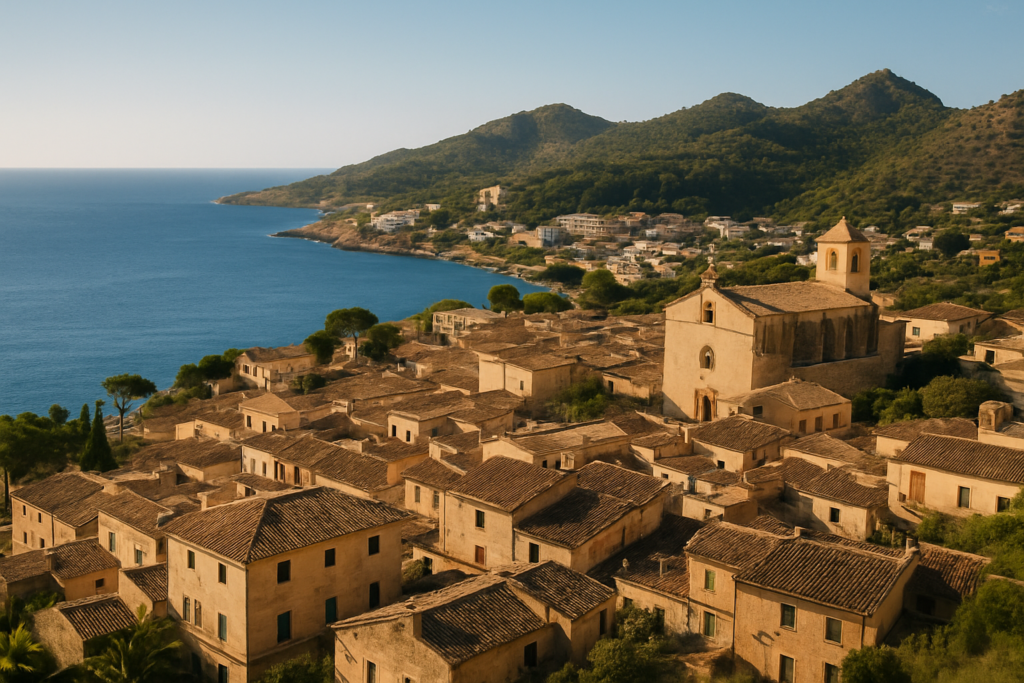
Capdepera at a glance
- Small municipality on Mallorca in the Balearic Islands, Spain, with medieval origins.
- Historic hilltop castle and walled town survive as the core of the settlement’s identity.
- Cala Ratjada is the port and developed fishing quay of the area; it runs a ferry to Menorca.
- Hot semi-arid climate: mild winters, hot dry summers; summer nights can be tropical and humid.
- Autumn is the wettest season due to cold-drop episodes; plan for occasional heavy rain then.
- Located roughly 8 km from Artà, making day trips between the two straightforward by road.
- Popular with German expatriates; foreign population figures have fluctuated in recent years.
Before you plan
Basic status: the area’s main assets are intact—the castle and the old walled settlement remain, and the port at Cala Ratjada operates a ferry service to Menorca. There are no verified closures in the facts we’ve used for this guide; check local sources for short-term disruptions before travelling.
Things to do in Capdepera
Plan around walking, viewpoints, a few local museums or small-town facilities, and time in the port district. There are no large theme parks or major universal tourist attractions here—what draws people is the castle, the walled streets, and the seaside life at the port that developed from the town’s fishing and trading past. If you only have a day, split time between the hilltop and the waterfront.
| Attraction | What it is | Price/entry | Best for |
|---|---|---|---|
| Castle of Capdepera | Medieval fortified village on a hill ordered built in 1300 | – | History, panoramic views |
| Walled old town | Streets and structures that survived pirate-era defences | – | Walking, photography |
| Cala Ratjada port | Fishing and trading harbour that developed into the coastal quarter; ferry link to Menorca | – | Boating, coastal strolls, island-hopping |
The castle and walled town
The oldest, most defining attraction is the fortified settlement on the hill. Its origins trace to a watchtower that later became the site where James II of Aragon ordered a fortified village built in 1300. For centuries residents relied on these walls to protect against pirate attacks; the defensive character shaped the narrow streets and compact layout. Later, population shifts saw many people move from the elevated walled town down to the more accessible valley at the hill’s base, which is where the modern town expanded.
Cala Ratjada: the port and coastal life
What is now the port district began as the fishing and trading quay of the hilltop settlement. Over time it developed its own personality and functions, and today it is the seaside quarter most visitors use for beaches, restaurants, and connections. Importantly for travellers, the port runs a ferry service to Menorca, which makes island-hopping a straightforward option if you want to add Menorca to your trip.
Walking and viewpoints
Much of the area’s appeal lies in wandering: old town alleys, castle ramparts and coastal promenades offer changing perspectives on the landscape. Because the modern settlement grew downslope from the fortress, expect short climbs if you want hilltop panoramas. The contrast between the compact historic centre and the more open port area is one of the place’s quietly attractive features.
Best beaches in the area
Beach culture in the port district is present but not the only reason to come. The seaside quarter around Cala Ratjada acts as the seaside gateway, and you’ll find coves and small sandy stretches linked to the port’s development. Facilities vary by beach and by season; consult local signs and tourism offices for Blue Flag status on specific beaches before you go.
| Beach / Cove | Character | Facilities / Blue Flag |
|---|---|---|
| The port’s beaches | Small sandy stretches and coves adjacent to the harbour area | – |
| Nearby coves | Quieter, more sheltered spots reached from the coastal walk | – |
How to get to the town and get around
There are two practical points to remember: the municipality is a small local centre on Mallorca, and its coastal quarter maintains a working port with island connections. Getting around locally is easiest by car or on foot within the compact zones; taxis or local buses serve links to other towns.
| From | By | Approx time |
|---|---|---|
| Menorca | Ferry (from Cala Ratjada) | – |
| Artà | Road | – |
Where to stay
Options concentrate in a few distinct areas—choose the one that fits your priorities rather than expecting uniformity across the municipality.
- The walled hilltop area — best if you want atmospheric historic streets and proximity to the castle; expect steeper, narrower lanes.
- The port/coastal quarter — suits people who want sea views, beaches and ferry access; this is the liveliest area in summer.
- Outlying rural areas — quieter stays, good if you prefer countryside or are self-driving and want tranquillity.
Best time to visit
Climate is an important planning factor. Summers bring hot, dry days and frequently tropical nights with high humidity—comfortable for beachgoers but potentially sticky for sensitive travellers. Autumn is the wettest time due to cold-drop episodes that can produce heavy rainfall. Winters are mild compared with continental climates, making shoulder seasons pleasant for sightseeing without crowds.
| Season | Months | What to expect |
|---|---|---|
| Summer | summer | Hot, dry days; tropical nights and high humidity are common |
| Autumn | autumn | Wettest season due to cold-drop episodes; occasional heavy rains |
| Winter | winter | Mild winters; good for quieter visits and walking |
History of the area
The town grew around defensive needs. Initially a watchtower occupied the promontory where the castle now stands; in 1300 James II of Aragon ordered the construction of a fortified village to create a stronger defensive presence. For centuries the population lived within or behind these walls, sheltered from pirate attacks that threatened much of the Mediterranean coastline. Over time, many residents moved down from the walled town to the valley at the bottom of the 162-metre hill, and the coastal quay developed as the fishing and trading port that later became a resort quarter. Modern demography has changed in recent decades, including fluctuations in the foreign population and a notable presence of German expatriates.
Practical info
- Connectivity: The port at Cala Ratjada operates a ferry to Menorca; this is the primary verified island connection originating from the coastal quarter.
- Local distances: The municipality lies about 8 km from Artà—an easy day-trip distance by road.
- Climate-related planning: During summer expect tropical nights and high humidity; in autumn plan for the possibility of heavy rains from cold-drop events.
- Demographics: The area has attracted German expatriates; the foreign population has seen recent declines in some years—between 2016 and 2017 it fell by 240 persons.
Worth it for: people who enjoy compact historic centres, coastal walks and the feel of a small Mediterranean port with a working ferry link. Less so if: you want big-city nightlife, large-scale tourist attractions or a guaranteed sun-and-blue-skies holiday in autumn.
How we assess this guide
This guide synthesises cross-checked, verified facts about the municipality, its climate, demographic notes and transport links. We flag seasonal weather patterns and the operational status of the ferry link. Where a concrete claim or number wasn’t available or verified, we omitted it rather than invent details. This is a curated editorial overview using multiple reliable sources, not a substitute for direct local checks on opening hours, temporary closures or transport schedules.
Frequently asked questions
How do I get from Menorca to here?
There is a ferry service that operates between Menorca and the port at Cala Ratjada, which is the coastal quarter associated with the town. Check current schedules with ferry operators before you travel.
Is it expensive to visit?
General cost levels were not part of the verified facts used for this guide, so specific price comparisons are omitted. Expect typical Balearic Island ranges depending on season and type of accommodation.
Which beach is best?
The port and nearby coves provide the most immediate seaside options; exact facilities and any Blue Flag status for individual beaches should be confirmed locally before arrival.
How many days should I spend here?
A day-trip works to see the hilltop fortress and the port; two to three days lets you relax by the coast and explore the old walled streets without rushing.
Is the area good for families with children?
Families who like a mix of history, short coastal walks and calm beaches will find it suitable. There are no large theme-park style attractions indicated in the verified facts.
Can I get around without a car?
Within the hilltop area and the port district you can walk. For wider exploration, taxis and local buses typically provide links; a car is convenient if you want flexibility to visit surrounding towns.
Is parking easy to find?
Specific parking information was not part of the verified facts, so we do not provide precise guidance. Expect standard small-municipality conditions—more availability outside peak summer season and tighter spaces in historic core areas.
What are rainy-day options?
Rain is most likely in autumn because of cold-drop weather systems. On wet days, focus on indoor museum options and the town’s covered cafes and restaurants; check local listings for any small museums or cultural venues currently open.
When is the best time of year to avoid crowds but still have good weather?
Shoulder seasons around late spring and early autumn generally offer milder temperatures and fewer crowds than high summer, but note that autumn carries a higher risk of heavy rain from cold-drop episodes.
Are there many expatriates living here?
Yes. As of 2017, many German expatriates resided in the municipality, though the foreign population saw a decline of 240 people from 2016 to 2017.
What’s the historical significance of the castle?
The castle stands on the site of an earlier watchtower and was redeveloped after a royal order in 1300 by James II of Aragon into a fortified village. It played a defensive role during centuries of pirate threats.
Is Cala Ratjada the same as the town?
Cala Ratjada began as the fishing and trading port of the hilltop settlement and later developed into the coastal quarter associated with the municipality. It functions as the seafront area where the harbour and ferry link are located.
How far is Artà?
The town is located approximately 8 km from Artà, making it straightforward to combine visits between the two by road.
Will I encounter very hot nights in summer?
Yes. Tropical nights with high humidity are common during summer, so even evenings can feel warm and muggy.
Are pirate-era fortifications still visible?
Yes. For centuries the settlement existed behind walls to protect from pirate attacks; remnants of that defensive layout are still part of the historic core.
Plan the wider trip
- Illes Balears – komplett reiseguide
- Palma de Mallorca
- Manacor
- Sant Llorenç des Cardassar
- Felanitx
- Santanyí
Capdepera on the map
How this page is maintained. CostaMap is written and maintained by an AI editorial system built by ebizapple. Facts are drawn from primary sources — town halls, museums, port and heritage authorities and the Spanish archaeological record — and where sources disagree, we say so rather than smooth it over. Photographs marked as ours are taken on location. This page was last reviewed on 13 August 2026. Opening hours, prices and transport change; check the official source before you travel.