
Small, agricultural and quietly unapologetic: plan to visit Maria de la Salut for the fabric of rural Mallorca rather than for flashy sights. The town sits in the Pla de Mallorca and offers a view into working farmland, scattered estates and a slow pace shaped by teaching, trades and local agriculture. If you expect a polished resort or seaside attractions, you’ll be disappointed; if you want honest everyday Mallorcan life, this place rewards a calm, observant visit.
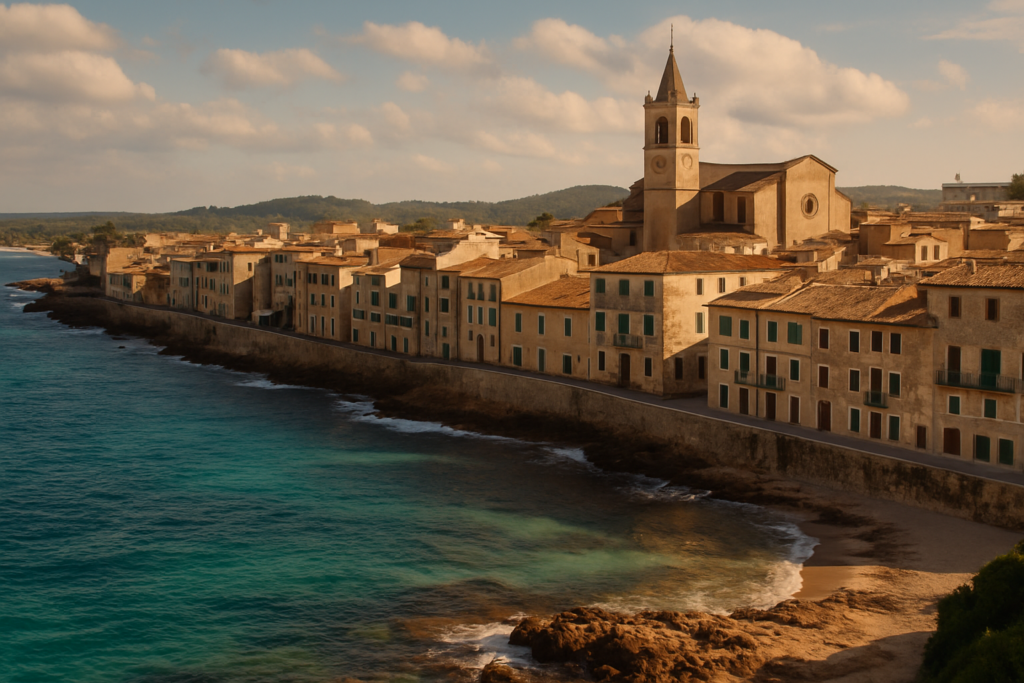
Maria de la Salut at a glance
- Located in the centre of Mallorca, in the Pla de Mallorca district.
- Traditional economy based on crops and ovine (sheep) ranching.
- Notable local estates and properties dot the surrounding countryside.
- Many residents work in education; teaching is a common profession.
- Borders the towns of Llubí, Santa Margalida, Ariany and Sineu — useful for routing day trips.
- Expect a quiet, agricultural landscape with almond groves and market vegetables.
Before you plan
This guide uses up-to-date, verified municipal and geographic facts. There are no claims here about currently-closed attractions or major redevelopment projects.
Things to do in Maria de la Salut
Most visitors come here to walk, notice the land and explore the network of small fincas and properties that shape the local landscape. Activities are low-key: strolling village streets, spotting traditional agricultural patterns and viewing scattered estates and named properties. The area rewards curiosity rather than a strict itinerary.
| Attraction | What it is | Price/entry | Best for |
|---|---|---|---|
| Vall d’Aram | A local valley and landscape feature | – | walks, landscape photography |
| Ses Tarragones | Named geographical area within the municipality | – | rural exploration |
| Roqueta, Deulosal, Montblanc estates | Significant country estates in the municipality | – | finca spotting, contextual history |
Explore the landscape features
Vall d’Aram and Ses Tarragones give a clear sense of the town’s agricultural setting. Paths and quiet lanes thread between fields and small groves; these places are best enjoyed at a slow pace, on foot or by bicycle. Keep an eye out for almond trees and irrigated plots producing vegetables — the agricultural pattern is the primary point of interest here.
Spot named properties and estates
Driving or cycling around the area, you will encounter properties with historic names: sa Bisbal, Son Gil, es Pujol and es Rafal are among the smaller named holdings, and larger estates such as Roqueta, Deulosal and Montblanc punctuate the countryside. These estates are a reminder that the municipality combines a compact town with dispersed rural dwellings rather than forming one continuous built-up area.
Observe local agriculture
Maria de la Salut’s cultivated land includes almond groves in marginal areas and rainfed fields producing garlic, melons, watermelons and tomatoes. Traditional operations include extensive herbaceous crops and ovine cattle ranching. Visitors interested in rural economies will find the mosaic of crops and grazing instructive; this is a place where seasonal cycles and local production remain visible.
Maria de la Salut with kids
The town is suitable for family visits that focus on open spaces and slow discovery rather than theme-park entertainment. Little ones who enjoy farm animals, wide roads and short country walks will do well here. There are no claims of dedicated children’s attractions in the verified sources; treat the visit as outdoor, exploratory family time.
How to get to Maria de la Salut and get around
Situated in the island’s centre, the town is convenient as a rural base for exploring the Pla de Mallorca. Its neighbouring municipalities — Llubí, Santa Margalida, Ariany and Sineu — form natural anchor points for day trips and routing. Expect to travel along minor roads between villages; local navigation is straightforward but services and public-transport details are not asserted here.
Where to stay in Maria de la Salut
Accommodation in this region tends to cluster around the village centre and on rural properties. The pattern of named holdings and larger estates suggests two practical options: a base in the compact town if you want local cafés and immediate access to services, or a stay on one of the scattered fincas or estates for a more rural experience. The named properties — sa Bisbal, Son Gil, es Pujol and es Rafal — and the significant estates Roqueta, Deulosal and Montblanc indicate a long tradition of private rural dwellings that shape where visitors can realistically lodge.
Best time to visit
This guide avoids specific seasonal temperature or festival claims unless verified; however, because the town’s appeal rests on open-air agriculture and quiet roads, plan for periods when you can comfortably be outside and walk the lanes. Peak tourism seasons on the island tend to concentrate elsewhere — the central plains offer a calmer alternative at many times of year.
History of Maria de la Salut
The municipality separated from Santa Margalida in the nineteenth century, becoming its own administrative entity. At the time of the Christian conquest of Mallorca, the lands that now make up the municipality included the Murūh Islamic district, indicating a layered history of settlement and land use. The present-day settlement pattern — a compact town surrounded by named properties and larger estates — reflects these historical roots and the agricultural continuity of the Pla de Mallorca.
Practical info
Local economy and employment
- Teaching is recorded as one of the most common professions among residents, indicating a significant role for education in local life.
- The municipality has seen growth in companies dedicated to construction and construction materials, showing contemporary economic diversification beyond agriculture.
Agriculture and land use
- Almonds are cultivated in marginal areas; other local production includes garlic, melons, watermelons and tomatoes, often on rainfed plots.
- Traditional land use includes herbaceous field crops and ovine cattle ranching; expect agricultural activity to shape seasons and scenery.
Municipal borders and routing
- The town borders Llubí, Santa Margalida, Ariany and Sineu — useful reference points for planning routes across central Mallorca.
Worth it for: visitors who want an honest rural Mallorcan experience, quiet walks among fields, and those curious about the island’s inland agricultural life. Less so if: you want beaches, nightlife or heavily curated tourist attractions — those draws are found elsewhere on the island.
How we assess this guide
This guide compiles verified municipal, geographic and economic facts about the town and its surroundings. We cross-check administrative and landscape claims with local records and regional sources. We flag closures and redevelopment where present; this article does not rely on original on-the-ground field reporting, but on verified documented facts about the area.
Frequently asked questions
How do I get to Maria de la Salut from elsewhere on Mallorca?
Because the town sits in the centre of the island (Pla de Mallorca), it’s reached by road from the surrounding municipalities of Llubí, Santa Margalida, Ariany and Sineu. Those neighbouring towns are logical waypoints when planning drives.
Is Maria de la Salut expensive to visit?
Verified sources describe the local economy in terms of agriculture, teaching and construction-related activity, not tourism pricing; this suggests the town functions more as a living community than a tourist price centre. For concrete cost comparisons, consult accommodation and dining listings updated for current rates.
Which is the most notable landscape feature to see?
Vall d’Aram is a prominent local valley and represents the area’s appeal: simple, agricultural landscape rather than engineered viewpoints. It is a good place for short walks and to see the land patterns.
How many days should I plan for?
Visits here are typically short and contemplative. A single day can give you a sense of the town and immediate countryside; staying longer suits those who want to use the area as a quiet base for exploring central Mallorca.
Is Maria de la Salut good for families?
Yes, for families who enjoy outdoor time, quiet lanes and farm scenery rather than formal attractions. There are no verified claims of theme-park style family facilities within the municipality.
Can I get around without a car?
Verified facts indicate a rural pattern of named properties and estates; public-transport details are not asserted here. Given the dispersed settlements and agricultural lanes, visitors commonly use private transport to move around, although neighbouring towns provide logical local services and connections.
Is parking easy?
There are no specific claims about parking infrastructure in the verified material. The town’s compact nature and surrounding rural roads typically make roadside parking feasible, but check local signage and private-property restrictions when you arrive.
What can I do on a rainy day?
The verified record focuses on agricultural and landscape features rather than indoor attractions. On wet days, plan to pause town exploration and focus on local cafés or indoor community venues; verify current openings locally.
When is the best time of year to come?
This guide avoids unverified climate or festival details. Since the town’s main interest is outdoor agricultural landscape, visit when you prefer being outside and walking the lanes; local crop cycles such as almond groves and rainfed vegetable production shape the scenery across seasons.
Are there historic sites to see?
Historically, the municipality separated from Santa Margalida in the nineteenth century, and at the time of the Christian conquest the area included the Murūh Islamic district. These facts point to layered local history, but there are no verified claims here about specific visitor attractions tied to those periods.
What are the neighbouring towns worth visiting?
Llubí, Santa Margalida, Ariany and Sineu border the municipality and are practical choices for extending itineraries; they form natural links when exploring central Mallorca.
Are there local markets or agricultural commerce?
The verified information records the cultivation of garlic, melons, watermelons, tomatoes and almonds along with herbaceous cropping and ovine ranching. While this indicates active local production, there are no specific verified claims here about market days or permanent farmers’ markets.
Is the town rural or urban?
The municipality is rural in character: a compact town surrounded by farms, named properties and larger estates rather than continuous urban sprawl.
Can I stay on a finca or estate?
Named small properties (sa Bisbal, Son Gil, es Pujol, es Rafal) and larger estates (Roqueta, Deulosal, Montblanc) show a long tradition of rural dwellings. These patterns indicate the presence of fincas and estates in the landscape; check current lodging listings for available visitor stays.
Plan the wider trip
Maria De La Salut on the map
How this page is maintained. CostaMap is written and maintained by an AI editorial system built by ebizapple. Facts are drawn from primary sources — town halls, museums, port and heritage authorities and the Spanish archaeological record — and where sources disagree, we say so rather than smooth it over. Photographs marked as ours are taken on location. This page was last reviewed on 14 August 2026. Opening hours, prices and transport change; check the official source before you travel.