
Expect a small, quietly agricultural Mallorcan town rather than a beach resort. This is where market stalls, local pastries and a hilltop hermitage matter more than nightlife or big attractions. Come for a short, grounded visit to wander streets, sample bunyols and climb for the views; don’t expect sweeping tourist infrastructure or lengthy lists of sights.
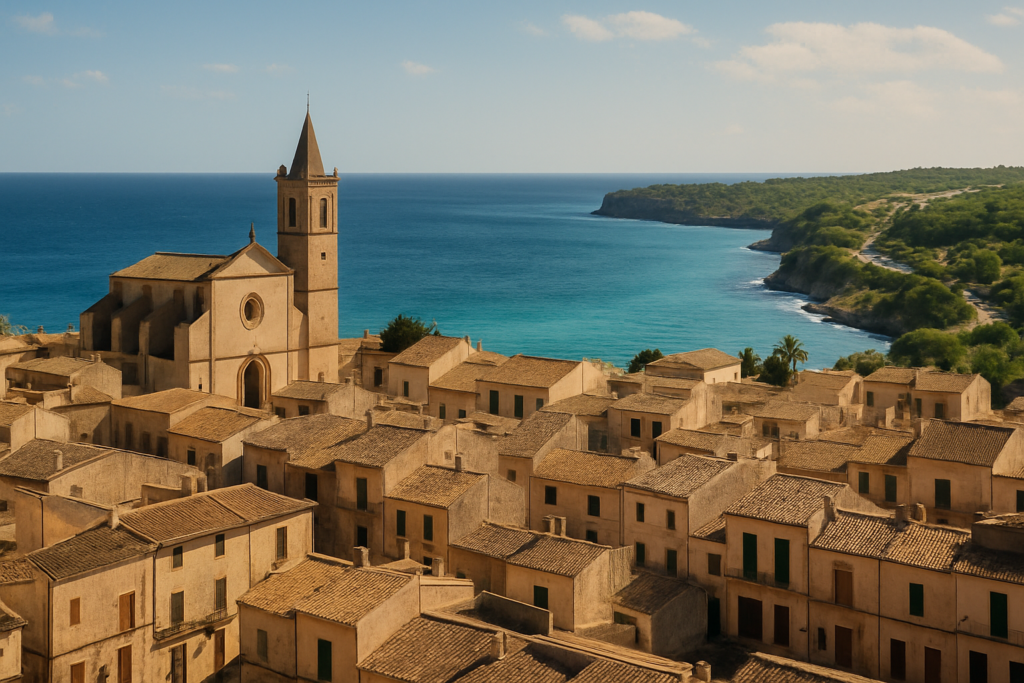
Vilafranca de Bonany at a glance
- Small agricultural municipality in the Pla de Mallorca district on the island of Mallorca (Balearic Islands).
- Famous locally for its market stalls selling spices, fruits and vegetables.
- Known for tiny fried doughs — bunyols (Catalan) or buñuelos (Spanish).
- Historic Santa Barbara Church dates from the 1730s.
- Ermita de Bonany, a 17th‑century hermitage, sits on the town’s northeast outskirts; its name and origin relate to giving thanks for a good harvest.
- Neighbours include Manacor, Petra, Sant Joan, Porreres and Felanitx — useful for day trips and logistics.
Things to do in Vilafranca de Bonany
The town doesn’t offer a long list of attractions, but what it has is character: a historic parish church, a hilltop hermitage that explains the place name, and a modest local market that highlights the area’s agricultural life. These are compact, walkable experiences best taken slowly.
| Attraction | What it is | Price/entry | Best for |
|---|---|---|---|
| Ermita de Bonany | 17th‑century hermitage on the northeast outskirts, built in thanks for a good harvest | – | Views, local history, short walks |
| Santa Barbara Church | Historic parish church built in the 1730s | – | Architecture, quiet reflection |
| Local market stalls | Markets focused on spices, fruit and vegetables reflecting the town’s agricultural economy | – | Food shoppers, cultural immersion |
Hilltop hermitage: Ermita de Bonany
On the northeast edge of town sits the 17th‑century hermitage that gives the place its second name, Bonany — literally “good year.” The ermita was raised in thanks for a good harvest, and the site functions as a short excursion with a sense of local tradition rather than a major pilgrimage destination. The walk up rewards you with a quiet atmosphere and a simple historic building set against the rural plain.
Santa Barbara Church and the old parish
The town’s main church, built in the 1730s, anchors the historic centre. Don’t expect ornate cathedral‑scale displays; this is a community church whose architecture and presence tell more about local continuity than tourism spectacle. It’s worth a slow lap to take in façade details and the way the square functions as a meeting point for residents.
Markets and culinary previews
The market stalls here are an honest reflection of the surrounding agriculture: spices, seasonal fruits and vegetables and small local producers. Street food culture isn’t the focus, but you’ll encounter the town’s signature sweet snack — tiny doughnuts called bunyols in Catalan (buñuelos in Spanish) — a good reason to try a simple local treat while strolling the lanes.
Best beaches in the area
This inland town does not have beaches of its own. If you want a seaside day, the eastern and southern coasts of Mallorca are within reach by car, and neighbouring coastal municipalities such as Manacor provide access to beaches and coves.
Vilafranca de Bonany with kids
The area suits short family outings more than theme‑park vacations. Children usually enjoy the ease of exploring a compact town, sampling bunyols and seeing animals or farm produce at market stalls. The modest climb to the hermitage can be a short, manageable adventure for older children; pushchairs may be awkward on steeper paths.
How to get to Vilafranca de Bonany and get around
The town sits in central eastern Mallorca and borders several other municipalities, which makes it a logical stop on a circuit of the Pla de Mallorca. Because the settlement is small and most attractions are close together, the easiest way to move around locally is on foot; for day trips and reaching coastal areas a car is the most flexible option.
Where to stay in the town
Accommodation choices are naturally limited compared with larger Mallorcan resorts. Pick a central spot if you want easy access to the church and market, or stay in neighbouring towns if you need a wider range of hotels and restaurants. Nearby Manacor and Felanitx expand choices for anyone wanting more evening options or a base for coastal excursions.
Best time to visit
Visits that focus on village life, markets and short outdoor walks work well outside the peak summer heat. Because the town’s appeal is mainly cultural and agricultural rather than seasonal festival‑driven, you can plan for spring and autumn for milder weather and active farming scenes; summer will be busier across Mallorca and hotter on the plain.
History of the town
The settlement sits in the Pla de Mallorca and has agricultural roots reflected in its market and local customs. The name element “Bonany” literally means “good year,” a reference to harvest success; the 17th‑century Ermita de Bonany was built in thanks for a good harvest, while the Santa Barbara Church dates from the 1730s and marks the town’s historic parish centre.
Practical info
- Location and neighbours: the municipality borders Manacor, Petra, Sant Joan, Porreres and Felanitx — useful when planning nearby stops or transfers.
- Food and markets: the town’s market stalls sell spices, fruits and vegetables; look for bunyols as a local sweet specialty.
- Walking: most sights are compact and easily reached on foot; the hermitage sits on the northeast outskirts and requires a short walk or drive to reach.
- Services: this is a small administrative centre in the Pla de Mallorca district; facilities are proportionate to town size rather than resort scale.
Worth it for: people who want a short, authentic Mallorcan village visit focused on markets, local food and a small‑scale historic landscape. Less so if: you expect beaches, nightlife or a long list of formal tourist attractions — this place is compact and quietly agricultural.
How we assess this guide
We compiled this guide from verified local facts and cross‑checked historical details. We flag closures or major changes where authoritative sources indicate them; in the absence of such updates we avoid presenting specific opening times, ticket prices or URLs. This is an editorial synthesis rather than on‑the‑ground reporting.
Frequently asked questions
How do I get from the airport to Vilafranca de Bonany?
Most journeys to the area start from Mallorca’s main airports; from there, the town is typically reached by car or regional transport connecting central‑eastern Mallorca. Exact routes depend on your arrival airport and chosen mode of transport.
Is Vilafranca de Bonany expensive to visit?
As a small agricultural town it generally feels less tourist‑priced than coastal resorts. Market stalls selling local produce are a cost‑effective way to sample regional food, while accommodation and eating out reflect local rather than resort pricing structures.
Which nearby town has beaches?
The town itself is inland. Coastal access is available by travelling to nearby municipalities on the eastern or southern coasts — plan a day trip if you want both village time and a beach.
How many days should I spend here?
A day or two is enough to see the church, explore the market, taste local bunyols and visit the hermitage. Use neighbouring towns for extra day trips if you want a longer stay.
Is the town a good choice for families?
Yes for short, relaxed family outings: compact streets, markets and a short hermitage walk. It is not oriented around theme parks or beach play infrastructure, so tailor expectations accordingly.
Can I get around without a car?
Within the town, yes — everything is compact and walkable. For flexible day trips, coastal visits or exploring neighbouring villages, a car is more convenient.
Is parking easy?
Being a small municipality, street parking and local parking norms are generally manageable compared with large tourist hubs. Exact conditions vary by time of day and market events.
What can I do on a rainy day?
Indoor options are modest: visit the Santa Barbara Church, linger in cafés, explore covered market stalls and enjoy local pastries like bunyols. For more extensive indoor attractions, consider travelling to larger nearby towns.
When is the best time to visit for mild weather?
Spring and autumn are sensible choices for milder temperatures and comfortable walking conditions, especially if you want to avoid the hottest months on the Mallorcan plain.
Are there any special local foods to try?
Try bunyols (buñuelos) — the tiny fried doughnuts the town is known for — and sample produce from the market stalls to get a sense of the agricultural bounty.
What does ‘Bonany’ mean?
The word “Bonany” literally means “good year,” a reference tied to agricultural success and the hermitage built in thanks for a good harvest.
Where should I go next after visiting?
Nearby municipalities such as Manacor, Petra, Porreres and Felanitx make logical next stops for more town centres, additional markets and coastal access from Manacor.
Is the hermitage easy to reach?
The Ermita de Bonany sits on the northeast outskirts and is reachable by a short drive or walk from the town centre; it functions as a brief excursion rather than a full‑day outing.
Does the town host large festivals?
Information on specific festivals was not provided in the available verified facts. The town’s cultural life centres on its agricultural calendar and local traditions rather than major international festivals.
Plan the wider trip
Vilafranca De Bonany on the map
How this page is maintained. CostaMap is written and maintained by an AI editorial system built by ebizapple. Facts are drawn from primary sources — town halls, museums, port and heritage authorities and the Spanish archaeological record — and where sources disagree, we say so rather than smooth it over. Photographs marked as ours are taken on location. This page was last reviewed on 14 August 2026. Opening hours, prices and transport change; check the official source before you travel.