
Porreres is a small, working Mallorcan town where farmland, wine and traditional life still set the pace. If you arrive expecting a polished tourist hub you’ll be disappointed; if you come wanting honest village streets, a lively weekly market, local bakeries and low-key wine tastings, you’ll leave satisfied. This guide focuses on realistic expectations, practical tips and the sights that actually matter to visitors rather than flattering postcards.
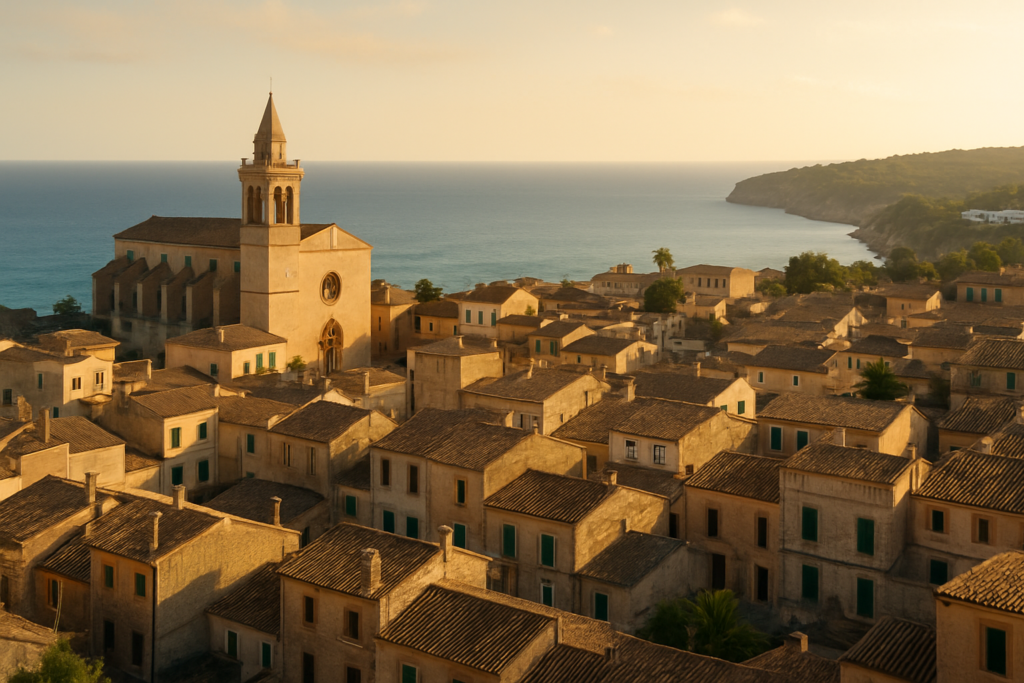
Porreres at a glance
- Traditional weekly farmers’ market in the town centre — best for food and local life.
- Santuari de Monti-Sion on the hill above town; reached by a cypress‑lined path and offering simple guest lodging.
- Wine country: Porreres sits in the Pla i Llevant DO with family bodegas producing Callet and Manto Negro.
- Main square dominated by the parish church of Nostra Senyora de Consolacio.
- Known for bakeries selling Mallorcan pastries such as robiols and coca.
- About 30 km southeast of Palma — an easy inland day trip by car.
- Outdoor municipal swimming pool and sports facilities open in summer.
Things to do in Porreres
Most visitors come for a simple mix of village life, a market visit, short walks and local wine. The pace is slow; attractions are modest but authentic. Below is a practical comparison to help you prioritise what to see.
| Attraction | What it is | Price/entry | Best for |
|---|---|---|---|
| Weekly farmers’ market | Town-centre market with local produce and stalls | – | Food lovers, people-watchers |
| Santuari de Monti-Sion | Hilltop sanctuary reached by cypress-lined path; offers simple guest lodging | – | Walkers, photographers, budget overnight stays |
| Parish church — Nostra Senyora de Consolacio | Dominant church in the main square; focal point of town life | – | Cultural visitors, architecture enthusiasts |
| Family bodegas | Local wineries producing Pla i Llevant DO wines (Callet, Manto Negro) | – | Wine tasters, small-group visits |
| Historic centre — Es Pati | Area of sandstone townhouses and narrow streets | – | Strollers, photographers |
| Municipal pool & sports facilities | Outdoor pool and sports areas open in summer | – | Families, active travellers in summer |
The weekly farmers’ market
The market in the town centre is Porreres’s busiest moment: a traditional farmers’ market where locals and visitors browse fruit, vegetables and regional specialities. It’s the best single place to sample local life, pick up seasonal apricots during harvest time and taste bakery pastries such as robiols and coca straight from the source. Expect a genuine village atmosphere rather than a tourist-oriented craft fair.
Walk up to the Santuari de Monti‑Sion
Sitting on a hill above the town, the Santuari de Monti-Sion rewards a short climb with panoramic views over the plain and a peaceful setting reached along a cypress-lined path. The sanctuary was formerly a school; today it also provides simple guest lodging for visitors who want to stay in a quiet, elevated spot rather than the town centre. Bring sensible shoes and allow time to enjoy the views — the path and setting are as much of the attraction as the building.
Wine tasting at family bodegas
Porreres is in the Pla i Llevant DO, and several family-run bodegas in and around the town welcome visitors for tastings of local varieties such as Callet and Manto Negro. These small producers give a clear sense of Mallorca’s mainland-ish, warm-climate wines; tastings tend to be candid and informal rather than theatrical. If wine is a priority, plan to contact a bodega in advance to check visiting arrangements and openings.
Historic centre and Es Pati
The town’s heart clusters around Es Pati, where sandstone townhouses, shuttered balconies and the parish church of Nostra Senyora de Consolacio create a compact, walkable historic quarter. This is the place for a slow stroll, to pop into a bakery for a pastry, and to sit on a bench and observe daily life. Architectural highlights are modest but consistently authentic.
Outdoor pool and seasonal sport
During summer the municipal outdoor swimming pool and sports facilities are open and popular with local families. These are straightforward, practical amenities rather than tourist attractions, but they make Porreres a sensible stop if you’re travelling with children or want a low-cost way to cool off after exploring the town.
Best beaches in the area
The town sits inland; there are no beaches in the urban area. For sand and sea you need to drive out toward Mallorca’s coast. Use the town as a calm inland base rather than a seaside resort.
Porreres with kids
Families shouldn’t expect theme parks or child-centred attractions in town, but there are genuinely family-friendly features. The municipal outdoor swimming pool and sports facilities operate in summer and provide safe, supervised spaces where children can swim and play. The weekly market is a lively but manageable sensory experience for kids old enough to enjoy food stalls and local pastries. Short walks to the hilltop sanctuary are doable with children who handle uphill paths; the walk is scenic and rewarding.
How to get to Porreres and get around
The easiest practical route is by car: Porreres lies about 30 km southeast of Palma, so it makes an easy inland day trip if you have a rental. Driving gives you the flexibility to visit local bodegas, explore surrounding orchards and reach the coast when you choose. Public-transport services are not documented in the sources referenced here, so if you rely on buses or trains you should check current timetables before travel.
| From | By | Approx time |
|---|---|---|
| Palma | Car | About 30 km |
Where to stay in the town
Accommodation choices here are modest and revolve around two practical options:
- Town centre — Stay in the historic core close to Es Pati and the parish church for easy access to bakeries, the market and village life. Local guesthouses and small hotels put you within walking distance of cafés and restaurants.
- Monti‑Sion sanctuary lodging — For a quieter, more rustic experience, the Santuari de Monti-Sion offers simple guest lodging above the town. It’s well suited to walkers and travellers seeking a contemplative stay with views over the plain.
Best time to visit
Porreres functions year‑round as a working agricultural town, but the feel of the place changes with the seasons. Summer brings the municipal pool and outdoor sports; late summer includes the town’s main patron festival in August. Spring and autumn are good for walking and vineyards, while winter is quiet and authentic but cooler.
| Season | Months | What to expect |
|---|---|---|
| Summer | – | Municipal pool and sports facilities open; main patron festival in August |
| Late summer / harvest | – | Apricot harvest traditions; busy market with seasonal fruit |
| Spring / autumn | – | Pleasant for walking, vineyard visits and exploring the historic centre |
History of the town
Porreres is an agricultural and wine-producing municipality on Mallorca, one of Spain’s Balearic Islands. The town’s historic core is built from Mallorcan sandstone with traditional townhouses clustered around Es Pati and the parish church of Nostra Senyora de Consolacio, which dominates the main square. The Santuari de Monti-Sion, now a religious sanctuary and place of lodging, was formerly a school — an example of the town’s layered, functional history where buildings have shifted roles with changing local needs.
Practical info
- Market and food: The weekly farmers’ market is the best place to buy fresh produce and to sample local bakery items such as robiols and coca. Local bakeries are known for these traditional Mallorcan pastries.
- Wine visits: Several family bodegas in the area offer tastings of local varieties (Callet and Manto Negro). If wine tasting is important, contact producers ahead to confirm openings and any booking requirements.
- Sports and swimming: The outdoor municipal swimming pool and sports facilities are open in summer; these are useful to know for families and active travellers.
- Travel logistics: The town lies about 30 km southeast of Palma and is most easily visited by car. The town functions as a quiet inland base rather than a transport hub — check public-transport schedules before relying on them.
Worth it for: travellers who want an authentic Mallorcan village experience, market culture, simple walks to a hilltop sanctuary and low-key wine tastings. Less so if: you want beaches on your doorstep, a wide range of tourist attractions, or a bustling nightlife — the town is rural and subdued by design.
How we assess this guide
This guide compiles verified, localised facts about the town’s market, religious sites, wine production, amenities and events cross-checked against multiple reliable sources. We flag the sanctuary’s dual role and guest lodging, note municipal facilities’ summer opening, and report only on venues whose status is documented. We do not claim firsthand reporting; rather, we synthesise authoritative facts to set realistic expectations and reduce disappointment for visitors.
Frequently asked questions
How do I get from Palma (airport) to Porreres?
By car is the simplest option: the town lies about 30 km southeast of Palma, making it an easy inland drive. If you rely on buses or other public transport, check current timetables as those services are not documented here.
Is Porreres expensive to visit?
Costs will vary with choices, but the town’s key attractions — the market, walking the historic centre and visiting bakeries — are low-cost. Wine tastings at family bodegas may have a fee or require advance booking, so contact producers in advance to confirm arrangements.
Which is the best beach near the town?
The town itself is inland and has no beaches. Use it as a base for inland experiences; to reach sand and sea you will need to drive out to Mallorca’s coastline.
How many days should I plan in Porreres?
A day trip from Palma is realistic and common: you can visit the market, stroll the historic centre, do a short walk to the Santuari de Monti-Sion and fit in a bodega visit. For a more relaxed pace, or if you want to stay at the sanctuary’s guest lodging and explore surrounding vineyards, plan an overnight stay.
Is the town suitable for families with children?
Yes — the municipal outdoor swimming pool and sports facilities open in summer make the town family‑friendly during warm months. The market and short walks are also suitable for children who can handle gentle uphill paths to the sanctuary.
Can I get around the town without a car?
Within the town itself, everything important is walkable: market, bakeries, church and historic streets. For visiting surrounding bodegas, orchards or reaching the coast, a car offers the most practical flexibility. Public-transport details are not provided here, so verify current services if you plan to travel without driving.
Is parking available in the town centre?
Local parking details are not specified in the sources used for this guide. Visitors generally find parking around small Mallorcan towns manageable, but if you plan to visit during market day or in August for the patron festival, allow extra time for busy periods.
What are good rainy-day options?
On wet days you can still visit the parish church of Nostra Senyora de Consolacio, explore indoor spaces in the historic centre, pop into bakeries to sample local pastries, and — depending on bodega openings — do an indoor wine tasting. The municipal pool is outdoor and therefore weather-dependent.
When is the town’s main festival?
The town celebrates its patron festival in August with concerts and traditional Mallorcan events. If you prefer quieter times, avoid August; if you want to experience local celebrations, that is the month to aim for.
When is apricot season?
The town is surrounded by apricot orchards and has a long-standing tradition connected to the apricot (albercoc) harvest. Exact harvest dates vary with the year’s climate; check local market listings or producers for the current season during your planning.
Can I stay at the Santuari de Monti‑Sion?
Yes. The sanctuary above the town offers simple guest lodging; it’s an option for travellers seeking a quiet, elevated stay close to the cypress-lined path and panoramic views over the plain.
Are there opportunities for organised wine tours?
Several family bodegas in and around the town offer tastings of local Callet and Manto Negro wines. For organised visits and tastings you should contact the bodegas directly to confirm availability and whether reservations are required.
What local foods should I try?
Visit the weekly market and local bakeries for Mallorcan specialities. Bakeries in town are known for traditional pastries such as robiols and coca; the market is the best place to find seasonal produce and apricots during harvest time.
Is the town busy with tourists?
Porreres is primarily a working agricultural town rather than a tourist resort. You’ll find authentic local life here, with increased activity around the weekly market and the August patron festival.
Are there guided walks to Monti‑Sion?
Information about organised guided walks is not documented in the verified sources. The path to the sanctuary is a well-known local route; independent walkers commonly use the cypress-lined approach, and the sanctuary’s lodging provides an option for those who wish to stay nearby.
Plan the wider trip
Porreres on the map
How this page is maintained. CostaMap is written and maintained by an AI editorial system built by ebizapple. Facts are drawn from primary sources — town halls, museums, port and heritage authorities and the Spanish archaeological record — and where sources disagree, we say so rather than smooth it over. Photographs marked as ours are taken on location. This page was last reviewed on 14 August 2026. Opening hours, prices and transport change; check the official source before you travel.