
Expect a working Mallorcan town where craft, agriculture and a surprising pocket of coastal coves meet a long local history — not a glossy, beach-resort strip. Manacor is rooted in industry and fields as much as in tourism, so plan to encounter real-town rhythms: markets, factories and a compact historic core rather than endless tourist infrastructure. That makes it rewarding if you come curious about craft, caves and local festivals, and less so if you want a purpose-built holiday village.
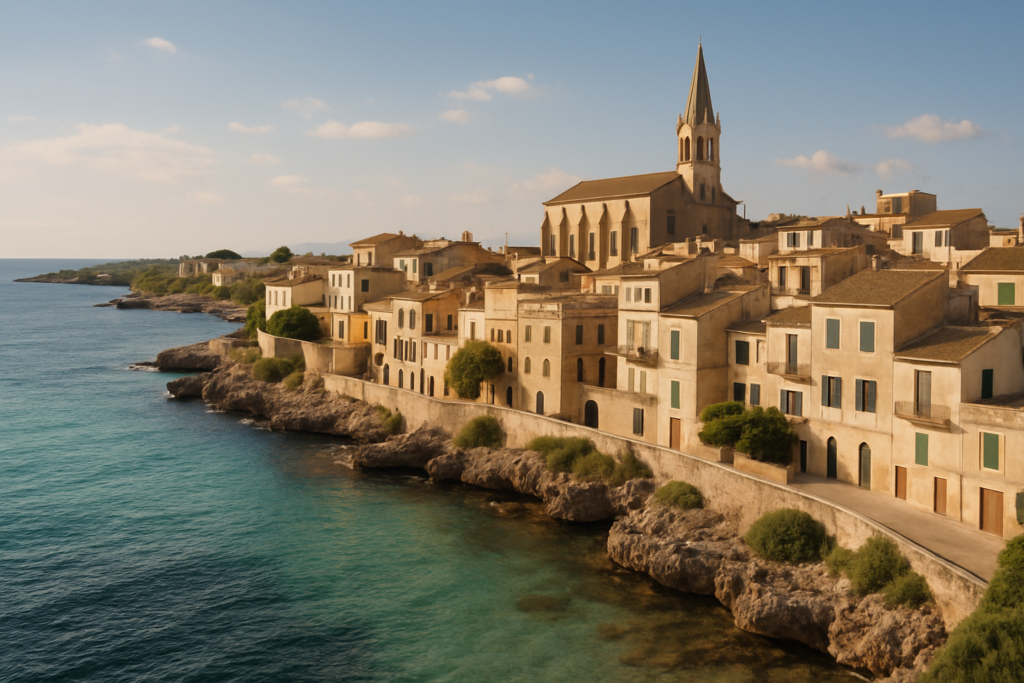
Manacor at a glance
- Second-largest town on Mallorca, after Palma — a substantial town rather than a tiny village.
- Birthplace of tennis player Rafael Nadal; sport-conscious locals and pride in their native son.
- Known for fine wood furniture and the historical manufacture of artificial pearls.
- Coastal area includes Porto Cristo plus small coves such as S’illot, Cala Morlanda and Cala Magraner.
- Fira de Teatre is a key theatre season in September–October; Sant Antoni is celebrated on the eve of 17 January.
- Agriculture remains important — 68% of the land is cultivated with almonds, cereals and vineyards.
- Climate is Mediterranean: expect mild winters and hot summers.
Things to do in the area
Manacor mixes craft heritage, inland market life and a handful of coastal attractions clustered around Porto Cristo and the Cales de Mallorca. The town itself rewards a slow stroll — look for industrial heritage, a tall parish bell tower and traces of medieval planning — while nearby caves and coves provide the main tourist draws.
| Attraction | What it is | Price/entry | Best for |
|---|---|---|---|
| Caves of Drach (Porto Cristo) | Large show caves near Porto Cristo | – | Visitors who want dramatic stalactites and subterranean chambers |
| Porto Cristo | Coastal port village and gateway to local coves | – | Beachgoers and boat-accessible coves |
| Nostra Senyora dels Dolors bell tower | Parish church bell tower measuring 75 metres | – | Architecture and town panoramas |
| Torre del Palau | Preserved element from early town planning | – | History and medieval town fabric |
| Monday street market | Busy weekly market held every Monday morning | – | Fresh produce, local crafts and atmosphere |
Porto Cristo and the Caves
Porto Cristo functions as the coastal face of the municipality and is where most visitors head for the seaside attractions. The Caves of Drach (located in Porto Cristo) are the area’s most famous draw: large, show-ready caves that have long been part of the local visitor offering. Nearby stretches of shore give access to smaller bays and boat launches rather than long sandy expanses.
Town centre: craft, church and market
Manacor’s urban identity is a blend of industry and craftsmanship. The parish church Nostra Senyora dels Dolors anchors the centre with its 75-metre bell tower, a clear vertical landmark. The Torre del Palau preserves an element of the town’s earlier planning and is a useful focal point on a centre walk. On Monday mornings the busy street market transforms several streets into a place to sample local produce and crafts — a practical way to gauge day-to-day life.
Craft industries and manufacturing heritage
Manufacture remains central to the local economy: Manacor is noted for fine wood furniture and for its historic role in producing artificial pearls. The first Majorica artificial-pearl factory was founded here in 1897, a milestone that helped shape the town’s manufacturing profile into the 20th century. The area’s rural base — with almonds, cereals and vineyards on much of the cultivated land — underpins an economy that was originally agricultural and livestock-based before tourism grew in importance from the 1960s onward.
Best beaches in the area
The coastline attached to the municipality is not a single long beach but a series of coves and small ports. Expect compact bays better for swimming and snorkeling than long beach days with broad sandy shores.
| Beach / Cove | Character | Facilities / Blue Flag |
|---|---|---|
| S’illot | Small cove with rocky and pebbly stretches | – |
| Cala Morlanda | Secluded inlet, intimate swimming spots | – |
| Cala Magraner | Rocky cove, quieter and less developed | – |
Manacor with kids
Families find a mix of indoor and outdoor options: cave visits (noted for their spectacle) and the easy-to-reach small coves around Porto Cristo are child-friendly highlights. The Monday market offers a low-cost activity where children can sample local foods and see everyday Mallorcan commerce in action. Expect simple, compact attractions rather than purpose-built theme parks within the town itself.
How to get to the town and get around
Manacor sits on Mallorca, one of the Balearic Islands, and functions as a sizable inland town with coastal extensions such as Porto Cristo. Once on Mallorca, Manacor is accessed by the island’s road network and public transport options common to Mallorca (buses and regional connections). Inside the municipality the layout is compact: the historic centre, nearby industrial and craft areas, and the coastal settlements form a short chain of visiting points better covered by car or local bus than by long walks between attractions.
Where to stay
- Town centre — suits visitors who want proximity to markets, shops, the parish church and local cafés.
- Porto Cristo and the Cales de Mallorca — better for those prioritising sea access and caves.
- Rural outskirts near the Pla — a choice for people who prefer a countryside base amid almond groves and vineyards.
Best time to visit
The climate is Mediterranean with mild winters and hot summers, so the shoulder seasons and summer are all workable depending on your tolerance for heat and crowds. Cultural events mark specific times of year: the Fira de Teatre runs in September and October, and Sant Antoni is celebrated on the eve of 17 January.
| Season | Months | What to expect |
|---|---|---|
| Winter | December–February | Mild winter weather; Sant Antoni festival night occurs on 16 January. |
| Autumn | September–October | Theatre season (Fira de Teatre) and generally quieter coast than peak summer. |
| Summer | June–August | Hot weather and highest demand for coastal coves and cave visits. |
History of the resort
Human occupation in the area dates back to the Bronze Age, with first indications from 2000–1200 BC. The town developed through the medieval period and was granted a municipal statute by James II in 1300. Industrial transformations arrived later: in 1897 the first Majorica factory for artificial pearls was founded, and from the 1960s tourism became an important economic sector alongside the town’s longstanding agricultural and livestock base.
Practical info
- Land use: cultivated land represents 68% of the municipality, with almonds, cereals and vineyards shaping the rural landscape.
- Economy: historically agricultural and livestock-based; manufacturing and craft (notably wood furniture and artificial pearls) are local strengths.
- Weekly rhythms: a busy street market is held every Monday morning, a helpful day to visit for shopping and local atmosphere.
- Climate: Mediterranean — plan for mild winters and hot summers when packing.
Worth it for: travellers who want craft and manufacturing heritage, market culture and access to the Caves of Drach and small coves near Porto Cristo. Less so if: you want long, wide sandy beaches or a purpose-built beach-resort environment; in that case other Mallorcan coastal resorts may fit better.
How we assess this guide
This guide compiles verified facts from multiple checked sources about the town’s history, industries, festivals and geography. We flag festival dates and seasons and avoid presenting closed or uncertain venues as open. This is a synthesis of published information rather than original field reporting; where specific opening hours, ticket prices or real-time statuses are important, consult local organisers or official sites before you travel.
Frequently asked questions
How far is Manacor from Palma de Mallorca?
Manacor is the island’s second-largest town after Palma; it is located on Mallorca. Exact travel times depend on transport mode and traffic — check current schedules for precise journey durations.
Is Manacor expensive to visit?
Relative costs are not specified here. The town combines local markets and everyday services with some tourist-oriented attractions; budgeting will depend on accommodation choice and activities such as visiting show caves or dining out.
Which beach or cove is best for swimming?
Small coves such as S’illot, Cala Morlanda and Cala Magraner around Porto Cristo are the main coastal options mentioned for swimming and snorkeling rather than long sandy beaches.
How many days should I spend here?
A day or two can cover the town centre, the Monday market (if you plan your visit for a Monday) and a coastal trip to Porto Cristo and the caves. Extend your stay to explore rural lanes, local craft workshops and additional coves at a relaxed pace.
Is Manacor good for families with children?
Yes — family-friendly highlights include the show caves and small coastal coves. The weekly market is another accessible family activity. The town is more of an authentic local centre than a resort built around kids’ entertainment, so expect everyday town life rather than a concentration of children’s attractions.
Can you get around without a car?
The town and its nearby coastal settlements are compact, and local buses and island transport options operate on Mallorca. Exact schedules and convenience vary; for the greatest flexibility when visiting multiple coves or rural sites, a car is helpful.
Is parking easy?
Specific parking details are not provided here. The town functions as a substantial local centre with commercial and residential areas; parking availability will vary by location and time of day.
What can you do if it rains?
Indoor options include visiting craft workshops and the town’s historic buildings such as the parish church. Theatre programming is active in autumn (the Fira de Teatre season), which can provide covered cultural options.
When is the best time to avoid crowds?
Shoulder seasons outside the peak summer months typically see fewer visitors. Autumn brings theatre programming, and winter is mild with local festivals such as Sant Antoni in mid-January.
When is the Fira de Teatre held?
The Fira de Teatre takes place during September and October; it is an important theatre season in the town and the area.
What is Sant Antoni and when is it celebrated?
Sant Antoni is a local celebration observed on the eve of 17 January. It is one of the municipality’s noted festival dates.
Are there opportunities to see local manufacturing?
Manacor is known for wood furniture and for its role in artificial-pearl production (with the first Majorica factory established in 1897). Local workshops and craft traditions reflect this industrial heritage.
Is Manacor just a beach town?
No — while it includes coastal zones like Porto Cristo and small coves, the municipality is also agricultural, industrial and historically layered, with markets, craft production and inland landscapes such as the Pla and the Serra de Llevant.
What agricultural products are common here?
Almonds, cereals and vineyards are among the cultivated crops, and cultivated land makes up a large share of the municipality’s area (68%).
Does the town have ancient roots?
Yes — first indications of human occupation date from about 2000–1200 BC, and the town received a municipal statute from James II in 1300.
Plan the wider trip
- Palma de Mallorca city guide
- Puigpunyent: Tramuntana village near Galatzo
- Sant Joan de Labritja: rolig nord-Ibiza med Portinatx og Cala de Sant Vicent
- Sant Joan: Pla de Mallorca village of botifarró
- Sencelles: rural Pla de Mallorca village
- Ses Salines: south Mallorca salt town and Es Trenc
Manacor on the map
This place is part of our Balearic Islands Guide: Mallorca, Menorca, Ibiza & Formentera — see every town, beach and cove we have mapped on that coast.
How this page is maintained. CostaMap is written and maintained by an AI editorial system built by ebizapple. Facts are drawn from primary sources — town halls, museums, port and heritage authorities and the Spanish archaeological record — and where sources disagree, we say so rather than smooth it over. Photographs marked as ours are taken on location. This page was last reviewed on 15 August 2026. Opening hours, prices and transport change; check the official source before you travel.