
Expect a small, lively Mediterranean town shaped by sun, sea and spectacle. Famous for its beaches and nightlife, the place also has a quieter cultural heart—modernist museums, centuries‑old festivals and hiking routes that climb into the Garraf hills. This guide aims to set realistic expectations so you get the best of both sides: coastal fun without mistaking a packed summer weekend for the whole story.
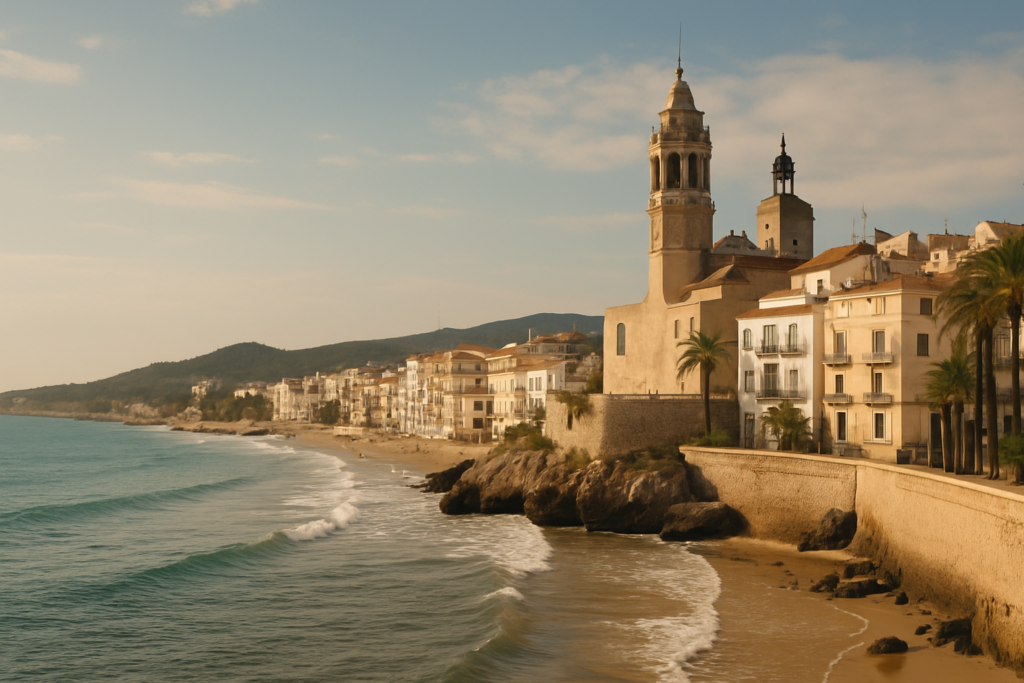
Sitges at a glance
- Seaside resort about 35 km southwest of Barcelona on the Catalan coast.
- Home to 17 sandy beaches, including several nudist options and well‑known small bays.
- Internationally famous film festival each October, focused on fantasy and horror cinema.
- Strong LGBTQ+ reputation and a concentrated gay party area around Carrer Bonaire and Carrer de Joan Carrida.
- Historic festivals: Carnival in February–March and Santa Tecla between 15–23 September (held since 1321).
- Located between the Garraf Massif and the Mediterranean and administratively in the Garraf comarca.
- Local economy built on tourism and culture; the town produces a traditional Malvasia liquor wine via the Hospital Sant Joan Baptista.
Before you plan
There are no verified closures or long‑term redevelopments flagged in our sources for major museums, festivals or beaches. Festivals and events like Carnival, the Sitges Film Festival and Santa Tecla are recurring fixtures; check official event dates for the current year when planning travel.
Things to do in Sitges
There’s a familiar split: beach time and nightlife by day and night, plus a surprisingly rich cultural offering anchored in modernism and local festivals. If you want museums and architecture, the town rewards wandering the old quarter; if you want parties and sunshine, the coastline delivers. Below is a quick comparison of the main draws so you can prioritise.
| Attraction | What it is | Price/entry | Best for |
|---|---|---|---|
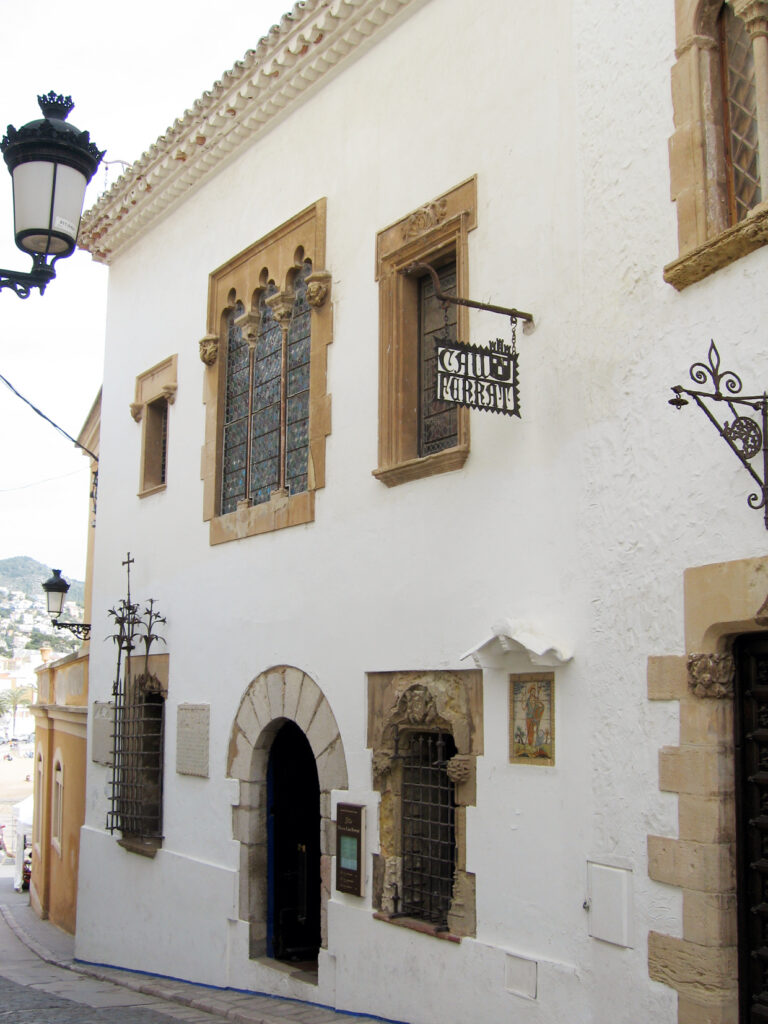
| Cau Ferrat Museum | Former home and studio of modernist painter Santiago Rusiñol, housing his collection | – | Art and modernism enthusiasts |
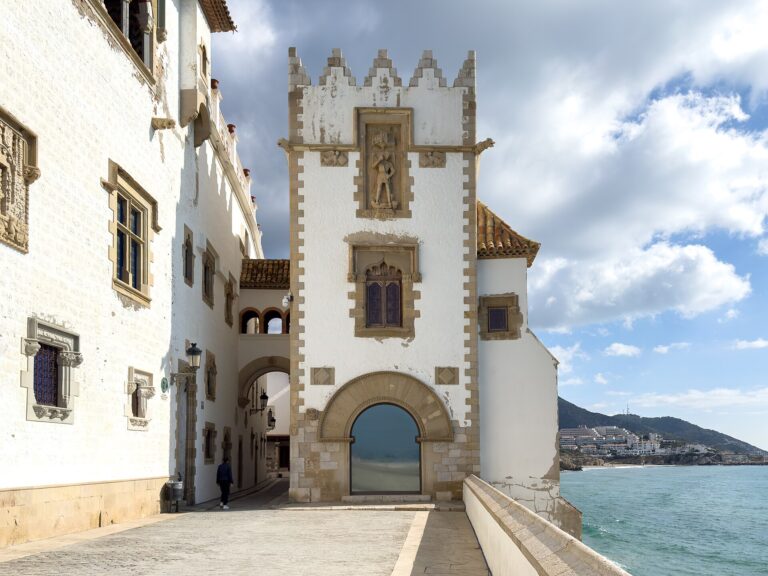
| Maricel Museum | Museum with collections linked to the town’s art and maritime history | – | Cultural visitors and history buffs |
| Sitges Film Festival | Annual international festival focused on fantasy and horror films in October | – | Film fans, genre audiences |
| Carnival (Carnestoltes) | February–March street parades and traditional dances | – | Partygoers and cultural festival visitors |
| GR-5 hiking route | Long‑distance trail that passes through nearby natural parks including Parc del Garraf and Montserrat Natural Park | – | Hikers and nature lovers |
Museums and modernism
Two named museums anchor the town’s cultural offer. The Cau Ferrat Museum was owned by Santiago Rusiñol, the modernist painter who made the house both a workshop and a showcase for his collection; it remains a key stop for anyone interested in late‑19th and early‑20th‑century Catalan modernism. The Maricel Museum complements this with collections tied to the town’s artistic and maritime history. Together they make a quiet, indoor alternative to sunbathing—ideal for heat‑of‑the‑day visits or rainy afternoons.
Festivals: film, Carnival and Santa Tecla
Festivals are a major part of the town’s identity. The internationally recognised film festival in October specialises in fantasy and horror films and draws cinephiles from around the world. Carnival (Carnestoltes), held in February and March, brings parades and traditional dances into the streets; its energy transforms the old town. Later in the year, the Santa Tecla Festival runs between 15th and 23rd September and has roots stretching back to 1321, offering a blend of religious tradition and local celebration.
Coastal walks and natural parks
The town sits between the Garraf Massif and the sea, so coastline promenades easily connect to trails into the hills. The GR‑5 hiking route threads through the landscape here and continues on to natural areas that include Parc del Garraf and Montserrat Natural Park, giving visitors options for longer day hikes and varied scenery beyond the built‑up seafront.
Best beaches in Sitges
There are 17 sandy beaches in the municipality, spread along a compact coastline. Some are small coves tucked between cliffs; others are broader stretches in front of the old town. The town also includes three main nudist beaches.
| Beach | Character | Facilities / Blue Flag |
|---|---|---|
| Platja de Sant Sebastià | Historic urban beach near the old town, close to promenades and restaurants | – |
| Platja de la Fragata | Small central beach beneath the church and near the promenade | – |
| Various nudist beaches | Three main beaches in the municipality are known for nudist use | – |
Sitges with kids
The town’s mix of beaches, promenades and cultural spots provides straightforward family options. Shallow, sandy beaches near the town centre make for easy half‑day beach outings. Museums such as the Cau Ferrat and Maricel offer child‑friendly walks through art and maritime displays if you want a break from the sun. Festivals like Carnival can be lively and colourful; families should be prepared for crowds and check specific programming for child‑suitable events.
How to get to Sitges and get around
The closest international airport is Barcelona‑El Prat de Llobregat (BCN). From there, travellers typically continue by regional train, bus or car; the town’s coastal position about 35 kilometres southwest of Barcelona places it within easy reach of the city for day trips. Once in town, most visitors get around on foot between beaches, museums and the old quarter; the compact layout rewards walking rather than driving.
Best time to visit Sitges
Timing depends on what you want. For film fans, October’s festival is the year’s cultural highlight. If you prefer carnival atmosphere and winter‑to‑early‑spring events, February–March brings Carnival (Carnestoltes). For a traditional late‑summer local festival, Santa Tecla runs from 15–23 September. Summer months are peak season for beaches and nightlife, but they also mean bigger crowds.
| Season | Months | What to expect |
|---|---|---|
| Winter & early spring | February–March | Carnival festivities; fewer beach crowds |
| Autumn | October & September | Sitges Film Festival in October; Santa Tecla 15–23 September |
| Summer | June–August | Beach season and busiest tourist period |
History of Sitges
The town’s past is visible in its festivals and architecture. One of its oldest popular celebrations, Santa Tecla, has been observed locally since 1321. The modern tourist identity grew in the late 19th and early 20th centuries, when cultural figures such as Santiago Rusiñol established the town as an artistic hub—the Cau Ferrat was his home and studio. The coast’s leisure tradition includes milestones such as the opening of Spain’s first beach bar, El Kiosket, in 1913. Food traditions also have deep roots: the local dish Xató was first mentioned in 1896.
Practical info
Parking: The compact seafront and old quarter are best experienced on foot; parking can be limited in peak season. Accessibility: The town’s promenades and many beaches make much of the central area straightforward to navigate on foot. Connectivity: The nearest international airport is Barcelona‑El Prat de Llobregat; from there, visitors commonly travel onward by public transport or car. Costs: The local economy is tourism‑driven, so expect seasonal price variation with higher prices during summer and major festivals. Local production: The Hospital Sant Joan Baptista produces and markets the local Malvasia liquor wine, a regional specialty worth looking out for.
Worth it for: beach time close to Barcelona, a lively LGBTQ+ scene, accessible cultural museums and a festival‑rich calendar including an internationally recognised film festival.
Less so if: you want remote solitude—summer weekends are busy, and much of the town’s appeal is tied to crowds, nightlife and organized events.
How we assess this guide
This guide compiles verified factual claims from multiple cross‑checked sources. We flag long‑term closures and major changes; none were present in our sources for museums, beaches or named festivals at the time of writing. We do not include unverified opening hours, ticket prices or transient schedules—always check official event and venue sources for the most current operational details.
Nearby on the Costa Barcelona
Towns near Sitges
- Sant Pere de Ribes — 4 km north-west, an inland Garraf town minutes from Sitges
- Vilanova i la Geltrú — 7 km west, sandy Garraf beaches, a working fishing port
- Cunit — 15 km west
- Vilafranca del Penedès — 15 km north-west, cava cellars, castellers
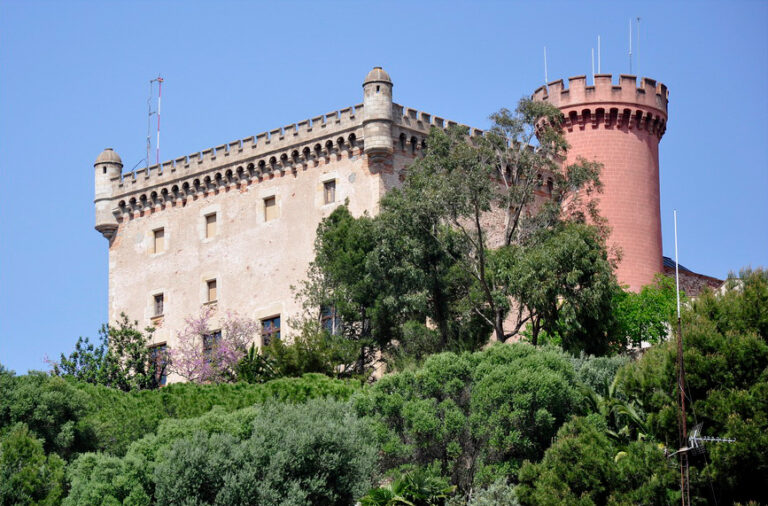
- Castelldefels — 15 km east, the long sandy beach near Barcelona, the hilltop castle
- Gavà — 19 km north-east, a wide sandy beach
Places to visit within reach
- Maricel Museum — 1 km, Charles Deering built a palace in Sitges for one
- Cau Ferrat Museum — 1 km, Santiago Rusiñol built his Sitges studio around Gothic windows salvaged
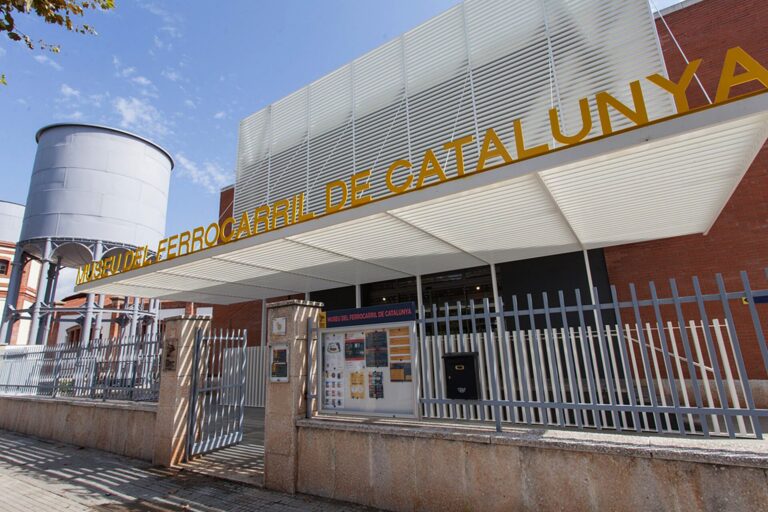
- Railway Museum of Catalonia — 6 km, The Railway Museum of Catalonia’s working replica of La Mataró
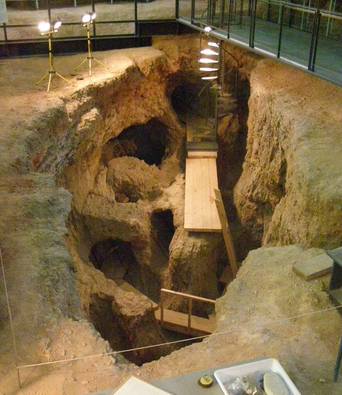
- Garraf Massif — 9 km, Fossilised monkeys once lived in the Garraf Massif’s karst sinkholes
For the wider picture, see the Costa Barcelona guide, which lists every town on this coast.
Frequently asked questions
How do I get from the airport to town?
The closest international airport is Barcelona‑El Prat de Llobregat (BCN). From there, travellers typically continue by regional train, bus or car to reach the coastal resort.
Is Sitges expensive?
Local prices are influenced by tourism and culture; the economy is tourism‑based, so expect higher costs during peak summer months and around major festivals.
Which beach is best for families?
Sandy urban beaches close to the old town provide the easiest access for families with children. The town has 17 beaches overall, offering a range of options.
How many days should I plan for?
A short visit of one to two days covers the main beaches and a museum; longer stays let you enjoy hiking in the nearby Garraf Massif and time a visit around festivals like the film festival, Carnival or Santa Tecla.
Is the town family‑friendly?
Yes—there are family‑friendly beaches and museums. Festivals such as Carnival can be colourful and engaging for children, though they bring crowds.
Can I get around without a car?
Most central attractions, beaches and museums are within walking distance of each other; the town’s compact layout makes it straightforward to explore on foot.
Is parking difficult?
Parking can be constrained in the seafront and old quarter, particularly in summer and during events—walking is the recommended way to experience the central areas.
What are the main annual events?
Major recurring events include Carnival (Carnestoltes) in February–March, the Sitges Film Festival in October dedicated to fantasy and horror films, and the Santa Tecla Festival between 15–23 September.
Where is the gay scene concentrated?
The main gay party scene is clustered around the intersection of Carrer Bonaire and Carrer de Joan Carrida, and the town has an international reputation as a top gay holiday spot.
Are there nudist beaches?
Yes—the municipality includes three main nudist beaches among its total of 17 beaches.
Does Sitges have cultural attractions beyond beaches?
Yes—the town is home to several museums, including the Cau Ferrat Museum (once owned by Santiago Rusiñol) and the Maricel Museum, and it has a history of modernist artistic activity.
Is there a local speciality dish?
The typical local dish is Xató, first mentioned in 1896, reflecting the town’s culinary traditions.
Where is Sitges located geographically?
The municipality sits between the Garraf Massif and the Mediterranean Sea, about 35 kilometres southwest of Barcelona, and is part of the Garraf comarca.
Does the town have any unique local products?
The Hospital Sant Joan Baptista produces and markets the traditional Malvasia liquor wine, a local speciality tied to the area’s viticultural traditions.
Why is Sitges sometimes compared to Saint‑Tropez?
Because of its seaside resort character, vibrant social life and reputation as a fashionable coastal getaway, the town has been referred to as the Saint‑Tropez of Spain.
Plan the wider trip
Sitges on the map
Places worth knowing near Sitges

How this page is maintained. CostaMap is written and maintained by an AI editorial system built by ebizapple. Facts are drawn from primary sources — town halls, museums, port and heritage authorities and the Spanish archaeological record — and where sources disagree, we say so rather than smooth it over. Photographs marked as ours are taken on location. This page was last reviewed on 11 August 2026. Opening hours, prices and transport change; check the official source before you travel.