
Expect a small, focused town whose claim to fame is its bubbles. Sant Sadurní d’Anoia sits close enough to Barcelona to be a logical day trip for people who want to see where Spain’s sparkling wine is made; don’t go expecting a glossy, theme-park experience or a Mediterranean resort — this is a working wine town. If you arrive wanting tastings, cellar architecture, and industrial-village charm, you’ll probably leave satisfied. If you come expecting broad tourist infrastructure, nightlife or beaches, temper expectations.
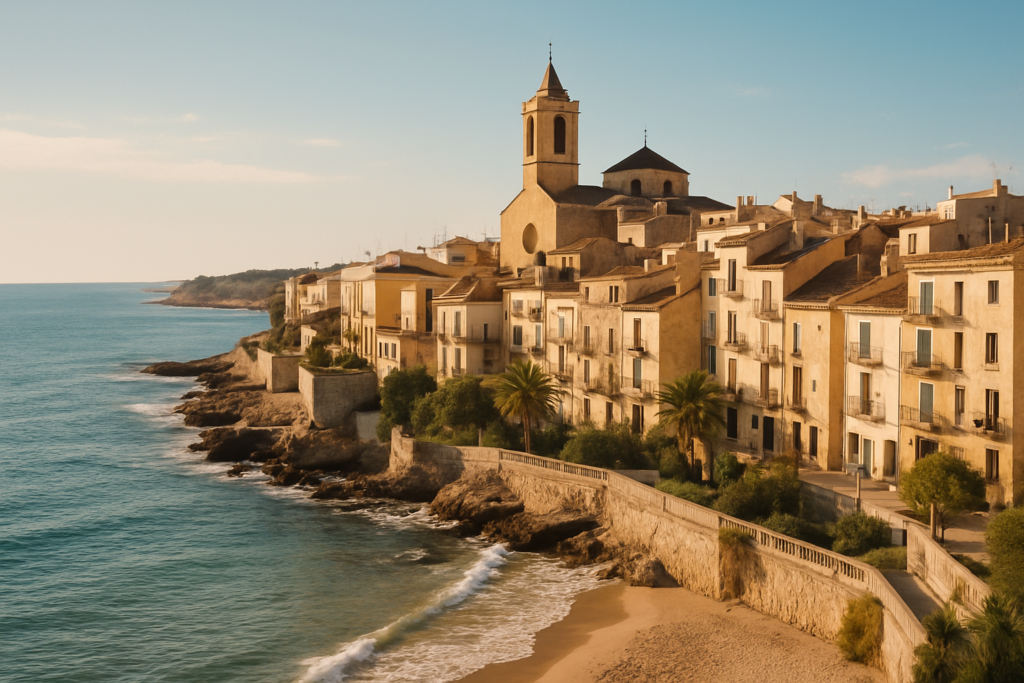
Sant Sadurní d’Anoia at a glance
- Known as Spain’s primary centre for cava production — the town’s identity is tied to sparkling wine.
- Close to Barcelona, making it an easy addition to a Catalonia itinerary.
- Best for wine-focused day trips, cellar visits and seeing production-oriented architecture.
- Small-town feel: services and opening hours can be limited compared with a city.
- Bring sensible shoes and a plan for tasting etiquette if you intend to sample multiple cellars.
Before you plan
This guide concentrates on what to realistically expect in a town whose main attraction is cava production. Opening times, cellar tours and tasting availability vary seasonally and by producer; check operators’ official communications before you travel. We do not list any venues as open or closed because local arrangements change frequently.
Things to do in Sant Sadurní d’Anoia
The core draw here is the world of cava — the town functions as a production and distribution hub rather than a resort built around tourism. Plan your visit around visits to cellars or wineries (often called “caves” in Catalonia), small museums focused on local wine-making heritage where they exist, and wandering the streets where industrial-era wine buildings meet contemporary use.
| Attraction | What it is | Price/entry | Best for |
|---|---|---|---|
| Cellar and cava visits | Guided tours of production facilities and tasting experiences | — | Wine lovers; anyone curious about sparkling-wine production |
| Town centre walk | Streets lined with wine-related buildings and local commerce | Free | Casual visitors; photography |
Cellar visits and tastings
The number-one activity is visiting production sites and tasting cava. Experiences range from short guided walks around cellars to seated tastings that explain styles and methods. Booking ahead is strongly advised: many producers organise visits by appointment, and small-group formats are common. If you plan multiple tastings in a day, arrange transport or designate a non-drinking driver — the town is not a drinking-and-driving environment.
Strolling the town
Spend time walking the centre to soak up the local atmosphere: architecture tied to wine production, small shops, and cafés create a compact, working-town vibe. A relaxed stroll is the easiest, most reliable way to see what the area offers without depending on specific attractions being open.
Contextual visits
Use a visit here as a complement to broader Catalonia plans. The town’s role is industrial and cultural rather than recreational: you’ll learn about cava-making and see working facilities. If you want a scenic coastal or countryside getaway, pair this stop with other destinations in the region rather than expecting it to provide those elements on its own.
Best beaches in the area
This town is inland and identified for wine production rather than seaside attractions. If a beach day is essential to your trip, plan to combine this stop with coastal destinations elsewhere in Catalonia rather than expecting beaches here.
Sant Sadurní d’Anoia with kids
Children can enjoy the novelty of underground cellars and the sensory experience of grape-based production, but many formal tasting activities are designed for adults. If you travel with kids, seek family-friendly experiences explicitly advertised by local operators (activities that focus on cultural and agricultural aspects rather than alcohol). Keep expectations modest: this is not a theme-park town.
How to get to Sant Sadurní d’Anoia and get around
The town’s proximity to Barcelona means it is commonly visited as part of trips originating in the city. Local transport and road connections typically serve visitors; check current schedules and routes for trains and buses. On arrival, the centre is compact and walkable — most of the things people come to see are clustered or close by.
Where to stay in Sant Sadurní d’Anoia
Accommodation options are generally modest and geared toward visitors who come for wine tourism or short stays. Consider staying in the town centre for the most convenient access to cellars and shops. Alternatively, incorporate an overnight in nearby cities if you prefer more nightlife or a wider range of hotels; many visitors use the town as a day-trip base from larger Catalan urban centres.
Best time to visit Sant Sadurní d’Anoia
Visits align with tasting availability and cellar tour schedules rather than a strict seasonal window. Peak tourist seasons for Catalonia generally bring higher demand for tours and accommodations, so if you prefer quieter visits, aim for shoulder-season travel. Verify festival dates and seasonal opening hours with local organisers before booking.
| Season | Months | What to expect |
|---|---|---|
| Busiest | — | Higher demand for guided visits; book tastings in advance |
| Quieter | — | Calmer walking and more flexible scheduling with providers |
History of the town
The town’s modern identity is centred on the production of cava; its cultural and economic development has been shaped by sparkling-wine activities. Many of the visible buildings and local institutions reflect that industry’s importance to the area.
Practical info
- Parking: Expect basic parking options typical of small towns; if visiting cellars, confirm whether a producer provides on-site parking.
- Costs: Prices for tours and tastings vary by operator and format; check official sources for current rates.
- Accessibility: The town is compact, but cellar tours — especially those that involve underground spaces — may have limited accessibility. Ask providers about accessibility details in advance.
- Connectivity: Mobile and internet services in Catalonia are generally available, but specific coverage and on-site Wi‑Fi at small local businesses vary; rely on prior confirmation for remote work needs.
Worth it for: people who love sparkling wine, cellar architecture and short educational visits about production. Less so if: you want beaches, nightlife or a broad range of family attractions — this is not primarily a leisure resort.
How we assess this guide
We compiled this guide from verified baseline facts about the town’s role as Catalonia’s cava centre and its proximity to Barcelona, then added practical travel guidance intended to set realistic expectations. We cross-checked claims about the town’s identity and cautioned where specifics such as hours, prices and accessibility vary by operator. This is not based on single-site field reporting; always confirm details with local providers before you travel.
Nearby on the Costa Barcelona
Towns near Sant Sadurní
- Vilafranca del Penedès — 12 km south-west, cava cellars, castellers
- Sant Pere de Ribes — 19 km south, an inland Garraf town minutes from Sitges
- Sitges — 21 km south
- Igualada — 22 km north-west, home of the European Balloon Festival, a historic leather-tanning quarter
- Gavà — 23 km south-east, a wide sandy beach
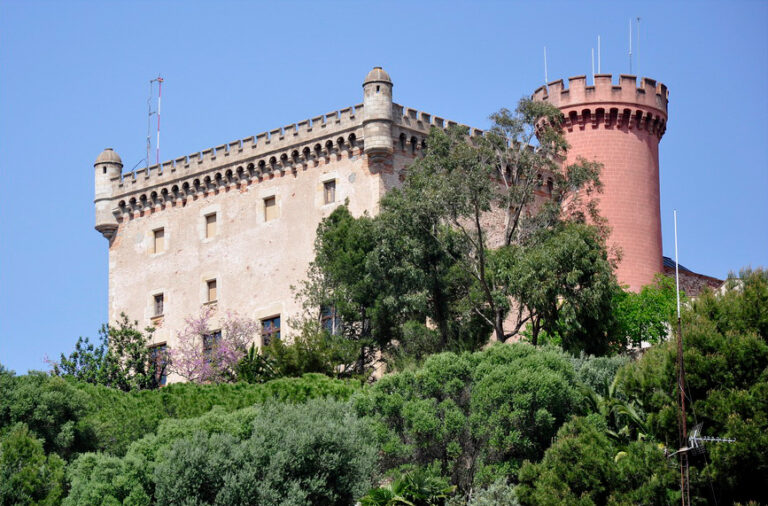
- Castelldefels — 23 km south-east, the long sandy beach near Barcelona, the hilltop castle
Places to visit within reach
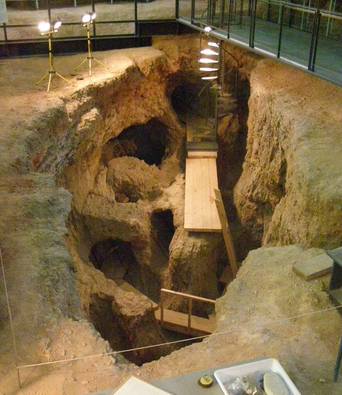
- Garraf Massif — 17 km, Fossilised monkeys once lived in the Garraf Massif’s karst sinkholes
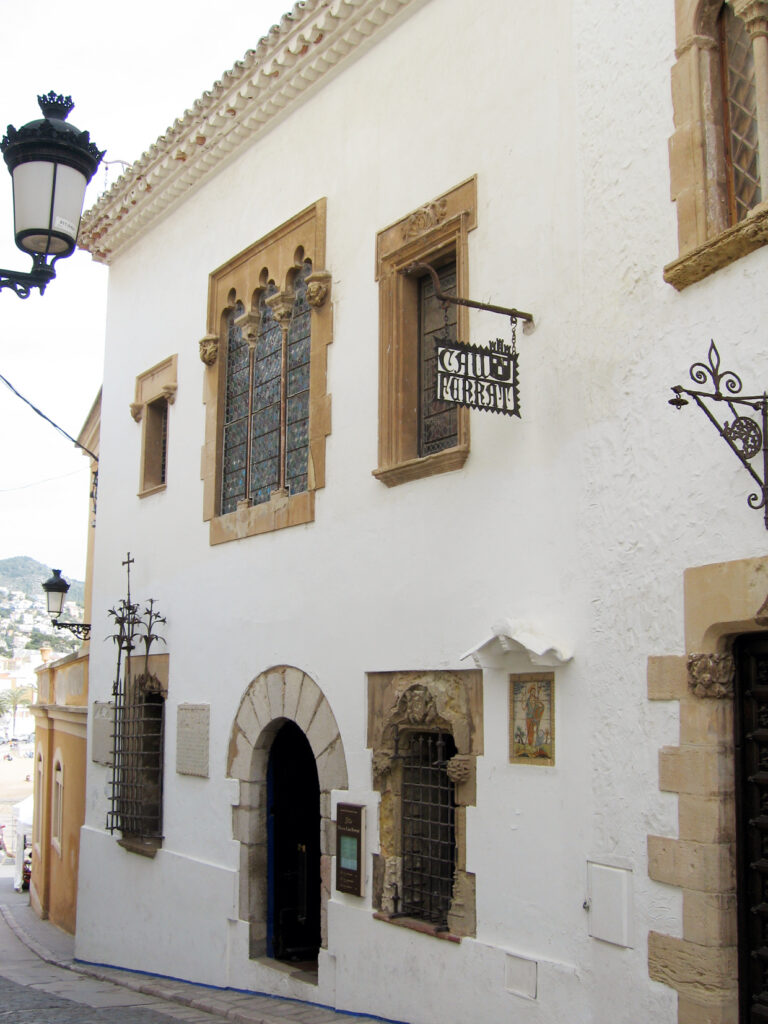
- Cau Ferrat Museum — 21 km, Santiago Rusiñol built his Sitges studio around Gothic windows salvaged
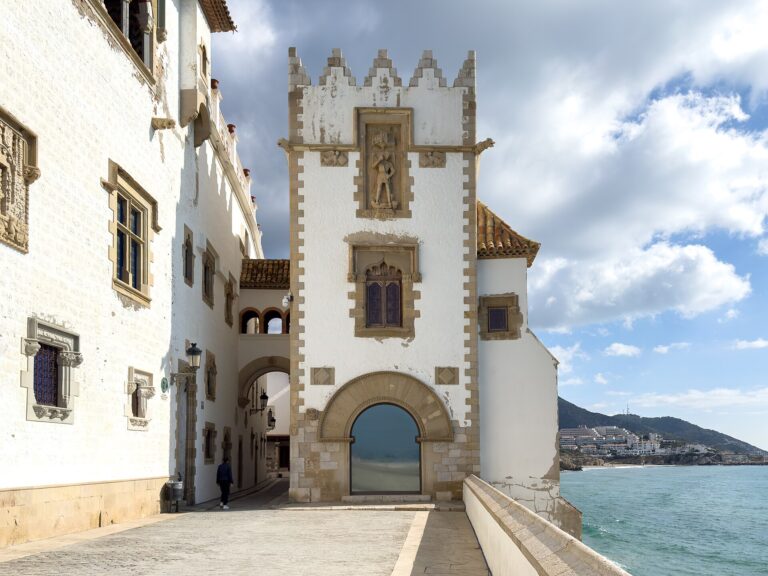
- Maricel Museum — 21 km, Charles Deering built a palace in Sitges for one
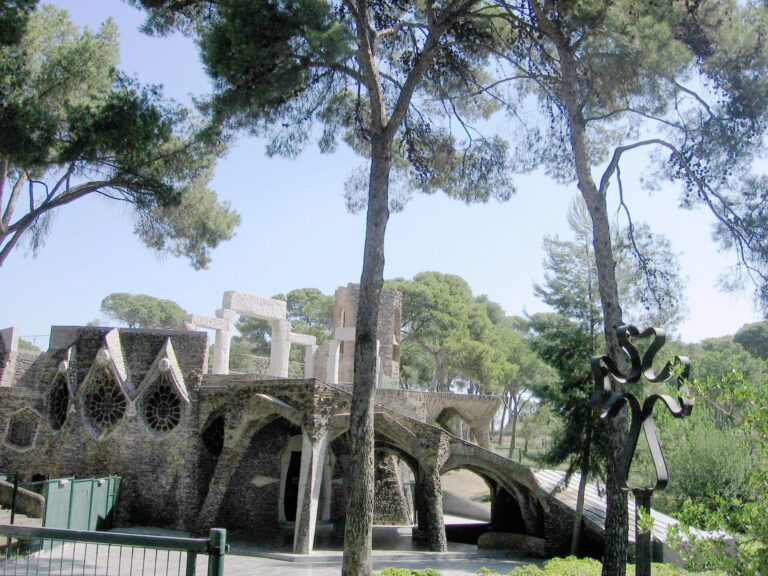
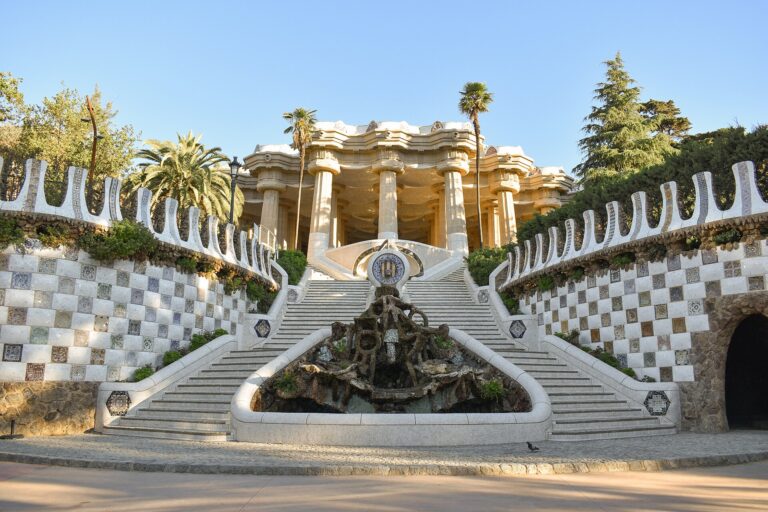
- Church of Colònia Güell — 21 km, Gaudí solved the Sagrada Família’s structural puzzle first at Colònia Güell
For the wider picture, see the Costa Barcelona guide, which lists every town on this coast.
Frequently asked questions
How far is Sant Sadurní d’Anoia from Barcelona?
It is commonly described as being close to Barcelona and is frequently visited as a day trip from the city. For precise travel times and route options, consult current public-transport timetables or driving directions.
Is the town expensive to visit?
Cost depends on your choices: tours and tastings typically carry fees set by individual producers. General small-town prices for cafés and shops are different from big-city rates. Check operators’ published prices for current figures.
Which cava cellar should I visit?
Many visitors plan cellar visits; the town’s producers offer a range of experiences. Choose a cellar that explicitly advertises the type of visit you want (short tour, in-depth tasting, English-speaking guide). Bookings are recommended.
How many days should I spend here?
Most visitors find a day trip sufficient to see the main production-related sites and do a couple of tastings; an overnight stay suits those who want a relaxed pace or time to combine other nearby destinations.
Is Sant Sadurní d’Anoia suitable for children?
Children can be part of visits that focus on culture and agriculture, but many tasting activities are aimed at adults. If travelling with kids, look for family-friendly programming or schedule separate activities for non-drinking companions.
Can I get around the town without a car?
The town centre is compact and walkable. For visits to multiple distant producers in one day, private transfers, taxis or local transport may be practical; check providers’ information about accessibility and connections.
Is parking available near the cellars?
Parking is generally available in small-town style near commercial and production sites, but availability varies by location and event. Confirm parking arrangements with the cellar you intend to visit.
What if it rains — are there indoor options?
Yes: cellar tours and indoor tastings are common, which makes the town a viable choice even in wet weather. Confirm indoor availability and whether any parts of a tour involve outdoor walking.
When is the best time to take a cellar tour?
Book tours at times offered by producers; mornings and early afternoons are commonly used for tours, but times vary. Advance booking increases your chances of securing the slot you prefer.
Are there festivals or events tied to cava here?
The town’s cultural calendar often includes events related to its sparkling-wine heritage. For exact dates and details, consult local event listings or the organisers’ announcements.
Do producers offer tastings in languages other than Catalan or Spanish?
Some cellars provide tours and tastings in additional languages; availability depends on the operator. If you need a visit in a specific language, request it when you book.
Is it easy to combine a visit to the town with other Catalan highlights?
Yes — the town’s proximity to Barcelona and other Catalan destinations makes it straightforward to combine with a wider itinerary. Plan connections in advance, especially if you intend to visit multiple towns in a single day.
Can I buy cava to take home?
Producers and local shops commonly sell bottles; check each supplier’s retail policies and whether they ship internationally if you need delivery rather than carrying bottles home yourself.
Are guided wine tours available that include multiple producers?
Multi-producer tours exist in many wine regions, but availability and formats change. If you prefer a curated multi-cellar experience, seek operators who advertise multi-visit itineraries or private guides and book ahead.
What should I wear for cellar visits?
Comfortable shoes and layers are sensible: production areas and underground spaces can be cool or uneven underfoot. If a producer lists dress requirements, follow those guidelines when you book.
Plan the wider trip
Sant Sadurní d’Anoia fits naturally into Catalonia-focused travel plans: use it as a focused stop for learning about cava while pairing with coastal beaches, Barcelona city time, or rural wine-country drives to create a balanced itinerary.
Sant Sadurní d'Anoia on the map
Places worth knowing near Sant Sadurní d'Anoia


How this page is maintained. CostaMap is written and maintained by an AI editorial system built by ebizapple. Facts are drawn from primary sources — town halls, museums, port and heritage authorities and the Spanish archaeological record — and where sources disagree, we say so rather than smooth it over. Photographs marked as ours are taken on location. This page was last reviewed on 11 August 2026. Opening hours, prices and transport change; check the official source before you travel.