
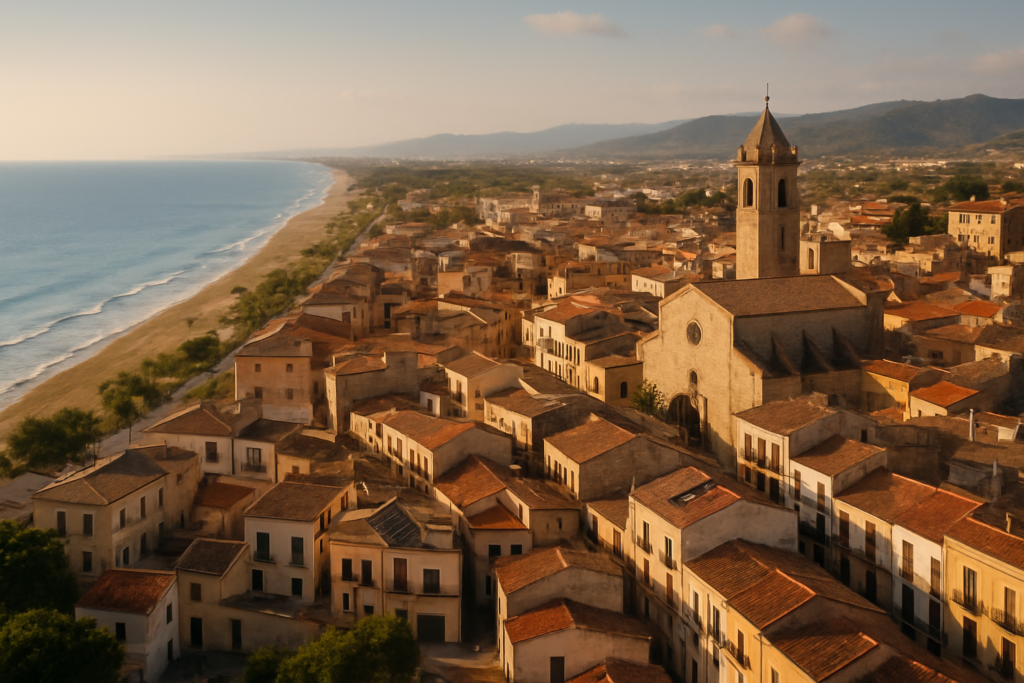
Expect a low-key, family-friendly coastal town where beaches, pine woods and unexpectedly ancient archaeology meet within a short ride of Barcelona. Don’t arrive seeking a flashy resort or nightlife hub: this is a place for long walks, birdwatching, simple seafood and one of Europe’s oldest mining stories underfoot.
Gavà at a glance
- Coastal town about 20 km southwest of Barcelona city and close to Barcelona–El Prat airport.
- Gavà Mar offers roughly 3.5 km of wide sandy beach backed by the Pinar de Gavà pine woods.
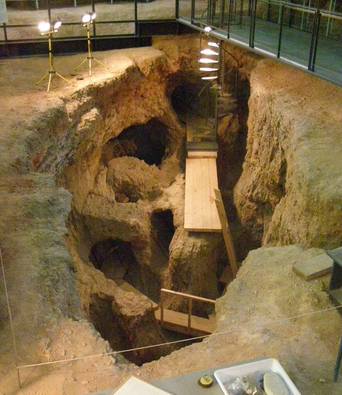
- Home to the Gavà Mines Archaeological Park — Neolithic underground variscite mines around 6,000 years old.
- Delta del Llobregat wetlands and pine forest near the seafront are vital for migratory birds.
- Easy access by the R2 Rodalies commuter train line and the C-32 motorway.
- Quieter, family-oriented alternative to Barcelona’s beaches; local asparagus (espàrrecs de Gavà) is a spring specialty.
Things to do in Gavà
The town’s draws split neatly between outdoor nature, simple beachfront pleasures and an unusually deep prehistoric heritage. Below are the must-see strands: archaeology, coastal nature and the modest historic centre inland from the sand.
| Attraction | What it is | Price/entry | Best for |
|---|---|---|---|
| Gavà Mines Archaeological Park | Neolithic underground mines for variscite | – | History and archaeology enthusiasts |
| Parc del Garraf | Limestone hills and trails along the southern border | – | Hikers and cyclists |
| Delta del Llobregat pine forest & wetlands | Protected area important for migratory birds | – | Birdwatchers and families |
| Gavà Museum | Local archaeology collection including the Venus of Gavà | – | Culture and museum visitors |
| Seafront promenade at Gavà Mar | Promenade lined with seafood restaurants (xiringuitos) | – | Casual dining and walking |
Gavà Mines Archaeological Park
This is the single most distinctive reason to visit. The park preserves some of Europe’s oldest known underground mines: Neolithic excavations made to extract variscite, a local green gemstone. The archaeological material from the mines also appears in the local museum, where the Venus of Gavà — a Neolithic ceramic figurine — is displayed.
Coastal nature: Pinar de Gavà and the Delta
The stretch between the beach district and the sea includes pine woods and wetlands that form part of the protected Delta del Llobregat. Those habitats make the seafront a quiet place for birdwatching, easy forest walks and informal cycling away from the busiest Barcelona beaches.
The old town and seafront promenade
Inland from the sand, the parish church of Sant Pere anchors the nucli antic (old town). Down on the coast, the promenade at Gavà Mar is lined with seafood restaurants—classic xiringuitos—popular for walking, cycling and simple seafood suppers.
Best beaches in the area
The beach district is the obvious reason many visitors come. Expect shallow water, wide sand and a long pine-backed shore that suits families and long walks.
| Beach | Character | Facilities / Notes |
|---|---|---|
| Gavà Mar | Wide, sandy Mediterranean beach backed by pine woods | About 3.5 km of shoreline; Blue Flag status in recent seasons |
| Pinar-front beaches | Calm, family-oriented with ample parking | Promenade with seafood restaurants; good for cycling and walking |
Gavà with kids
This is one of Barcelona province’s more family-friendly coastal options. The beaches are shallow and usually calm, the long pine woods offer safe places to run and cycle, and hassle-free parking near the shore is a practical bonus for families with small children.
How to get to Gavà and get around
Getting here is straightforward: the town sits close to major transport routes that make it easily reachable without a long drive. Once in, the layout is compact and most attractions are a short distance apart, but a bicycle or local bus helps for reaching the parkland and wetlands.
| From | By | Approx time |
|---|---|---|
| Barcelona–El Prat airport | Road (C-32 and local roads) / short commuter links | About 10 km away |
| Barcelona city | R2 Rodalies commuter train line | Commuter-rail connection serves the town |
Where to stay
Accommodation choices cluster around a few practical areas:
- Gavà Mar — best for beach access, seaside walks and seafood restaurants.
- Old town (nucli antic) — quieter, handy for the parish church and local cafés.
- Near the station — convenient if you plan day trips to Barcelona or to travel light by train.
Best time to visit
Spring and early summer make the town feel at its liveliest for food, festivals and outdoor activities. The asparagus season and the town’s Festa Major create local reasons to time a visit, while warmer months bring beachgoers and calm swimming conditions.
| Season | Months | What to expect |
|---|---|---|
| Spring | Spring months | Asparagus season and gastronomic campaign; milder weather for hiking and birdwatching |
| Early summer | Late spring to early summer months | Festa Major with music and traditional Catalan events; good beach conditions |
| High summer | Peak summer months | Busy beaches and promenade; best beach conditions |
History of the town
The area’s human history is strikingly deep. The Neolithic variscite mines are among Europe’s oldest underground workings and show prehistoric mining for ornaments. Archaeological finds from those mines, including the Venus of Gavà, are conserved locally and speak to the town’s long-standing place in Mediterranean prehistory.
Practical info
- Parking: The beach district is noted for having ample parking compared with inner-city beaches, which is useful for families and day-trippers.
- Water quality: The main beach has held Blue Flag status in recent seasons, reflecting regular standards for services and water quality.
- Transport links: Served by the R2 Rodalies commuter train line and close to the C-32 motorway; Barcelona–El Prat airport lies only about 10 km away, making transfers quick.
- Dining: The seafront promenade is lined with seafood restaurants (xiringuitos) — expect simple, seafood-focused menus rather than haute cuisine.
- Nature access: The nearby Parc del Garraf and the Delta del Llobregat habitats are protected; stick to marked trails and respect birdlife in the wetlands.
Worth it for: families wanting a tranquil beach day within easy reach of Barcelona; archaeology fans intrigued by prehistoric mines; birdwatchers and walkers who prefer pine-backed shorelines.
Less so if: you want buzzing nightlife, high-rise resort glamour or a city-style cultural itinerary concentrated on museums and galleries.
How we assess this guide
This guide compiles verified facts from public sources: archaeological records for the Neolithic mines, protected-area designations for the Delta del Llobregat, transport services and documented local festivals. We flag closures or major changes when sources indicate them; where specifics such as ticket prices or opening hours are not universally available, we omit them rather than risk inaccuracy. This is an editorial synthesis, not original field reporting.
Nearby on the Costa Barcelona
Towns near Gavà
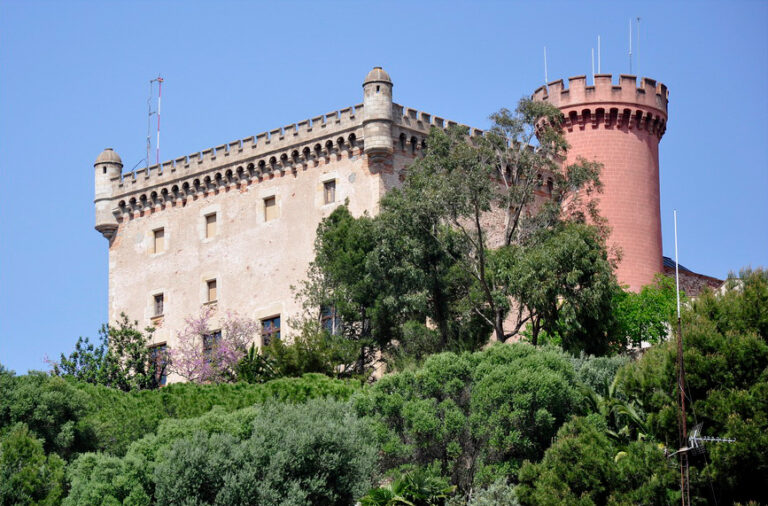
- Castelldefels — 4 km south-west, the long sandy beach near Barcelona, the hilltop castle
- Sitges — 19 km south-west
- Sant Pere de Ribes — 20 km west, an inland Garraf town minutes from Sitges
- Sant Sadurní — 23 km north-west, Catalonia's cava capital
- Vilanova i la Geltrú — 25 km west, sandy Garraf beaches, a working fishing port
- Vilafranca del Penedès — 26 km west, cava cellars, castellers
Places to visit within reach
- Gavà Mines — 0 km, The Gavà Mines are Europe’s oldest gallery mines
- Castelldefels Castle — 3 km, Castelldefels means “Fortunate Castle”
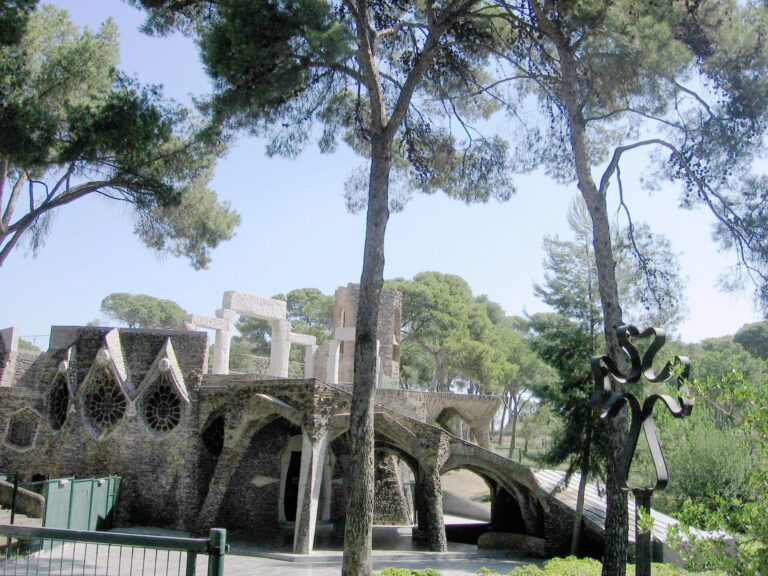
- Church of Colònia Güell — 7 km, Gaudí solved the Sagrada Família’s structural puzzle first at Colònia Güell
- Garraf Massif — 11 km, Fossilised monkeys once lived in the Garraf Massif’s karst sinkholes
For the wider picture, see the Costa Barcelona guide, which lists every town on this coast.
Frequently asked questions
How do I get from Barcelona airport to Gavà?
The town is the nearest coastal settlement to Barcelona–El Prat airport at roughly 10 km; it’s accessible by road and commuter links, and the short distance makes transfers straightforward.
Is Gavà expensive compared with Barcelona?
Gavà tends to be a more modest, family-focused option compared with central Barcelona; dining along the promenade is casual and seafood-focused rather than premium city dining.
Which beach is best for families?
Gavà Mar’s long, wide sandy shore and calm, shallow water make the beach district the go-to choice for families.
How many days do I need to see the highlights?
A day trip covers the beach, a promenade meal and a stroll through the pine woods; add another half- to full day to visit the Gavà Mines Archaeological Park and the local museum properly.
Is Gavà good for children?
Yes — the calm shallow water, ample parking and pine-wood recreational spaces make it family-friendly and low-stress for kids.
Can I get around without a car?
Yes. The town is compact, and the R2 Rodalies commuter train provides a rail link to Barcelona. Bicycles and local buses are practical for reaching nature areas and the seafront.
Is parking available near the beach?
Yes. The beach district is known for having ample parking compared to many urban beaches, which is one reason families often prefer it.
What can I do on a rainy day?
Visit the Gavà Museum to see finds from the prehistoric mines, including the Venus of Gavà, and explore indoor cafés and local shops in the old town.
When is the best time for birdwatching?
Spring and migration seasons are most active for the Delta del Llobregat wetlands; the nearby pine forest and wetlands are important for migratory birds.
When is the Festa Major held?
The town celebrates its Festa Major in early summer in honour of Sant Pere, with music and traditional Catalan events.
Are the Gavà Mines open to visitors?
The Neolithic mines are preserved as the Gavà Mines Archaeological Park, which protects and interprets these ancient underground workings for visitors and researchers.
What is special about local food?
Gavà is known for its asparagus (espàrrecs de Gavà), celebrated with an annual gastronomic campaign in spring, and for seaside seafood served at the promenade’s xiringuitos.
Can I hike in Parc del Garraf from here?
Yes. Parc del Garraf borders the town to the south and offers limestone hills, hiking and cycling trails that are accessible from local roads and paths.
How does Gavà compare to Barcelona’s beaches?
Gavà is quieter and more family-oriented than Barcelona’s city beaches, with calmer water, more parking and a pine-backed shoreline rather than an inner-city promenade ambience.
Is the beach safe for swimming?
Yes; the beach district typically has calm, shallow water and has held Blue Flag status in recent seasons for water quality and services.
Plan the wider trip
- Castelldefels
- Sitges
- Vilanova i la Geltrú
- Montcada i Reixac: Roman ruins and river valleys near Barcelona
- Sant Sadurní d’Anoia
- Mataró
Gava on the map
Places worth knowing near Gava


How this page is maintained. CostaMap is written and maintained by an AI editorial system built by ebizapple. Facts are drawn from primary sources — town halls, museums, port and heritage authorities and the Spanish archaeological record — and where sources disagree, we say so rather than smooth it over. Photographs marked as ours are taken on location. This page was last reviewed on 15 August 2026. Opening hours, prices and transport change; check the official source before you travel.