
Expect a working provincial capital rather than a theme-park of vineyards. This is a town where industry, markets and centuries of winemaking culture share the streets with Gothic churches and modernist façades. If you come hunting perfect Instagram shots of endless rows of vines you’ll find rewarding views in the surrounding countryside, but the real pleasure here is slower: tasting the wines, learning why Penedès matters, joining a lively Saturday market, and seeing traditions — most notably the castellers — performed with genuine local pride.
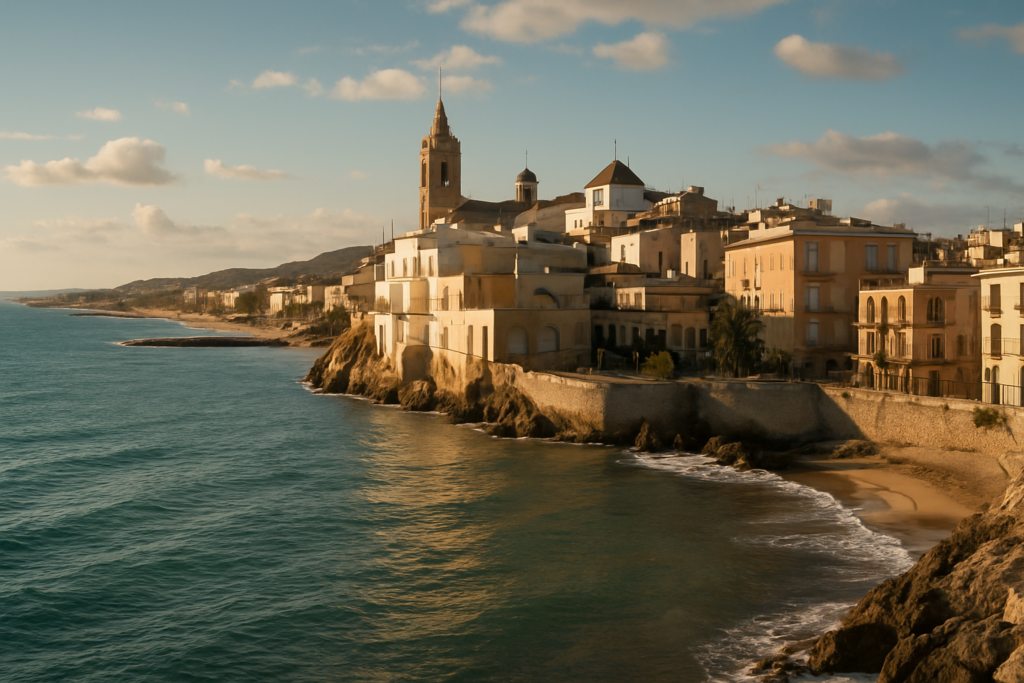
Vilafranca del Penedès at a glance
- Capital of the Alt Penedès comarca and the commercial heart of the Penedès wine region.
- Key transport links: on the R4 Rodalies rail line and close to the AP‑7/A‑7 motorways; roughly 55 km from Barcelona and 45 km from Tarragona.
- Home to VINSEUM, the Museum of the Wine Cultures of Catalonia, housed in a medieval palace on Plaça Jaume I.
- Historic centre marked by Gothic and modernist buildings, arcaded squares and the medieval Palau Baltà; the Basílica de Santa Maria dominates the old‑town skyline.
- Weekly Saturday market in the town centre — lively and useful for local food and produce.
- Famous for castellers; the Castellers de Vilafranca are among the world’s leading colles.
- Annual events: Vijazz Penedès (jazz and wine) in early July and the Festa Major de Sant Fèlix around 30 August, when the castells take centre stage.
Things to do in Vilafranca del Penedès
Plan for a mix of town walking, museum time and wine-country excursions. The town itself concentrates essential cultural experiences — a medieval core, a museum dedicated to wine cultures and weekly markets — while the surrounding DO Penedès vineyards and nearby wineries supply tastings and cellar visits. If you have only one day, tie a morning market visit and VINSEUM into an afternoon winery tour in the surrounding countryside.
| Attraction | What it is | Price/entry | Best for |
|---|---|---|---|
| VINSEUM (Museum of the Wine Cultures of Catalonia) | Museum occupying a medieval palace on Plaça Jaume I about winemaking history | — | Wine history, museums |
| Basílica de Santa Maria | Gothic church with tall bell tower that shapes the old‑town skyline | — | Architecture, photography |
| Palau Baltà and historic centre | Medieval palace, arcaded squares, Gothic and modernist architecture | — | Walking tours, history |
| Saturday town market | Weekly market in the town centre | Free to enter | Local produce, casual shopping |
| Wine and cava tours (nearby) | Numerous wineries offer tours and tastings; many large cava houses are in nearby Sant Sadurní d’Anoia | — | Wine tasting, cellar visits |
| Castellers (human towers) & Festa Major | Traditional human towers — major performances during Festa Major de Sant Fèlix and other events | — | Cultural spectacle, festivals |
| Vijazz Penedès | Annual jazz-and-wine festival combining concerts and wine tasting in early July | — | Music lovers, wine enthusiasts |
VINSEUM — see why Penedès matters
The museum is deliberately placed in a medieval palace on Plaça Jaume I, so it’s both a stop for museumgoers and a gateway into the old town. Exhibits trace winemaking through Catalonia’s history; plan to allow an hour or more if you want to read displays and appreciate the context before heading out to tastings in the countryside.
Walk the historic centre and the Basílica
Start from the Plaça Jaume I and thread through arcaded squares and streets where Gothic and modernist buildings sit close together. The Basílica de Santa Maria’s bell tower is the old-town anchor; the Palau Baltà is a clear example of the medieval fabric interwoven with later styles. This is a compact area best explored on foot.
Wine routes and neighbouring cellars
The town is the commercial hub of the Penedès wine region and a base for winery visits. Numerous producers in the surrounding DO Penedès and the nearby town of Sant Sadurní d’Anoia welcome visitors; some are large cava houses. Use the town as your launch point for a cellar tour by car or a relaxed bike ride into the vineyards.
Vilafranca del Penedès with kids
Children respond well to tangible spectacles and interactive museums. The castellers are a thrilling, family-friendly sight when performances are scheduled, and VINSEUM’s concrete focus on winemaking can be educational if you frame it around farming and local traditions rather than the drinking element. Outdoor bike rides in the gentler vineyard roads are another family option; choose level routes and avoid the hottest hours in summer.
How to get to Vilafranca del Penedès and get around
Access is straightforward whether you arrive by public transport or car. The town sits on the R4 Rodalies commuter rail line, which links it with Barcelona, and it lies very near the AP‑7/A‑7 motorways for drivers. Once in town, the compact historic centre is best covered on foot; for winery hopping a car or organised tour is more practical.
| From | By | Approx distance |
|---|---|---|
| Barcelona | R4 Rodalies rail line / motorways | ≈ 55 km |
| Tarragona | Motorways | ≈ 45 km |
Best time to visit the area
Timing depends on which experience you prioritise. For festivals and a lively street atmosphere aim for the summer months, especially early July for Vijazz Penedès and late August for Festa Major de Sant Fèlix. For quieter vineyard visits and cooler cycling, shoulder seasons are attractive. Vineyard activity tends to peak around harvest, but harvest timing varies with the year’s weather.
| Season | Months | What to expect |
|---|---|---|
| Summer | June–August | Festival season (Vijazz in early July; Festa Major around 30 August), warm weather and lively town events |
| Shoulder seasons | Spring & Autumn | Softer temperatures for vineyard walks and cellar visits; generally quieter than summer |
| Winter | December–February | Quiet; indoor activities such as VINSEUM and town restaurants are sensible options |
History of the town
The old centre preserves layers of the town’s past: medieval palaces and Gothic churches sit alongside modernist façades from later prosperity. Palau Baltà is a clear remnant of that medieval urban core, while the Basílica de Santa Maria — a Gothic church with a tall bell tower — has long been the spiritual and architectural focal point. The town’s development over centuries is tightly bound to agriculture and, increasingly since the modern era, to commercial wine production in the Penedès.
Practical info
- Saturday market: The town hosts a lively weekly market on Saturdays in the centre — prime for local produce and a good way to sample Catalan foodstuffs and crafts.
- Wine visits: Numerous wineries in and around the area offer tours and tastings; Sant Sadurní d’Anoia nearby is home to many major cava houses and is a logical next stop for cellar visits.
- Getting around: The historic core is compact and pedestrian-friendly. For exploring vineyards and visiting multiple wineries, a car or an organised tour is the practical choice. Cycling is possible on quieter roads but choose routes and times carefully in summer.
- Cuisine: Local gastronomy pairs Penedès wines with Catalan dishes such as xató salad and coca flatbreads — look for menus that highlight local pairings.
Worth it for: people who love wine culture, food and authentic Catalan town life; festival-goers who want to see castellers and sample regional wines; day-trippers from Barcelona looking for a compact, culturally rich escape. Less so if: you expect a theme-park of vineyards or an upmarket wine-tourism resort — the area is agricultural and commercial rather than curated for tourists alone.
How we assess this guide
This guide compiles verified facts about the town’s architecture, festivals, transport links and wine culture from reliable sources. We cross-checked museum and cultural claims and flagged notable annual events. We do not include unverified opening hours, ticket prices or third‑party booking links. Field reporting may vary by season and event schedules; always confirm event dates and winery opening arrangements before you travel.
Nearby on the Costa Barcelona
Towns near Vilafranca del Penedès
- Sant Pere de Ribes — 11 km south-east, an inland Garraf town minutes from Sitges
- Sant Sadurní — 12 km north-east, Catalonia's cava capital
- Vilanova i la Geltrú — 14 km south, sandy Garraf beaches, a working fishing port
- Sitges — 15 km south-east
- Cunit — 17 km south
- Calafell — 19 km south-west, a family Costa Dorada beach town near Barcelona
Places to visit within reach
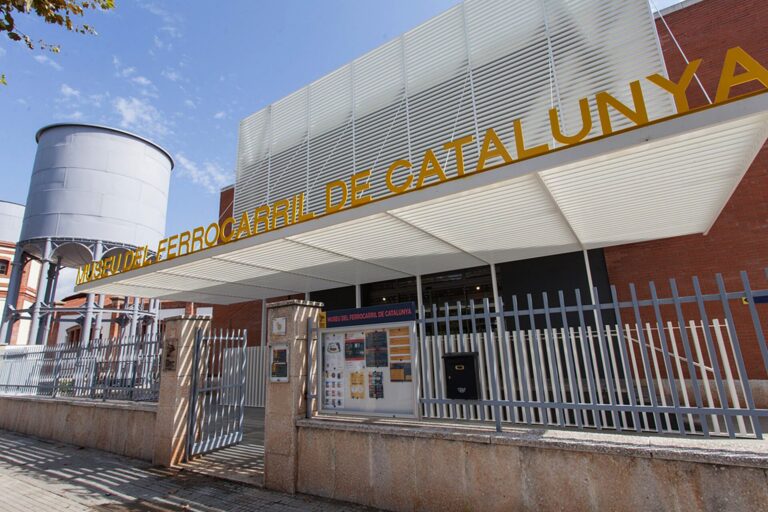
- Railway Museum of Catalonia — 14 km, The Railway Museum of Catalonia’s working replica of La Mataró
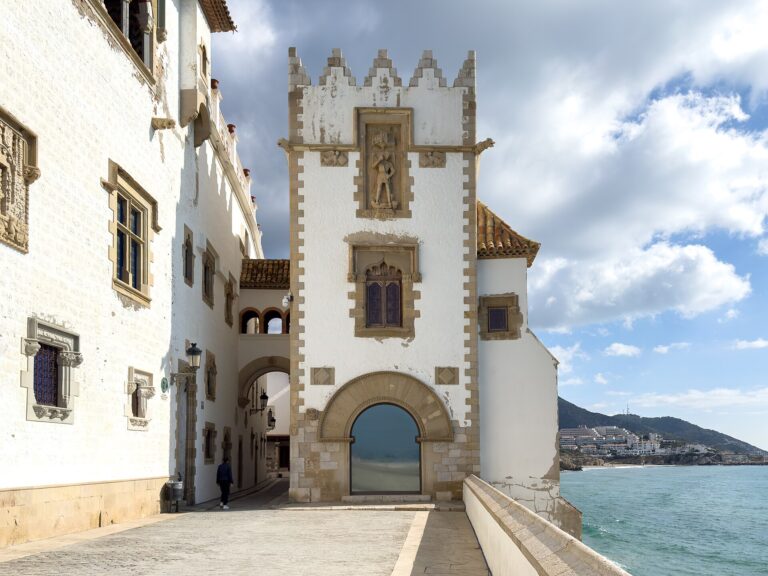
- Maricel Museum — 15 km, Charles Deering built a palace in Sitges for one
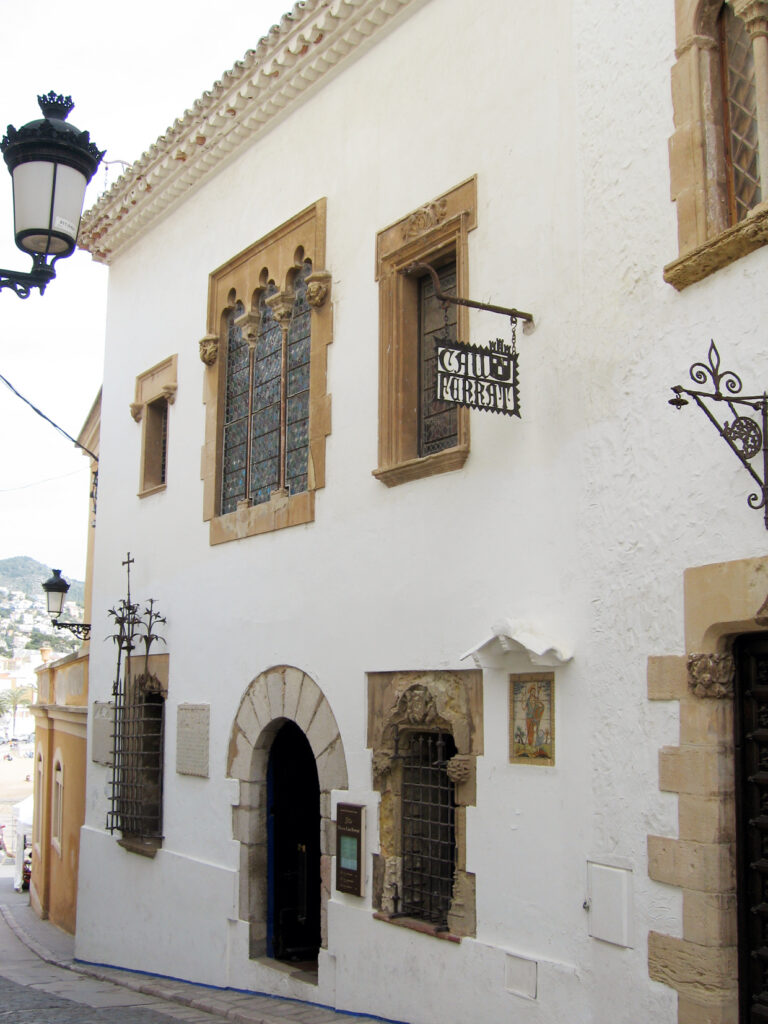
- Cau Ferrat Museum — 15 km, Santiago Rusiñol built his Sitges studio around Gothic windows salvaged
- Garraf Massif — 16 km, Fossilised monkeys once lived in the Garraf Massif’s karst sinkholes
For the wider picture, see the Costa Barcelona guide, which lists every town on this coast.
Frequently asked questions
How do I get to Vilafranca del Penedès from Barcelona?
Take the R4 Rodalies commuter rail line for a direct rail link; the town is also accessible by road via the AP‑7/A‑7 motorways and lies roughly 55 km from the city. Check current timetables for train frequencies and connections.
Is Vilafranca del Penedès expensive?
Costs vary by activity: museum visits and walking the town are budget‑friendly, while winery tours and tastings can range depending on the producer and the kind of tasting you choose. Dining prices reflect standard Catalan provincial levels; look for market stalls and local taverns for better value.
Which beach is closest to Vilafranca?
The town is inland in the Penedès wine region; coastal destinations such as Vilanova i la Geltrú and Sitges are within reach for a day trip but are not part of the town itself. Use the town as a base for inland cultural activities rather than for beach holidays.
How many days should I spend here?
One full day covers the town centre (VINSEUM, the Basílica, Palau Baltà, market) plus a single nearby winery visit. Two to three days let you include multiple cellar tours, more relaxed bike rides through vineyards and time to attend a festival if your visit aligns with Vijazz or Festa Major.
Is the town good for families with children?
Yes—children enjoy the spectacle of the castellers and outdoor activities such as easy bike rides in the surrounding countryside. Museums like VINSEUM can be framed for families by focusing on the agricultural and cultural stories behind winemaking.
Can I visit wineries without a car?
Many wineries require a car for convenient access, although some larger producers and organised tour operators run pickup services from the town. Check with individual wineries in advance to see if they offer guided tours, shuttle services or are accessible by regional buses.
Where should I park in the town?
The historic centre is compact and designed for pedestrians; look for municipal parking outside the old town and walk in. Specific car park names or prices are not provided here—check local signage on arrival or ask your accommodation for the best nearby lots.
What can I do on a rainy day?
Visit VINSEUM to learn about Catalonia’s wine cultures indoors, explore the town’s arcaded squares and modernist interiors, and try local restaurants that feature Penedès wines paired with Catalan dishes such as xató and coca.
When are the best festivals?
Vijazz Penedès takes place in early July and blends jazz concerts with wine tastings. The Festa Major de Sant Fèlix happens around 30 August and is the town’s biggest celebration, notable for major casteller performances.
Are there opportunities to see the castellers outside festivals?
The castellers are a living tradition in the town and perform at public events and competitions. Major performances take place during Festa Major, but the group and other colles may also appear at local festivals and cultural events; check event listings for current schedules.
Can I base myself in the town to explore the Penedès vineyards?
Yes. The town is commonly used as a practical base for exploring the Penedès DO vineyards by car or bike, with numerous wineries nearby and larger cava houses clustered in neighbouring Sant Sadurní d’Anoia.
Is VINSEUM worth a visit?
VINSEUM is the region’s dedicated wine museum housed in a medieval palace on Plaça Jaume I; it provides historical context to Penedès winemaking and is a sensible stop before or after winery visits.
What local foods pair well with Penedès wines?
Local gastronomy traditionally pairs Penedès wines with Catalan dishes such as xató salad and coca flatbreads. Seek out restaurants that highlight local produce and wine lists to sample typical pairings.
Are there organised bike tours of the vineyards?
Bike touring is a common way to explore the gentler lanes of the Penedès, and the town is used as a base for cycling routes. For guided or organised tours, contact local tour operators or visitor information services to confirm options, suitability and seasonality.
Plan the wider trip
- Sant Sadurní d’Anoia
- Vilanova i la Geltrú
- Sitges
- Castelldefels
- Igualada
- Calella: Beach Resort on the Costa de Barcelona
Vilafranca Del Penedes on the map
Places worth knowing near Vilafranca Del Penedes

How this page is maintained. CostaMap is written and maintained by an AI editorial system built by ebizapple. Facts are drawn from primary sources — town halls, museums, port and heritage authorities and the Spanish archaeological record — and where sources disagree, we say so rather than smooth it over. Photographs marked as ours are taken on location. This page was last reviewed on 15 August 2026. Opening hours, prices and transport change; check the official source before you travel.