
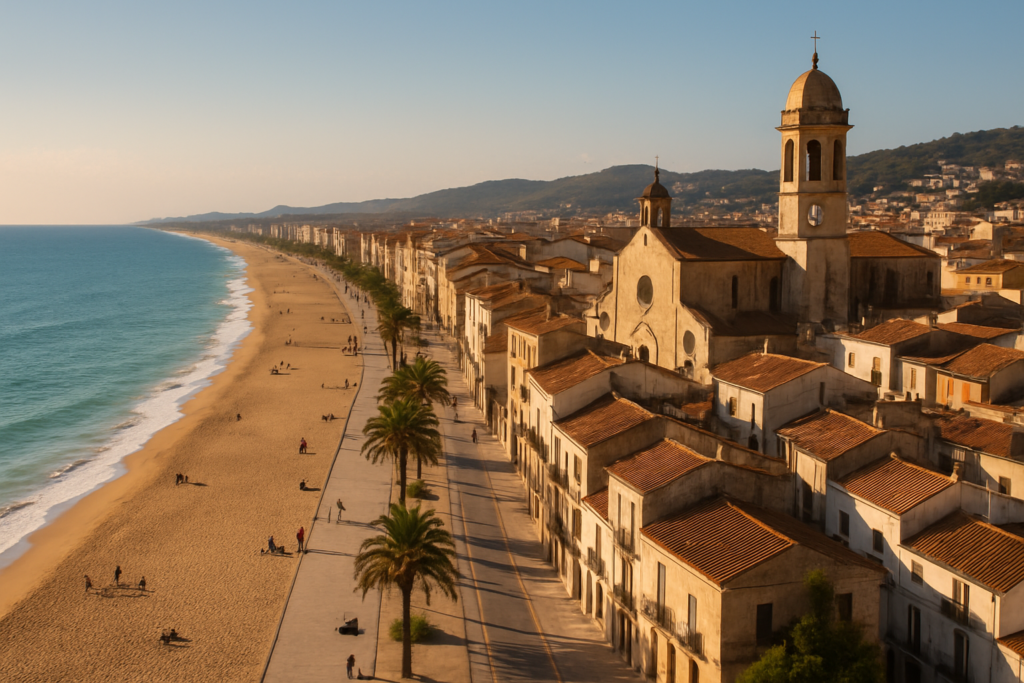
If you arrive expecting an untouched Mediterranean hideaway you’ll be half right: the stretch of sand and the palm-lined promenade are exactly what they promise, but this is a working holiday resort rather than a secluded boutique escape. Expect family hotels, a lively seafront, and traces of history squeezed between apartment blocks—appealing if you want classic Catalan beach life with easy transport links to Barcelona and the Costa Brava.
Pineda de Mar at a glance
- Coastal resort on the Maresme coast at the southern gateway to the Costa Brava.
- Long sandy beach with a palm-lined passeig marítim filled with restaurants and ice-cream parlours.
- Blue Flag beaches in recent seasons for water quality and amenities.
- Station on the R1 Rodalies coastal rail line—direct trains to Barcelona in about an hour.
- Nearby Montnegre i el Corredor natural park for woodland hiking behind the shoreline.
- Local agricultural hinterland known for strawberries and market-garden produce.
- Roman remains including a preserved section of an aqueduct in the town centre.
Things to do in Pineda de Mar
What most visitors do here is straightforward: stretch out on the sand, stroll the passeig marítim, eat seafood or ice-cream, and take short excursions inland or along the coast. If you want to mix active days with low-key resort time, the combination of seaside amenities and nearby nature works neatly—just don’t expect a major cultural-city programme on every corner.
| Attraction | What it is | Price/entry | Best for |
|---|---|---|---|
| Long sandy beach & promenade | Several kilometres of sand with a palm-lined promenade | — | Families, sunbathing, evening promenades |
| Aqüeducte de Can Cua (Roman aqueduct) | Preserved section of a Roman aqueduct in the town | — | History buffs, short walks |
| Parish church of Santa Maria de Pineda | Historic church anchoring the town centre | — | Architecture and quiet sightseeing |
| Montnegre i el Corredor natural park | Wooded hills behind the coast with hiking options | — | Hikers, nature lovers |
| Passeig marítim | Seafront promenade lined with restaurants, bars and ice-cream parlours | — | Evening walks, dining |
Beach life and the promenade
The seafront is the obvious main attraction: a long sandy Mediterranean beach stretches for several kilometres and is backed by a palm-lined promenade. The passeig marítim is the social spine—cafés, casual restaurants and ice-cream parlours face the sea, making the evening stroll one of the town’s most reliable pleasures. Recent seasons have seen Blue Flag status for water quality and amenities, so the infrastructure for sunbathing and family swimming is well established.
Roman traces and the town centre
The town preserves a section of a Roman aqueduct (the Aqüeducte de Can Cua), which is tangible evidence of ancient settlement in the area. Nearby, the parish church of Santa Maria de Pineda anchors the historic centre, close enough to the seafront for a short, level walk. These compact heritage spots are best visited together as a brief cultural detour from the beach—no long museum visits required.
Walks into the hills
For more than sand, head inland to the Montnegre i el Corredor natural park. The wooded hills behind the coast give straightforward hiking and walking options and are a practical half-day escape from the resort strip. Paths here are the contrast to the beach—cooler, shaded and noticeably quieter.
Best beaches in Pineda de Mar
The coast here is continuous with neighbouring resorts, so the beaches are the primary attraction and the reason most people come. They are wide, generally family-friendly and supported by the promenade for food and drink.
| Beach | Character | Facilities / Blue Flag |
|---|---|---|
| Main sandy beach (central seafront) | Long sandy stretch with a palm-lined promenade | Blue Flag status in recent seasons; restaurants and bars nearby |
| Extended coastal strip into neighbouring towns | Continuous resort beaches shared with Calella and Santa Susanna | Resort facilities extend along the strip |
Pineda de Mar with kids
This is a genuinely family-oriented resort: many hotels, campsites and dedicated family facilities make it straightforward to travel with children. The wide beaches and calm promenades are easy for small kids, and the promenade’s cafés and ice-cream parlours provide predictable creature comforts. For a break from sand, a short inland hike in the Montnegre i el Corredor park offers a child-friendly nature fix without complicated logistics.
How to get to Pineda de Mar and get around
Transport is one of the town’s strengths. It sits on the R1 Rodalies coastal rail line, with direct trains to Barcelona taking about an hour, which makes day-trips to the city practical. By road, the town is reachable via the N-II and the C-32 motorway; it is roughly 55 km from Barcelona. Once in town, the seafront and main sights are compact and walkable—many visitors find a car unnecessary unless they plan to explore more of the inland countryside by their own timetable.
| From | By | Approx time |
|---|---|---|
| Barcelona | R1 Rodalies train | About an hour |
| Barcelona | N-II road / C-32 motorway | About 55 km |
Where to stay
Accommodation here ranges from family hotels and campsites to seafront apartment blocks. Choose where to base yourself depending on how you plan to spend the day:
- Seafront / promenade: ideal for beach-first visitors and families who want direct access to the sand and restaurants.
- Town centre near the parish church: better for quieter evenings, short walks to historic points and a slightly less touristy feel.
- Edge of town towards the hills: useful for visitors planning day hikes into the natural park or looking for greener surroundings.
Best time to visit
The high season is summer, when the beaches, the promenade and the hospitality industry are all at full tilt. If you want the liveliest atmosphere, time a visit for the town’s Festa Major, held in summer with music, fireworks and traditional Catalan events. Shoulder seasons can still offer pleasant weather with fewer crowds, while winter is quieter and many seafront businesses may reduce hours.
| Season | Months | What to expect |
|---|---|---|
| Summer (peak) | June–August | Full beach life, Festa Major and busiest services |
| Shoulder | Spring & autumn | Fewer crowds, pleasant weather, good for walking |
| Winter | December–February | Quiet seafront and reduced tourist services |
History of the town
Although the resort identity dominates today, the area has deeper roots. The preserved section of the Aqüeducte de Can Cua attests to Roman-era activity and infrastructure, and the parish church of Santa Maria sits in the historic core close to the seafront. Over time the settlement evolved from a small coastal village with agricultural hinterland into a modern holiday destination along the Maresme coast.
Practical info
- Transport links: The R1 Rodalies line gives direct rail access to Barcelona and neighbouring coastal towns; the N-II and C-32 provide straightforward road access.
- Beach facilities: Blue Flag recognition in recent seasons indicates maintained water quality and basic amenities along the main beach.
- Local produce: The Maresme region around the town is known for strawberries and market-garden produce—look for them at local markets and cafés.
- Walkability: The seafront, town centre, aqueduct and church are all within easy walking distance, making a car optional for most visitors.
- Family facilities: The resort offers hotels and campsites catering to families and package-holiday visitors.
Worth it for: straightforward Mediterranean beach days, families who want reliable amenities, and travellers using coastal rail links for quick access to Barcelona or the Costa Brava. Less so if: you want an off-grid, remote beach experience or a destination with a dense cultural-programme—this is a resort town first, historic curiosities second.
How we assess this guide
This guide compiles verified, cross-checked claims about the resort’s transport links, beaches, heritage and nearby natural park. We flag official designations (such as recent Blue Flag status) and note local festivals. We do not claim original field reporting; instead, we synthesise authoritative sources to set accurate expectations and flag the practical details that affect visits.
Nearby on the Costa Brava
Towns near Pineda de Mar
- Calella — 3 km south-west
- Malgrat de Mar — 5 km north-east, history, the Cathedral of the Coast and how to visit
- Tordera — 9 km north, an inland town on the Costa Brava's southern edge
- Canet de Mar — 10 km south-west, Domènech i Montaner's modernism
- Blanes — 10 km north-east
- Arenys de Mar — 13 km south-west, a Maresme coast town with the area's biggest marina
Places to visit within reach
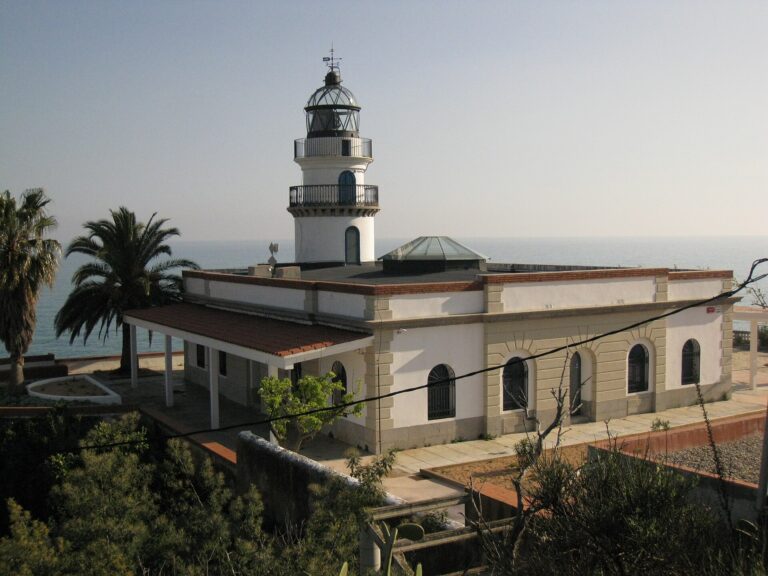
- Calella Lighthouse — 4 km, Calella’s lighthouse replaced a corsair watchtower in 1859 and still turns
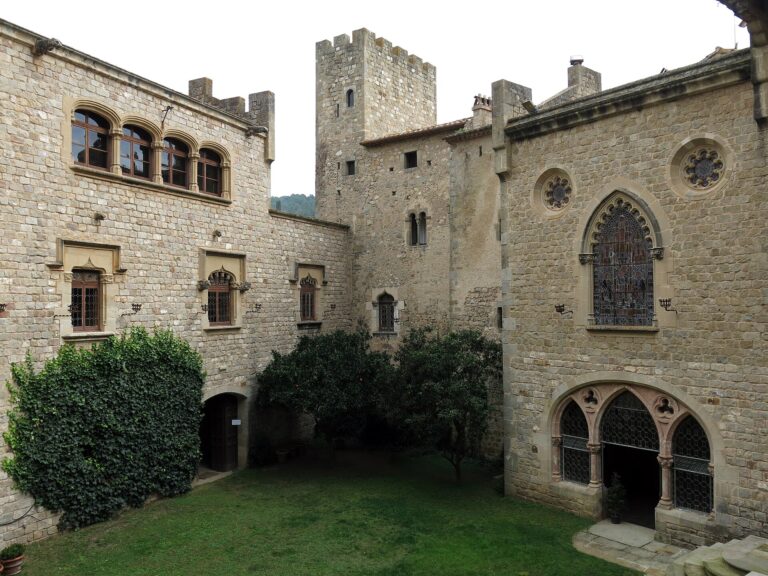
- Castle of Santa Florentina — 10 km, An 11th-century fortified house rebuilt around 1900 by Domènech i Montaner
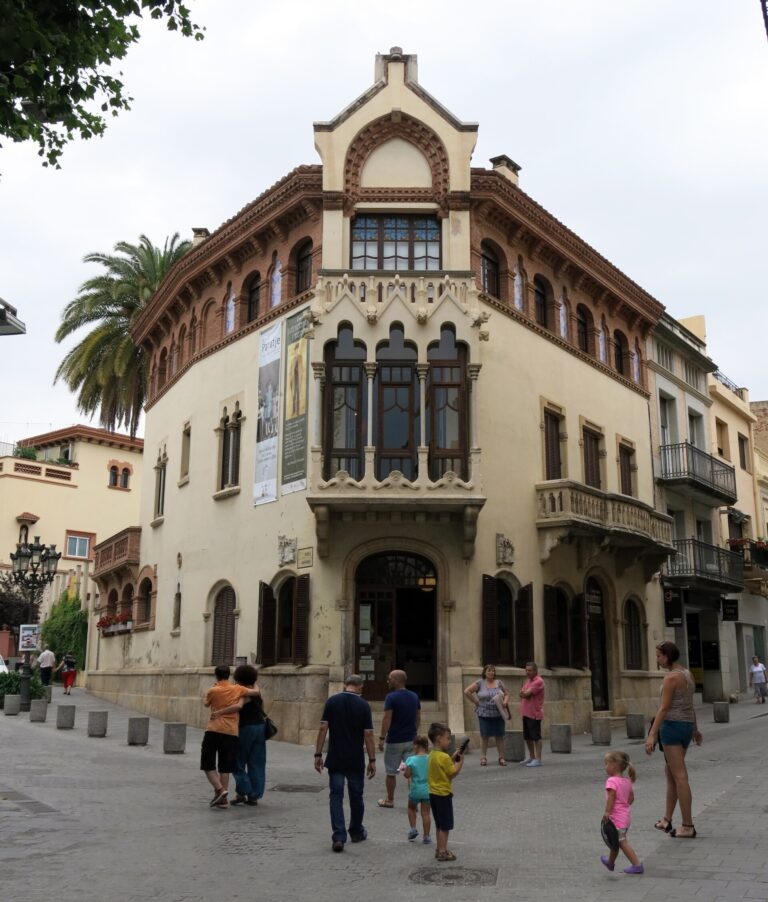
- Lluís Domènech i Montaner House-Museum — 10 km, The Palau de la Música and Hospital de Sant Pau were
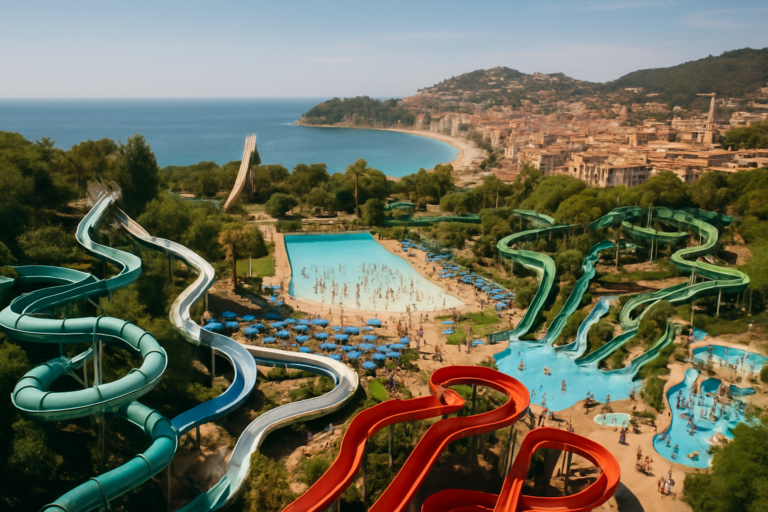
- Water World Lloret — 14 km, Water World opened in 1985 as one of Spain’s first water
For the wider picture, see the Costa Brava guide, which lists every town on this coast.
Frequently asked questions
How do I get from Barcelona airport to the town?
The most straightforward public-transport option is to take a train towards Barcelona and transfer to the R1 Rodalies coastal line at an appropriate interchange, since the town sits on the R1 route. Road travel via the N-II or C-32 motorway is also direct; the town is about 55 km from Barcelona by road.
Is it expensive to visit?
Prices reflect typical seaside-resort patterns: seasonal variation is strong, with peak-summer rates higher. The town’s large supply of hotels and campsites gives budget options in low and shoulder seasons, while restaurants and promenade venues cover a range of price points.
Which beach is best for families?
The central sandy beach with the palm-lined promenade is the best choice for families: it’s wide, has easy access to restaurants and services, and the resort’s Blue Flag recognition in recent seasons signals maintained facilities and water quality.
How many days should I spend here?
Two to four days is a sensible stay for most travellers: long enough for relaxed beach time, a couple of meals on the promenade, and a day trip—either a short hike into the Montnegre i el Corredor park or a train ride to Barcelona or neighbouring coastal towns.
Is it a good place to visit with children?
Yes. The town is purpose-built for family holidays with many hotels and campsites geared to children, plus calm beaches and a pedestrian-friendly promenade lined with cafés and ice-cream parlours.
Can I get around without a car?
Yes. The seafront and town centre are walkable, and the R1 Rodalies rail line connects the resort to Barcelona and neighbouring towns. A car is only necessary if you want to explore rural areas on a tight schedule.
Is there parking near the beach?
There is local parking typical of a coastal resort; availability and cost vary seasonally, with the busiest demand in summer. Given the town’s compactness and train connections, many visitors opt not to use a car.
What can I do on a rainy day?
Indoor options in a small resort are limited compared with a city. Short alternative activities include visiting the parish church and Roman aqueduct in the town centre, enjoying a long lunch in a covered restaurant, or catching a train to larger nearby towns with museums and shops.
When is Festa Major held and what happens?
The town celebrates its Festa Major in summer; the local festivities typically include music, fireworks and traditional Catalan events. It’s a lively period when the resort feels most celebratory.
Are there day-trip options from here?
Yes—direct R1 trains to Barcelona make day-trips feasible in about an hour, and the continuous coastal strip means neighbouring towns such as Calella and Santa Susanna are immediate and walkable or a short rail ride away.
What historical sites are worth seeing?
Look for the preserved section of the Roman aqueduct, the Aqüeducte de Can Cua, and the parish church of Santa Maria in the historic centre; these are compact and easy to combine in a short walking loop from the seafront.
Is the area good for hiking?
Yes—the Montnegre i el Corredor natural park offers wooded hills and easy hiking options behind the coast, providing a shady, quieter contrast to the beaches.
How does Pineda de Mar compare to Calella and Santa Susanna?
These neighbouring towns extend the same Maresme resort strip. Pineda sits among them along the continuous coastline: expect similar beach-oriented atmospheres, with local differences in nightlife, accommodation mix and the feel of each town’s promenade.
Where can I buy fresh local produce?
The Maresme region is known for strawberries and market-garden produce; local markets and some cafés will feature these seasonal items—worth seeking out for simple breakfasts and snacks.
Is the water safe for swimming?
Recent seasons have seen Blue Flag recognition for the beaches, indicating attention to water quality and amenities. As always, check local notices and lifeguard advice during your visit.
Plan the wider trip
- Cassà de la Selva: cork-country town near Girona
- El Masnou: Maresme Marina Town Guide
- Arenys de Mar
- Alella
- Tordera
- Sant Hilari Sacalm: Spa Town in the Guilleries Hills
Pineda De Mar on the map
Places worth knowing near Pineda De Mar
How this page is maintained. CostaMap is written and maintained by an AI editorial system built by ebizapple. Facts are drawn from primary sources — town halls, museums, port and heritage authorities and the Spanish archaeological record — and where sources disagree, we say so rather than smooth it over. Photographs marked as ours are taken on location. This page was last reviewed on 15 August 2026. Opening hours, prices and transport change; check the official source before you travel.