
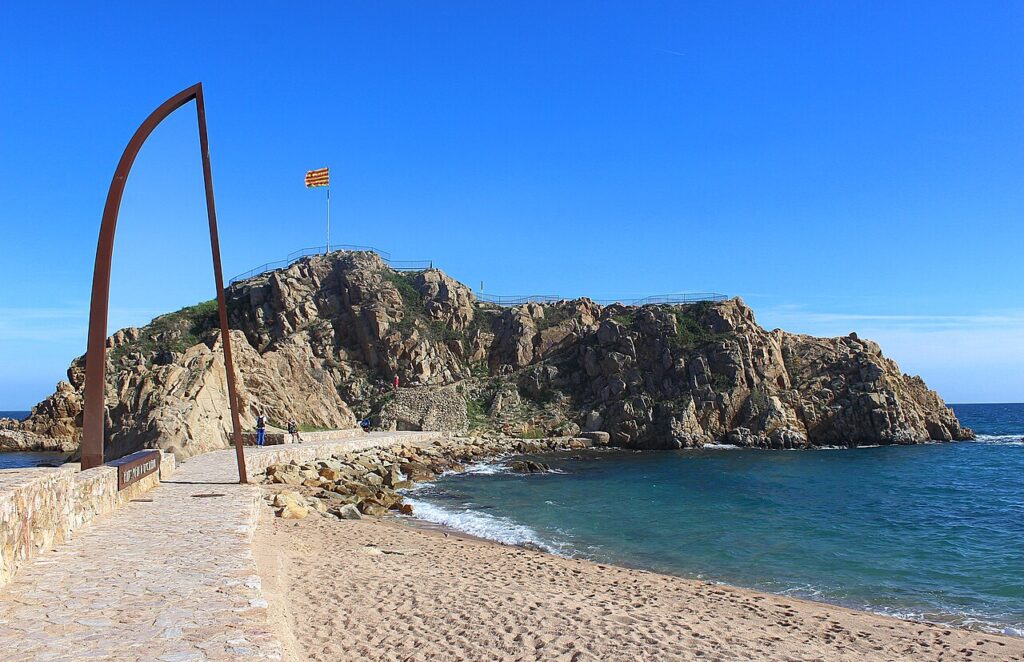
Blanes is a working seaside town of about 42,000 people in Girona province, and the most practical base on the southern Costa Brava for anyone who wants beaches and a real town rather than a purpose-built resort. It sits on a direct rail line, has two long town beaches, a castle and a famous botanical garden, and the rock of Sa Palomera marks where the Costa Brava officially begins. Choose it for easy transport and family beach days, not for secluded coves. It is part of our Costa Brava guide.
Quick facts
- Where: Blanes, La Selva comarca, Girona province, Catalonia. The tourist office is on Plaça de Catalunya.
- Residents: 42,446 (2025, Idescat).
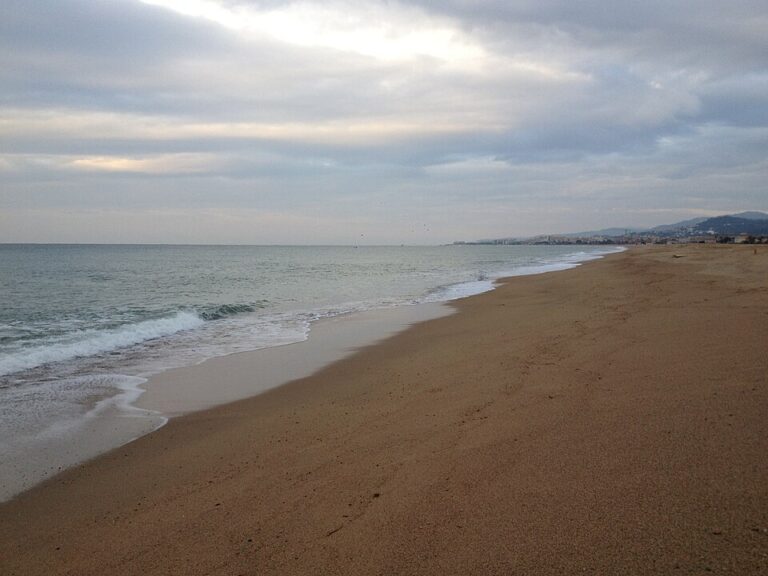
- Beaches: in town. Blanes beach is about 650 m long and S’Abanell is more than 2,380 m long; the two are separated by the Sa Palomera rock.
- Nearest airports: Girona–Costa Brava and Barcelona–El Prat; the bus operator Sagalés runs airport transfers to Blanes from both.
- Train: Blanes is a station on Rodalies line RG1, which runs from Portbou and Figueres to Mataró.
- Language: Catalan and Spanish.
- Market: confirm the market day with the tourist office before planning around it.
- Character: a former fishing village that is now a busy town and holiday resort.
Where to base yourself
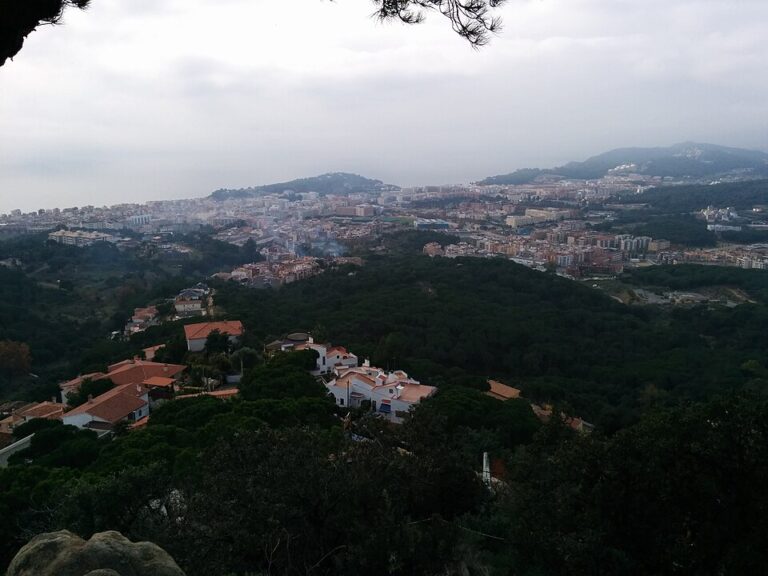
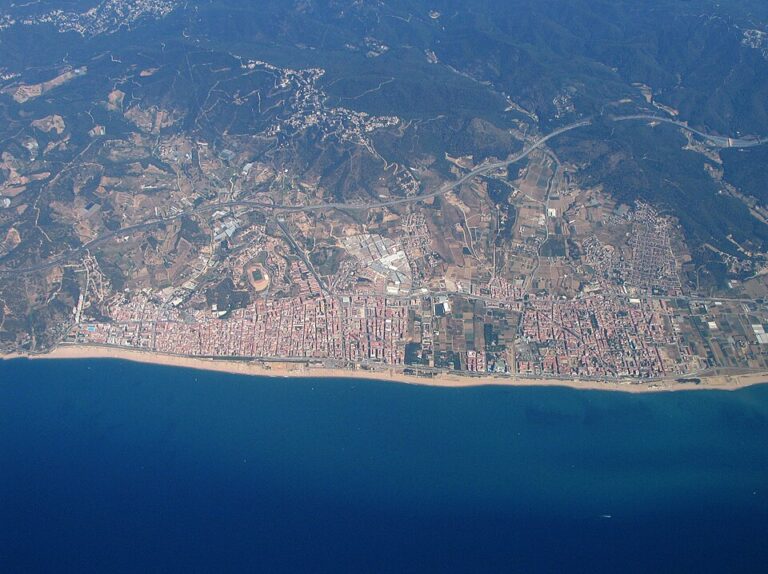
Blanes is long and flat along the coast, with a hill and a castle at one end and a river mouth at the other. The choice is mostly about how close you want to be to the old streets, the port or the long beach.
Town centre, port and Blanes beach
Blanes beach lies in the heart of the town, with the port at one end and Sa Palomera at the other, behind a promenade with an urban feel. The old streets, the Gothic fountain, the seafront restaurants and the railway station with its bus link are all within a short walk. This suits couples, short stays and anyone travelling without a car.
S’Abanell side
S’Abanell runs for more than 2,380 m towards the mouth of the Tordera river and is reached from the town centre and from the main tourist resorts in this area. Staying along it suits families who want to be on the sand all day. Expect a resort rhythm, with hotels and campsites facing the sea, and a longer walk into the old town.
Sant Francesc cove and Marimurtra
The residential area around Cala Sant Francesc, also called Cala Bona, lies about 2 km from the centre, below the botanical garden. It is quieter, pine-covered and good for people who want a small beach and the coastal path. Expect to drive or walk into town.
Skip Blanes as a base if you want a quiet hill village or a string of hidden coves; for that, look further north on the coast.
Things to do
The town’s sights are close together, and a single day on foot covers most of them.
Sa Palomera
This rock in the middle of the long beach marks the beginning of the Costa Brava, which is why Blanes is called its gateway. It is the natural first stop for the view over the promenade, both beaches and the port.
Sant Joan Castle
The castle was built between the 11th and 13th centuries to defend against pirate raids. Its 15 m keep and parts of the wall still stand, and the viewpoint looks over the Tordera plain, the Montseny, the coastal range and Blanes beach. Visit Costa Brava describes a 6 km walking route that links Sa Palomera, the port, the old streets, the castle, the garden and Sant Francesc cove.
Marimurtra Botanical Garden
Marimurtra stands at the top of steep cliffs above the sea. It was created by Carl Faust, a German businessman living in Catalonia who was born in 1874 and died in Blanes in 1952, and who put his fortune into it. The garden is mostly exotic plants, with some specimens notable for their age or size, plus a clifftop panorama. Check opening hours and booking on the garden’s own site before you go.
Pinya de Rosa Tropical Garden
This second garden is on an estate of about 50 hectares, although not all of it is garden, and holds almost 7,000 tropical plant species. Work began in 1945 on a project by the engineer Fernando Rivière de Caralt, and the site was declared a Landscape of National Interest in 2003. Confirm visiting arrangements before travelling.
Town heritage
Old streets with 19th-century houses sit beside remains of Catalan Gothic architecture, above all the 15th-century fountain. The Hermitage of Santa Bàrbara, a Cultural Asset of National Interest, forms a group with a coastal watchtower and the hermit’s house, with parts dating from the 16th, 18th and 20th centuries.
Beaches and places nearby
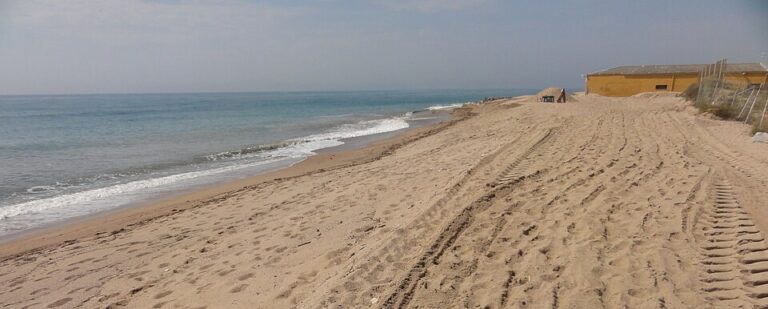
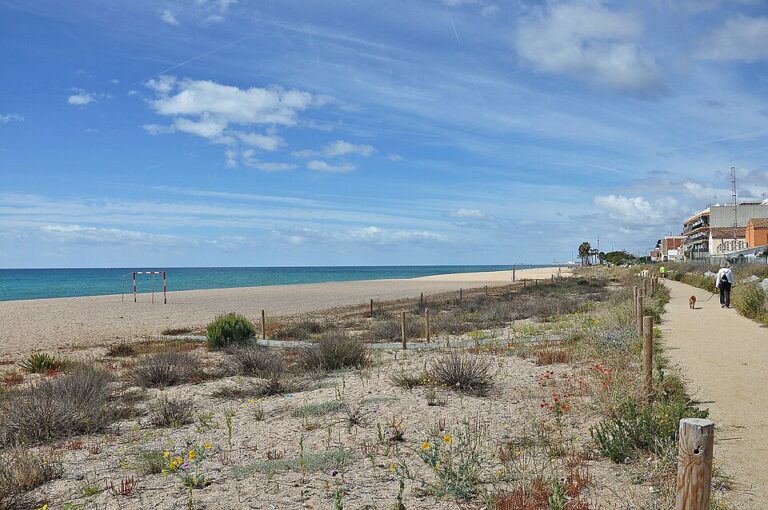
Blanes beach is about 650 m long and 30 m wide on average, with an underground car park nearby, a promenade and a children’s club run by the town council. S’Abanell is much longer, averages 32 m wide and combines finer and coarser sand; because it is exposed to storms, the amount of sand changes through the year. The Punta de la Tordera area beside the river is a nudist zone.
For something smaller, Cala Sant Francesc (Cala Bona) is about 200 m long and 35 m wide, backed by pines, with parking close by and the coastal path to Marimurtra. The water gets deep quickly, so watch small children. Santa Anna beach lies behind the harbour, and Sa Forcanera is a cove along the route towards the garden.
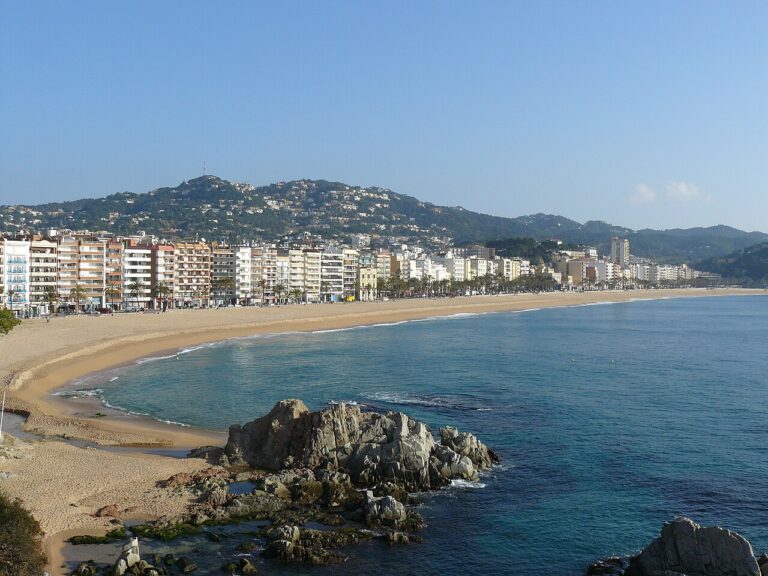
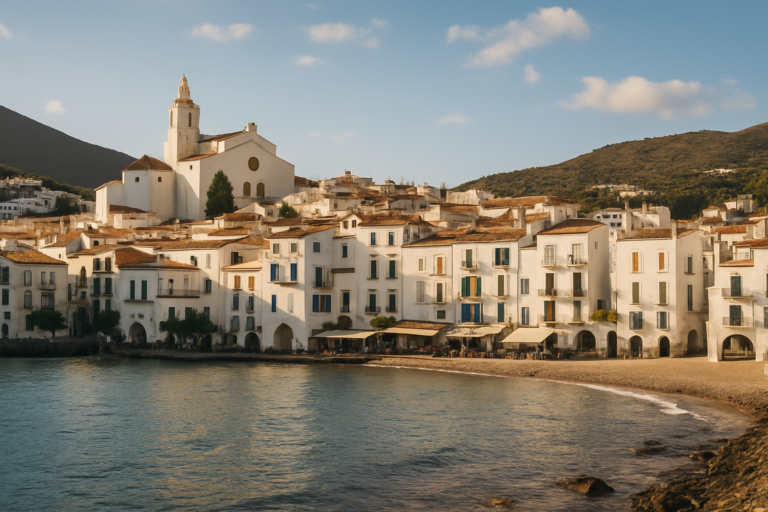
Along the coast, Lloret de Mar is the next resort to the north-east and Tossa de Mar lies beyond it; the Rodalies train-and-bus ticket covers Blanes, Lloret and Tossa. To the south-west, Malgrat de Mar is across the Tordera river in Barcelona province.
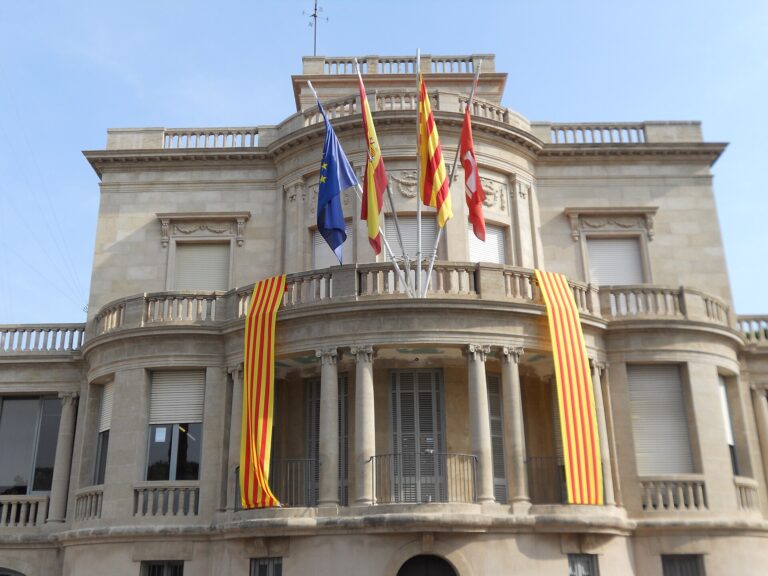
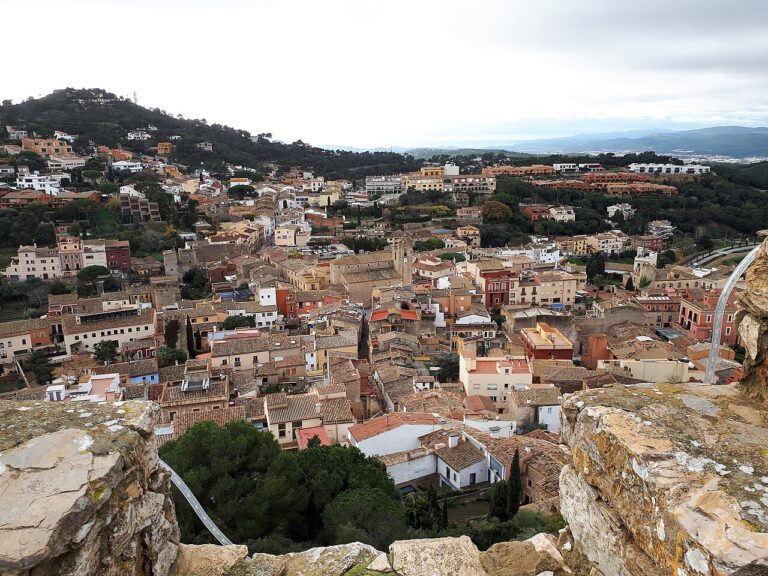
Other town guides nearby: Pineda de Mar (about 10 km in a straight line), Salt (about 33 km in a straight line), Palamós (about 34 km in a straight line).
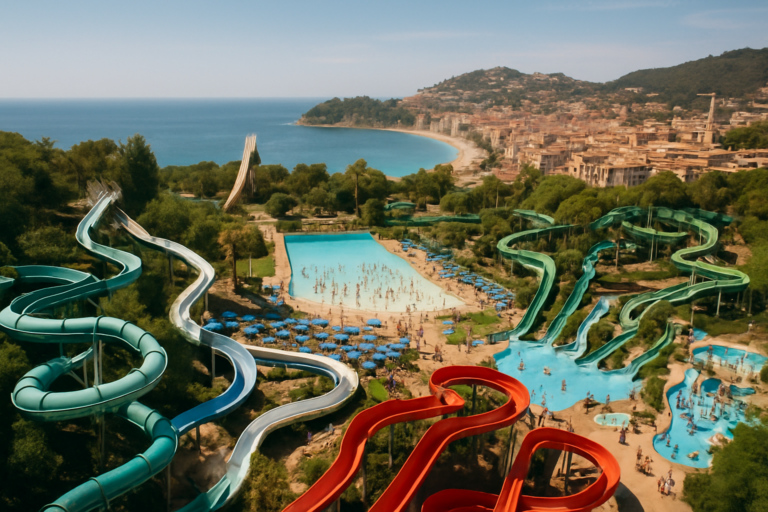
On CostaMap near Blanes: Water World Lloret (4.7 km).
Food and drink
Blanes eats from the sea. Visit Costa Brava points to traditional Catalan cooking and fresh seafood, and singles out seafood rice stew and fideuà, a noodle dish cooked like paella, as typical dishes. The seafront promenade, the port and the streets of the old centre have most of the restaurants and bars, from tapas to more elaborate plates. For a long lunch, the port bars let you watch the moored boats, and Cala Sant Francesc has a beach restaurant at the end of the coastal walk.
We do not name restaurants here because we have no current source for them.
Where to stay
Accommodation is mostly beachfront hotels, apartments and campsites. Visit Costa Brava lists a mix that includes a boutique hotel on the seafront, a spa hotel near the long beach, a beachfront resort hotel and a campsite facing the sea. Tourist apartments suit families who want a kitchen and more space.
Prices follow the season, with July and August the most expensive and booking earliest. For a town stay without a car, choose near the station or the centre; for beach days, choose along S’Abanell; for quiet, choose the Sant Francesc side. Check the exact distance to the sand and to the station before booking.
Getting there and around
By air, most visitors use Girona–Costa Brava or Barcelona–El Prat. Sagalés Airport Line lists transfers to Blanes from both airports, and prices and timetables change, so check them with the operator. We could not confirm an official road distance from Girona airport, so we do not give a figure.
By train, Blanes is on Rodalies line RG1, which runs from Portbou and Figueres to Mataró and connects with the Barcelona R1 and R2 Nord lines. From the station, buses run into the centre of Blanes and on to Lloret de Mar and Tossa de Mar. The Rodalies page we read has not been updated recently, so check the current timetable on the Rodalies site.
Within town, the centre, port, Sa Palomera and Blanes beach are walkable. The castle is a climb, and the garden and Cala Sant Francesc are about 2 km out, reachable on foot by the coastal path. S’Abanell is accessible on foot, by car, by bus and by boat. Blanes beach has an underground car park, which is the easiest option for day visitors.
Best time to visit
Summer is the beach season and the busiest and most expensive period. Spring and autumn suit the castle walk, the gardens and the coastal path, when it is comfortable to climb and walk. Check forecasts with AEMET before a coastal walk. S’Abanell is exposed to storms, so the beach can be narrower after rough weather. The town hosts a fireworks competition and other festivals, but we do not give dates because we have no sourced year for them; ask the tourist office.
FAQ
Is Blanes worth visiting?
Yes, for easy beach days, a castle with a view, two botanical gardens and simple transport. Look elsewhere if you want small, quiet coves.
Where does the Costa Brava begin?
At Sa Palomera, the rock in the middle of Blanes’ long beach, according to the Costa Brava tourist board.
Can I reach Blanes by train?
Yes. Blanes is a station on Rodalies line RG1, with bus connections from the station to the town centre, Lloret de Mar and Tossa de Mar.
How long are the beaches?
Blanes beach is about 650 m long, and S’Abanell is more than 2,380 m long, one of the longest on the Girona coast.
Is there a cove near the town centre?
Cala Sant Francesc, also called Cala Bona, is about 2 km from the centre and about 200 m long, reachable on foot from Marimurtra.
Sources and freshness
Last checked: October 2026. Sources: Costa Brava Girona Pyrenees, Blanes; Costa Brava Girona Pyrenees, Platja de Blanes; Costa Brava Girona Pyrenees, Platja de S’Abanell; Costa Brava Girona Pyrenees, Cala Sant Francesc; Visit Costa Brava, Route through Blanes; Visit Costa Brava, Sant Joan Castle; Visit Costa Brava, Hermitage of Santa Bàrbara; Marimurtra Botanical Garden; Catalunya.com, Pinya de Rosa; Idescat, Blanes; Rodalies de Catalunya, line RG1; Sagalés Airport Line; AEMET.
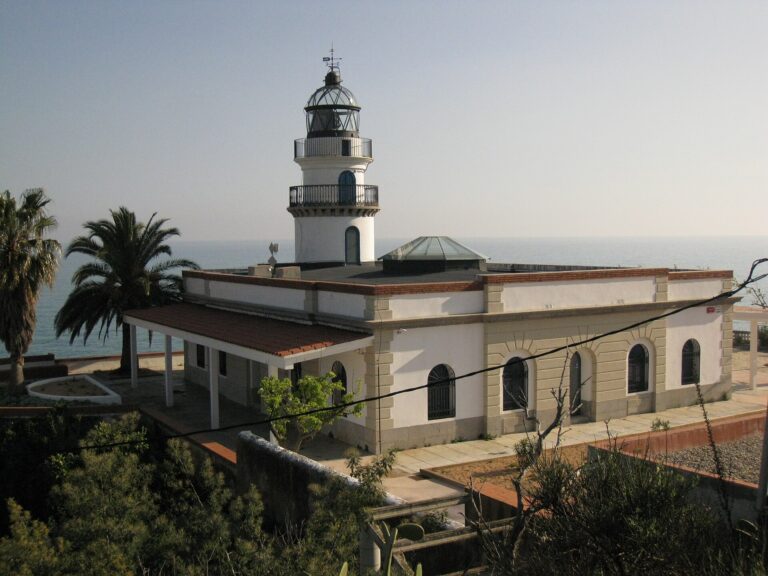
Main photo: Grenzlandstern, CC BY-SA 4.0, via Wikimedia Commons.
Nearby on the Costa Brava
Blanes on the map
Places worth knowing near Blanes
How this page is maintained. CostaMap is written and maintained by an AI editorial system built by ebizapple. Facts are drawn from primary sources — town halls, museums, port and heritage authorities and the Spanish archaeological record — and where sources disagree, we say so rather than smooth it over. Photographs marked as ours are taken on location. This page was last reviewed on 26 October 2026. Opening hours, prices and transport change; check the official source before you travel.