
Lloret de Mar is the Costa Brava’s busiest resort town: expect wide beaches, lively nightlife and a dense strip of shops and hotels rather than a sleepy Mediterranean village. That means crowds in summer, lots of package-holiday infrastructure and a surprising amount of heritage tucked between promenades and apartment blocks. Read this guide to know where to go, what to skip and how the town’s maritime history and modern leisure economy shape a visit.
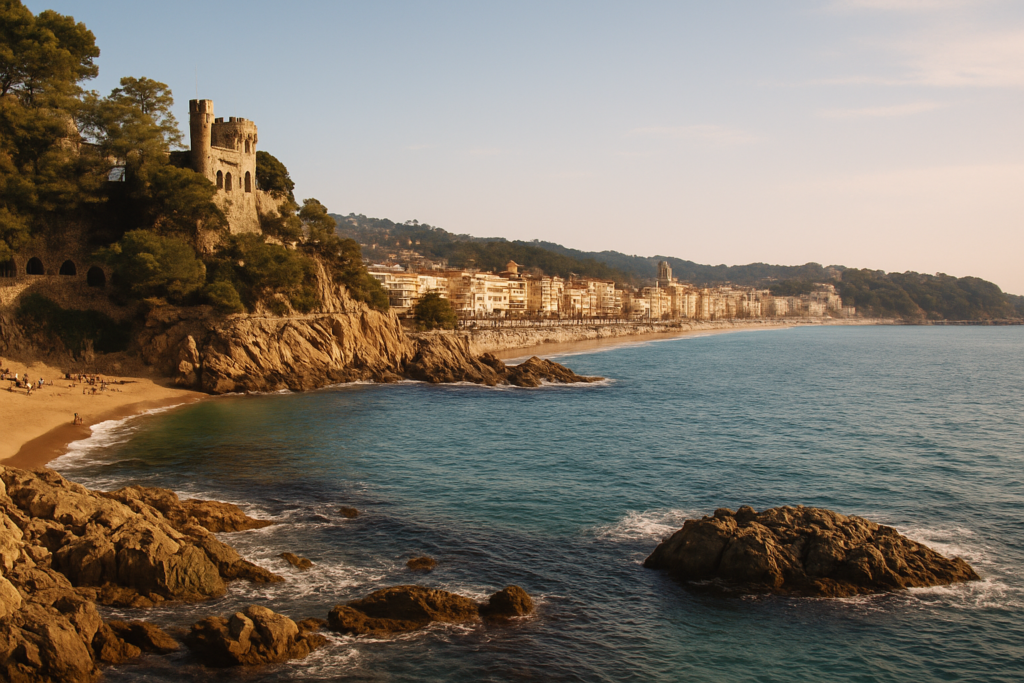
Lloret de Mar at a glance
- Resort on the Costa Brava, Catalonia — 40 km south of Girona and 75 km northeast of Barcelona.
- Main beach is 1,630 m long and the town’s beaches have repeatedly won Blue Flag awards.
- Central area has a long shopping precinct with many fashion and jewelry stores.
- Five urban bus lines link the town’s districts; cycling is widespread via extensive cycle lanes.
- Heritage highlights include the Castle of Sant Joan, the Church of Sant Romà and Santa Clotilde Gardens.
- Strong sports-tourism offer — Lloret is certified as a Sports Destination.
- Nightlife and resort hotels dominate the seafront; a large casino opened in 2010 as part of the Meliá Lloret de Mar hotel.
Before you plan
There are no verified closures in the sources used for this guide. As a busy summer resort, seasonal opening patterns and event schedules change year to year — check venues before you travel.
Things to do in Lloret de Mar
Lloret de Mar mixes sun-and-sea leisure with a more layered cultural and maritime past. Allocate time for the main beach and at least one historic site — the town’s compact layout makes doing both in a day feasible. Below is a concise comparison of the main points of interest grounded in local evidence.
| Attraction | What it is | Price/entry | Best for |
|---|---|---|---|
| Main beach (Platja de Lloret) | Wide sandy beach along the town seafront, 1,630 m long | – | Sunbathing, promenade access |
| Fenals beach | One of the town’s main beaches, typically a little quieter than the central strip | – | Families and calmer swims |
| Castle of Sant Joan | Hilltop medieval site with a restored tower dating back to the 11th century | – | Views, short historical walk |
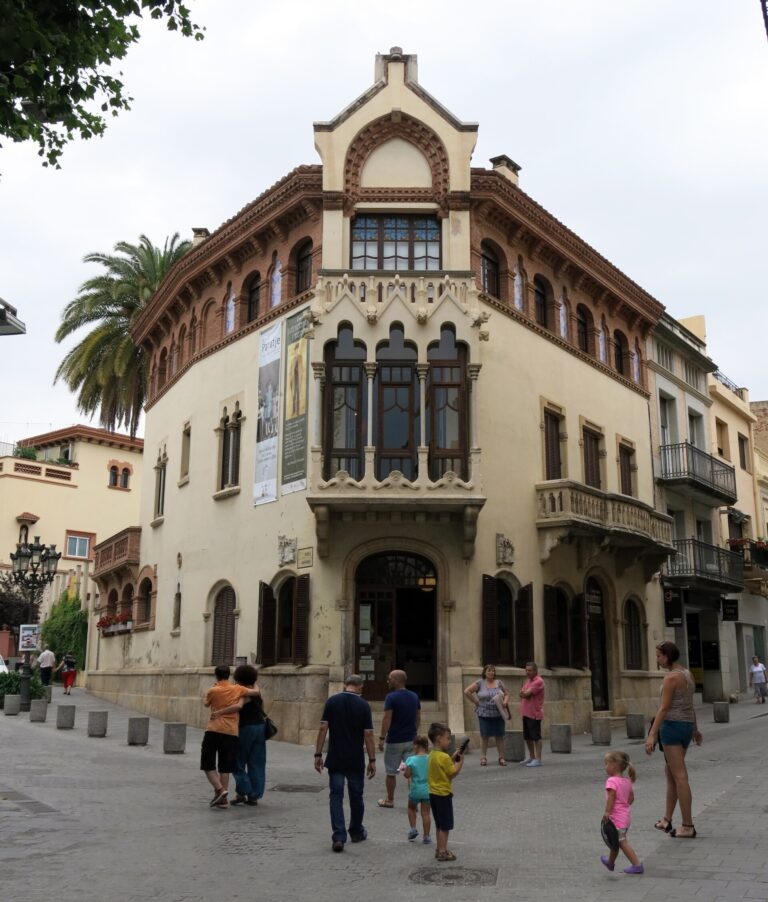
| Church of Sant Romà | Gothic parish church finished in 1522, distinctive in the townscape | – | Architecture and photography |
| Santa Clotilde Gardens | Italian-Renaissance–style seaside gardens | – | Scenic strolls, plantings and viewpoints |
| Verdaguer Cultural Centre / Puig de Castellet remains | Houses relics from the Puig de Castellet Iberian settlement (dating to c. 250 BC) | – | Archaeology and local history |
| Maritime Museum | Museum explaining the town’s seafaring past and shipbuilding heritage | – | Maritime history, families |
| Modernist cemetery & Indiano houses | Elegant “Indiano” homes and a notable modernist cemetery linked to emigrant wealth | – | Architectural history, quieter walks |
Seafaring history and small museums
Lloret’s maritime identity underpins many of its cultural stops. The Maritime Museum explains how the town grew from fishing and shipbuilding into a commercial port in the 18th century. The Verdaguer Cultural Centre preserves Iberian relics from the Puig de Castellet settlement, dating back to around 250 BC, which demonstrates continuous human presence long before modern tourism.
Medieval high points: Castle of Sant Joan and Sant Romà
The Castle of Sant Joan crowns a coastal hill; its surviving tower is the primary remnant of a medieval fortress originally dating to the 11th century. In town, the Church of Sant Romà — a Gothic church completed in 1522 — provides a contrast to the resort architecture of the seafront and signals Lloret’s deeper historical layers.
Architectural trails: Indiano legacy and Santa Clotilde
The wealth returned by emigrants to the Americas left a clear imprint: decorative “Indiano” houses and a modernist cemetery are among the most important examples in Catalonia. Nearby, Santa Clotilde Gardens offer planned terraces and views in an Italian Renaissance style that break with the hotel-lined promenades.
Best beaches in Lloret de Mar
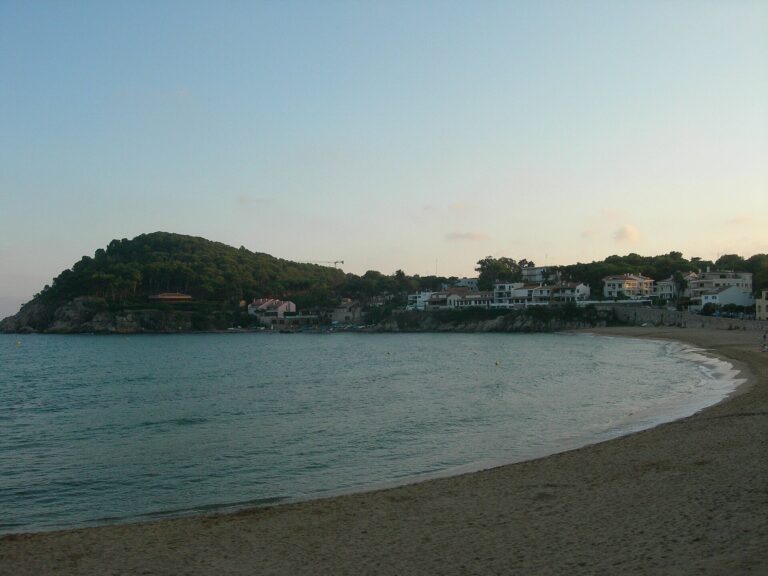
Beaches are the town’s primary draw. The main seafront is broad and framed by promenades, while Fenals provides a slightly quieter alternative. Several of the town’s beaches have been awarded the Blue Flag, which signals recognised quality and cleanliness on the Costa Brava coast.
| Beach | Character | Facilities / Blue Flag |
|---|---|---|
| Platja de Lloret (Main beach) | Wide sandy central beach, long promenade and hotel frontage | 1,630 m long; consistently awarded the Blue Flag |
| Fenals | One of the main town beaches, usually less frenetic than the central strip | Part of Lloret’s Blue Flag–awarded beaches (town holds multiple Blue Flags) |
Lloret de Mar with kids
Families can manage a mix of beach time and short cultural visits. The Maritime Museum has straightforward interpretations of the town’s seafaring past, beaches offer shallow entry in places, and Fenals tends to be more family-friendly than the central beach when crowds spike. Sports-tourism infrastructure and organised activities may appeal to older children and teens.
How to get to Lloret de Mar and get around
Lloret sits on the Costa Brava coast with good road links to Girona and Barcelona. Once in town, public transport and cycling are common ways to move between beaches, the old town and hillside sights. Be aware that although there are extensive cycle lanes, some run close to heavy pedestrian traffic and can feel hazardous in crowded stretches.
| From | By | Approx time |
|---|---|---|
| Girona | Road (Lloret is 40 km south of Girona) | – |
| Barcelona | Road (Lloret is 75 km northeast of Barcelona) | – |
Within town, five urban bus lines connect districts, making it possible to reach beaches, the shopping precinct and residential areas without a car. Many visitors rely on a combination of walking along the promenade and buses; cycling is an option but requires caution in busy pedestrian areas.
Where to stay in Lloret de Mar
Choose your base according to the kind of trip you want:
- Central seafront — for beachfront hotels, nightlife and immediate access to the main promenade and the long shopping precinct.
- Fenals area — quieter beaches and a more relaxed seaside atmosphere, good for families.
- Near the old town / Sant Romà — convenient if you want quick access to cultural stops like the church, municipal museums and the Indiano architecture.
Best time to visit Lloret de Mar
Lloret de Mar is busiest in summer when beaches and nightlife are at their peak. The town’s climate sits on the border between humid subtropical and coastal Mediterranean, so expect mild winters and warm summers with the highest visitor numbers in July and August. Traditional Catalan festivals and seafaring processions take place locally at various times of year, adding cultural interest outside pure beach season.
| Season | Months | What to expect |
|---|---|---|
| Summer | June–August | Peak crowds, full beach services, nightlife and package-tour traffic |
| Shoulder seasons | Spring / Autumn | Milder weather, quieter beaches, some cultural events and easier access to sites |
| Winter | December–February | Low season for resorts; milder climate but many tourist services reduced |
History of Lloret de Mar
Lloret’s recorded history begins in documents from 966. Long before that, archaeological remains show human presence — Iberian and Roman remains survive at sites around the municipality, and the Verdaguer Cultural Centre displays relics from the Puig de Castellet Iberian settlement dating to about 250 BC. The town developed around a sheltered bay and prospered through maritime trade and emigration to the Americas; emigration wealth explains the “Indiano” houses and the important modernist cemetery. Lloret’s port grew commercial importance in the 18th century, and the town resisted frequent Saracen attacks during the Middle Ages.
Practical info
- Public transport: Five urban bus lines connect the town’s districts; buses are the main local public option beyond walking.
- Cycling: Extensive cycle lanes exist across town, but some lanes are adjacent to heavy pedestrian flows and can be dangerous in busy stretches.
- Beaches and quality: The town’s main beach is 1,630 m long and Lloret has repeatedly been awarded Blue Flags for beach quality and cleanliness.
- Sports facilities: Lloret is certified as a Sports Destination and offers infrastructure and activities aimed at sports tourism.
- Nightlife and gambling: A large casino was opened in 2010 as part of the Meliá Lloret de Mar hotel, reinforcing the town’s evening leisure offer.
Worth it for: Beach time combined with short cultural walks, architectural curiosities (Indiano houses, modernist cemetery) and a high-energy resort atmosphere. Less so if: You want a quiet, off-the-beaten-track Mediterranean village — Lloret is best known for its resort infrastructure, package-tour crowds and lively nightlife.
How we assess this guide
This guide compiles verified facts from local sources and cross-checked records: distances to Girona and Barcelona, local heritage sites and municipal attributes such as bus lines, cycle lanes and Blue Flag beaches. We flag closures and redevelopment where sources indicate them; this piece relies on verified third‑party information rather than first‑hand field reporting.
Nearby on the Costa Brava
Towns within reach
- Tossa de Mar — on the Costa Brava has a walled medieval old (8 km)
- Tordera — an inland town on the Costa Brava's southern edge, its river delta (9 km)
- Malgrat de Mar — history, the Cathedral of the Coast and how to visit (10 km)
- Pineda de Mar — long Maresme beaches, a Roman aqueduct and direct trains from Barcelona (14 km)
- Santa Coloma de Farners — Full guide to Santa Coloma de Farners (23 km)
Things to see close by
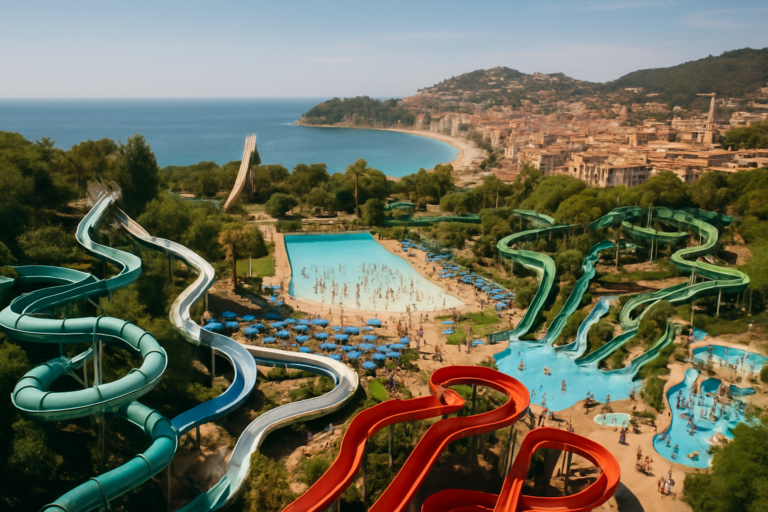
- Water World Lloret — Water World opened in 1985 as one of Spain's first water parks (1 km)
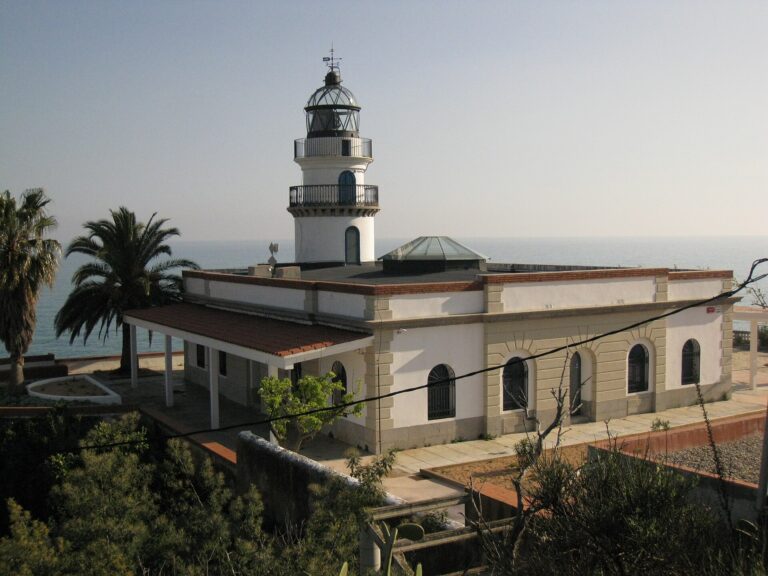
- Calella Lighthouse — Calella's lighthouse replaced a corsair watchtower in 1859 and still turns (19 km)
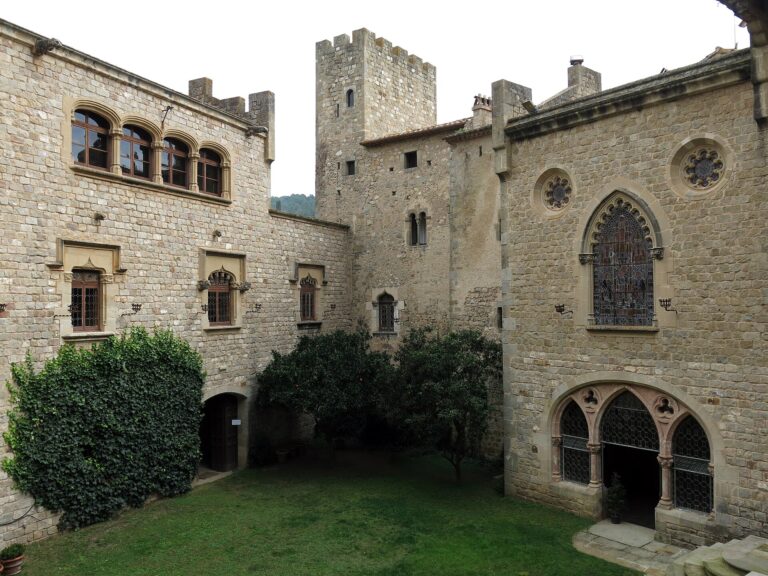
- Castle of Santa Florentina — An 11th-century fortified house rebuilt around 1900 by Domènech i Montaner (24 km)
- Lluís Domènech i Montaner House-Museum — The Palau de la Música and Hospital de Sant Pau were drawn (24 km)
For the wider picture, see the full Costa Brava guide.
Frequently asked questions
How do I get from Girona airport to Lloret de Mar?
Lloret de Mar lies 40 kilometres south of Girona. Ground connections (road/bus) link the airport region to the coast; check current bus and shuttle services for schedules and availability.
How far is Lloret de Mar from Barcelona?
Lloret is 75 kilometres northeast of Barcelona by road; it is reachable from the Barcelona region via the coastal road and regional transport links.
Is Lloret de Mar expensive?
Prices vary widely: Lloret is a large resort with budget package-tour options and higher-end hotels. The town’s tourism economy supports a range of price points rather than a single level of expense.
Which beach in Lloret de Mar is best?
The main Platja de Lloret is the town’s primary seafront beach — it is wide and 1,630 metres long. Fenals is one of the other principal beaches and tends to be a calmer option compared with the central promenade.
How many days should I spend in Lloret de Mar?
One to three days covers the main beach experience plus a selection of cultural sites (Santa Clotilde, Sant Romà, Castle of Sant Joan and local museums). Extend your stay if you want day trips along the Costa Brava.
Is Lloret de Mar good for families?
Yes — there are family-friendly beaches (Fenals is often noted as quieter) and the Maritime Museum offers accessible displays about the town’s seafaring past. Peak summer crowds may be noisy; choose accommodation accordingly.
Can I get around Lloret de Mar without a car?
Yes. The town is compact and walkable along the seafront and between main sites. Five urban bus lines provide local connections for longer hops within town.
Is parking hard in Lloret de Mar?
Parking demand rises sharply in summer due to the large number of visitors; plan for limited spaces in the central beachfront zone during peak season.
What are good rainy-day options in Lloret de Mar?
Indoor options include the Maritime Museum and the Verdaguer Cultural Centre, which houses archaeological relics from the Puig de Castellet site. Shopping in the central precinct is another option.
When is the best time to visit Lloret de Mar?
For beach weather and full services, summer (June–August) is best — but it is busiest. Shoulder seasons (spring and autumn) offer milder weather, fewer crowds and a good balance for cultural visits.
Does Lloret de Mar have cultural festivals?
Yes — the town celebrates traditional Catalan festivals and seafaring processions, which add local flavour beyond the usual resort activities.
Are there archaeological sites to visit in Lloret de Mar?
Yes. The town has historical remains of Iberian and Roman civilizations at various sites, and relics from the Puig de Castellet Iberian settlement (c. 250 BC) are displayed in the Verdaguer Cultural Centre.
What are the main historical highlights to see?
Key historical stops include the Castle of Sant Joan (11th-century origins with a restored tower), the Gothic Church of Sant Romà (finished in 1522) and the Indiano houses and modernist cemetery reflecting the town’s emigration history.
Is Lloret de Mar focused on sports tourism?
Yes. Lloret has been certified as a Sports Destination since 2006 and offers infrastructure and events that cater to sports-oriented visitors.
Is there nightlife and gambling in Lloret de Mar?
Yes. The town is known for busy nightlife. A large casino opened in 2010 within the Meliá Lloret de Mar hotel, adding to the evening leisure options.
Plan the wider trip
Explore other Costa Brava towns, combine Lloret with Girona’s historical centre or continue along the coast for quieter coves and seaside villages. Lloret’s position between Girona and Barcelona makes it a practical base for short regional excursions.
Lloret De Mar on the map
Places worth knowing near Lloret De Mar
How this page is maintained. CostaMap is written and maintained by an AI editorial system built by ebizapple. Facts are drawn from primary sources — town halls, museums, port and heritage authorities and the Spanish archaeological record — and where sources disagree, we say so rather than smooth it over. Photographs marked as ours are taken on location. This page was last reviewed on 14 August 2026. Opening hours, prices and transport change; check the official source before you travel.