
Expect a small coastal town where visible layers of history meet a compact set of beaches—Tossa de Mar’s attraction is concentrated and specific: a well-preserved medieval enceinte that ends at the sea, a modest but art-rich municipal museum, and a handful of beaches that define the town’s rhythm. This is not a sprawling resort; it’s a place whose story is felt in stone and coastline. Read on to set practical expectations and avoid the common disappointment of assuming there’s more mass-market infrastructure or endless attractions than actually exist.
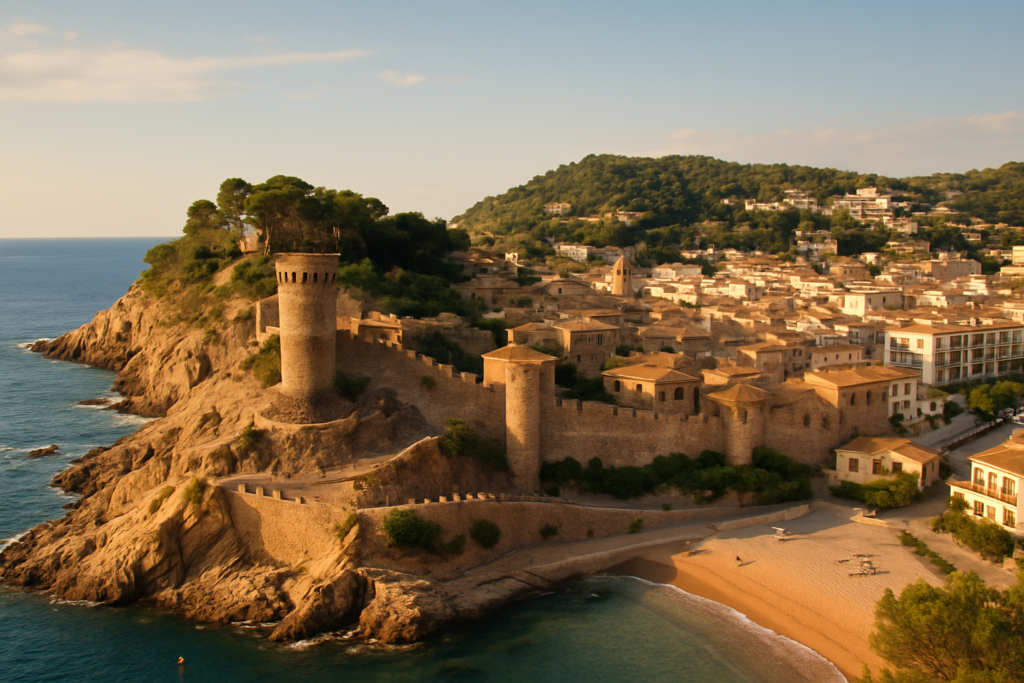
Tossa de Mar at a glance
- Located on the Costa Brava in Catalonia, Spain.
- Roughly 100 kilometres north of Barcelona and 100 kilometres south of the French border.
- The historic core includes the 12th‑century walled medieval town known as the Vila Vella enceinte.
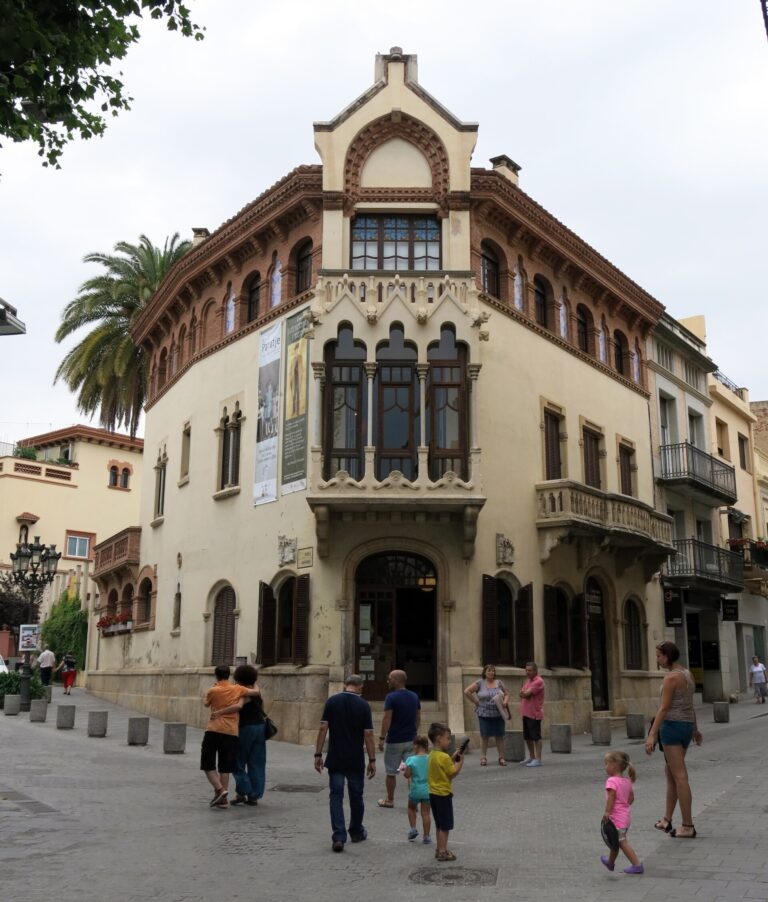
- The Municipal Museum displays works by artists who frequented Tossa in the 1930s.
- Three main beaches: Tossa Beach, La Mar Menuda, and El Codolar.
- There is a staging point of the GR 92 long‑distance footpath at Tossa de Mar.
- The Ancient Hospital of Sant Miquel, founded in 1773, was created for the poor.
Tossa de Mar
Before you plan
Nothing in our sources indicates closures of core historical sites; the medieval Vila Vella enceinte, the Municipal Museum and the principal beaches are active parts of the town. The Ancient Hospital of Sant Miquel is a historical foundation from 1773 and should be treated as a heritage site rather than a modern medical facility.
Things to do in Tossa de Mar
Activities in Tossa are concentrated around history, short coastal walks and time on the sand. The town is compact; most noteworthy experiences sit within or adjacent to the fortified Vila Vella enceinte and the narrow stretch of coastline immediately outside it. If you plan visits, expect short walks between attractions rather than itinerant sightseeing across a wide area.
| Attraction | What it is | Price/entry | Best for |
|---|---|---|---|
| Vila Vella enceinte | Fortified medieval town with castle and walls built in the 12th century | – | History and photogenic viewpoints |
| Municipal Museum | Museum housing works by artists who frequented Tossa de Mar in the 1930s | – | Art lovers and cultural context |
| Ancient Hospital of Sant Miquel | 18th‑century hospital founded in 1773 for the poor | – | Architectural and social‑history interest |
| GR 92 staging point | Section of the long‑distance footpath that stops at Tossa | – | Hikers and coastal walkers |
| Beaches: Tossa Beach, La Mar Menuda, El Codolar | Three principal beaches serving the town | – | Beachgoers and families |
Vila Vella enceinte and the castle
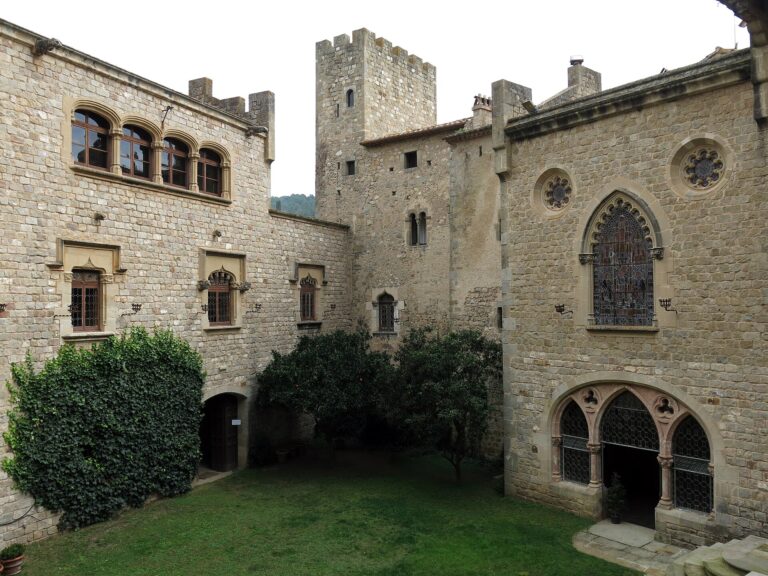
The core sight is the fortified medieval enclosure—the Vila Vella enceinte—which dates to the 12th century when the medieval town was walled off and a castle was built. The enceinte forms a compact, walkable historic district where the ramparts meet the sea and where the layout of narrow streets and defensive structures still defines movement and views. Houses began to spread beyond the walls by around 1500, so the transition from the medieval nucleus to newer quarters is visible as you walk outward.
Municipal Museum and the 1930s artists
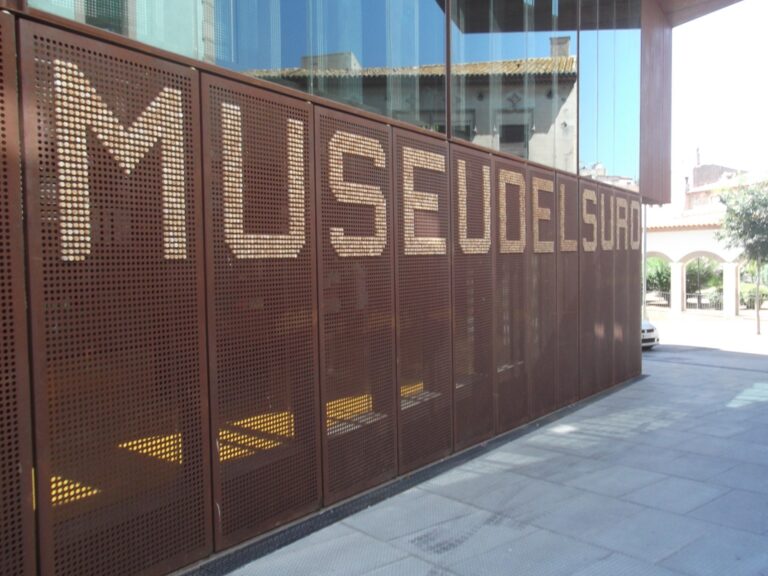
Tossa’s Municipal Museum preserves and displays works by the artists who were drawn to the town in the 1930s. That cultural moment is part of what made Tossa notable beyond its immediate fishing and agricultural economy; the museum contextualises the town’s appeal to artists and how that influenced local life in the early 20th century.
Walks and the GR 92 connection
Long‑distance walkers will notice that Tossa is a staging point on the GR 92 footpath, meaning the town functions as a convenient stop for established coastal trails. Whether you’re undertaking a longer hike or just want a day‑walk along the rugged Costa Brava shoreline, the GR 92 brings a hiking dimension to Tossa that complements the town’s historical attractions.
Best beaches in Tossa de Mar
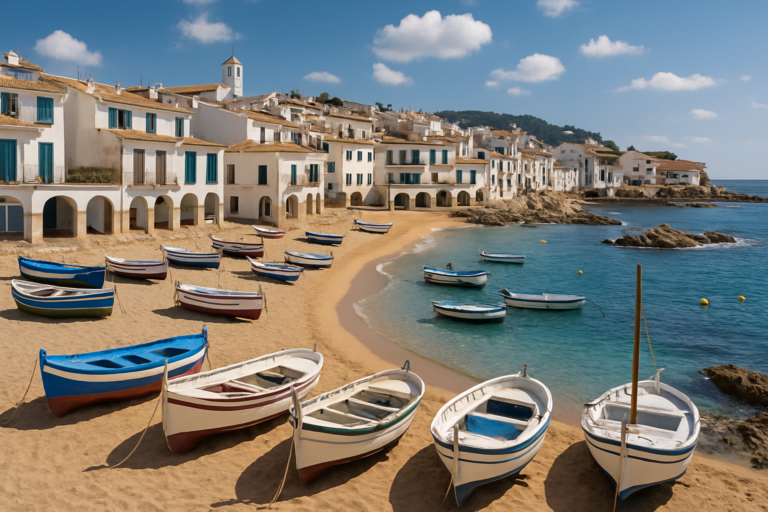
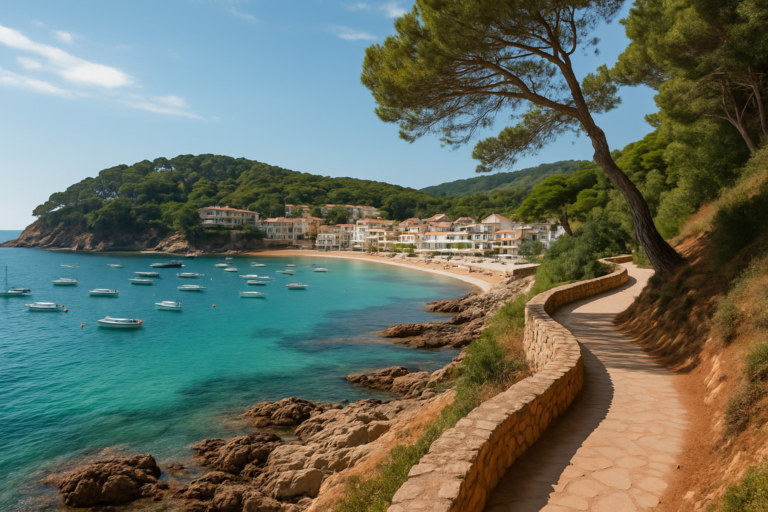
The town’s seaside offer is compact: three principal beaches form the public shoreline, each with a clearly defined character. They are easy to reach from the Vila Vella enceinte and give a mix of classic sand, smaller coves, and close coastal scenery rather than long, wide resort beaches.
| Beach | Character | Facilities / Notes |
|---|---|---|
| Tossa Beach | Main beach serving the town; central and directly accessible from the old town | – |
| La Mar Menuda | Smaller, sheltered beach close to the Vila Vella enceinte | – |
| El Codolar | Cove‑like beach at the edge of the fortified area | – |
Tossa de Mar with kids
Families will find straightforward beach time and short, contained historical explorations suitable for children who tolerate moderate walks. The compact nature of the town makes supervision simpler than in a sprawling destination, and the proximity of beaches to the historic centre cuts required travel between activities.
How to get to Tossa de Mar and get around
Tossa de Mar is accessible from regional transport hubs along the northeastern Catalan coast. The town’s compact footprint makes walking the default mode of getting around the historic core and beaches; expect to move on foot between most points of interest.
| From | By | Approx time |
|---|---|---|
| Girona Airport | Road transfer / regional bus | – |
| Barcelona (city) | Road transfer / regional transport | – |
Best time to visit Tossa de Mar
Tossa’s character is driven by its coastal and historical attributes rather than a calendar of major events. The town functions as a seaside and heritage destination: beach conditions and walking comfort will shape the feel of a visit more than a festival programme. Because key attractions are outdoor (walls, beaches, coastal trails), weather and daylight will influence how much you get out of those experiences.
History of Tossa de Mar
Tossa’s settlement history stretches back far beyond the medieval walls you see today. There is evidence of Neolithic settlements and first Iberian habitation between the 4th and 1st centuries BC. The medieval narrative begins to take form in the early Middle Ages: in 966 the locale was ceded by Count Miró to the Abbey of Ripoll, and later it was granted a charter in 1187 by the Abbot of Ripoll. By the 12th century the town was walled off and a castle was built; the defensive enceinte established then remains the most visible historical inheritance. Houses started to spill beyond the walls by 1500. In the centuries that followed, local life was shaped largely by agricultural production, with grapes and cork especially important, and social welfare institutions such as the Ancient Hospital of Sant Miquel—founded in 1773 for the poor—reflect the town’s civic responses to changing needs. In the 20th century, an influx of artists in the 1930s added a cultural layer that the Municipal Museum preserves and interprets. In more recent civic politics, Tossa declared itself an anti‑bullfighting city in 1989, a notable civic stance in Spain’s cultural landscape.
Practical info
- Access: The town is reachable via Girona Airport to the north; regional road connections to Barcelona and the rest of the Costa Brava serve visitors as well.
- Beaches: Tossa’s three main beaches are immediately adjacent to the town and accessible on foot from central points.
- Walking: The historic core and principal attractions are compact and best explored on foot; the GR 92 adds a hiking option for those arriving on foot or with backpacks.
- Culture: The Municipal Museum contains works connected to the 1930s artist community that frequented Tossa, making it the primary cultural stop beyond the historic walls.
Worth it for: Travellers who want a compact combination of medieval architecture and accessible beaches on the Costa Brava, hikers using the GR 92, and visitors interested in the town’s 1930s artistic legacy. Less so if: You expect a large resort with an endless list of commercial attractions or broad urban infrastructure—Tossa’s appeal is concentrated and intimate rather than sprawling.
How we assess this guide
This guide compiles and cross‑checks historical, cultural and geographic facts about Tossa de Mar from verified sources. We flag foundations and dates (for example, the Ancient Hospital of Sant Miquel’s 1773 founding) and civic decisions (such as the 1989 anti‑bullfighting declaration) and avoid presenting sites as open or operating beyond what is supported by the record. This is a synthesis of documentary sources rather than original field reporting.
Nearby on the Costa Brava
Towns near Tossa de Mar
- Lloret de Mar — 8 km west, Lloret de Mar is the Costa Brava's biggest, busiest resort
- Sant Feliu de Guíxols — 11 km north-east
- Blanes — 13 km south-west
- Caldes de Malavella — 17 km north-west
- Tordera — 18 km west, an inland town on the Costa Brava's southern edge
- Malgrat de Mar — 18 km south-west, history, the Cathedral of the Coast and how to visit
Places to visit within reach
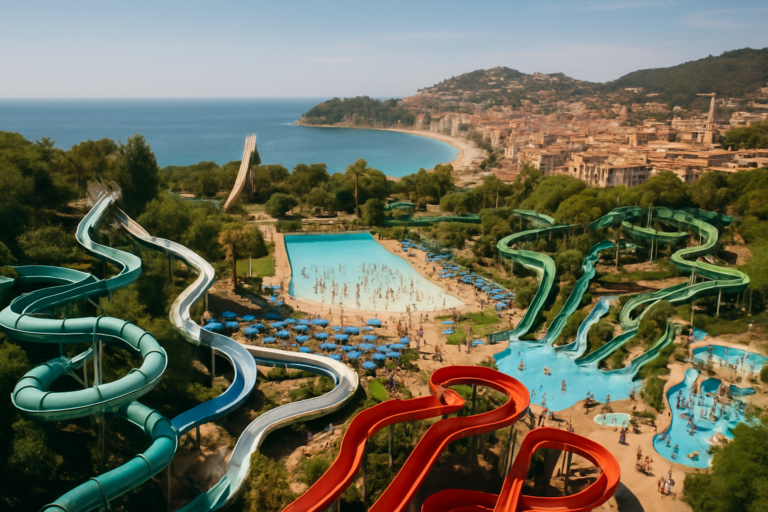
- Water World Lloret — 9 km, Water World opened in 1985 as one of Spain’s first water
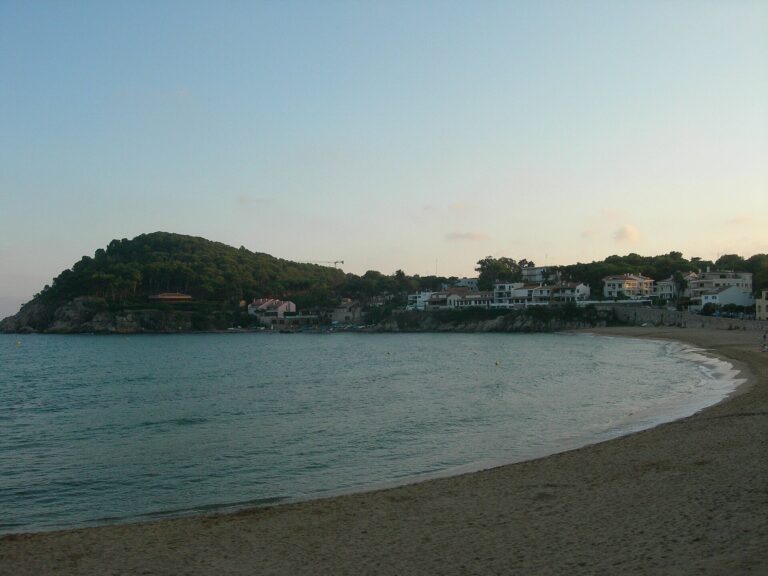
- La Fosca — 23 km, A 1272 deed recorded the right to tax fish landed
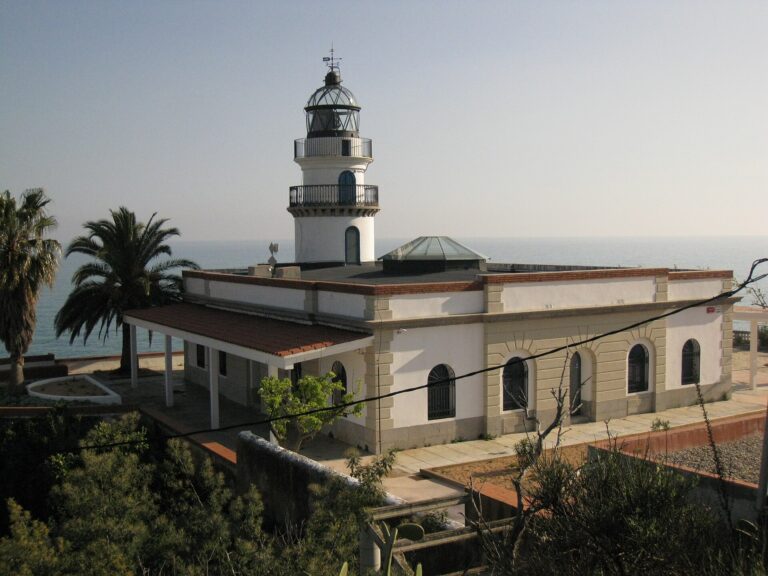
- Calella Lighthouse — 27 km, Calella’s lighthouse replaced a corsair watchtower in 1859 and still turns
- Calella de Palafrugell — 28 km, Calella de Palafrugell is a whitewashed former fishing village turned low-key
For the wider picture, see the Costa Brava guide, which lists every town on this coast.
Frequently asked questions
How do I get from the nearest airport to Tossa de Mar?
Tossa de Mar is accessible through Girona Airport, which lies to the north of the town. From there you will need a road transfer or regional bus service to reach Tossa.
Is Tossa de Mar on the Costa Brava?
Yes. Tossa de Mar is located on the Costa Brava in Catalonia, Spain.
What are the main beaches in Tossa de Mar?
The three principal beaches are Tossa Beach, La Mar Menuda and El Codolar. They form the town’s primary seaside offer and are close to the historic centre.
Can I visit medieval walls in Tossa de Mar?
Yes. The Vila Vella enceinte is a fortified medieval town dating to the 12th century; it includes a castle and defensive walls that are the town’s principal historic landmark.
Does Tossa de Mar have a museum worth visiting?
Yes. The Municipal Museum houses works by artists who frequented Tossa de Mar in the 1930s and provides cultural context for that artistic episode in the town’s life.
Was Tossa de Mar important in medieval times?
It has deep medieval roots: the town was ceded in 966 by Count Miró to the Abbey of Ripoll, and it received a charter in 1187 from the Abbot of Ripoll. The medieval town was walled off in the 12th century and a castle was built.
Are there prehistoric remains in Tossa de Mar?
Yes. Evidence exists of Neolithic settlements as well as first Iberian settlements between the 4th and 1st centuries BC.
Does Tossa de Mar have long-distance walking routes?
Yes. The GR 92 long‑distance footpath has a staging point at Tossa de Mar, making the town a recognised stop for coastal hikers.
What was the traditional economy of Tossa de Mar?
The local economy was historically based on agricultural production, with grapes and cork among the notable products.
Is Tossa de Mar close to Barcelona?
It is about 100 kilometres north of Barcelona.
Is Tossa de Mar near the French border?
Yes. It lies roughly 100 kilometres south of the French border.
What is the Ancient Hospital of Sant Miquel?
The Ancient Hospital of Sant Miquel was founded in 1773 as an institution for the poor and remains part of the town’s historical fabric.
Did Tossa de Mar take a public stance on bullfighting?
Yes. In 1989, Tossa de Mar declared itself an anti‑bullfighting city—the first place in the world to make such a declaration.
Are the beaches in Tossa de Mar easy to reach on foot?
Yes. The three main beaches are immediately adjacent to the town’s historic core and are accessible on foot from central points.
Can I visit art related to the 1930s artist community?
Yes. The Municipal Museum contains works by the artists who frequented Tossa de Mar in the 1930s and is the primary place to explore that period’s cultural legacy.
Plan the wider trip
Tossa De Mar on the map
Places worth knowing near Tossa De Mar
How this page is maintained. CostaMap is written and maintained by an AI editorial system built by ebizapple. Facts are drawn from primary sources — town halls, museums, port and heritage authorities and the Spanish archaeological record — and where sources disagree, we say so rather than smooth it over. Photographs marked as ours are taken on location. This page was last reviewed on 11 August 2026. Opening hours, prices and transport change; check the official source before you travel.