
Expect a working port with honest pleasures rather than glossy resort polish: seafood markets, fishing boats, a long seafront promenade and a scattering of attractive coves. This guide sets realistic expectations so you won’t be disappointed—there are few pretensions here, but plenty of authentic Mediterranean character if you like small-town harbours, coastal walking and excellent prawns.
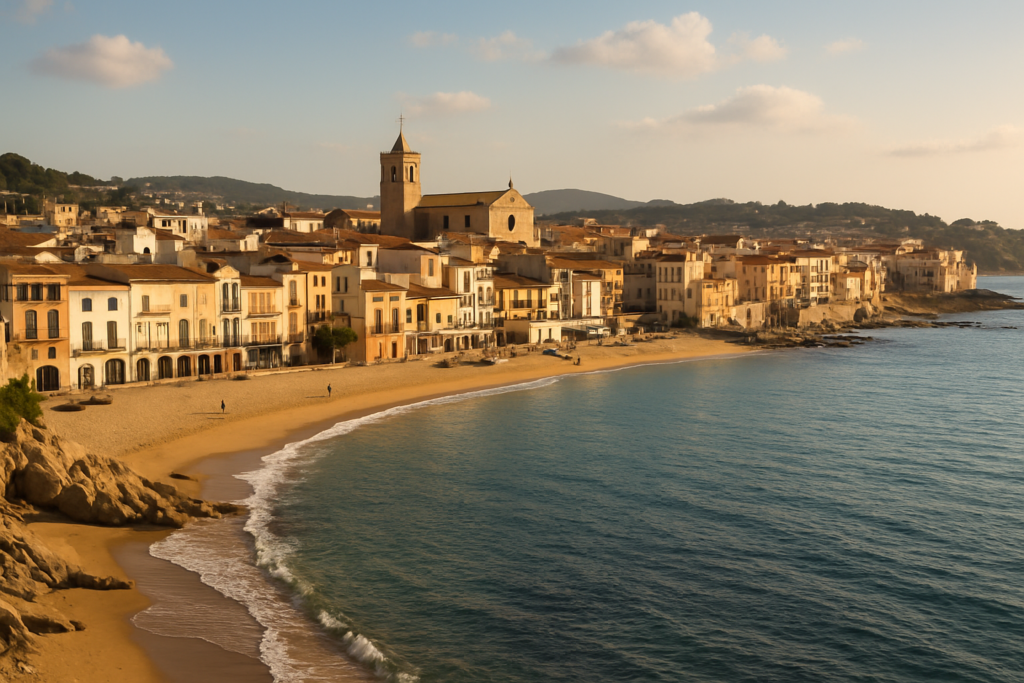
Palamós at a glance
- Working fishing port on the central Costa Brava in Girona province.
- Daily late‑afternoon fish auction where the catch, including famous local prawns, is sold.
- Main seafront beach (Platja Gran) runs along a promenade; quieter coves lie north and south.
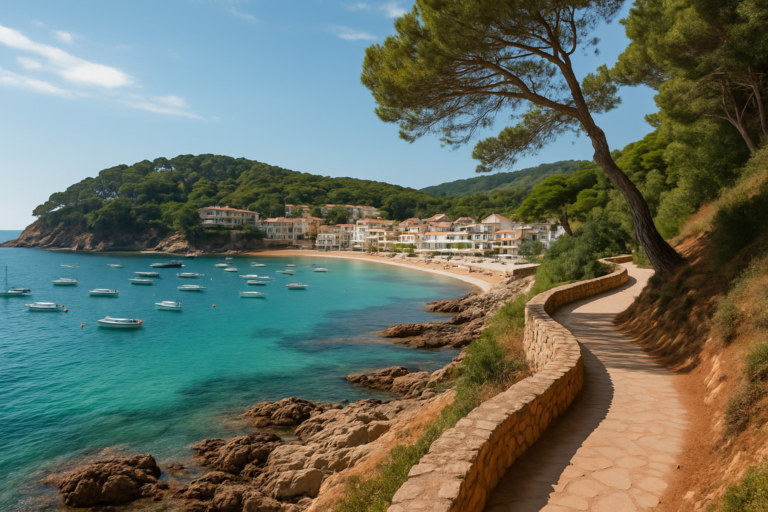
- Camí de Ronda coastal footpath links beaches, cliffs and coves through the area.
- Museum of local fishing culture is set on the harbour (Museu de la Pesca).
- Near medieval Baix Empordà villages such as Pals and Peratallada and the beaches of Calella de Palafrugell.
- About 45 km from the city of Girona.
Things to do in Palamós
The town’s main attractions are maritime: the harbour, the fish market, seaside walks and small museums. Most visits centre on the seafront and the short coastal trails that connect beaches and rocky coves; allow time for a late‑afternoon visit to the auction if seafood matters to you.
| Attraction | What it is | Price/entry | Best for |
|---|---|---|---|
| Daily fish auction (llotja) | Working auction where the catch, including prized prawns, is sold | — | Food lovers, market-watchers |
| Museu de la Pesca | Harbour museum explaining Mediterranean fishing culture | — | Families, culture seekers |
| Platja Gran and seafront promenade | Main town beach and long promenade | — | Strollers, sunbathers |
| Camí de Ronda (coastal footpath) | Coastal walking route linking beaches and coves | — | Hikers, photographers |
| Cala S’Alguer | Picturesque cove with historic fishermen’s huts | — | Photography, quiet swimming |
| La Fosca and Sant Esteve de Mar ruins | Calm shallow cove with nearby medieval ruins | — | Families, swimmers |
The harbour, fish auction and Museu de la Pesca
The harbour area is the social and economic heart. The late‑afternoon fish auction (llotja) is a live, working event where local boats sell their catch, including the town’s celebrated prawns. Nearby the Museu de la Pesca tells the story of local Mediterranean fishing culture from a harbourfront setting; both the museum and the auction give a direct sense of the town’s maritime identity rather than a sanitized tourist version.
Walk the Camí de Ronda
The coastal footpath threads between beaches, cliffs and small coves. Sections near the centre are short and accessible, linking the main seafront to quieter spots north and south; the path is the most reliable way to discover the hidden coves and the fishermen’s hamlet at Cala S’Alguer without relying on roads.
Cala S’Alguer and La Fosca
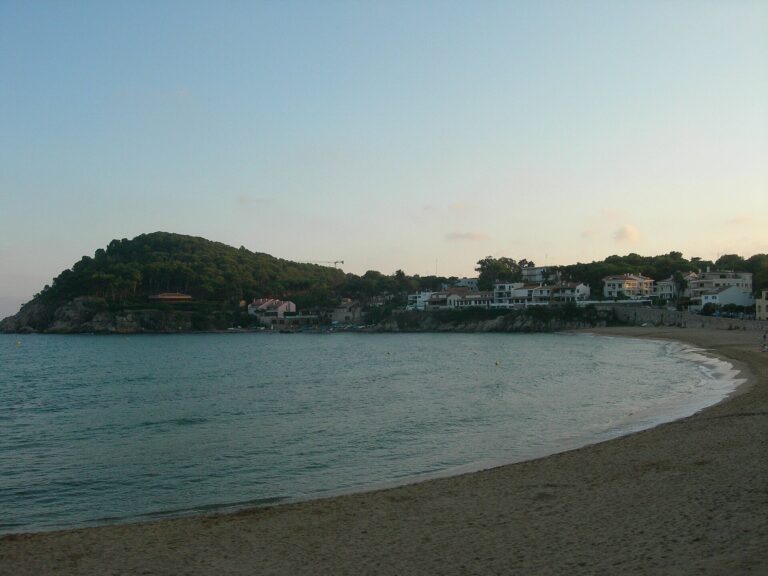
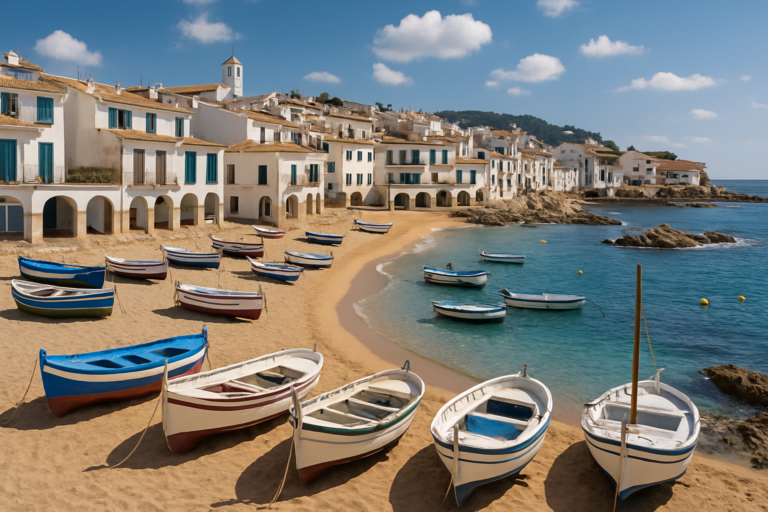
Cala S’Alguer is a compact, photogenic inlet lined with traditional fishermen’s huts — a fine spot for a quiet swim or photography. La Fosca, slightly north of the harbour, is notable for calm, shallow waters and the nearby ruins of Sant Esteve de Mar; it’s a stretch that appeals to families and anyone who prefers less exposed beaches than the main seafront.
Best beaches in Palamós
Beaches here vary from the long, busier town sand of Platja Gran to protected coves. If you want a lively promenade and easy access to cafés, choose the main beach; if you prefer rockier scenery and solitude, head to the small coves connected by the Camí de Ronda.
| Beach | Character | Facilities / Blue Flag |
|---|---|---|
| Platja Gran | Long sandy seafront, backed by a promenade | Promenade facilities and beach services (local services vary) |
| La Fosca | Calm, shallow water with nearby medieval ruins | Good for families; basic local amenities |
| Cala S’Alguer | Small, picturesque cove with fishermen’s huts | Minimal facilities; mainly scenic and historic |
Palamós with kids
The area suits families who like easy beaches and short walks rather than theme-park style attractions. La Fosca’s shallow water is child-friendly, and the Museu de la Pesca offers museum displays that explain fishing life in an accessible way. Short coastal walks on the Camí de Ronda near the town are manageable with older children; the small coves provide safe, supervised swimming where waves are limited.
How to get to Palamós and get around
The town sits on the central Costa Brava and is a coastal stop for some cruise ships, which tender passengers ashore close to the old town. Road access is the usual way to reach the area for most visitors; the nearest major city cited in local references is Girona, about 45 km away. Once here, the harbour, seafront and many beaches are walkable; small local roads link the more remote coves, and the Camí de Ronda provides a car-free way to move between beaches.
Where to stay in Palamós
- Seafront and promenade (Platja Gran): best if you want immediate access to cafés, the beach and evening strolls.
- Old harbour/old town: suits visitors who prefer being close to the port, the Museu de la Pesca and a compact historic centre.
- La Fosca area: quieter, family‑friendly beaches and easy access to coastal walking.
- South and north coves: choose these for a quieter, more secluded stay; expect smaller, local accommodation rather than large resorts.
Best time to visit Palamós
There are no season-specific events in the verified claims here, but the town’s maritime and beach attractions are inherently seasonal. For walking the coast and beach time, the warmer months are when the seafront and boat activity are most lively; outside high season you’ll find quieter paths and a more local pace. Cruise calls make some days busier in peak season.
History of Palamós
The settlement developed as a coastal port and was important enough by the medieval period to be granted town status in the 13th century by King Peter the Great (Peter III) of Aragon. That maritime legacy endures: the port remained central to local life and the economy through centuries, shaping the fishing culture that the Museu de la Pesca now interprets and the contemporary fish auction continues to reflect.
Practical info
- Harbour character: the town is an active working fishing port; expect harbour infrastructure, boats and a market atmosphere rather than a purely tourist waterfront.
- Cruise visitors: the town is served by tenders on cruise days, with transfers bringing passengers close to the old town.
- Walking: many main attractions—beaches, museum and the harbour—are within easy walking distance of each other in the town centre.
- Nearby attractions: medieval villages such as Pals and Peratallada and the beaches of Calella de Palafrugell are within short drives, making the town a practical base for exploring Baix Empordà.
Worth it for: visitors who want an authentic Costa Brava harbour experience, seafood enthusiasts, coastal walkers and families who prefer quieter beaches.
Less so if: you want resort gloss, large-scale nightlife or manicured tourist attractions—look elsewhere on the coast for those.
How we assess this guide
This guide is compiled from multiple verified sources and focuses on firm facts: harbour activity, the fish auction, main beaches, local museum, the Camí de Ronda and nearby medieval villages. We flag working venues and do not present closed places as open. This is a synthesis of authoritative references rather than fresh field reporting.
Nearby on the Costa Brava
Towns near Palamós
- Sant Antoni de Calonge — 5 km north-west, a long Costa Brava beach, quiet coves
- Palafrugell — 9 km north
- Sant Feliu de Guíxols — 11 km south-west
- Begur — 14 km north-east
- Tossa de Mar — 21 km south-west, Tossa de Mar on the Costa Brava has a walled
- Torroella de Montgrí — 22 km north
Places to visit within reach
- La Fosca — 2 km, A 1272 deed recorded the right to tax fish landed
- Calella de Palafrugell — 6 km, Calella de Palafrugell is a whitewashed former fishing village turned low-key
- Llafranc — 8 km, Llafranc is a small
- Cork Museum of Palafrugell — 9 km, Palafrugell’s Cork Museum occupies Spain’s largest former cork factory
For the wider picture, see the Costa Brava guide, which lists every town on this coast.
Frequently asked questions
How do I get from Girona to Palamós?
The nearest referenced city is Girona, about 45 km away. Road access is the common way to travel between them; public transport or exact journey times are not detailed in the available sources.
Is Palamós expensive?
There are no specific cost figures in the verified claims. Expect pricing typical of a working Costa Brava coastal town: seafood and local specialities are highlights, but precise price levels are not specified here.
Which beach is best for families?
La Fosca is noted for calm, shallow water and is suitable for families; the main town beach (Platja Gran) also offers easy access to services and a promenade.
How many days should I spend here?
One to three days work well to experience the harbour, visit the Museu de la Pesca, walk parts of the Camí de Ronda, relax on a beach and make a short trip to a nearby medieval village.
Is Palamós good for children?
Yes—families benefit from the calm waters of La Fosca, the accessible town beach and the Museu de la Pesca, which provides an introduction to local maritime life suitable for younger visitors.
Can I get around without a car?
Many central sights—the seafront, harbour and Museu de la Pesca—are walkable. The Camí de Ronda connects beaches on foot. For reaching farther medieval villages or more remote coves, a car or organised transfer is the usual option.
Is there parking in the town?
Parking details are not specified in the available references. As a working port and seaside town, expect public and private parking areas typical of coastal towns, especially around the seafront and town centre.
What can I do on a rainy day?
The Museu de la Pesca offers an indoor cultural option focused on local fishing heritage. Harbour cafés and restaurants provide shelter and a chance to sample the local seafood scene when the weather is poor.
When is the fish auction held and can visitors watch?
The daily late‑afternoon fish auction (llotja) is a working event and can be visited; it’s where the catch, including the famous local prawns, is brought for sale. Exact times are not provided in the verified claims, so check locally for the day’s schedule.
Which beach has the promenade?
Platja Gran stretches along the seafront promenade and is the town’s main beach, offering the easiest promenade access.
Are there historic attractions nearby?
Yes: the area includes medieval villages of the Baix Empordà such as Pals and Peratallada, and the ruins of Sant Esteve de Mar near La Fosca provide a medieval coastal note close to the water.
Do cruise ships call here?
Yes—the town is used as a cruise stop on the Costa Brava, with tenders bringing passengers ashore near the old town on cruise days.
What is special about local seafood?
The town is famous for its gambes de Palamós (Palamós prawns), a local speciality landed and sold through the harbour auction and highly prized in Catalan cuisine.
Can I walk from the town to Cala S’Alguer?
Yes—the Camí de Ronda coastal footpath links beaches and coves and provides access to scenic spots such as Cala S’Alguer, which is lined with historic fishermen’s huts.
Are there opportunities for coastal walking?
Definitely—the Camí de Ronda runs through the area, connecting beaches and coves along the cliffs and offering short to moderate walking options directly from the town.
Plan the wider trip
- Costa Brava travel guide
- Breda: Pottery and Monastery Village
- Cassà de la Selva: cork-country town near Girona
- El Masnou: Maresme Marina Town Guide
- Sant Feliu de Guíxols guide
- Palafrugell guide
Palamos on the map
Places worth knowing near Palamos
How this page is maintained. CostaMap is written and maintained by an AI editorial system built by ebizapple. Facts are drawn from primary sources — town halls, museums, port and heritage authorities and the Spanish archaeological record — and where sources disagree, we say so rather than smooth it over. Photographs marked as ours are taken on location. This page was last reviewed on 15 August 2026. Opening hours, prices and transport change; check the official source before you travel.