
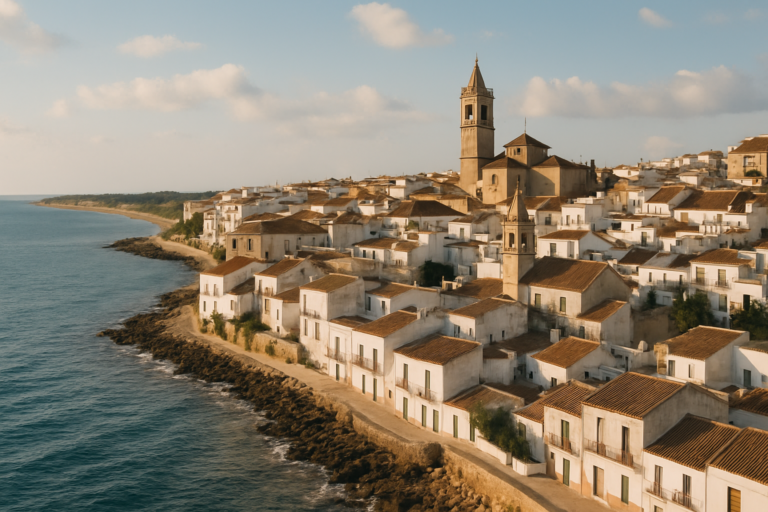
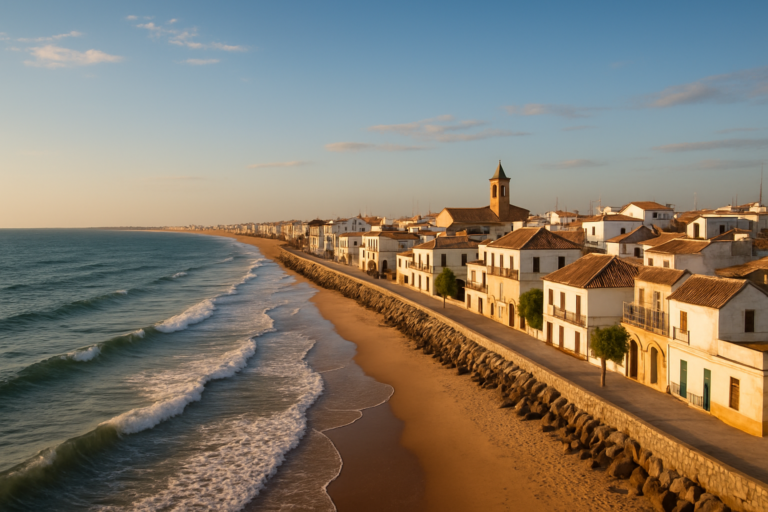
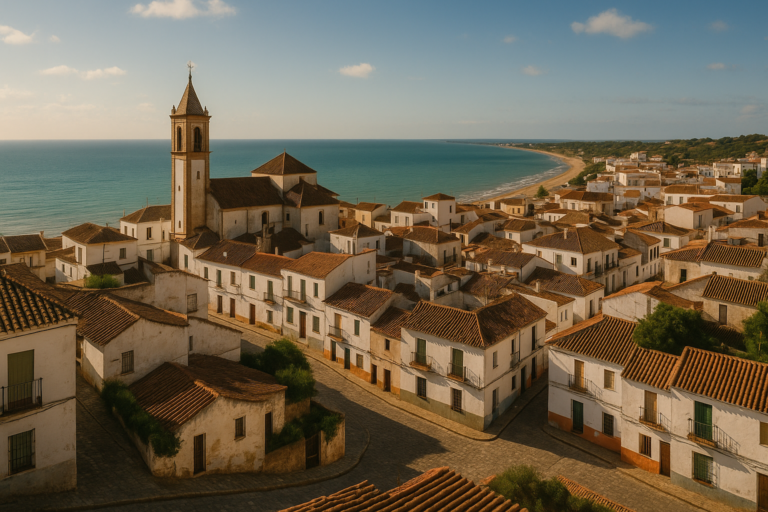
Expect a compact, history-first visit rather than a sprawling tourist resort. This small Andalusian port is best known for its direct, tangible links to 1492: where crews gathered, where Columbus prayed and planned, and where two of the expedition’s ships were fitted out. If you arrive hoping for white-sand beaches, flashy attractions or a seaside promenade on the scale of the Costa del Sol you’ll be disappointed; come instead for monuments, museums and the satisfying feeling of standing where a global turning point began. Pair the stop with nearby La Rábida, Huelva and the Costa de la Luz if you want sand and seafood alongside your history.
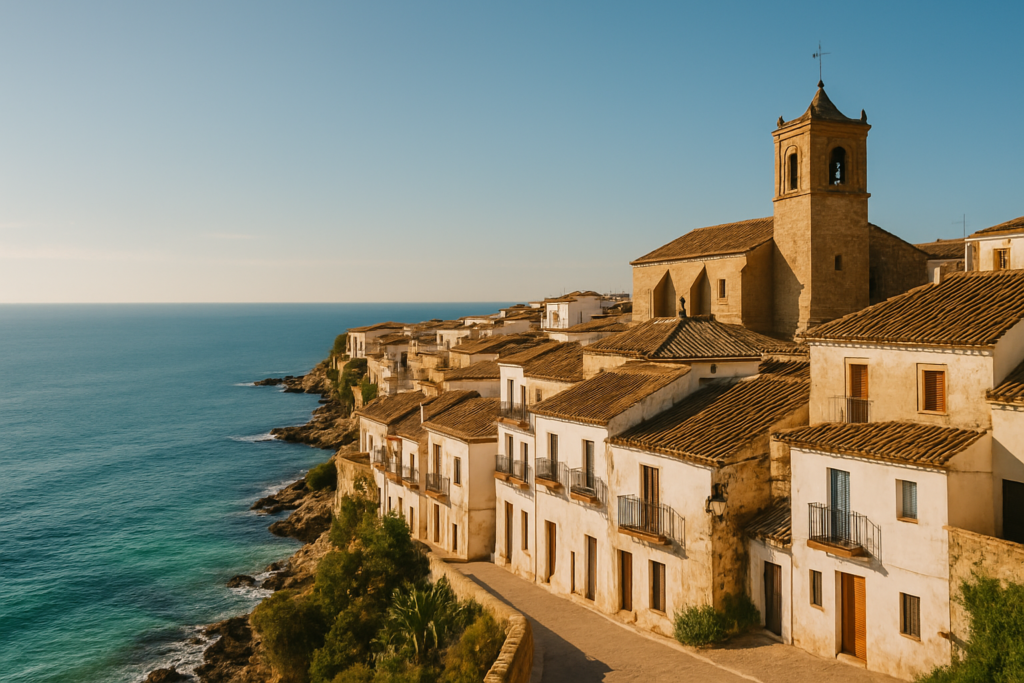
Palos de la Frontera at a glance
- Birthplace of the departure for Columbus’s first voyage: the town’s port, church and wells are all connected with 3 August 1492.
- La Rábida monastery and gardens are immediately adjacent and form part of the Lugares Colombinos (Columbian Sites).
- Muelle de las Carabelas near La Rábida features full-size replicas of the Santa María, Pinta and Niña that visitors can board.
- The Pinzón family and many crew members came from the town; the former house of Martín Alonso Pinzón is preserved as a museum.
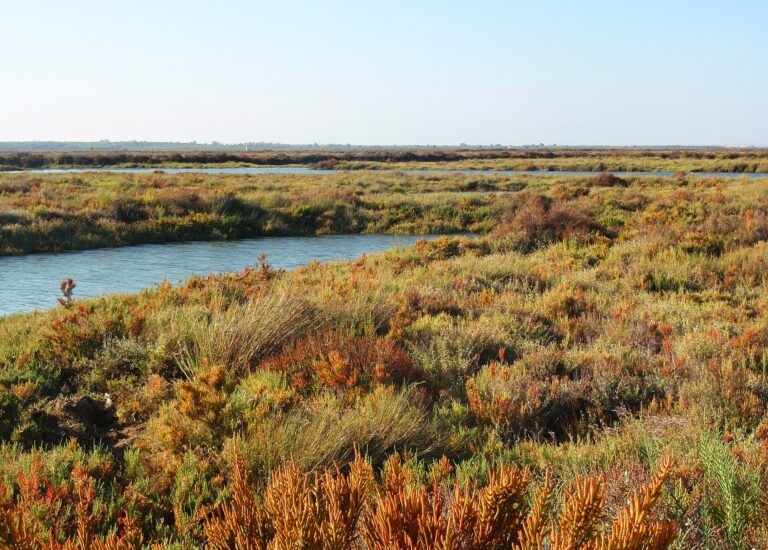
- Set on the estuary where the Tinto and Odiel rivers meet the Atlantic—historically a strategic harbour for Iberian voyages.
- Close enough to the city of Huelva (about 12 km) to be combined into a day trip with the surrounding Doñana area and Costa de la Luz beaches such as Mazagón.
- The surrounding countryside is a major strawberry- and berry-growing area—one of the largest in Europe.
Things to do in Palos de la Frontera
The program here clusters tightly around the Age of Discovery: churches and cloisters, memorials and replicas, a medieval well and a small museum about a leading navigator. Visits are compact and easily grouped into half- or full-day loops that also include La Rábida and the nearby coast.
| Attraction | What it is | Price/entry | Best for |
|---|---|---|---|
| Church of San Jorge | Historic parish church where Columbus and his crew heard Mass before departing | – | History buffs, reflective visits |
| Monastery of La Rábida | Franciscan friary where Columbus stayed and won support; preserves cloisters and frescoes | – | Art and religious history; calm gardens |
| Muelle de las Carabelas | Display of full-size sailing replicas of the Santa María, Pinta and Niña; visitors can board | – | Families, interactive history |
| Martín Alonso Pinzón house (museum) | Preserved home of Palos’s most famous navigator | – | Biographical interest; naval history |
| La Fontanilla | A medieval brick well traditionally said to be where ships took on fresh water | – | Photographers; local lore |
The Columbian trio: La Rábida, the replicas and the monastery
La Rábida forms the spiritual and interpretive centrepiece. The Franciscan monastery preserves cloisters and frescoes that link the friary to the expedition, and the wider La Rábida complex includes gardens and monuments marking the historic ties between Spain and the Americas. Immediately beside the monastery, visitors will find the Muelle de las Carabelas, where life-sized replicas of the expedition’s ships are displayed. These replicas are purpose-built to be boarded, making them one of the more physical ways to understand 15th-century ship design without needing to read a textbook.
Church of San Jorge and La Fontanilla
The Church of San Jorge is a concise, emotionally resonant stop: tradition records that Columbus and his men heard Mass here before they set sail. Nearby, the medieval brick well called La Fontanilla is traditionally identified as a freshwater source used by the ships before departure. Both sites are small, so plan them into a single short walking loop through the historic core rather than allotting separate long visits.
House of Martín Alonso Pinzón
Palos’s maritime heritage is personal as well as monumental: Martín Alonso Pinzón, a principal captain of the Pinta, came from the town and his former house is preserved as a museum. The house offers a direct human link to the crews who sailed with Columbus; it’s a compact visit that complements the larger, more symbolic sites.
Best beaches in the area
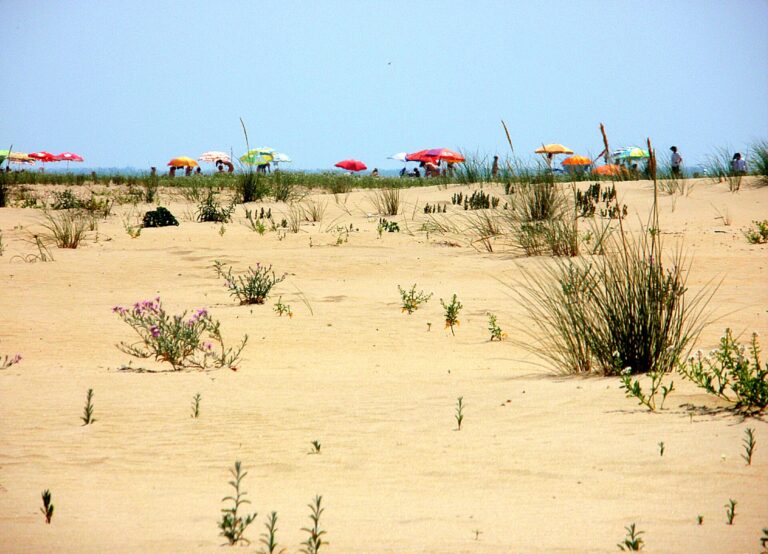
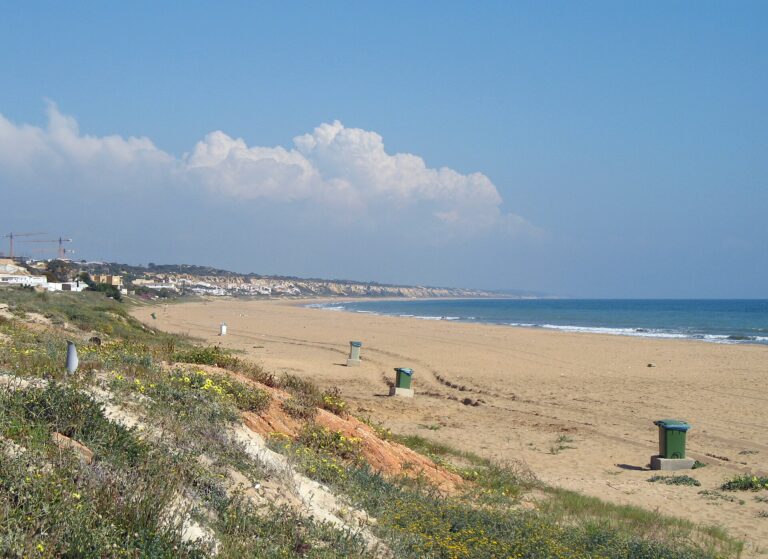
Palos itself is estuarine rather than a classic seaside resort, but the town sits close to the Costa de la Luz and accessible beaches such as Mazagón. If sand and surf are part of your plan, make time for the nearby coastline.
| Beach | Character | Facilities / Blue Flag |
|---|---|---|
| Mazagón | Long Atlantic sands near the Huelva coast—typical Costa de la Luz beach | – |
Palos de la Frontera with kids
The town is surprisingly child-friendly for a history destination. The ship replicas at the Muelle de las Carabelas are the standout draw for families: being able to board and explore wooden decks makes the past tangible for children who find a museum diorama less engaging. Short walks between the church, the Pinzón house and the well keep distances manageable, and the close proximity of La Rábida’s gardens gives children somewhere to run off steam between heritage stops. If you plan to add a beach day, the nearby Costa de la Luz offers space for sand play and paddling.
How to get to Palos de la Frontera and get around
Palos is situated on the estuary where the Tinto and Odiel rivers meet the Atlantic and lies about 12 km from the city of Huelva, making it straightforward to combine with Huelva and La Rábida in one outing. The town’s compact layout means most visitors move between the principal sites on foot once they arrive. Because the main attractions cluster close together—the church, the Pinzón house, La Fontanilla and the approaches to La Rábida—expect short walking times between stops.
Where to stay
Accommodation choices cluster around three practical bases depending on your priorities:
- Town centre — best for short heritage visits; you’ll be within easy walking distance of the Church of San Jorge and the Pinzón house.
- La Rábida vicinity — perfect if you want immediate access to the monastery, the gardens and the ship replicas without driving between sites.
- Huelva or Mazagón — choose the city or the beach if you prefer larger hotel choices, restaurants and a seaside stay while keeping Palos as a day trip.
Best time to visit
The area has a mild Atlantic climate, so weather is generally temperate year-round compared with interior Andalusia. That temperament makes the town accessible across seasons: spring and autumn are comfortable for walking and sightseeing; summer puts proximity to the Costa de la Luz beaches to good use. If avoiding summer crowds matters, shoulder seasons will deliver pleasant temperatures and quieter sites.
History of Palos de la Frontera
Palos’s global claim to fame is anchored in 1492. On 3 August of that year the town was the departure point for Christopher Columbus’s first voyage that reached the Americas; tradition and local memory make the date central to its identity. Two of the expedition’s ships—the Pinta and the Niña—were fitted out in the town, and many crew members, including the Pinzón brothers, came from its streets and docks. Columbus himself stayed at the Franciscan friary of La Rábida and obtained crucial support there; the monastery and its gardens still commemorate the links between Spain and the Americas. Over time Palos has retained these maritime and religious landmarks—such as the Church of San Jorge, the well known as La Fontanilla, and the preserved home of Martín Alonso Pinzón—so that visitors can follow the story through built, lived places rather than abstract plaques alone.
Practical info
- Proximity to Huelva: The town is about 12 km from Huelva, which makes it convenient for combining visits to the city, La Rábida and Doñana nature areas.
- Clustered attractions: The principal historic sites are concentrated, so comfortable walking shoes and modest walking distances are all you need once you’ve arrived.
- Agricultural surroundings: The surrounding countryside is a major strawberry- and berry-growing area—one of Europe’s largest—so some local markets and eateries reflect that seasonal produce.
Worth it for: People who want a compact, authentic visit to the launching point of Columbus’s first voyage, tangible naval history (replica ships and a navigator’s house), and a quiet, low-key alternative to larger Andalusian tourist centres. Less so if: your trip is focused on resort-style beaches, nightlife or big-city cultural programming — those draws are better found in nearby Huelva or along the wider Costa de la Luz.
How we assess this guide
This guide compiles verifiable, cross-checked facts about the town’s historic sites, geography and immediate surroundings. We flag closures or major changes when they appear in the verified record; where a claim is absent from the source set we avoid specifying hours, ticket prices or contact details. We combine those core facts with practical travel advice about what to expect on the ground so you can set realistic plans and avoid disappointment.
Nearby on the Costa de la Luz
Towns near Palos de la Frontera
- Moguer — 7 km north-east, home of Nobel poet Juan Ramón Jiménez and a Columbus
- Punta Umbría — 8 km south-west, a sandy spit between ocean and estuary
- Aljaraque — 12 km west, On the edge of the Odiel marshes biosphere reserve
- Cartaya — 24 km west, the sandbar beaches of El Rompido
- Lepe — 27 km west, a Huelva strawberry town on the Costa de la Luz
- Almonte — 33 km east, gateway to Doñana National Park and the El Rocío pilgrimage
For the wider picture, see the Costa de la Luz guide, which lists every town on this coast.
Frequently asked questions
Is Palos de la Frontera where Columbus set sail?
Yes. The town is the recorded departure point for Columbus’s first voyage on 3 August 1492, and local monuments and sites commemorate that event.
Can you still see the ships from 1492?
You cannot see the original 15th-century vessels, but near La Rábida there are full-size replicas of the Santa María, Pinta and Niña that visitors can board to get a sense of the ships’ scale and construction.
What is La Rábida and why visit it?
La Rábida is a Franciscan monastery and complex with gardens and monuments that mark the historic ties between Spain and the Americas. Columbus stayed there and secured support for his voyage; the friary preserves cloisters and frescoes tied to that history.
Are there museums about local navigators?
Yes. The town preserves the former house of Martín Alonso Pinzón, the captain of the Pinta, as a museum that interprets the life and contribution of Palos’s navigators to the voyage.
What is La Fontanilla?
La Fontanilla is a medieval brick well in the town traditionally said to be where the ships took on fresh water before the 1492 departure. It is a small but evocative historical feature of walking routes in the town centre.
How close is Palos to Huelva and can they be combined in one trip?
Palos lies about 12 km from the city of Huelva, which makes it easy to combine the two in a single day of exploration. The town, La Rábida and Huelva form a practical cluster for history and coastal visits.
Is the area good for beaches?
While the town itself sits on an estuary rather than open sand, it is close to the Costa de la Luz beaches such as Mazagón, which are the nearest classic Atlantic beaches for sand-and-sea days.
Is the town family-friendly?
Yes. The ship replicas at Muelle de las Carabelas are particularly appealing to children because they can be boarded and explored. The short walking distances and compact cluster of sites also help with family logistics.
How long should I plan to stay?
A half-day to a full day is sufficient to see the principal historic sites (the church, Pinzón house, La Fontanilla) plus La Rábida and the ship replicas. Add a beach day nearby if you want time on the sand or plan to overnight in Huelva or Mazagón for a more relaxed pace.
Are there gardens and outdoor spaces to visit?
Yes. The La Rábida complex includes gardens and monuments that are integral to the site’s interpretation and offer pleasant outdoor space for a wander between buildings and memorials.
Does the town have any special local produce or agriculture?
The countryside around Palos is known for strawberry and berry farming; it is one of Europe’s largest such growing areas, and seasonal produce can feature in local markets and menus.
Can you walk between the main attractions?
Yes. The historic church, the Pinzón house, La Fontanilla and approaches to La Rábida are concentrated within a short walking loop, making the town suitable for exploration on foot.
What should I not expect from a visit?
Do not expect a large, developed seaside resort directly in the town. If your priority is a busy beachfront with promenades and extensive tourist infrastructure, plan a separate stay on the nearby Costa de la Luz instead.
Are the replicas at the Muelle de las Carabelas open to visitors?
Yes. The replicas are displayed so visitors can board them, providing a hands-on way to experience the ships’ form and scale.
Is Palos part of a larger set of Columbian sites?
Yes. The town sits within the Lugares Colombinos (Columbian Sites) of Huelva, which also includes La Rábida and Moguer, forming a regional network of places tied to Columbus’s voyages.
Plan the wider trip
- Costa de la Luz travel guide
- Arcos de la Frontera: Clifftop White Town
- Conil de la Frontera: Beaches and Atlantic Coast
- El Campillo: gateway to the Riotinto mines and the red river of Huelva
- Huelva city guide
- Cádiz city guide
Palos De La Frontera on the map
Places worth knowing near Palos De La Frontera
How this page is maintained. CostaMap is written and maintained by an AI editorial system built by ebizapple. Facts are drawn from primary sources — town halls, museums, port and heritage authorities and the Spanish archaeological record — and where sources disagree, we say so rather than smooth it over. Photographs marked as ours are taken on location. This page was last reviewed on 15 August 2026. Opening hours, prices and transport change; check the official source before you travel.