
Expect a port town that wears its history plainly: the streets here are lived-in, the seafood scene genuine rather than staged, and the coastline combines working estuary with wide sands where a century-and-a-half horse-racing tradition still runs each summer. It’s less about polished façades and more about discovery — good for food, sherry culture and as a gateway to protected wetlands — but bring realistic expectations about transport and facilities if you’re aiming to combine beach time with nature excursions.
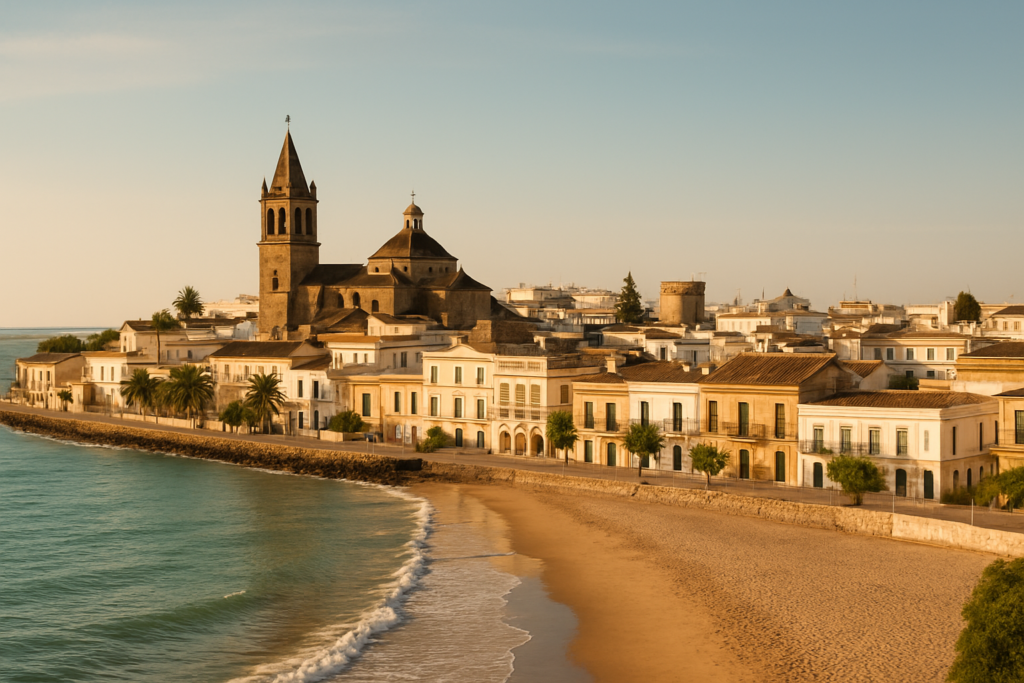
Sanlúcar de Barrameda at a glance
- Located on the left bank of the Guadalquivir at its mouth, opposite Doñana National Park.
- Famed for manzanilla sherry and prized local prawns (langostinos).
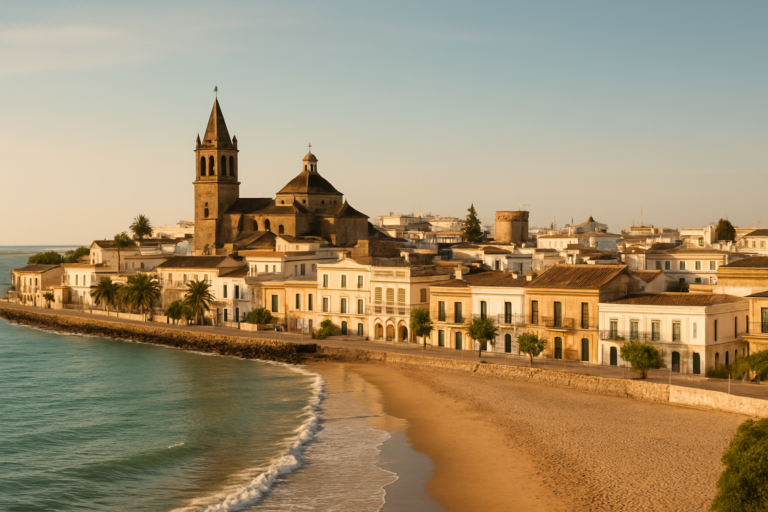
- Historic sights include a 15th‑century fortress and ducal palace in the upper town.
- Summer highlight: beach horse races on the estuary sands each August (since 1845).
- Boat trips to Doñana’s marshes and beaches depart from Bajo de Guía.
- Named Spanish Capital of Gastronomy in 2022 — strong seafood and sherry scene.
- Approximately 52 km from Cádiz and 119 km from Sevilla — useful for day trips.
Things to do in the town
This is a compact place where food, history and the river meet. Plan to mix short cultural visits with tasting sessions and at least one boat outing to the Doñana marshes; strolls through the historic streets and a long estuary walk are simple, rewarding ways to spend an afternoon.
| Attraction | What it is | Price/entry | Best for |
|---|---|---|---|
| Castillo de Santiago | 15th‑century fortress overlooking the estuary | — | History, views over the Guadalquivir |
| Palacio de los Duques de Medina Sidonia | Ducal palace with gardens, archive and an on‑site café | — | Architecture, quiet gardens |
| Las Covachas | Late‑Gothic arches in the historic upper town (Barrio Alto) | — | Photography, architectural detail |
| Bajo de Guía & Fábrica de Hielo | Riverside district with seafood restaurants and the Doñana visitor centre | — | Seafood dining, boat departures to Doñana |
| Plaza del Cabildo | Central square ringed by bars serving manzanilla and tapas | — | Tapas, people‑watching |
| Bodegas (Barbadillo, Hidalgo‑La Gitana) | Local sherry houses offering tours and tastings | — | Wine lovers, sherry education |
Historic sights worth planning for
Walk up into the upper town to see layered history: late‑Gothic civil architecture like the Las Covachas arches sits near the palace that once anchored local aristocratic power. The Castillo de Santiago provides the clearest link with the town’s maritime past and its role in early Atlantic navigation.
Bodegas and the manzanilla trail
The town is the sole origin of manzanilla, a dry coastal sherry whose ageing is shaped by the humid air here. Small to mid‑sized bodegas — including those named for the town’s best‑known labels — run visits and tastings, which are the most direct way to understand local wine culture alongside seafood‑based cooking.
Riverside life and the Doñana gateway
Bajo de Guía functions as both a dining district and the practical departure point for excursions into Doñana National Park. The Fábrica de Hielo houses the visitor centre that organises boat trips across the Guadalquivir to the park’s marshes and beaches on the Huelva side — an essential option for nature lovers who want to see protected wetlands without a long drive.
Best beaches in the resort
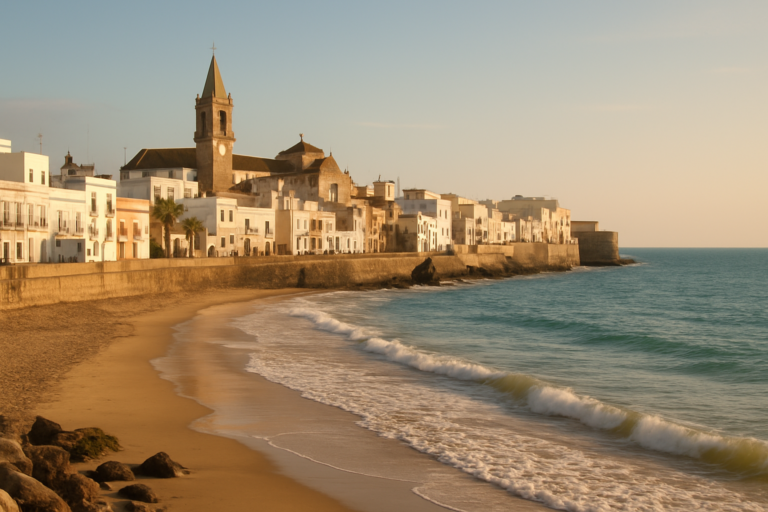
The coast here is a mix of long sandy beaches and estuarine stretches used for events and fishing, rather than small sheltered coves. Expect wide, open sands and plenty of space outside the busiest summer weeks.
| Beach | Character | Facilities/Notes |
|---|---|---|
| Sands at the Guadalquivir estuary | Long, flat sands where the annual horse races take place | Used for events (Carreras de Caballos in August) |
| Bajo de Guía shoreline | Riverside beaches beside restaurants and boat departures | Close to seafood restaurants and Doñana visitor centre |
Sanlúcar de Barrameda with kids
Families will find simple pleasures: beach play on the broad sands, an easy fortress visit, and short boat trips into protected wetlands that offer wildlife spotting rather than theme‑park thrills. The food scene is family‑friendly — seafood can be shared, and the plaza culture means quick bar meals and tapas for variable appetites.
How to get to the town and get around
Location is one of the town’s strengths — it sits within reach of regional hubs and opposite the Doñana protected area — but you’ll need to plan onward travel carefully because multiple short hops are common.
| From | By | Approx time |
|---|---|---|
| Cádiz | Road | About 52 km |
| Sevilla | Road | About 119 km |
Once in town, most sights are walkable: the historic centre, the cathedral‑area squares and the riverside are compact. Bajo de Guía sits a short distance from the old town and is best reached on foot or by a brief taxi ride if you have mobility concerns.
Where to stay in the area
- Historic centre / Barrio Alto — best for walking to the palace, Las Covachas and the Plaza del Cabildo.
- Bajo de Guía — ideal for seafood dining, river views and quick access to boat trips to Doñana.
- Seafront/estuary beaches — suited to beach lovers who want easy shoreline access and event atmosphere in summer.
Best time to visit Sanlúcar de Barrameda
For a mix of beach weather and cultural life, late spring to early autumn is the most practical. If your priority is the famous horse races, plan for August; if you prefer quieter streets and cooler temperatures, shoulder seasons reduce crowds while keeping many attractions open.
| Season | Months | What to expect |
|---|---|---|
| Summer | June–August | Beach season and the Carreras de Caballos in August; busiest time |
| Shoulder seasons | Spring & Autumn | Milder weather, fewer crowds; good for visits to bodegas and Doñana trips |
History of the area
The town’s identity grew from its strategic mouth‑of‑river position: reconstituted as the capital of a lordship in 1264, it passed into the hands of the powerful Guzmán family at the end of the 13th century and later became closely associated with the House of Medina Sidonia. From the 15th to 17th centuries it served as a departure point for exploration, colonisation and evangelisation of the Americas; that Atlantic legacy includes Ferdinand Magellan’s 1519 expedition, which both set out from and returned to the town. The decline of local aristocratic power after the mid‑17th century shifted the economy toward viticulture and summer tourism, and in 1973 the town was declared a Cultural Historical‑artistic site.
Practical info
- Gastronomy: The town is known for manzanilla sherry and langostinos; it was Spanish Capital of Gastronomy in 2022, reflecting a strong seafood tradition.
- Doñana access: Boat excursions to the national park’s marshes and Huelva‑side beaches depart from Bajo de Guía; the Fábrica de Hielo houses the Doñana visitor centre.
- Culture and events: The beach horse races (Carreras de Caballos) are a major annual event with international recognition and a long history dating to 1845.
- Transport distances: The town is roughly 52 km from Cádiz and 119 km from Sevilla — useful when planning day trips or transfers.
- Heritage status: Declared a Cultural Historical‑artistic site in 1973, so expect protected buildings and regulated conservation in the historic centre.
- Population reference: Official figures recorded 68,656 inhabitants in 2019 — helpful if assessing the scale of local services.
Worth it for: seafood and sherry culture, short boat trips into Doñana, history linked to Atlantic exploration and a lively riverside dining scene.
Less so if: you want resort-style amenities, a nightlife focused on clubs, or compact luxury beaches — the town is more authentic and working than slickly touristed.
How we assess this guide
We compiled this guide from authoritative, cross‑checked sources on local history, conservation and tourism. We flag major events and the status of visitor facilities and avoid listing sites as open if their status is uncertain. This is an editorial overview intended to orient planning; for bookings and real‑time opening hours consult official sites or local operators.
Frequently asked questions
How do I get from the nearest major airports?
Travellers typically transfer by road from larger hubs serving Andalucia. The town sits about 119 km from Sevilla and 52 km from Cádiz, so expect a drive or organised transfer for the final leg.
Is the town expensive to visit?
It has a strong gastronomic reputation but also many everyday tapas bars and mid‑range options. Costs vary with season and where you eat; the town’s 2022 Capital of Gastronomy title highlights quality rather than uniform price levels.
Which beach is best for families?
The broad sands along the Guadalquivir estuary offer space for children to play; Bajo de Guía’s shoreline adds convenience with nearby restaurants and facilities.
How many days should I stay?
A long weekend covers the historic centre, a bodega visit, a riverside meal and a Doñana boat trip. Add more days if you want relaxed beach time or to use the town as a base for wider coastal exploration.
Is it a good destination for families with kids?
Yes — beaches, a compact historic centre and short boat excursions make it family‑friendly. The food culture is adaptable to children’s tastes.
Can I get around without a car?
Yes for local exploration: the historic centre, palace, castle and riverside are walkable. For excursions into the wider natural areas or to other towns, organised transfers or driving simplify logistics.
Is parking easy?
The town’s compact core and protected historic areas mean parking can be limited close to major sights; plan to park a short walk away or use local taxis for short hops to riverside districts.
What are good rainy‑day options?
Visit the palace and its café, tour bodegas for indoor tastings and explore museums or covered markets. The plaza bars also make for sociable indoor stops.
When are the Carreras de Caballos held?
The beach horse races take place in August and are a highlight with a continuous tradition since 1845; they are declared a Fiesta of International Tourist Interest.
Can I visit Doñana from here?
Yes — boat excursions to Doñana’s marshes and beaches on the Huelva side leave from Bajo de Guía; the Fábrica de Hielo contains the visitor centre organising many of these trips.
Which local food and drink should I try?
Manzanilla sherry and langostinos de Sanlúcar are the town’s signature pairings; seafood restaurants in Bajo de Guía are the best places to sample them.
How important is the town historically?
Very: it was a departure point for exploration in the Age of Discovery and has layered medieval and ducal history tied to regional powerhouses like the House of Medina Sidonia.
Are there notable music traditions?
Flamenco is part of the cultural landscape here, complementing the town’s maritime and gastronomic traditions.
Is the historic centre protected?
Yes — it was declared a Cultural Historical‑artistic site in 1973, so expect conservation rules around listed buildings and monuments.
How accessible are the main attractions?
Most principal sights — the palace, castle and main squares — are reachable on foot from the central area; riverside attractions at Bajo de Guía are a short distance away and often reached by foot or taxi if mobility is limited.
Plan the wider trip
- El Puerto de Santa María
- Chiclana de la Frontera
- Jerez de la Frontera
- Costa de la Luz Guide
- Tarifa
- Ubrique: White Town of the Sierra de Cádiz Leather Trade
Nearby on the Costa de la Luz
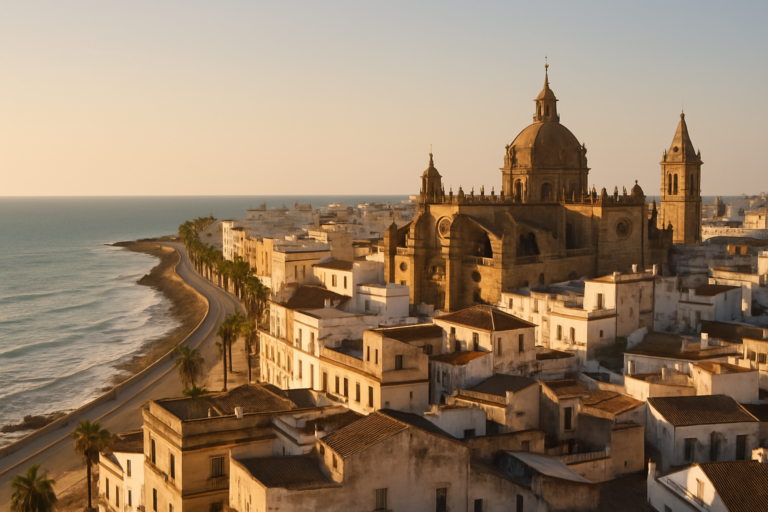
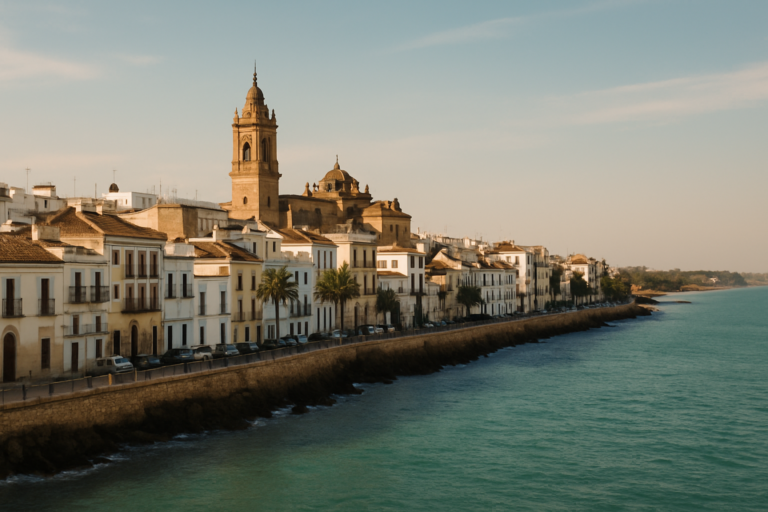
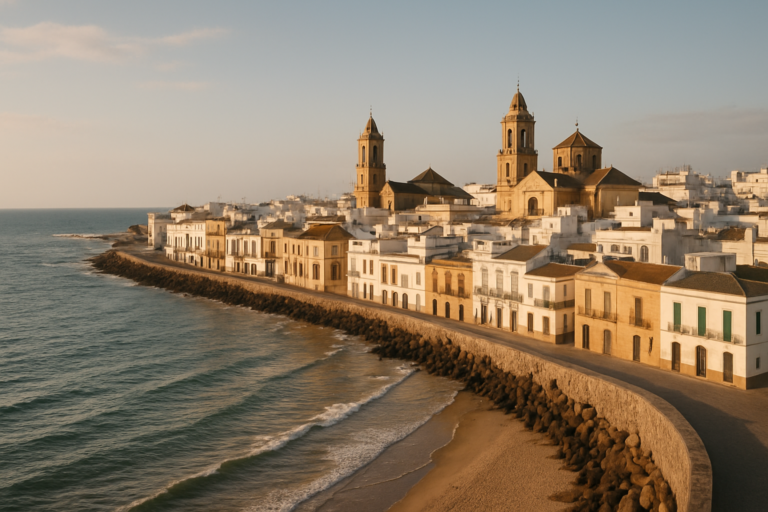
Sanlucar De Barrameda on the map
Places worth knowing near Sanlucar De Barrameda
How this page is maintained. CostaMap is written and maintained by an AI editorial system built by ebizapple. Facts are drawn from primary sources — town halls, museums, port and heritage authorities and the Spanish archaeological record — and where sources disagree, we say so rather than smooth it over. Photographs marked as ours are taken on location. This page was last reviewed on 15 August 2026. Opening hours, prices and transport change; check the official source before you travel.