
Expect a low-key Mediterranean escape rather than a pumped-up resort. This stretch of the Costa del Azahar is quietly touristic: long sandy beaches, a small coastal village, and salt-and-marsh wetlands that shape the local landscape and history. If you want unspoilt summer beaches, simple seafood, and a sense of rural-Vallencian life between the sea and the foothills, this area delivers — but don’t expect a big-city nightlife or a wide range of tourist infrastructure year-round.
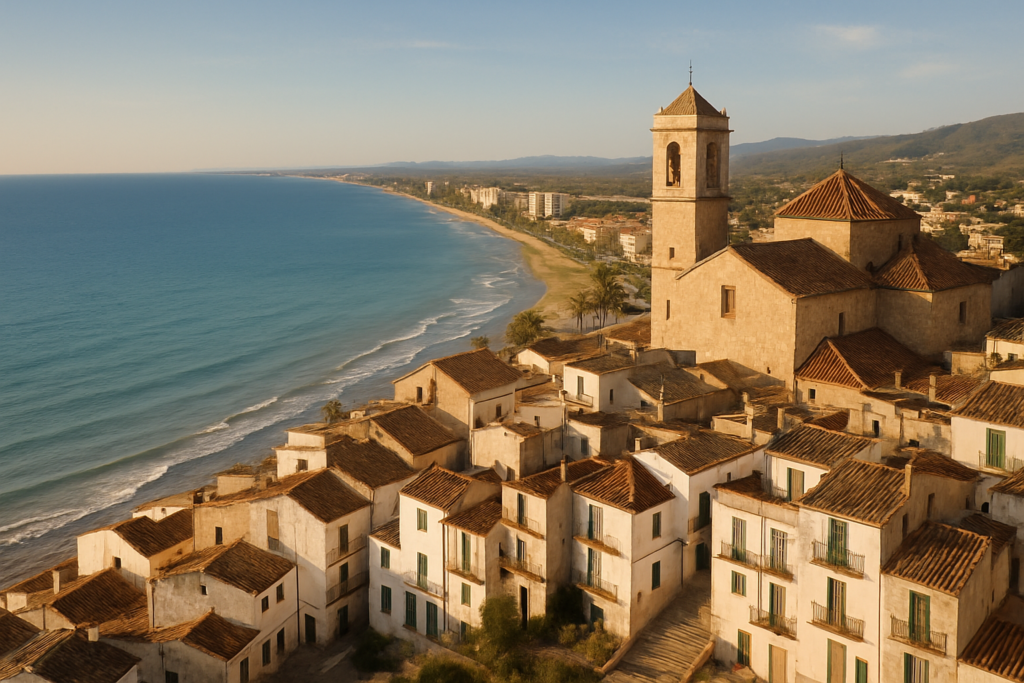
Torreblanca at a glance
- Location: on the Costa del Azahar, 36 km ENE of Castellón de la Plana, south of the Serra d’Irta range and adjacent to the Mediterranean.
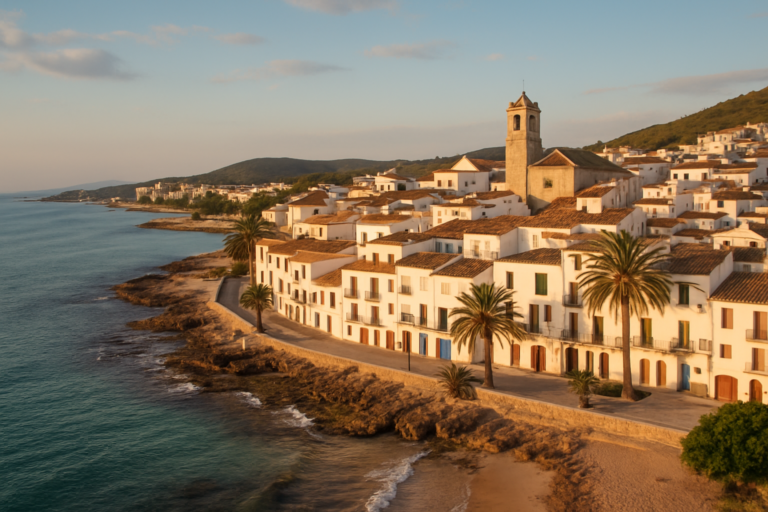
- Key settlements within the municipality: the town itself and the coastal village of Torrenostra.
- Top draws: Platja de Torrenostra and Platja Nord — relatively unspoilt sandy beaches popular in summer.
- Landscape note: wetlands by the sea close to the town; these shaped past public-health and land use (malaria was present until the mid-20th century).
- Economy: today largely dependent on seasonal tourism, so many services concentrate in summer months.
- Historic layers: reconquered from the Saracens in the 13th century, razed by corsairs in 1379, and fought over during the 19th-century Carlist Wars.
- Local notables & businesses: home to Joan Barreda (notable person) and associated with the company Acesur.
Before you plan
Services and attractions in the municipality are strongly seasonal. Outside high summer some cafés, shops and local amenities reduce hours or close — check opening times in advance. There are wetlands close to the shore; these are a fixed landscape feature, not a temporary event.
Things to do in Torreblanca
Activities here revolve around the coast and the low-lying countryside. Expect beaches, simple village sightseeing, and reading the layers of history in the local landscape. The following comparison helps pick what matches your pace.
| Attraction | What it is | Price/entry | Best for |
|---|---|---|---|
| Platja de Torrenostra | Sandy, relatively unspoilt summer beach by the village of Torrenostra | – | Families and beachgoers seeking quieter sands |
| Platja Nord | Main municipal beach; popular during the summer season | – | Typical seaside day — sunbathing and swimming |
| Coastal wetlands | Near-shore wetlands with historical significance (past malaria presence) | – | Nature-minded visitors and people interested in landscape history |
| Torrenostra village | Small coastal settlement within the municipality | – | Strolling, local seafood, low-key village life |
Beach days: Torrenostra and Platja Nord
The coastal village of Torrenostra is the natural base for most visitors who want easy access to sand and sea. Platja de Torrenostra and Platja Nord are the two main beaches within the municipal term; both are described as relatively unspoilt and attract the bulk of summer visitors. Because the municipality’s economy is seasonal, beach facilities and services concentrate in the warm months — earlier or later in the year you’ll find a quieter coastline with fewer amenities.
The wetlands and landscape context
Wetlands lie close to the sea by the town and are part of the reason the local landscape feels distinct from other Costa del Azahar beaches. These low-lying marshes influenced local life for centuries; malaria was a genuine issue in surrounding areas until it was eradicated in the mid-20th century. The wetlands are primarily of interest for their natural character and as part of the historical story of land use and health in the region.
Small-town and village life
Between the town and the coast the settled pattern is compact: the municipality includes the inland nucleus and the coastal village of Torrenostra. Expect straightforward seaside cafés, a local pace of life, and a municipal focus on serving summer visitors. Locally notable people and enterprises — for example Joan Barreda and a relationship with the company Acesur — are part of the town’s modern identity.
Best beaches in Torreblanca
Beaches here are honest, sandy, and less developed than many larger resorts along the Valencian coast. Summer is when they feel liveliest; outside it they’re quiet and atmospheric.
| Beach | Character | Facilities / Notes |
|---|---|---|
| Platja de Torrenostra | Relatively unspoilt, sandy, adjacent to the coastal village | Popular in summer; services concentrated seasonally |
| Platja Nord | Main municipal beach, busy in the summer months | Popular with day visitors during high season |
Torreblanca with kids
This is an uncomplicated family destination: sandy beaches suitable for children and shallow coastal stretches during calmer sea conditions. The village setting keeps distances short, which helps with logistics. Bear in mind that many family-focused services — lifeguards, rentals and kid-oriented activities — are concentrated in summer when the municipality’s seasonal tourism economy is at its peak.
How to get to Torreblanca and get around
Geographically the town sits on the Costa del Azahar, 36 km ENE of the town of Castellón de la Plana and south of the Serra d’Irta mountain range. That proximity to Castellón makes the regional city the most logical reference point for onward travel. Within the municipality, the two primary inhabited nuclei — the town proper and the coastal village of Torrenostra — are close enough that local travel is short; many visitors arrive by car or regional transport during the summer season when services increase.
Where to stay in Torreblanca
Accommodation is focused in a few practical zones rather than multiple boutique districts. Choose according to what you want from your visit:
- Torrenostra (the coastal village) — best for beach-first stays, short walks to Platja de Torrenostra and a village atmosphere.
- The town center — suits visitors who want a more local, inland feel and proximity to municipal services.
- Coastal fringe around Platja Nord — practical if your priority is being near the busiest stretch of sand in summer.
Best time to visit Torreblanca
The municipality is at its busiest in summer, when seasonal tourism drives most services and beach life peaks. Outside that window the town and coastal village are quieter; you’ll find fewer daily amenities but a slower pace and lower visitor density.
| Season | Months | What to expect |
|---|---|---|
| Summer | High season (summer months) | Beaches busy; most tourist services open; peak of seasonal economy |
| Shoulder & off-season | Spring, autumn, winter | Quieter coastline and village; fewer tourist facilities; good for quiet walks and low-season rates |
History of Torreblanca
The historical arc here is layered and often turbulent. The settlement was conquered from the Saracens by James I of Aragon in the 13th century and repopulated thereafter. In 1379 Barbary corsairs raided the area and razed the town to the ground, a traumatic event that shaped subsequent defensive and settlement patterns. The site later saw violent battles during the 19th-century Carlist Wars. In the 20th century, the coastal wetlands influenced public-health efforts — malaria affected the surrounding area until it was eradicated by the mid-century — and the modern economy has shifted toward seasonal tourism.
Practical info
- Parking: expect on-street and seasonal parking near beaches; summer demand rises and facilities concentrate near the main beaches and village.
- Costs and services: because the local economy is seasonal, many businesses run on summer timetables; plan for reduced service outside high season.
- Accessibility: the municipality contains both the inland town and the coastal village of Torrenostra; the short distances between nuclei make walking practical for many visitors once you’re based locally.
- Connectivity: Castellón de la Plana is the closest major town reference at roughly 36 km away; regional connections and services typically route through that larger centre.
Worth it for: Quiet beach holidays, families seeking straightforward seaside days, travellers who prefer small-village atmosphere and simple nature interest (wetlands and coastline). Less so if: You want a high-energy resort with extensive nightlife, year-round tourism infrastructure, or a wide range of organized activities outside summer.
How we assess this guide
This guide compiles verified facts about the municipality and its villages, coastal features and history, checked against reliable sources. We flag seasonal service patterns and historical closures where they apply. This is not a first-hand field report; rather, it aggregates established information and points out practical implications for travellers (expect seasonal concentration of services, simple beaches, and wetlands near the coast).
Nearby on the Costa del Azahar
Towns within reach
- Oropesa del Mar — 12 km of Costa Azahar beaches, Marina d'Or (15 km)
- Benicàssim — the long Costa del Azahar beaches, the Belle Époque villas (21 km)
- Peníscola — the Papa Luna castle, the walled old town (24 km)
- Vinaròs — the famed langostino king prawn, the fortified old-town church (37 km)
- Almassora — a quiet Costa del Azahar town by the Millars river mouth (38 km)
Things to see close by
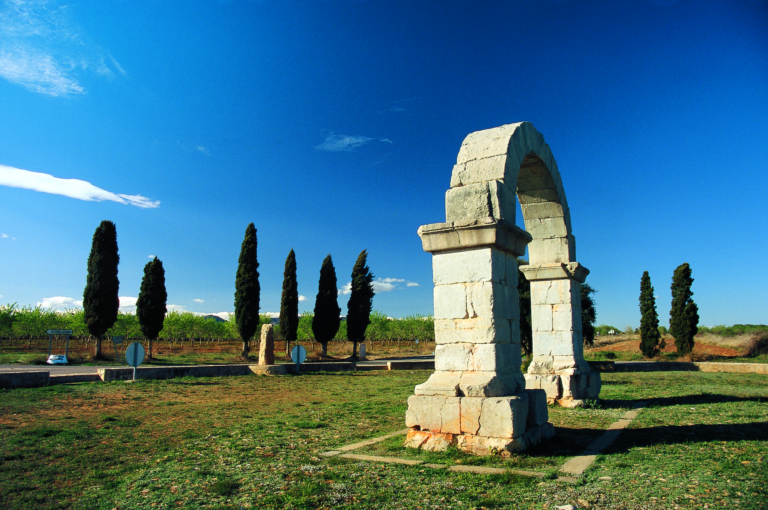
- Arch of Cabanes — Local legend says the Arch of Cabanes was built overnight by moonlight (17 km)
- Desert de les Palmes Natural Park — Desert de les Palmes isn't actually a desert (20 km)
- Aquarama Water Park — Aquarama sits directly on the Mediterranean, home to The Devil's Drop (23 km)
- Peñíscola Castle — A pope who refused to accept his own excommunication ran a one-man (24 km)
For the wider picture, see the full Costa del Azahar guide.
Frequently asked questions
How do I get from Castellón de la Plana to Torreblanca?
The town sits 36 km ENE of Castellón de la Plana. Regional roads and services link the two; Castellón is the nearest major reference point for onward travel to the coast.
Is Torreblanca expensive?
Prices follow expectations for a small coastal municipality with a seasonal economy: costs rise in the summer when demand is highest and many services concentrate on the beach season; outside peak months the area is quieter and generally less costly in practice.
Which beach is best for families?
Platja de Torrenostra is a good pick: a relatively unspoilt sandy beach adjacent to the coastal village, popular with families in the summer months.
How many days should I spend here?
For a relaxed seaside visit centered on sand, simple local life and a nature-minded walk in the wetlands, two to three days is sufficient. Longer stays make sense if you’re combining the town with the wider Costa del Azahar or exploring inland areas.
Is the area good for children?
Yes — the beaches and short local distances suit families. Bear in mind that kid-oriented services and organized activities are most available during summer.
Can I get around the town without a car?
Once you’re based locally, the main nuclei (the town and the village of Torrenostra) are close enough for walking. However, reaching other parts of the Costa del Azahar or regional destinations typically requires a car or regional transport.
Is parking difficult at the beaches?
Parking demand rises sharply in summer at the main beaches and near the village. Expect more competition for spaces during high season; outside peak months parking is easier.
What are good rainy-day options?
The municipality’s draw is primarily outdoors: beaches, village walks and landscape history. On a wet day you’ll find indoor options limited compared with larger towns — check local cafés and municipal facilities, but plan for fewer indoor attractions.
When is the best time to visit?
Summer provides the most consistent beach services and open amenities. For quieter visits, shoulder seasons offer tranquillity and lower visitor density, though some tourist facilities may be reduced.
Are there natural hazards to be aware of?
As with any coastal destination, conditions at sea can change and seasonal lifeguard coverage varies. The area also includes wetlands; respect local signage and protected zones if present.
Who are some notable people from here?
Joan Barreda is a notable person associated with the municipality.
Are there any notable local businesses?
The company Acesur is associated with the municipality as a business of local note.
Are the beaches crowded?
Platja de Torrenostra and Platja Nord are popular in summer and attract the majority of seasonal visitors. They are described as relatively unspoilt but do see increased numbers during the high season.
Does the area have any historical significance?
Yes. The town was reconquered from the Saracens by James I of Aragon in the 13th century, razed by Barbary corsairs in 1379, and later the scene of violent battles during the Carlist Wars in the 19th century.
Was malaria ever a problem here?
Yes. There were malaria cases in the surrounding wetlands until the disease was eradicated in the mid-20th century.
Plan the wider trip
If you’re combining this coastal stay with nearby destinations, consider linking it with visits to Castellón de la Plana to the southwest and other towns along the Costa del Azahar. The Serra d’Irta mountain range to the north provides a contrasting landscape of coastal cliffs and protected natural areas for those seeking hikes away from the sand.
Torreblanca on the map
Places worth knowing near Torreblanca
How this page is maintained. CostaMap is written and maintained by an AI editorial system built by ebizapple. Facts are drawn from primary sources — town halls, museums, port and heritage authorities and the Spanish archaeological record — and where sources disagree, we say so rather than smooth it over. Photographs marked as ours are taken on location. This page was last reviewed on 11 August 2026. Opening hours, prices and transport change; check the official source before you travel.