
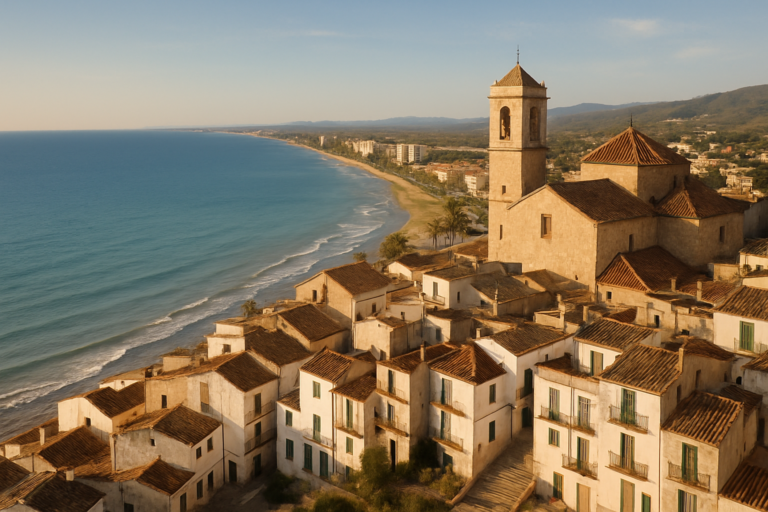
Expect a low-key Mediterranean town ringed by orange groves rather than a package-resort buzz. This is a place where narrow streets, a modest civic tower and a short stretch of sand sit beside a working coastal landscape — useful if you want quiet beaches, local food and a base from which to explore the Costa del Azahar without crowds. The scent of citrus and the trace evidence of historic irrigation are constant reminders that agriculture — not tourism — shaped the area.
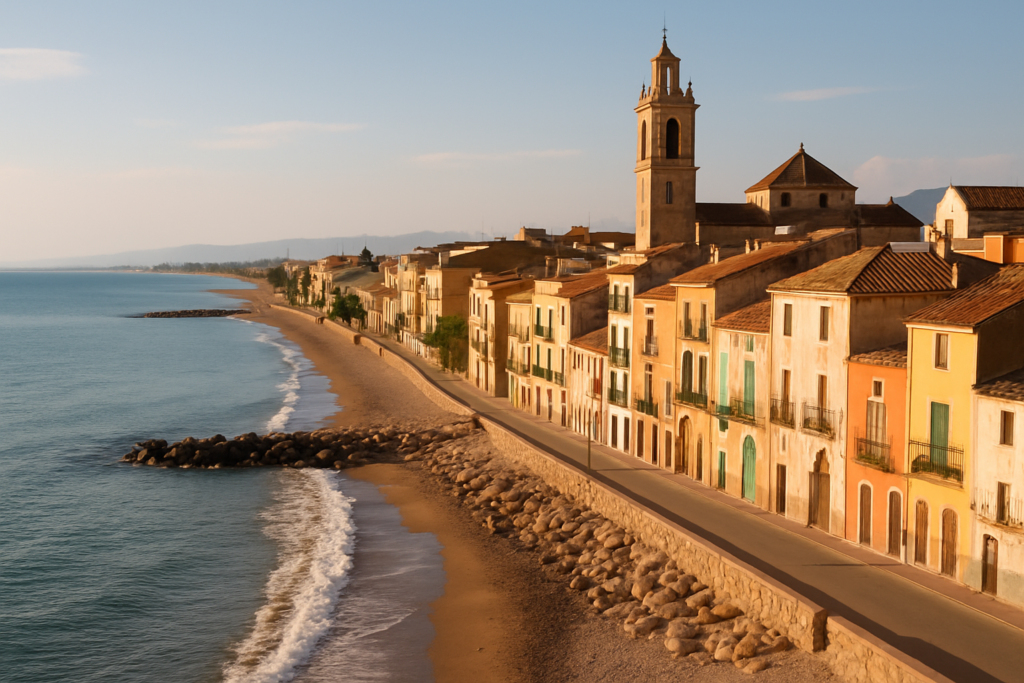
Almassora at a glance
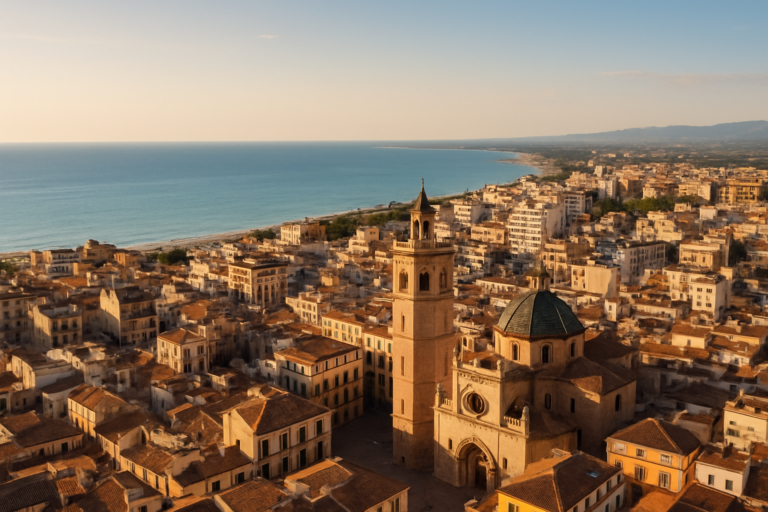
- Located at the mouth of the Millars river and about 5 km from Castellón city — the town has its own coastal fringe.
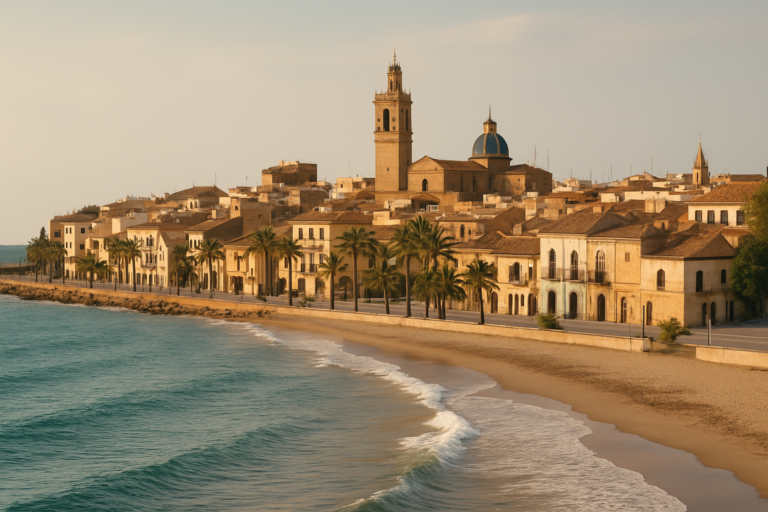
- Torre de la Vila (the old town tower) and the old core around Plaça Pere Cornell form the civic centre.
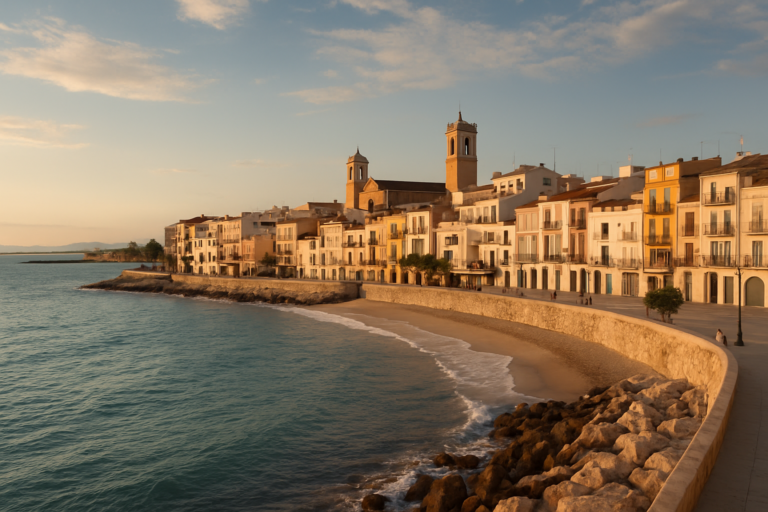
- Playa Ben Afeli and Playa de la Torre are the main local beaches — broad, relatively calm stretches compared with nearby resort strips.
- Desembocadura del Millars (the Millars river nature area) is a notable wetland and bird area shared with neighbouring towns.
- Best visiting windows: May–June and September for pleasant weather and fewer crowds.
Before you plan
There are no verified closures or major redevelopment items in our sources for the town’s primary sights. Local rhythm and agricultural activity can affect opening times for small neighbourhood shops and some restaurants, so check locally on the day you travel if you’re relying on a single venue. Festival dates such as Santa Quitèria in May are recurring local events but timings and formats can shift year to year.
Things to do in Almassora
Activities here fall into a few clear categories: slow-paced village strolling around the small historic core, low-key beach time, and bird- and nature-watching around the Millars river mouth. Food is an important part of the experience too — the town hangs between farmed citrus landscapes and coastal fishing, so the local menu is rooted in Valencian recipes and seafood. Below is a quick comparison of the main draws to help you plan.
| Attraction | What it is | Price/entry | Best for |
|---|---|---|---|
| Torre de la Vila & old core (Plaça Pere Cornell) | Historic town tower and adjacent civic square | – | Short walks, history-minded visitors |
| Séquia Major | Historic irrigation canal demonstrating Moorish waterworks for orange groves | – | Culture and agricultural history |
| Desembocadura del Millars | Wetland at the river mouth; bird and nature area | – | Birdwatching, nature walks |
| Playa Ben Afeli | Broad, quieter beach | – | Families, calm beach days |
| Playa de la Torre | Another broad, calmer strand | – | Sunbathing and relaxed swims |
The old town: Torre de la Vila and Plaça Pere Cornell
Spend an hour or two wandering the compact streets around the old tower and the small square. The civic fabric here is modest rather than monumental — the tower and the plaza anchor the town’s social life and make a convenient meeting point before you move on to a café or a local comedor. The atmosphere is everyday Valencian rather than tourist-oriented, so opening times for small businesses can reflect local rhythms.
Séquia Major and the orange landscape
The Séquia Major is a tangible trace of historical irrigation practices introduced and maintained across centuries; it’s often pointed to as evidence of the Moorish-era water engineering that supplied the surrounding citrus orchards. Walks along or near the old channels give you a direct sense of why this part of the coast is called Costa del Azahar — the orange blossom coast — and why citrus production remains a defining landscape element.
Desembocadura del Millars — the river mouth nature area
The river mouth and adjacent wetlands form an important habitat for wading birds and other wetland species. This strip of land sits between the town and nearby coastal neighbours and is the area most visitors come to for nature-focused outings and uncomplicated birdwatching. It’s a useful contrast to the beach: quieter, less developed and rewarding for anyone interested in coastal ecology or photography.
Best beaches in Almassora
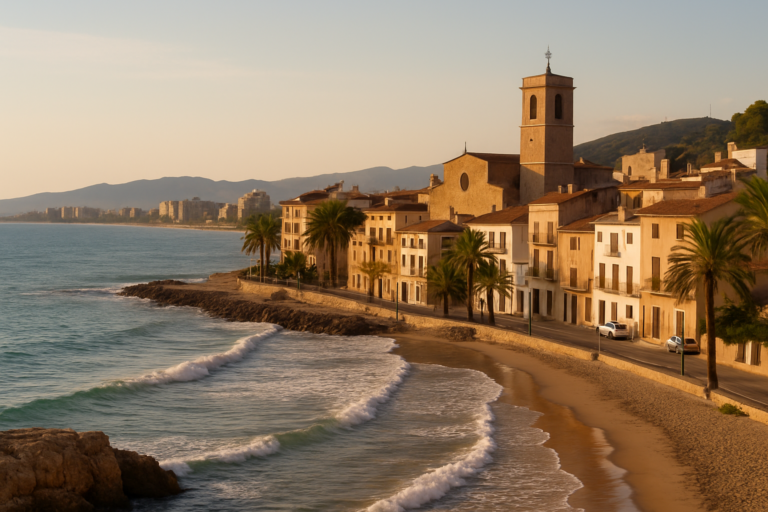
The town’s shoreline is short but serviceable: broad beaches that generally feel quieter than the busier resorts a short drive down the coast. These sands are best for low-key sun and sea days rather than for packed promenades or intense nightlife.
| Beach | Character | Facilities / Blue Flag |
|---|---|---|
| Playa Ben Afeli | Wide sandstrip, comparatively calm and less crowded | – |
| Playa de la Torre | Broad beach near the town; tranquil compared with nearby resort beaches | – |
Almassora with kids
Families often value quiet beaches and simple, safe swimming conditions — both of the town’s main sands lean that way. The wetlands at the Millars river mouth offer an educational outdoor outing for older children interested in birds or nature. The town itself is compact enough for short, stroller-friendly walks between a square, a café and the shore. Expect amenities to be locally run rather than geared to mass tourism, which can be a plus if you prefer relaxed, unhurried service.
How to get to Almassora and get around
Access is straightforward for a coastal town sitting between larger nodes on the Valencian coast. The nearest commercial airport for scheduled passenger flights is within a short drive; regional rail and the AP-7 motorway provide connections along the coastal corridor.
| From | By | Approx time |
|---|---|---|
| Castellón / Valencia corridor | Rodalia commuter train or AP-7 motorway | ~1 h to Valencia by road or rail connections |
| Castellón-Costa Azahar airport (CDT) | Road (local connection) | About 20 minutes |
Where to stay
The town offers two practical bases depending on what you want from your trip:
- Historic centre (around Torre de la Vila / Plaça Pere Cornell): best for short urban strolls, cafés and being within walking distance of municipal services and local restaurants.
- Coastal strip near the beaches: suits visitors who prioritise easy sea access and quieter mornings on the sand.
Best time to visit Almassora
There are clear windows when the town makes the most sense as a destination. Spring and early autumn avoid the heaviest heat and the peak summer bustle of larger nearby resorts.
| Season | Months | What to expect |
|---|---|---|
| Late spring | May–June | Pleasant weather and fewer crowds — one of the best periods for a visit. |
| Early spring | March–April | Orange blossom scent is strongest in early spring if you time it right. |
| Early autumn | September | Warm sea and quieter atmosphere as the summer season winds down. |
History of the town
The settlement’s landscape bears agricultural layers: the irrigation channels such as the Séquia Major are surviving evidence of earlier water-management systems introduced during Moorish rule. These canals were crucial for irrigating the orange groves that define the surrounding countryside and give the coastline its floral name, Costa del Azahar. The compact civic centre with its tower reflects a modest, locally focused urban history rather than large-scale coastal redevelopment.
Practical info
Languages: both Valencian (the local Catalan variant) and Spanish are used interchangeably in daily life, so bilingual signage and speech are common. Cuisine: expect local cuisine to follow Valencian traditions — dishes such as paella and arròs a banda appear alongside seafood from the nearby Grau harbour. The town acts as a quieter base compared with neighbouring tourist strips, which affects the local pace and the kinds of services available; think local grocery shops, family-run eateries and straightforward beach facilities rather than a wide range of tourist-only services.
Worth it for: visitors who want quiet beaches, short nature walks at a significant wetlands area and a taste of Valencian coastal life away from the biggest resorts.
Less so if: you want busy beachfront promenades, an extensive nightlife scene or a destination packed with tourist attractions — this town is a low-key, locally focused stop.
How we assess this guide
We collate and cross-check factual claims about local geography, transport links, festivals, gastronomy and protected natural areas against reliable regional sources. We flag closures and material changes in a freshness callout when verified. This guide synthesises verified facts and practical travel framing but does not claim original on-site reporting.
Frequently asked questions
How do I get from the nearest airport to town?
The nearest commercial airport is a short road journey from town — it takes about 20 minutes to drive between the airport and the town centre.
Can I reach larger cities by train or motorway?
Yes. Regional commuter trains (Rodalies) and the AP-7 motorway provide the primary connections along the coast and link the area with Castellón and further on to Valencia; travel time to the larger city corridor is roughly around one hour depending on destination and service.
Which beach should I pick for a family day out?
Both Playa Ben Afeli and Playa de la Torre are broad and comparatively calm, making them good options for family beach days rather than intensely crowded resort beaches.
When is the best time to catch the orange blossom scent?
The orange blossom is strongest in early spring; if that experience is important to you, plan for March or April and check local flowering reports since the exact timing varies with the season.
Are there nature or birdwatching opportunities nearby?
Yes — the river mouth and adjacent wetland areas at the Millars form an important habitat and are used by birdwatchers and nature-oriented visitors from the town and neighbouring municipalities.
Is the town touristy and commercialised?
No — the town is notably less touristified than some neighbouring coastal resorts. Expect a quieter, more local atmosphere rather than a heavy resort infrastructure.
What kind of local food should I try?
The local gastronomy follows Valencian traditions: expect regional rice dishes such as paella and arròs a banda, plus seafood drawn from the nearby Grau harbour — menus here reflect coastal and agricultural ingredients.
Are both Valencian and Spanish spoken here?
Yes — both Valencian (the regional variant of Catalan) and Spanish are used interchangeably in town life, so basic interaction in either language will usually be understood.
How many days are enough to see the essentials?
A short stay of a day or two will cover the old town, one or two beach visits and a nature outing to the river mouth; use the town as a quiet base to explore further along the Costa del Azahar if you want more variety.
Is there a major festival I should know about?
The town celebrates Santa Quitèria in May with a romería (a pilgrimage or procession) tied to local patronal festivities — it’s a strong expression of local community life and an interesting cultural moment if your visit coincides.
Can I get around without a car?
Yes for short visits — the town is compact and walkable for reaching the square and nearby beaches. For wider exploration of the river mouth, neighbouring towns or to use the regional transport network you may prefer occasional road travel or public services that connect to local hubs.
What are rainy-day options?
The town’s cultural highlights are modest in scale: the small civic centre and cafés make for simple indoor options. For a wider range of museums and larger indoor attractions, the nearby city of Castellón provides more choices if you’re prepared to travel a short distance.
Is Almassora expensive compared with nearby resorts?
The town’s local, less tourist-driven character generally means you will encounter family-run eateries and straightforward services rather than premium resort pricing; however, prices vary by business and season, so compare menus and offerings locally.
Which nearby towns are sensible day trips?
Neighbouring coastal and inland towns along the Costa del Azahar corridor make natural half-day or day-trip choices for beaches, cultural visits and regional markets.
Plan the wider trip
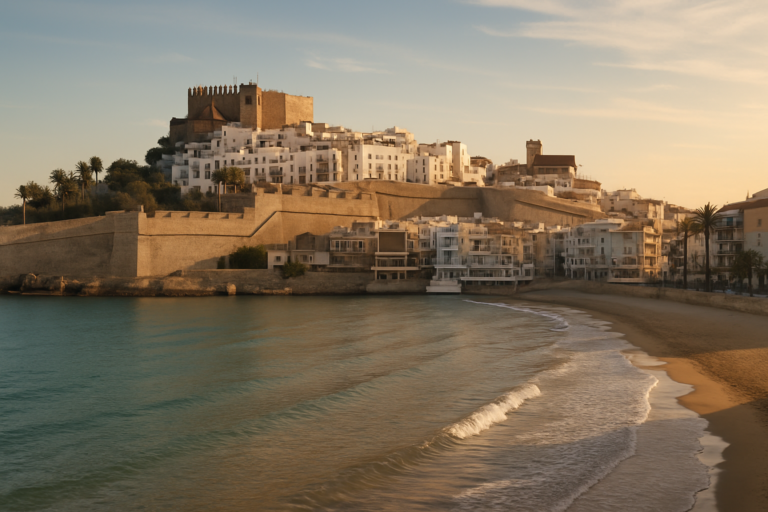
Nearby on the Costa del Azahar
Almassora on the map
Places worth knowing near Almassora
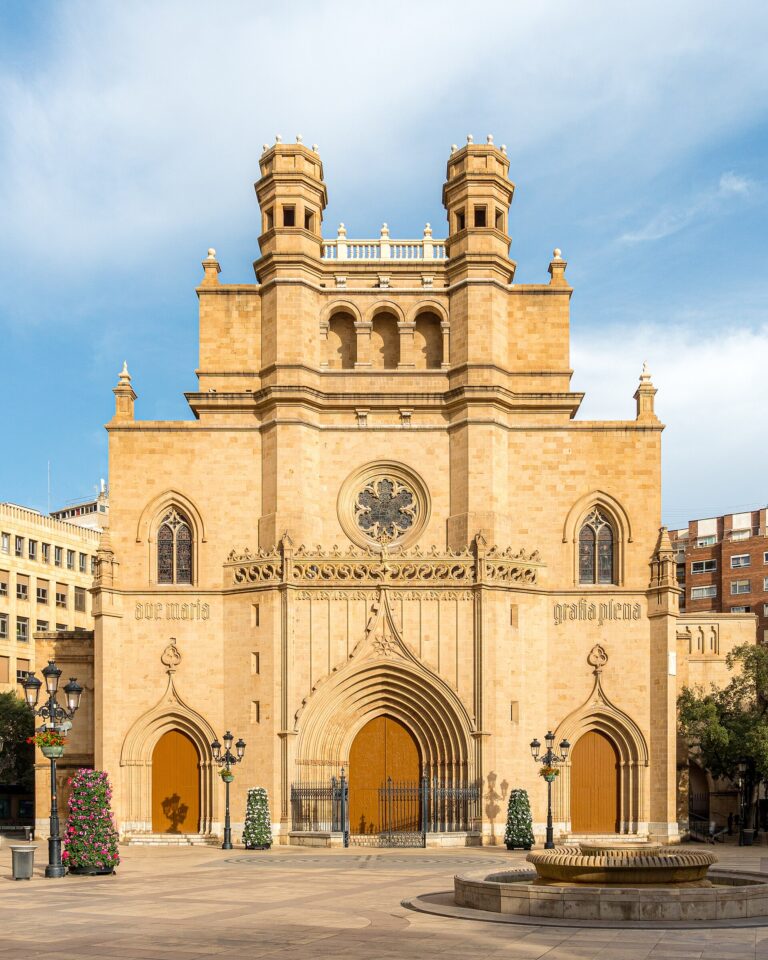
This place is part of our Costa del Azahar Guide: Peñíscola, Orange Country and Morella — see every town, beach and cove we have mapped on that coast.
How this page is maintained. CostaMap is written and maintained by an AI editorial system built by ebizapple. Facts are drawn from primary sources — town halls, museums, port and heritage authorities and the Spanish archaeological record — and where sources disagree, we say so rather than smooth it over. Photographs marked as ours are taken on location. This page was last reviewed on 11 August 2026. Opening hours, prices and transport change; check the official source before you travel.