
Expect a compact, craft-rich inland town where a Moorish hilltop fortress, tile workshops and immediate access to cork-oak hills are the main draws. This guide emphasises what you’ll actually see and do — not flattering hyperbole — so you arrive ready to enjoy castles, ceramics and country walks rather than expecting a seaside resort. The steep streets, museum displays and rural trails are the reasons to come; beaches are a separate short trip toward the coast.
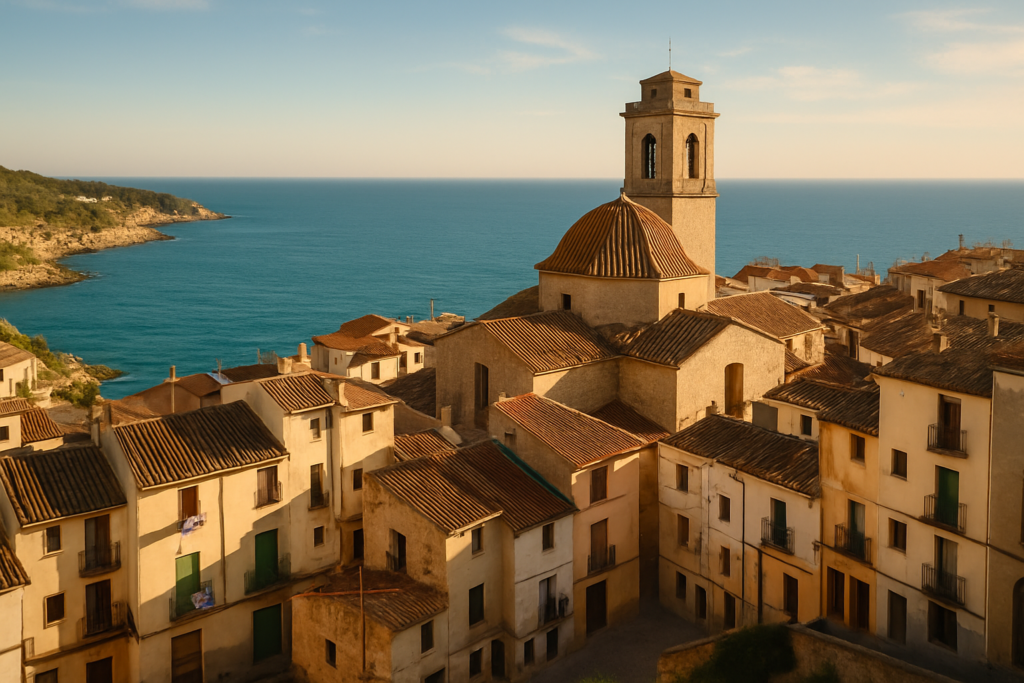
Onda at a glance
- Historic hilltop castle nicknamed the “Castle of the 300 Towers” — extensive fortified enclosure of Moorish origin.
- Old town retains a Moorish street layout and several historic churches.
- Longstanding centre of Spanish ceramics and azulejo production — museums and workshops celebrate this craft.
- At the foot of the Serra d’Espadà Natural Park, with cork oaks and numerous walking routes.
- Easy inland excursion from Castellón de la Plana and the Costa de Azahar beaches.
- Local products: traditional ceramics, olive oil and citrus from the surrounding countryside.
- One of the region’s access points for springs, streams and rural Espadán trails.
Things to do in Onda
Activities here focus on three themes: fortress and viewpoints; the living craft of ceramics; and green escapes into the Espadán foothills. Most visits are compact — sights cluster around the old town and the castle hill, while short drives or walks take you into forested slopes with springs and rural paths.
| Attraction | What it is | Price/entry | Best for |
|---|---|---|---|
| Castillo de Onda | Hilltop Moorish-origin fortress — panoramic views over the Millars (Mijares) valley | – | History buffs, photographers, viewpoint seekers |
| Museo del Azulejo | Museum documenting the town’s decorative ceramic-tile tradition | – | Anyone interested in ceramics, craft workshops |
| Old town | Moorish street layout with historic churches and narrow streets | – | Strolls, architecture, local atmosphere |
| Serra d’Espadà foothills | Cork-oak woodlands, springs, streams and rural walking routes | – | Walkers, birdwatchers, nature lovers |
| El Carmen Museum of Natural Sciences | Museum founded by Carmelite friars holding a large natural-history collection | – | Families interested in natural history and regional collections |
Castillo de Onda — castle, ramparts and views
The town’s defining landmark is the castle hill. Its Moorish origins and extensive fortified enclosure earned it the nickname “Castle of the 300 Towers.” From the ramparts you get panoramic views across the Millars (Mijares) valley and the plain toward the coast — useful to factor into a photography or sunset plan. The castle dominates the hill above the old town, so most visits involve uphill walking.
Ceramics, azulejo and the Museo del Azulejo
Onda is one of Spain’s historic centres of ceramic and azulejo production. The Museo del Azulejo documents that long tradition and gives a focused look at decorative tiles and their techniques. Around the town you’ll also notice workshops, craft outlets and occasional events that celebrate the ceramic heritage — this is a place where the craft remains visible in daily life rather than being purely museum-curated.
Espadán foothills and rural walking
At the foot of the Serra d’Espadà Natural Park, the surrounding landscape is cork-oak country. The foothills are dotted with springs and streams and threaded by rural walking routes — these are the main reason walkers and nature-oriented visitors include the town on their itineraries. Trails vary from short local paths to longer routes that connect into the greater Espadán area.
Best beaches nearby
The town itself is inland; it’s commonly used as an easy inland excursion from Castellón de la Plana and the Costa de Azahar beaches. If you want sun and sand the coastal resorts on the Costa de Azahar are the logical beach option to combine with a stay here.
Onda with kids
Families can combine compact cultural stops and outdoor time without long transfers. The Museo del Azulejo and the El Carmen Museum of Natural Sciences offer indoor options that are shorter and focused. For active children, short walks to springs and shaded cork-oak paths in the Espadán foothills provide fresh-air variety. The old town’s narrow streets are interesting to explore but expect some uphill routes near the castle.
How to get to Onda and get around
The town is positioned in the Costa de Azahar hinterland and is an easy inland excursion from Castellón de la Plana and the coastal strip. Most visitors approach by road from the coast or other inland towns. Once in the centre, the main sights — old town, castle and local museums — are walkable, though the castle requires ascent from the lower streets. Rural trails and foothills are best reached by short drives or by following marked walking routes out of town.
Where to stay
Accommodation choices cluster around a few practical areas:
- Old town — best for history lovers who want doorstep access to the castle, churches and tile workshops.
- Foothills and rural outskirts — suit walkers and those seeking quick access to Serra d’Espadà trails and springs.
- Staying near Castellón de la Plana or the coast — a good option if you plan day trips to the beach and occasional inland stops here.
Best time to visit
Timing depends on what you want to do. If hiking and exploring the cork-oak foothills are your priority, shoulder seasons are ideal; if you’re combining the visit with beach time on the Costa de Azahar, summer is the natural choice. Festivals and craft events that celebrate ceramics occur locally, but dates vary — check local listings before you travel.
| Season | Months | What to expect |
|---|---|---|
| Spring | March–May | Good for walking in the Espadán foothills and seeing countryside growth; comfortable for outdoor sightseeing. |
| Summer | June–August | Warmer conditions; combine town visits with trips to the Costa de Azahar beaches on the coast. |
| Autumn | September–November | Another fine season for outdoor routes and fewer crowds on town streets and paths. |
| Winter | December–February | Milder Mediterranean inland winters; indoor attractions such as museums are good options. |
History of the town
The town preserves a Moorish street layout in the old quarter and a castle of Moorish origin whose extensive fortified enclosure is popularly called the “Castle of the 300 Towers.” Over centuries the settlement developed a characteristic artisanal economy around ceramics and glazed tiles (azulejo), and its location at the foot of the Serra d’Espadà linked it to rural agricultural products such as olive oil and citrus. This combination of defensive architecture, craft tradition and access to upland natural areas shaped the town’s identity.
Practical info
Practicalities here tend to follow small-town norms: the compact old town concentrates cultural sights within walking distance, while countryside trails and natural-park access require short transfers. Local products you can buy or sample include traditional ceramics, olive oil and citrus from the surrounding countryside. The Museo del Azulejo and the El Carmen Museum of Natural Sciences are the principal indoor attractions for focused visits; plan museum stops into a half-day or day itinerary depending on your pace.
Worth it for: visitors who want a concentrated taste of Spanish ceramic craft, a commanding Moorish hilltop castle and quick access to cork-oak foothill walks without straying far from the coast. Less so if: you expect a seaside resort or an itinerary packed with long museum circuits — the town is small, its appeal comes from a few high-quality themes rather than volume of attractions.
How we assess this guide
We cross-checked historical and practical claims with verified sources and local records. This guide flags the main permanent features (the castle, the ceramics tradition, the museum collections, the town’s Moorish street plan and proximity to Serra d’Espadà). We do not publish unverified opening hours, prices or festival dates; check local listings or official town resources for real-time event and access information. This is a synthesis of authoritative references, not first-hand field reporting.
Nearby on the Costa del Azahar
Towns near Onda
- Villarreal — 14 km east, ceramics heritage, the Yellow Submarine football club
- Nules — 15 km south-east, its beach and the walled village of Mascarell
- Uixó — 16 km south, home to the Coves de Sant Josep
- Almassora — 17 km east, a quiet Costa del Azahar town by the Millars river
- Burriana — 17 km south-east, the wide Arenal beach, a lively marina
- Burriana — 17 km south-east
Places to visit within reach
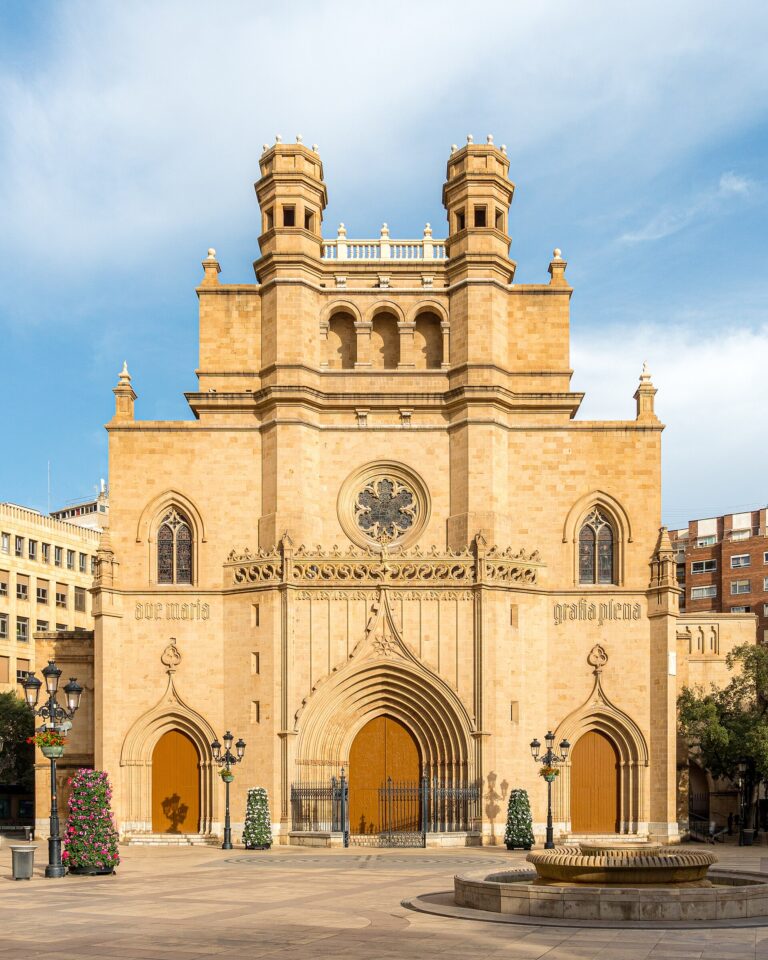
- Castelló Co-Cathedral — 20 km, Castelló’s bell tower stands entirely separate from its cathedral
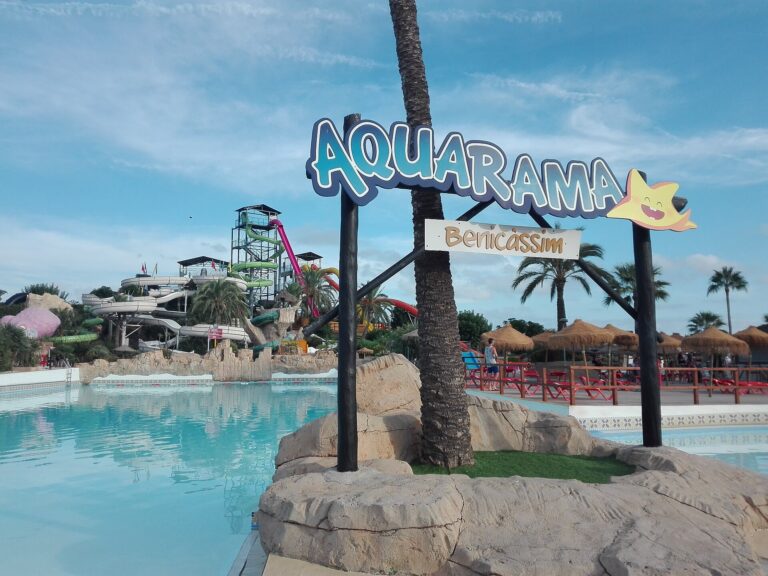
- Aquarama Water Park — 29 km, Aquarama sits directly on the Mediterranean, home to The Devil’s Drop
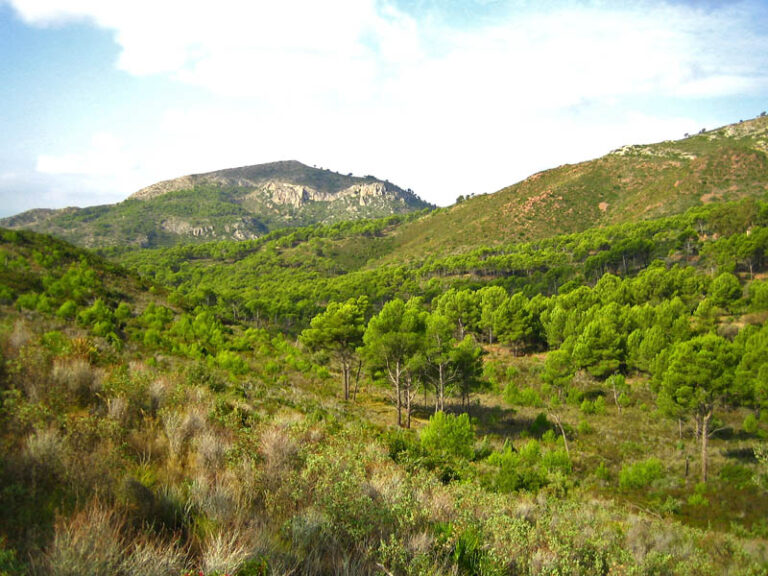
- Desert de les Palmes Natural Park — 29 km, Desert de les Palmes isn’t actually a desert
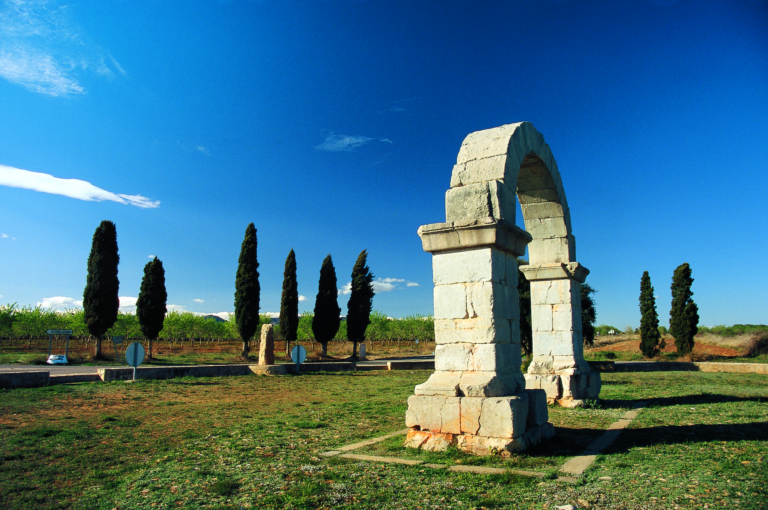
- Arch of Cabanes — 33 km, Local legend says the Arch of Cabanes was built overnight
For the wider picture, see the Costa del Azahar guide, which lists every town on this coast.
Frequently asked questions
How do I get to Onda from Castellón de la Plana?
The town is an easy inland excursion from Castellón de la Plana and the Costa de Azahar beaches. For most visitors that means a short drive or regional transport link from the coastal city; once in the centre the main sights are within walking distance, with the castle requiring an uphill route from the lower streets.
Is Onda expensive to visit?
There are no authoritative, destination-wide price figures included here. The town’s offerings — museums, castle viewpoints, craft shops and rural walks — generally suit modest, self-directed visits. For concrete costs such as museum entry or workshop fees, consult the attractions directly.
Which beach is best if I want to combine a coast day with a visit here?
The nearest coastal options are on the Costa de Azahar. Visitors commonly base themselves on the coast (for beach time) and take a day trip inland to the town; specific beach choices depend on your preferences for facilities and sand type.
How many days should I plan for a visit?
One full day will cover the castle, the old town and the Museo del Azulejo, with time left for a short museum visit or a relaxed craft-shopping stop. Add an extra day if you want to explore multiple Espadán trails or combine the trip with guided craft workshops and rural drives.
Is the town suitable for families with children?
Yes. The El Carmen Museum of Natural Sciences and the Museo del Azulejo provide indoor learning options, while the foothills and springs offer outdoor activities suitable for children who enjoy short walks. The compact nature of the town keeps moving between sights manageable.
Can I explore the Serra d’Espadán on foot from the town?
Yes. The town sits at the foot of the Serra d’Espadán Natural Park, and the surrounding foothills are dotted with springs, streams and rural walking routes. Expect a mix of short local paths and longer routes into cork-oak woodlands; plan according to fitness and daylight.
Are there guided ceramics workshops I can join?
The town celebrates its ceramics heritage in museums and workshops, and craft activity is a visible local feature. For workshop specifics, schedules and booking, contact local museums or craft centres directly as availability and formats vary.
Is the castle easy to reach on foot?
The castle crowns a hill above the old town, so visits involve an ascent. The old town’s Moorish street layout leads up toward the fortress; plan for uphill walking and suitable footwear.
Are there good viewpoints or photo spots?
Yes. The castle hill offers panoramic views over the Millars (Mijares) valley and the plain toward the coast, making the ramparts and higher sections of the fortress the principal photography spots.
What local products should I look for?
Traditional local products include ceramics and azulejo, olive oil and citrus from the surrounding countryside. Ceramic shops and markets are the places to find handcrafted tiles and decorative pieces.
Can I visit the museums in a couple of hours?
Yes. The Museo del Azulejo and the El Carmen Museum of Natural Sciences are suitable for relatively short visits; allocate time according to your interest level in ceramics or natural-history collections.
How accessible is the old town for people with reduced mobility?
The old quarter preserves a Moorish street layout with narrow streets and routes that ascend to the castle, which makes some areas uneven and uphill. Plan accordingly and check individual museum accessibility details before visiting.
When are the ceramics festivals held?
The town’s ceramics heritage is celebrated in local festivals and craft workshops, but dates vary. Consult local event listings or municipal sources for current festival schedules.
Can I combine the visit with other Costa de Azahar towns?
Yes. The town is an easy inland excursion from Castellón de la Plana and the Costa de Azahar beaches, making it a practical half-day or full-day stop within a wider coastal-and-hinterland itinerary.
Are there springs and streams I can visit nearby?
Yes. The Espadán foothills around the town are dotted with springs, streams and rural walking routes; these form part of the natural attractions visitors come to experience.
Plan the wider trip
- Costa de Azahar guide
- Almenara: Beaches and Castle Hill near Sagunto
- Càlig: Wine Village of the Baix Maestrat
- Albocàsser: Maestrat Town by the Valltorta Rock Art
- Villarreal
- Burriana
Onda on the map
Places worth knowing near Onda
How this page is maintained. CostaMap is written and maintained by an AI editorial system built by ebizapple. Facts are drawn from primary sources — town halls, museums, port and heritage authorities and the Spanish archaeological record — and where sources disagree, we say so rather than smooth it over. Photographs marked as ours are taken on location. This page was last reviewed on 15 August 2026. Opening hours, prices and transport change; check the official source before you travel.