
Expect an honest, compact inland Valencian town whose chief claims to fame are careful town planning, a vibrant ceramics and banding culture, a pilgrimage basilica and an unexpectedly high-profile football club. This is not a Mediterranean resort strip: it’s a working provincial centre set on fertile plain and watered by traditional irrigation channels. If you arrive looking for beaches, nightlife or a touristy old quarter, you’ll likely be disappointed — but if you want a compact, walkable civic centre, local festas, riverside green space and a close-up on Spain’s tile-making and futbol passion, you’ll get exactly that.
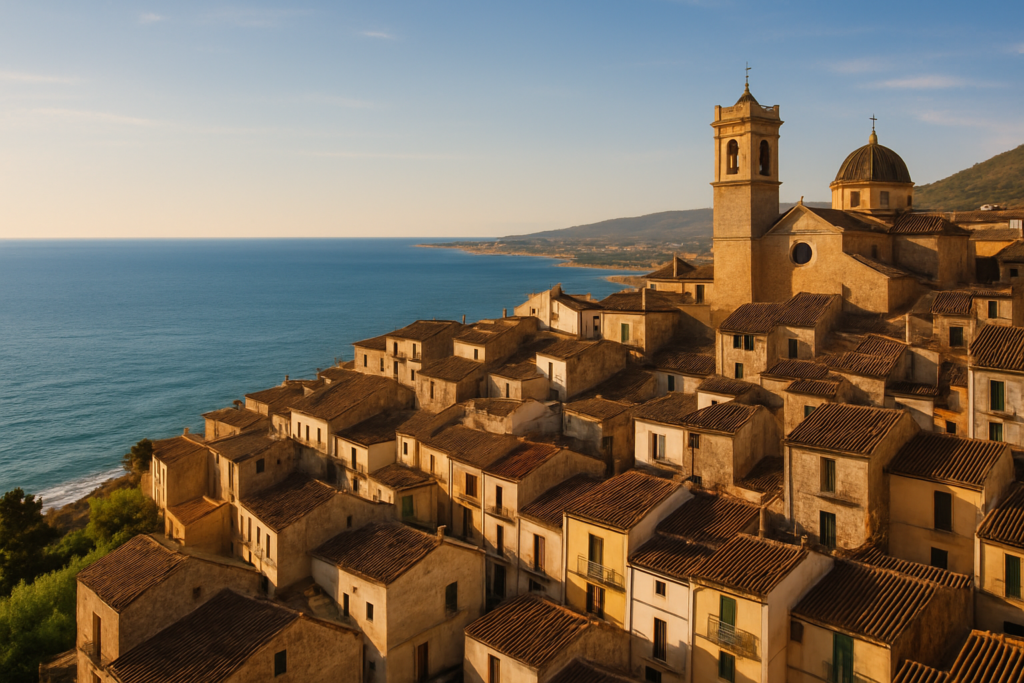
Villarreal at a glance
- Founded in 1274 as a planned grid town with an arcaded Plaça Major.
- About 7 km inland from the Mediterranean, between Burriana and Castellón de la Plana.
- Well connected by the A-7 and AP-7 motorways and Cercanías rail line C-6 (Castellón–Valencia).
- Home to Villarreal CF (the “Yellow Submarine”) and the Estadi de la Ceràmica; football is a local passion.
- Basílica de San Pascual Baylón holds the tomb of the city’s patron saint and attracts pilgrimages.
- El Termet: a green riverside recreation area on the Millars (Mijares) river for walks and picnics.
- La Plana plain is fertile territory long associated with orange and citrus production and historic irrigation séquies.
Things to do in the town
There’s no shortage of small-scale cultural and civic things to do here, but the experience is very much civic and local rather than tourist-driven. Expect short, walkable visits: a plaza, a basilica, a riverside park, and a football pilgrimage if you’re a fan. Below is a quick comparison of the main attractions to help you prioritise.
| Attraction | What it is | Price/entry | Best for |
|---|---|---|---|
| Plaça Major & Arxiprestal Sant Jaume | Grid-centre plaza with arcades and the church with a blue-tiled dome | – | Architecture, short strolls, photos |
| Basílica de San Pascual Baylón | Basilica housing the tomb of Saint Paschal Baylón and a tall bell tower; pilgrimage site | – | Religious history, processions in May |
| Estadi de la Ceràmica | Home stadium of Villarreal CF, reflecting the town’s ceramic-tile heritage | – | Football fans, stadium atmosphere |
| El Termet (Millars/Mijares riverside) | Riverside green recreation area with the Ermita de la Mare de Déu de Gràcia | – | Walks, picnics, families |
Plaça Major and the Arxiprestal Sant Jaume
The grid layout implanted when the town was founded still centres on an arcaded Plaça Major. The plaza is the civic heart: arcades, cafés and municipal life gather here and the Arxiprestal Sant Jaume parish church—with its distinctive blue-tiled dome—acts as the visual anchor. This is the easiest place to orient yourself and to feel how the original planned layout still shapes movement and activity in the centre.
Basílica de San Pascual Baylón — a living pilgrimage
The basilica is not a relic tucked away for tourists: it houses the tomb of Saint Paschal Baylón, the city’s patron, and functions as an active pilgrimage church. May is the month when local devotion intensifies: processions, music bands and fireworks are part of the fiestas dedicated to the saint. Even outside festival time the building and its bell tower are worth visiting for anyone interested in local religious culture and civic identity.
Football and ceramics: Estadi de la Ceràmica
Football is a central thread of modern civic life here. The local club plays at the Estadi de la Ceràmica — a stadium whose very name signals the town’s long connection to tile and ceramic manufacture. Even if you don’t attend a match, the club’s presence is visible in the town: colors, local chatter and an economy partly shaped by the team.
El Termet and the Millars river
For green space, follow local footpaths down to El Termet on the Millars (Mijares) river. This riverside recreation area includes the small Ermita de la Mare de Déu de Gràcia and is popular for walks and family picnics. It’s the town’s main natural amenity and a good spot for quiet greenery without leaving municipal boundaries.
Best beaches in the area
While the town itself is inland, the Mediterranean coast lies only a short drive away; the nearest coastal towns include Burriana and Castellón de la Plana. If you are basing yourself here with beach days in mind, expect short transfers to sand rather than a beachfront stay.
| Beach | Character | Facilities / Blue Flag |
|---|---|---|
| Beaches near Burriana | Accessible coastal sands within a short drive from the town | – |
| Beaches near Castellón de la Plana | Wider range of services and larger beachfronts | – |
Villarreal with kids
This is a practical family destination for short stays. The compact grid and pedestrian-friendly central streets make walking with children simple, El Termet provides a safe green space for picnics and play, and the basilica and plaza offer non-commercial cultural stops. Football matches are a draw for older children and teens if timings align. The town’s scale makes day trips to nearby beaches feasible without long drives.
How to get to the area and get around
Connectivity is one of the town’s strengths: road and rail links make it straightforward to combine time here with visits to the coast and Valencia. Within the town, the central grid is easy to walk and local buses connect neighbourhoods; cycling is also practical for short distances.
| From | By | Approx time |
|---|---|---|
| Castellón | Cercanías C-6 (regional rail) and local roads | – |
| Valencia | Cercanías C-6 (regional rail) and AP-7/A-7 motorways | – |
Where to stay in the town
Choose a base depending on your priorities:
- Historic grid/centre (around the Plaça Major): best for first-time visitors who want to be within easy walking distance of the main civic sights, cafés and municipal life.
- Near El Termet / riverside: suits families and anyone prioritising green space and quieter walks.
- Outskirts / near motorways: practical for drivers who plan day trips across the Costa del Azahar or to industrial areas linked to the tile sector.
Best time to visit
Many visitors prefer late spring and early autumn for mild weather and active local life. May is the signature month in the civic calendar because of the fiestas in honour of Saint Paschal — that’s the time to experience processions, music bands and fireworks. Summers will be warmer and better for beach days on the coast, while winters are quieter and suitable for low-key cultural visits.
| Season | Months | What to expect |
|---|---|---|
| Spring | March–May | Fiestas in May; pleasant weather for walking and sightseeing |
| Summer | June–August | Warmer temperatures; easy access to nearby beaches |
| Autumn | September–November | Milder weather; quieter streets after the high season |
| Winter | December–February | Quieter cultural visits and municipal life; lower tourist numbers |
History of the area
The town was founded in 1274 by King James I of Aragon as one of the Valencian region’s early planned settlements. From the outset its layout followed a grid, organised around a central arcaded Plaça Major — a feature that remains legible in the modern townscape. The fertile La Plana plain and the Millars (Mijares) river network shaped medieval and later agricultural use, with historic irrigation channels (séquies) still evident in the landscape. Over time the town developed a ceramics tradition that ties it to the larger Castellón tile-making industry in nearby localities such as Onda and l’Alcora. Religious and civic life has been expressed through parish churches and the Basílica de San Pascual Baylón, while contemporary identity is strongly influenced by the local football club.
Practical info
- Transport links: The town is well connected by the A-7 and AP-7 motorways and served by Cercanías rail line C-6 linking Castellón and Valencia, making it convenient for combining visits to the city and the coast.
- Parking: As in many medium-sized Spanish towns, expect the usual mix of on-street parking and municipal lots; the compact centre is most easily explored on foot.
- Accessibility: The grid centre and arcaded plaza are pedestrian-friendly; riverside paths at El Termet offer easy walking routes. Specific accessibility features for buildings are variable and should be checked with individual venues if mobility is a concern.
- Costs: The town is not a resort-priced destination; everyday costs reflect a provincial municipal economy rather than tourist premiums.
- Ceramics industry links: The town’s cultural and industrial ties to regional tile and ceramic production are visible in the stadium name and in local crafts — the cluster of tile-making towns nearby is part of the regional economic fabric.
Worth it for: short cultural walks, seeing how a medieval planned grid still shapes modern civic life, visiting an active basilica and enjoying riverside greenery; football fans wanting the stadium experience. Less so if: you want long beach days without any driving, a resort nightlife scene, or a classical, tourist-driven old town full of souvenir shops.
How we assess this guide
This guide compiles verified factual claims from regional and historical sources and municipal references. We cross-checked foundation date, town layout, transport connections, religious sites and civic traditions. We flag any closures or major changes when documented; this article does not include original on-the-ground reporting but synthesises authoritative records and civic information to help set accurate expectations for visitors.
Frequently asked questions
How do I get to the town from Valencia?
By rail you can take the Cercanías C-6 regional line that links Valencia with Castellón; the town is also accessible by road via the A-7 and AP-7 motorways.
Is the town expensive compared with the coast?
No — as a provincial inland town it generally reflects everyday local costs rather than the higher prices found in resort-front towns; expect practical, municipal-level pricing for food and services.
Which beach is best if I’m based here?
The nearest coastal options are around Burriana and Castellón de la Plana; these are short drives away and give you broader sand and service choices than the town itself (which is about 7 km inland).
How many days should I plan to see the highlights?
A focused day will cover the Plaça Major area, the basilica and El Termet. Add a second day if you want to attend a football match or take a beach day on the nearby coast.
Is it a good place to visit with kids?
Yes. The compact centre is easy to walk, El Termet provides safe riverside green space for play and picnics, and football events can be engaging for older children and teens.
Can I get around without a car?
Yes. The central grid is walkable and Cercanías rail connects to Valencia and Castellón. Local buses and taxis cover the town for distances beyond walking range.
Is parking difficult in the centre?
Parking is similar to other medium Spanish towns — a mix of on-street and municipal lots. The easiest option for sightseeing is to park and explore the compact grid on foot.
What happens during the May fiestas?
May is when the town celebrates its patron saint, Saint Paschal, with processions, music-banda performances and fireworks; the events are rooted in local religious and civic traditions and draw community participation.
Are there guided tours focused on ceramics?
The town’s ceramics tradition connects it to a regional tile industry centred in nearby towns such as Onda and l’Alcora. Specific guided visits to workshops or industry sites should be arranged locally or via regional cultural tourism offices.
Can I visit the stadium even if there’s no match?
The stadium is a significant local landmark and a focal point for fans. Stadium access policies vary, so check ahead with the club or official sources about tours or matchday opportunities.
What is El Termet like for a picnic?
El Termet is the town’s main riverside recreation area on the Millars (Mijares), popular for walks and picnics and centred around the small Ermita de la Mare de Déu de Gràcia.
Are there notable churches to see aside from the basilica?
Yes. The Arxiprestal Sant Jaume parish church at the Plaça Major, with its blue-tiled dome, is a prominent civic and architectural feature worth visiting.
How does the historic irrigation network affect the town?
The Millars river and the historic séquies (irrigation channels) shaped the medieval agricultural layout and later development of the surrounding La Plana plain — they’re a key part of the landscape and agricultural history.
When is the quietest time to visit?
Winter months are the quietest for visitors; municipal life continues but without the higher summer and festival crowds.
Is there live music or band culture to experience?
The town has a strong municipal music-band culture typical of the Valencian Community, with a local auditorium hosting concerts and bands active especially during festivals and civic events.
Plan the wider trip
- Costa del Azahar guide
- Benicassim
- Peniscola
- Vinaros
- Oropesa del Mar
- Albocàsser: Maestrat Town by the Valltorta Rock Art
Nearby on the Costa del Azahar
Villarreal on the map
Places worth knowing near Villarreal
How this page is maintained. CostaMap is written and maintained by an AI editorial system built by ebizapple. Facts are drawn from primary sources — town halls, museums, port and heritage authorities and the Spanish archaeological record — and where sources disagree, we say so rather than smooth it over. Photographs marked as ours are taken on location. This page was last reviewed on 15 August 2026. Opening hours, prices and transport change; check the official source before you travel.