
If you arrive expecting a polished seaside resort or a bustling provincial capital, prepare to recalibrate. This is a small, inland Maestrat municipality set among rugged ranges: the pleasures are rural, seasonal and quietly scenic rather than flashy. Visit for mountain panoramas, quiet village life and the almond- and cherry-blossom windows in spring — not for nightlife, luxury hotels or broad tourist infrastructure.
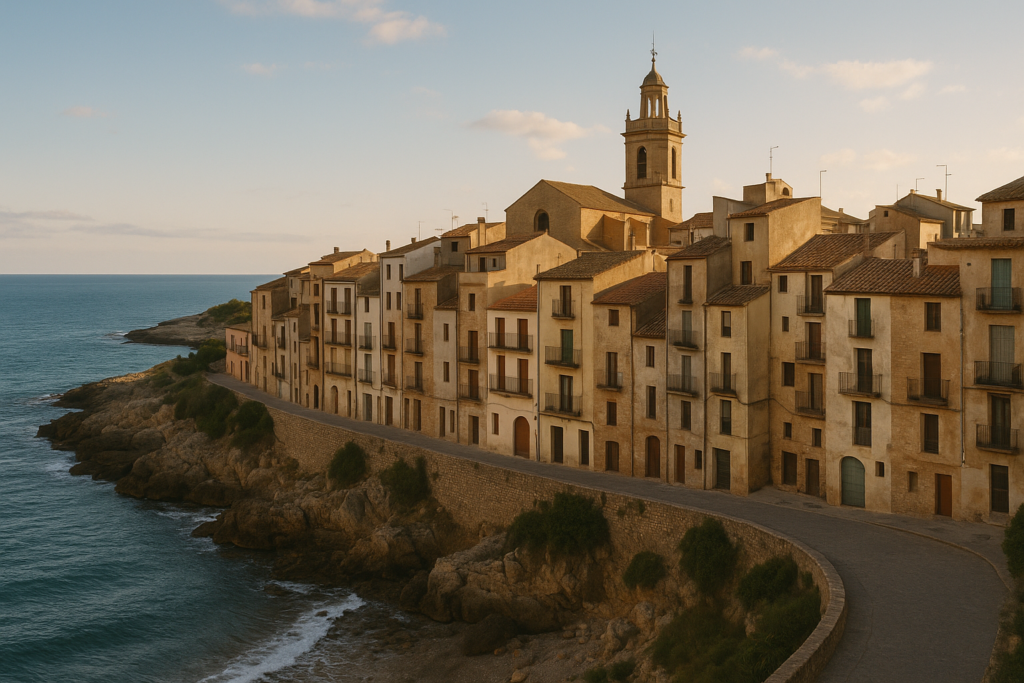
Albocàsser at a glance
- Region: Province of Castellón in the Valencian Community (comarca: Alt Maestrat).
- Coordinates: 40°21′28″N 0°1′25″W — an inland, upland location.
- Elevation: 538 metres above sea level; expect cooler nights than the coast.
- Climate: hot‑summer Mediterranean (Csa) — hot, dry summers; wetter winters.
- Language: Valencian is the official language locally.
- Practical: postal code 12140; town falls under the judicial district of Castelló / Castellón de la Plana.
- Scale: small municipality — population figures in sources are roughly 1,400 inhabitants and the municipal area is 82.3 km².
Things to do in the area
The principal draw is the landscape. Activities cluster around walking, seasonal nature viewing and low-key village exploration. This section compares the practical options you can realistically expect to find and then highlights the most notable ways to spend time here.
| Attraction | What it is | Price/entry | Best for |
|---|---|---|---|
| Mountain walks | Hiking among the surrounding ranges (Montegordo to the north, Serra d’En Galceran to the southwest) | – | Active walkers; photographers |
| Seasonal blossom viewing | Almond and cherry trees put on a strong spring show in the local countryside | – | Nature lovers; spring breaks |
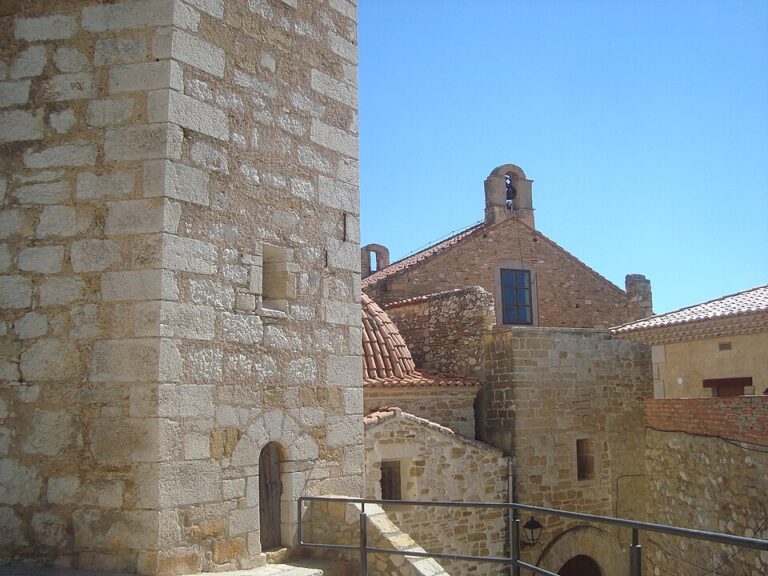
| Village exploration | Strolling narrow streets, local architecture and quiet plazas | – | Slow travellers; culture seekers |
Walking and viewpoints
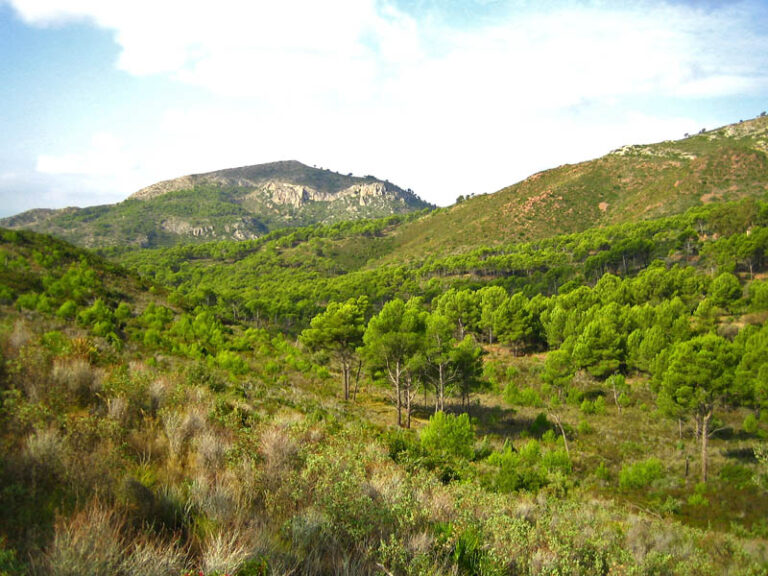
The town is surrounded by rugged limestone and mixed scrub typical of the Maestrat uplands. The Montegordo ridge sits to the north and the Serra d’En Galceran to the southwest, creating accessible viewpoints and short route options that can be tailored to fitness and time. Because you are already over 500 metres above sea level, even short walks yield wide views; bring layers because nights and early mornings are noticeably cooler than the coastal plain.
Almond and cherry blossom season
The area is especially scenic during the almond and cherry tree blooming season. If your visit falls in early spring the countryside erupts with pale blossoms and brief, intense colour — a highlight for photographers and anyone wanting that classic inland-Valencian rural scene. Bloom timing varies with altitude and year-to-year weather, so expect a window rather than a fixed week.
Slow village life
With a small resident population (sources list figures around 1,400 inhabitants), the place is one for pottering rather than ticking off a long attraction list. Time here is best spent on slow circuits: a morning coffee in the main square, a gentle walk through the older quarters, and an afternoon drive or walk into the surrounding hills. Services are limited compared with larger towns; plan essentials in advance.
Albocàsser with kids
Family visits work if you plan for outdoor time and low-key days. Children who enjoy nature, short hikes and discovering small‑town streets will enjoy the area; those who need playgrounds, theme parks or constant activities may find it quiet. The elevation and open terrain are useful for simple outdoor pursuits like picnics and nature spotting, but bring sun protection in summer and warm layers outside the warmest months.
How to get to the town and get around
Because this is an inland municipality in Alt Maestrat, access is road-based. The nearest major judicial and administrative centre is Castelló / Castellón de la Plana, which is the reference point for administrative services. If you plan to explore the hills and surrounding countryside thoroughly, a car will greatly increase your options; walking from the village centre is suitable for short excursions.
| From | By | Approx time |
|---|---|---|
| Castelló / Castellón de la Plana (judicial district centre) | Road | – |
Where to stay in the area
Accommodation is typically small-scale and village-based rather than resort-style. The municipality itself is the sensible base if you want immediate access to local walks and the pastoral scenery; staying in the town centre (or nearby country houses, where available) keeps evening logistics simple. For more urban services, look to larger towns within Castellón province — but that changes the character of the trip.
Best time to visit the area
Spring is the standout season for visual reward thanks to the almond and cherry tree blossom. Summers are hot-per the hot‑summer Mediterranean climate — expect dry, warm conditions — while autumn offers milder temperatures and clearer air for walking. Winters bring cooler temperatures at this elevation; nights can be distinctly chilly despite the Mediterranean classification.
| Season | Months | What to expect |
|---|---|---|
| Spring | March–May | Almond and cherry blossoms; best time for countryside colour |
| Summer | June–August | Hot and dry; good for early-morning walks but hot midday |
| Autumn | September–November | Milder weather and clear walking conditions |
| Winter | December–February | Cooler nights at 538 m elevation; quieter tourism |
History of the town
The settlement sits within the Maestrat landscape and shares the long, layered history that characterises inland Castellón municipalities. Its upland location among surrounding ranges shaped a rural economy and settlement pattern distinct from the coastal strip. The identity today remains tied to the land and agricultural rhythms that produce the seasonal blossom displays that draw many visitors in spring.
Practical info
- Official language: Valencian is the municipality’s official language — useful to know for signage and local administrative notices.
- Time zone: observes Central European Time (UTC+1) and Central European Summer Time (UTC+2) during daylight saving months.
- Postal services: the postal code for the town is 12140; use this for deliveries and mail.
- Elevation and climate: at 538 metres above sea level with a Csa climate, expect hotter daytime summer temperatures but cooler evenings compared with coastal locations.
- Administration: the municipality is part of the judicial district of Castelló / Castellón de la Plana — any legal or formal procedures refer to that centre.
- Scale and area: the municipal area covers 82.3 km²; this relatively large territory compared to the small population means that services are dispersed and stretches of rural countryside are quiet and lightly developed.
Worth it for: people wanting a quiet Maestrat upland experience, spring blossom photography, short mountain walks and low‑key village life. Less so if: you need beach days, lively nightlife, frequent touristic attractions or extensive visitor infrastructure — those are found on the coast and larger towns of Castellón province.
How we assess this guide
This guide compiles verified municipal and geographic facts from authoritative sources. We cross-checked elevation, coordinates, administrative links, climate classification and local language status. We flag seasonal highlights that are repeatedly mentioned in source material (the almond and cherry blossom). This is not first‑hand field reporting; instead, it is a research synthesis to set correct expectations and reduce disappointment for travellers.
Frequently asked questions
How do I get from the nearest airport?
There is no airport in the immediate municipality; travel to the area is road-based from the regional transport hubs that serve the Province of Castellón. The town itself is accessed by local roads — plan on a drive from the nearest major transport nodes.
Is the town expensive to visit?
Costs tend to reflect its rural scale: there are fewer tourist services to push prices up, but also fewer budget options. Expect modest local prices for basics and limited choice for luxury spending unless you stay in specialist country accommodation in the wider area.
Which months offer the best blossom displays?
Early spring is when almond and cherry trees blossom; exact timing varies with altitude and seasonal weather. The bloom is a window rather than a single date, so flexibility yields the best chance to catch full displays.
How many days should I spend here?
A long weekend is sensible for a quick experience of village life and a couple of short walks. Spend more time if you want to use the village as a base for exploring multiple hiking routes across the surrounding ranges or to photograph blossoms without time pressure.
Is the town good for families?
Families who enjoy nature and relaxed days will like it. If your group needs constant entertainment for children, theme parks or large playgrounds, the area may feel quiet; plan day trips to larger towns for additional facilities.
Can I get around without a car?
Local walking is practical for exploring the village and nearby immediate countryside. To reach more distant vantage points or to tour the surrounding ranges efficiently, a car is strongly recommended.
Is parking in the village easy?
Because this is a small municipality with a low population, parking is generally straightforward in the village; however, exact parking facilities vary so assume basic on‑street or plaza options rather than designated multi‑storey car parks.
What can I do on a rainy day?
Rainy days are best for slow cultural time in the village — cafés, local shops and covered museum spaces where they exist in nearby towns. The scale of cultural venues in the municipality itself is limited, so have a backup plan to visit larger towns in Castellón province.
When is the best time overall to visit?
Spring for blossom; autumn for cooler walks and clearer skies; summer if you tolerate hot, dry days and want longer daylight for walking. Winter is the quietest period with cooler nights due to the elevation.
What language will people speak?
Valencian is the official language locally. Spanish (Castilian) is widely spoken in the Valencian Community as well, but street-level signage and municipal notices will reflect Valencian usage.
Is there any notable geological or landscape feature nearby?
The municipality is ringed by mountain ranges — most notably Montegordo to the north and Serra d’En Galceran to the southwest — which define local walks and viewpoints.
How many people live here?
Sources list the municipality’s population at roughly 1,400 inhabitants (figures appear as both 1,370 and 1,439 in different records), reflecting a small, close‑knit community rather than a busy tourist centre.
What administrative area does it belong to?
The town is in the Province of Castellón and the comarca of Alt Maestrat, and for judicial matters it depends on Castelló / Castellón de la Plana.
Are there beaches nearby?
No — this is an inland, upland municipality. For seaside visits you will need to travel down to the coast in Castellón province.
What is the local time zone?
The municipality observes Central European Time (UTC+1) and Central European Summer Time (UTC+2) during daylight saving.
Plan the wider trip
Nearby on the Costa del Azahar
Albocasser on the map
Places worth knowing near Albocasser
This place is part of our Costa del Azahar Guide: Peñíscola, Orange Country and Morella — see every town, beach and cove we have mapped on that coast.
How this page is maintained. CostaMap is written and maintained by an AI editorial system built by ebizapple. Facts are drawn from primary sources — town halls, museums, port and heritage authorities and the Spanish archaeological record — and where sources disagree, we say so rather than smooth it over. Photographs marked as ours are taken on location. This page was last reviewed on 14 August 2026. Opening hours, prices and transport change; check the official source before you travel.