
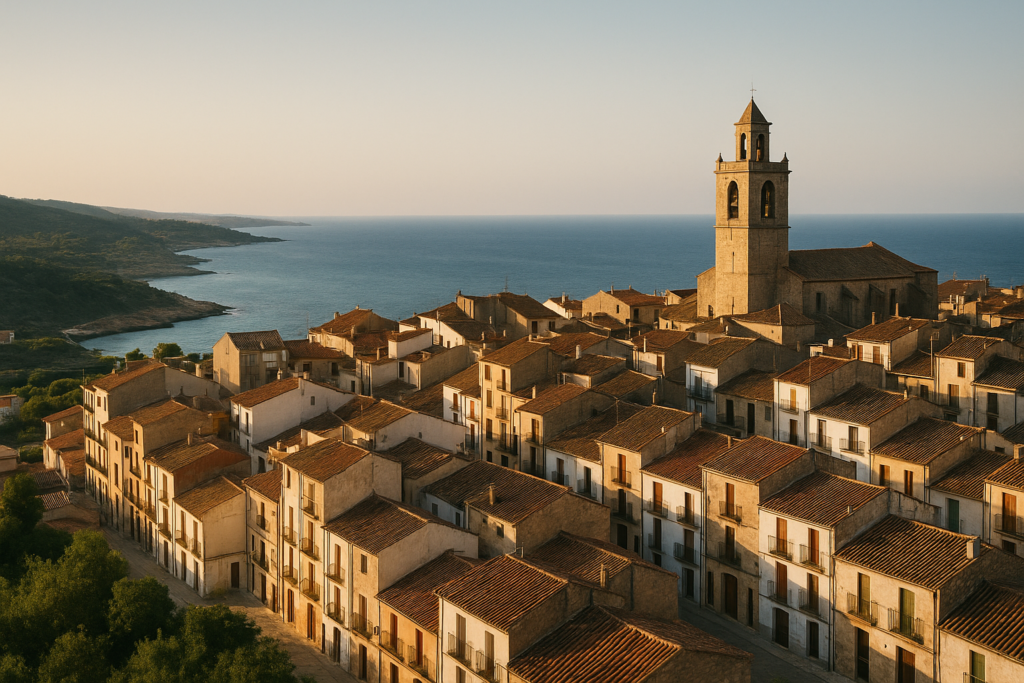
Expect a compact, quietly historic inland town with a handful of architectural highlights and a strong local identity. This guide aims to prevent the usual traveller’s surprise: Sant Mateu (the town) isn’t a coastal resort or a theme-park destination — it’s a small municipal centre where a single major church, an evocative hermitage in the nearby hills and a few local stories form the core of what most visitors come to see.
Sant Mateu at a glance
- Where: inland in eastern Spain, province of Castellón, part of the autonomous community of Valencia.
- Comarca: Baix Maestrat — a rural region with small towns and agricultural landscapes.
- Population: about 2,021 (January 2025 figure).
- Elevation: 325 metres above sea level, set well above the nearby coastal plain.
- Area: covers 64.6 km² — the municipality includes surrounding countryside as well as the town proper.
- Official language: Valencian is the town’s official language.
- Postal code: 12170 (useful for bookings and deliveries).
Before you plan
There are no verified closure notices in the source material we used for this guide. The key religious sites referenced here exist in and around the town and the hermitage is located to the east in the Serra de la Vall d’Àngel range. Still, small-town opening hours and access can change seasonally; check local sources or municipal channels for up-to-date visitor information before a trip.
Things to do in Sant Mateu
The draw here is compact: take time for the town’s main historical church, consider a short excursion into the nearby hills to the hermitage, and take the local cultural angle — the place is also the birthplace of a notable comic artist — as a way to frame a quiet walking visit. Most sightseeing is self-guided; there are no large visitor centres listed in our sources.
Església arxiprestal — the principal church
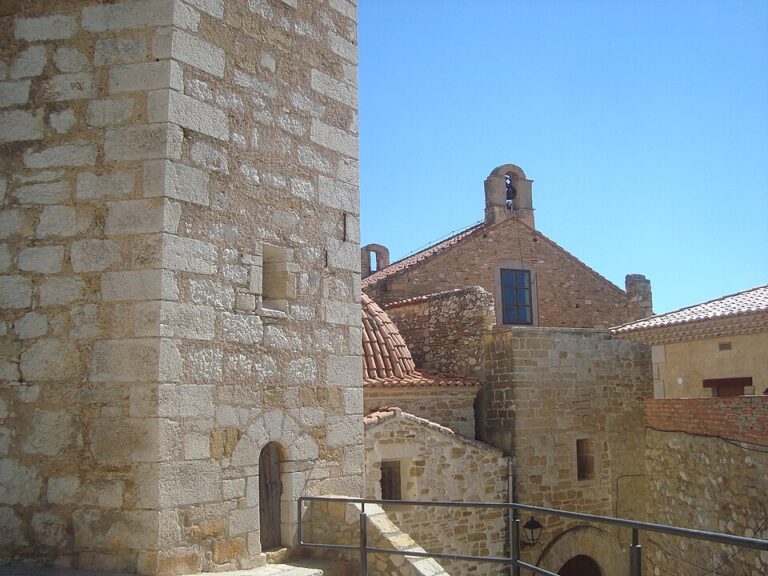
The town’s standout building is the Església arxiprestal. This church is the main architectural landmark recorded for the municipality and the reason most visitors come: it anchors the old town visually and historically. Allow time to view the exterior and the church’s role in town life; services and events may offer the only chance to see interiors if access is limited.
Ermita de la Mare de Déu dels Àngels — hermitage in the hills
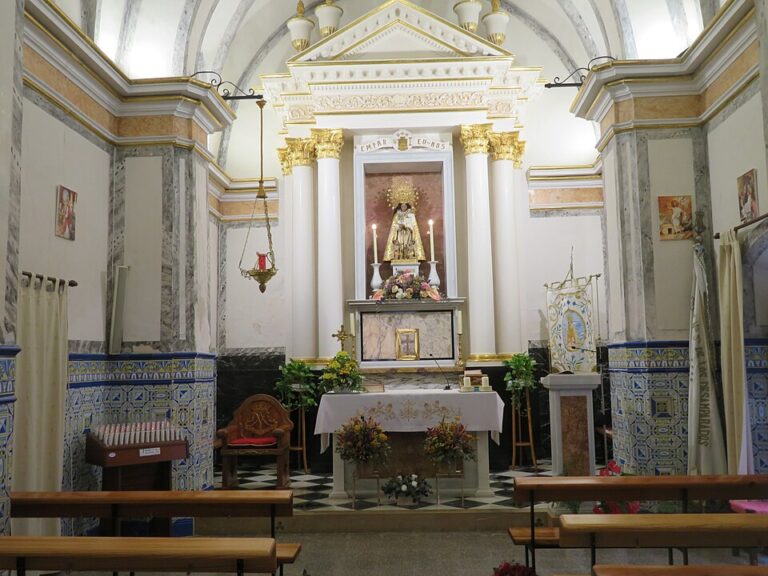
East of the town, in the Serra de la Vall d’Àngel mountain range, lies the Ermita de la Mare de Déu dels Àngels. This hermitage provides a straightforward rural outing for visitors who want a short nature escape without travelling to the coast. The hermitage’s hill setting gives a different perspective on the local landscape compared with the town’s compact streets.
Local connections and cultural notes
Sant Mateu is the birthplace of Sergio Aragonés, the Spanish/Mexican cartoonist and writer. That connection provides a cultural anchor for visitors interested in comics and contemporary cultural history — it’s a good conversation-starter in town and a reason to look for local references in municipal displays, shops or guided-walking anecdotes.
Visitor tip
Expect short walking distances and a slow pace. There are no claims of large museum complexes or guided-tour infrastructures in our sources, so allow visits to be relaxed, flexible and largely self-led.
Sant Mateu with kids
The town’s compactness works in families’ favour: short walks, safe-feeling streets and a clear primary sight (the Església arxiprestal) mean a half-day visit is easily managed with children. The hermitage to the east provides an outdoor option for older kids who enjoy short hikes — terrain and safety depend on seasonal conditions, so treat that outing as light countryside walking rather than a full hike.
There are no verified listings of theme parks, large playgrounds, or family-centred attraction complexes in the source material, so plan on low-key family time: snacks, a relaxed plaza break and a short countryside walk.
How to get to Sant Mateu and get around
Because the town functions as a small municipal centre rather than a transport hub, most visitors arrive by car or by regional road connections from nearby coastal towns. The town’s layout supports walking for day visitors; most points of interest are clustered close together. If you are planning multiple short trips into the surrounding countryside or to neighbouring towns, having a car will maximise flexibility.
Where to stay
Accommodation options specifically documented in our sources are not listed. For visitors staying overnight, the practical approach is to use the town as a quiet base for exploring the Baix Maestrat area. If you prefer seaside hotels, consider basing yourself on the nearby coast and making Sant Mateu a day trip; if you want a more rural, slow-paced stay, look for small-town guesthouses or rural properties serving as local lodging.
Best time to visit Sant Mateu
There are no detailed climate or festival listings in the material we used, but the town’s inland position and elevation (325 m) mean visits outside the hottest midsummer months are often more comfortable if you intend walking and hill outings. Summers on the Valencian inland and nearby coastal area can be warm; plan your itinerary accordingly and seek local timing details for any religious festivals or events that might affect access to church services or hermitage visits.
History of Sant Mateu
Sant Mateu is a town and municipality in the province of Castellón, in eastern Spain, within the autonomous community of Valencia and the comarca of Baix Maestrat. The town’s historical identity is anchored in its main religious building — the Església arxiprestal — and the presence of the hermitage in the Serra de la Vall d’Àngel, both of which reflect the area’s long-standing ecclesiastical and rural traditions. The town has produced at least one internationally known cultural figure: cartoonist and writer Sergio Aragonés was born here, linking local history with wider cultural currents.
Practical info
- Timezone: the area observes Central European Time and Central European Summer Time during daylight saving periods.
- Judicial district: the municipality belongs to the judicial district of Vinaròs — relevant if you need administrative or legal services that reach outside the town.
- Coordinates: the town is located at 40°27′54″N 0°10′49″E, useful for GPS or map tools when planning rural excursions.
- Population density & area: the municipality covers 64.6 km² with a population density listed at 31.3 people per square kilometre — expect broad stretches of countryside around a small urban core.
Worth it for: short visits by travellers who appreciate compact historic towns, religious architecture and rural hill walks; people tracing regional cultural links (for example, the birthplace of a notable cartoonist). Less so if: you want beach resort amenities, lively nightlife or big museums — there’s no evidence of those facilities in the sources used for this guide.
How we assess this guide
This guide synthesises verified municipal and cultural data: location coordinates, administrative ties, population and key sites recorded in official or established references. We cross-checked place names, the principal church and the hermitage’s location against authoritative local data. We flag closures and material changes where known; this article relies on secondary verified claims rather than first-hand field reporting.
Frequently asked questions
How far is Sant Mateu from the coast?
The sources confirm the town is inland in Castellón province but do not provide a precise distance to the nearest beach. Use the town’s coordinates (40°27′54″N 0°10′49″E) in a mapping tool to measure distances to coastal destinations you plan to visit.
What is the main attraction in the town?
The Església arxiprestal is identified as the town’s principal church and main architectural landmark in the verified material; it is the primary reason many visitors come.
Is there a well-known hermitage nearby?
Yes — the Ermita de la Mare de Déu dels Àngels is located to the east of the town in the Serra de la Vall d’Àngel mountain range and offers a countryside outing option.
Which language should I expect to hear?
The official language is Valencian. You will likely hear Valencian locally; Spanish is also commonly spoken in the wider region, but the official designation recorded for the municipality is Valencian.
What is the town’s postal code for booking or deliveries?
The postal code recorded for the town is 12170. Use that for bookings, deliveries or address searches.
Is Sant Mateu expensive to visit?
There are no specific cost-of-living or price-level figures in our sources. Expect typical small-town prices relative to nearby coastal resorts: local services and purchases in rural municipalities are often priced differently than in tourist-centric seaside towns. For accurate budgeting, consult current local listings for accommodation and dining.
How many days should I plan for?
A single half-day to one full day is sufficient to see the town’s main church, stroll the streets and visit the hermitage if you include a short countryside trip. Extend your stay if you want to use the town as a base for day trips in the Baix Maestrat area.
Is Sant Mateu suitable for families with children?
Yes, for low-key family visits. The town’s compact size makes it manageable with children and the nearby hermitage provides a short outdoor excursion for families that enjoy easy countryside walks.
Can you get around without a car?
The sources don’t list public-transport timetables or services. Expect that walking covers the town centre well, but a car will increase flexibility for visiting the surrounding landscape and nearby towns.
Is parking available in the town?
There are no verified parking maps or official parking facilities listed in the source material. In small towns like this, on-street parking and small municipal lots are commonly used; check local signage upon arrival and consider contacting local tourist information for specifics.
What is the best time of year to visit?
While we don’t have climate tables in the source set, the town’s 325 m elevation and inland position suggest that spring and autumn offer comfortable walking weather for sightseeing. If you plan to visit in summer, be prepared for warmer conditions commonly experienced in eastern Spain.
Are there festivals or special events worth timing a visit for?
Festival details or dates are not included in the verified claims used here. Small towns often hold annual religious and civic festivals; if a festival is important to your visit, check the municipality’s official channels for current event calendars.
Who is a famous person from the town?
Sergio Aragonés, a Spanish/Mexican cartoonist and writer, was born in the town. That fact often interests visitors familiar with his work.
Which administrative district does the town belong to?
The municipality belongs to the judicial district of Vinaròs and is part of the comarca of Baix Maestrat within Castellón province, in the autonomous community of Valencia.
Are there museums or large cultural centres?
There are no verified listings of museums or large cultural centres in the supplied sources. The town’s principal documented cultural assets are its main church and the nearby hermitage.
Plan the wider trip
Nearby on the Costa del Azahar
Sant Mateu on the map
Places worth knowing near Sant Mateu
This place is part of our Costa del Azahar Guide: Peñíscola, Orange Country and Morella — see every town, beach and cove we have mapped on that coast.
How this page is maintained. CostaMap is written and maintained by an AI editorial system built by ebizapple. Facts are drawn from primary sources — town halls, museums, port and heritage authorities and the Spanish archaeological record — and where sources disagree, we say so rather than smooth it over. Photographs marked as ours are taken on location. This page was last reviewed on 14 August 2026. Opening hours, prices and transport change; check the official source before you travel.