
Expect a working Mediterranean town where oranges and the sea shape daily life more than glossy tourism brochures. There are wide, accessible sands and a compact old quarter with layers of history, but this is as much a port and agricultural centre as a beach resort. Plan for lively summer crowds if you visit in peak months, and for local culture — rice, citrus and seafaring traditions — rather than luxury beachfront facilities year‑round.
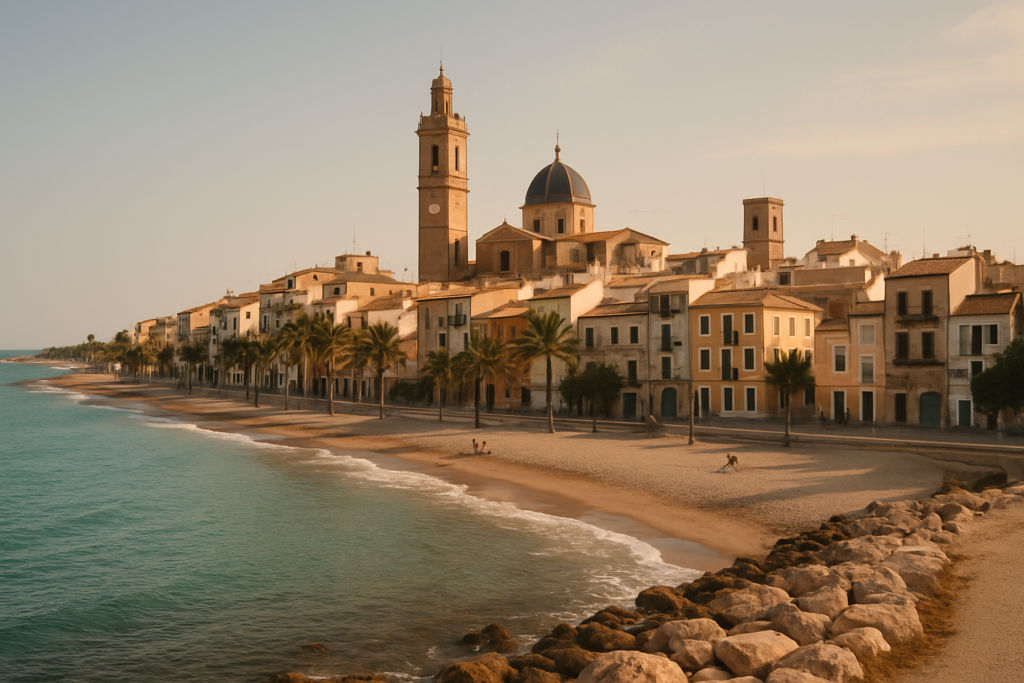
Burriana at a glance
- Coastal town on the Costa del Azahar with roughly 15 km of coastline and a main beach, El Arenal, of about 2 km that holds a Blue Flag.
- Well connected by road: the CV‑18 runs through the area; the AP‑7 motorway is nearby; Castellón airport serves regional flights.
- Economy traditionally built on citrus orchards, the port and nearby ceramics/tile industry from Castellón’s tile district.
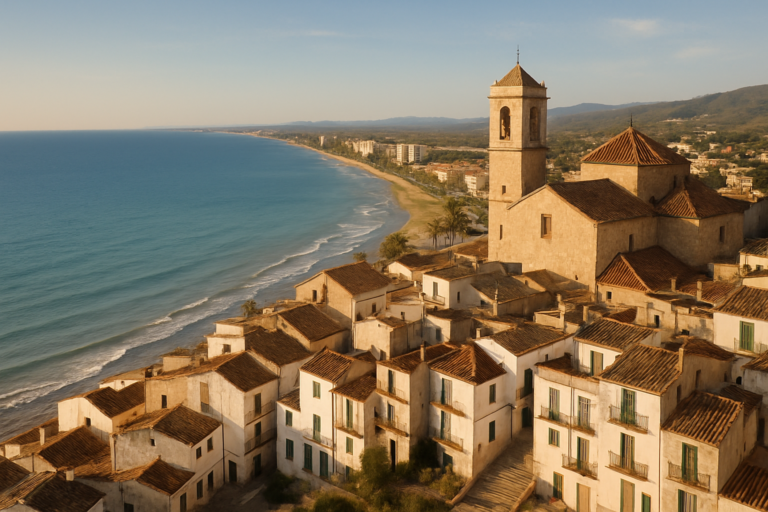
- Compact historic centre with a 13th‑century church (El Salvador) and remains of medieval walls; a 16th‑century Sea Tower marks the coastline.
- Seasonal events: Falles (Fallas) in March and the Arenal Sound music festival in summer — the latter brings large numbers of young visitors.
- Natural interest: the Clot de la Mare de Déu wetland is a protected coastal marsh important for birdlife.
- Food reflects the farmland‑meets‑sea setting: rice dishes and citrus flavours are local hallmarks.
Things to do in the town
There’s a clear split between beach life and inland heritage here. The priorities for visitors are sun, sea and seafood at the shore; a compact historic core with a Gothic church and medieval traces; and a handful of locally focused museums and natural spots. Cultural calendars and festivals punctuate the year, so match your trip to whether you want quiet streets or the energy of a large summer crowd.
| Attraction | What it is | Price/entry | Best for |
|---|---|---|---|
| El Arenal | Main wide sandy Blue Flag beach with promenade and seasonal beach bars | — | Sunbathing, swimming, easy access |
| Port de Borriana | Marina with moorings, seafood restaurants and nautical activities beside the beach | — | Eating out, boating, evening strolls |
| Museu de la Taronja | Local museum documenting the citrus‑growing and export history | — | Local history and agriculture enthusiasts |
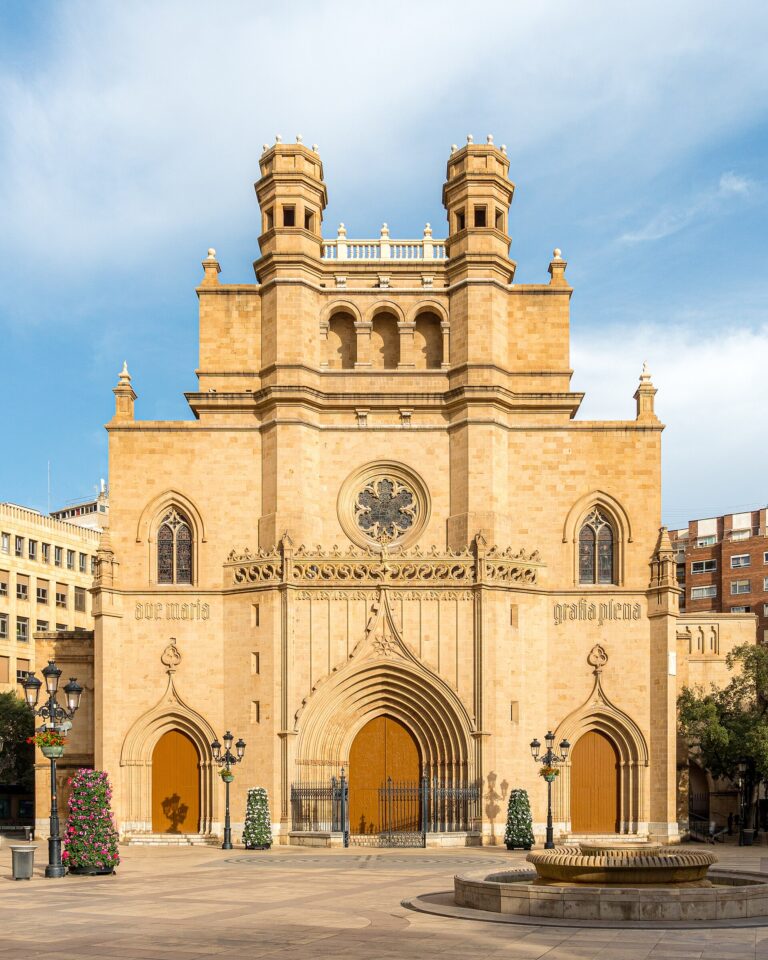
| Concatedral / Church of El Salvador | Early Gothic church with a notable octagonal bell tower | — | Architecture and history |
| Sea Tower | 16th‑century coastal tower | — | Historical interest; coastal views |
| Clot de la Mare de Déu | Protected coastal wetland important for birdlife | — | Birdwatching, nature walks |
| Arenal Sound | Large summer music festival held on the beach | — | Festivalgoers, young crowds |
El Arenal and the promenade
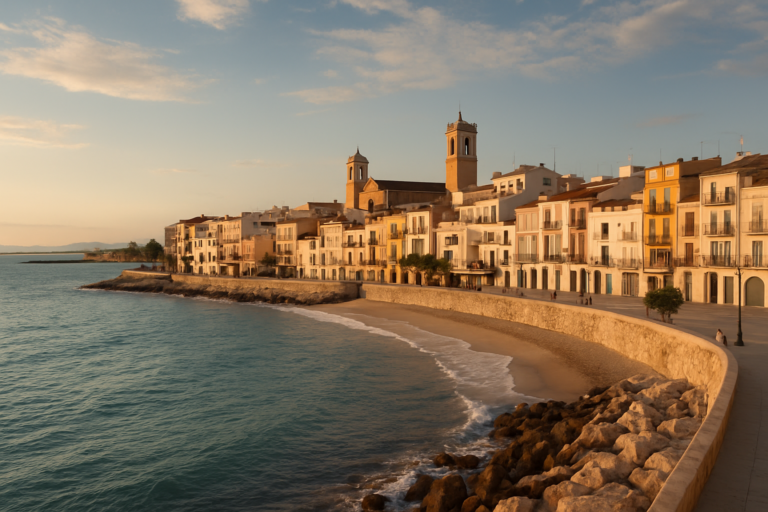
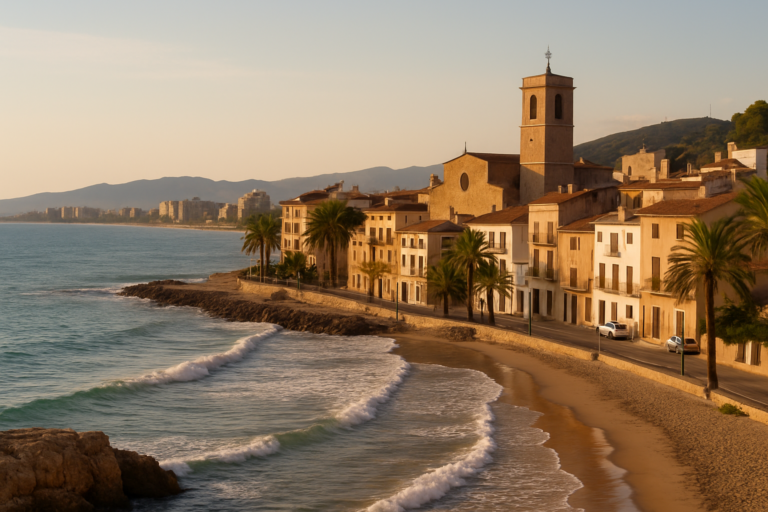
El Arenal is the town’s principal beach: a broad, sandy stretch of roughly 2 km with a promenade running alongside the marina. It has Blue Flag status and seasonal beach bars, making it the obvious base for sun and evening walks. The marina sits adjacent to the beach and anchors a mix of restaurants focused on seafood — an easy option for meals after a day on the sand.
Historic core: church, walls and the Sea Tower
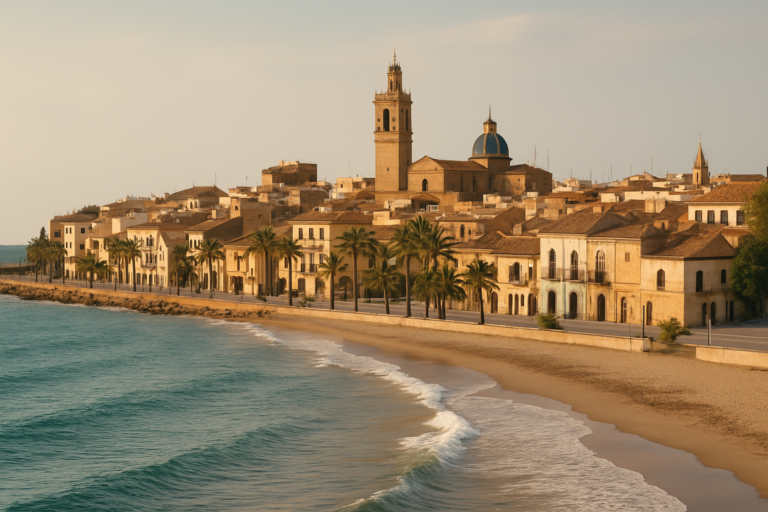
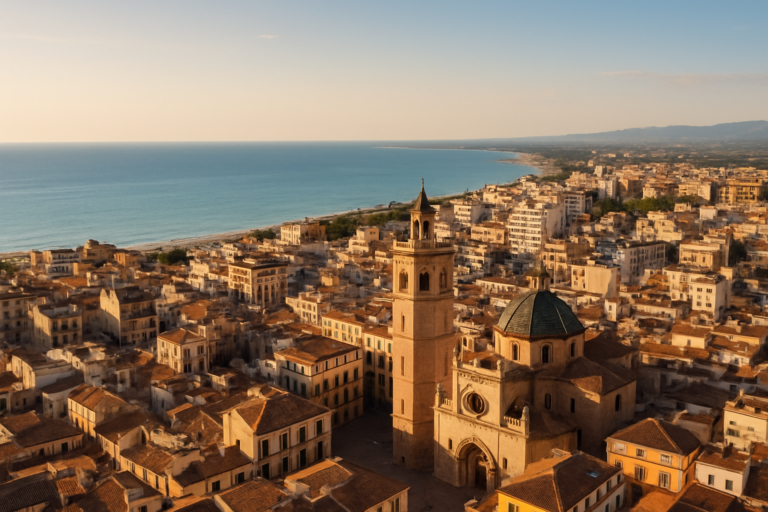
The old quarter packs a surprising amount into a compact area. The Church of El Salvador (the concatedral) has an early Gothic nucleus dating to the 13th century and an octagonal bell tower that punctuates the skyline. Close by are fragments of the medieval walls and narrow streets that make the historic fabric easy to walk and explore in an hour or two. Sitting on the seafront, the Sea Tower dates from the 16th century and is a visible reminder of the town’s coastal defences and maritime past.
Museums, orange history and the wetlands
The Museu de la Taronja (Orange Museum) is the most focused local cultural attraction, explaining how citrus cultivation and exports powered the town’s expansion. For a quieter, nature‑minded stop, the Clot de la Mare de Déu is a protected wetland near the town that supports birdlife and gives a very different coastal experience to the main beach.
Best beaches in the area
Coastline here offers everything from long sandy promenades to quieter natural stretches. The busiest facilities cluster around the main 2 km Blue Flag sand of El Arenal; beyond that there are kilometres of coastline to explore.
| Beach | Character | Facilities / Blue Flag |
|---|---|---|
| El Arenal | Wide, sandy main beach with a promenade and marina frontage | Blue Flag; seasonal beach bars and promenade amenities |
| Coastal fringe north/south of the town | Several kilometres of coastline with quieter spots away from the marina | More limited facilities; natural stretches |
Burriana with kids
Families gravitate towards the long shallow stretches of El Arenal and the easy promenade walks. The marina area provides straightforward dining and short boat trips or nautical activities that older children enjoy. The Museu de la Taronja offers a culturally educational stop that connects the region’s agriculture to local life, which can be a nice contrast to beach time.
How to get to the resort and get around
Road access is the dominant way to reach the town. Regional routes link it to nearby urban centres and the airport; once here, the compact town and close beach mean much can be done on foot. Roads are the practical backbone for exploring the surrounding citrus plains and coastal stretches.
| From | By | Approx time |
|---|---|---|
| Castellón airport | Road via the AP‑7/CV‑18 | — |
| Castelló de la Plana | CV‑18 or N‑340 road routes | — |
Where to stay
Accommodation choices concentrate between the beachfront and the old town. The promenade and marina suit visitors prioritising beach access, restaurants and nightlife during the summer festival season. The old town is better for quieter evenings and shorter walks to heritage sites. If you want countryside views, the agricultural plain around the town — orange groves watered by the Millars River — gives a rural alternative while still being close to the seaside.
Best time to visit Burriana
Timing depends on whether you want beach crowds or local cultural life. Peak summer hosts the largest population influx and festivals, while spring and early autumn offer milder weather and fewer visitors. March brings the Valencian Falles if you’re interested in local traditions.
| Season | Months | What to expect |
|---|---|---|
| Spring | March (and surrounding months) | Falles celebrations in March; citrus blossoms and local events |
| Summer | June–August (summer months) | Peak beach season and the Arenal Sound festival; seaside population can triple |
| Autumn & Winter | September–February | Quieter streets, off‑peak beach time and more local rhythm |
History of the area
The town’s story is tightly linked to agriculture and the sea. After the Christian reconquest in 1233 a Jewish community lived here, and the historic nucleus includes a 13th‑century church, El Salvador, with early Gothic elements. Defensive coastal works such as the 16th‑century Sea Tower mark later strategic concerns. The boom in citrus cultivation and exports transformed the town economically, a history preserved and interpreted in the local orange museum. Literary visitors may recognise Burriana from James A. Michener, who described the place in his book Iberia and left the town with memorials dedicated to him.
Practical info
- Getting here: Road access is straightforward — the CV‑18 serves the town while the AP‑7 motorway lies nearby; Castellón airport provides regional connections.
- Distance to beach: The seaside is about 1.5 km from the town centre, making the shore an easy walk or a short drive from most central accommodation.
- Local economy and food: Citrus orchards, the port and tiles/ceramics from nearby Castellón shape the town’s working life; rice and citrus feature strongly in regional cuisine.
- Coastline extent: There are roughly 15 km of coastline in the municipality, giving options beyond the central beach.
- Population context: The town’s permanent population exceeds 35,000 but rises substantially during summer months as vacationers arrive.
- Accessibility: The compact historic centre and close proximity of beach and marina mean many visits are highly walkable once you arrive by road.
Worth it for: beachgoers who want long sandy shores with easy facilities; people curious about citrus agriculture and maritime life; festival visitors aiming for the Arenal Sound or Falles. Less so if: you expect a boutique luxury resort experience year‑round or a remote, untouched coastline — the town mixes working port, agriculture and tourism and gets very busy in summer.
How we assess this guide
This guide is compiled from verified, cross‑checked sources about transport links, heritage sites, local economy, festivals and natural areas. We flag where crowds or changes in seasonal opening affect a visit. We do not claim original on‑the‑ground reporting here; instead we synthesise authoritative facts to set realistic expectations and help you plan.
Frequently asked questions
How do I get from Castellón airport to Burriana?
Castellón airport is the regional airport serving the area; the town is accessed by road using the AP‑7 and local connectors such as the CV‑18. Exact transport services and schedules vary and should be checked before travel.
Is Burriana expensive compared with other Spanish beach towns?
There are no specific price indices cited here, but the town’s mix of local economy — citrus, port and ceramics — and family‑oriented beaches typically means a range of options from everyday local restaurants at the marina to seasonal beach bars; it’s oriented toward accessible, practical tourism rather than ultra‑premium pricing.
Which beach is best for families?
El Arenal is the main family beach: a long, sandy Blue Flag beach with a promenade and easy beach‑side amenities, making it straightforward for children and parents.
How many days should I plan in Burriana?
A stay of two to three days suits a beach‑focused visit with time to walk the historic centre, visit the Museu de la Taronja and enjoy the marina. Longer stays work if you plan to explore more of the coast or attend festivals.
Is Burriana good for children?
Yes — the long, shallow sands of the principal beach, family‑friendly dining at the marina and compact old town make it well suited to visits with children.
Can I get around without a car?
Once you’re in town many places are walkable: the old quarter, the beach and the marina lie within short distances. For exploring the broader coastline or nearby inland areas a car makes reaching dispersed sites more practical.
Is parking easy near the beach?
The seaside lies about 1.5 km from the centre; many visitors reach the promenade and marina by short drives or on foot. Specific parking facilities and costs are not detailed here and are best checked locally when planning.
What are good rainy‑day options?
Indoor options include the Museu de la Taronja to learn about the citrus industry and visiting cafés and seafood restaurants in the marina and town. The historic church and narrow streets also provide sheltered exploring.
When are the Falles celebrated here?
Falles (or Fallas) are celebrated in March as part of the Valencian tradition of building and burning satirical monuments; Burriana takes part in these regional festivities.
When is the Arenal Sound festival held?
The Arenal Sound is a large summer music festival held on the beach and draws tens of thousands of visitors. The festival takes place during the summer season; exact dates vary by year.
Which museums or cultural sites should I not miss?
The Museu de la Taronja is the principal museum focused on the citrus history that shaped the town. Architecturally, the Church of El Salvador with its early Gothic core and octagonal bell tower, plus the visible Sea Tower from the 16th century, are noteworthy.
Are there natural areas or birdwatching spots nearby?
Yes — the Clot de la Mare de Déu is a protected coastal wetland near the town important for birdlife and offers a contrast to the urban beaches.
Is Burriana mentioned in literature?
Yes — the town appears in James A. Michener’s book Iberia, and there are memorials in the town dedicated to him.
How crowded does the town get in summer?
In summer the seaside population can triple due to vacationers, turning the town into a much busier seasonal destination particularly around the main beach and festival periods.
Can I see orange groves close to the town?
The town is surrounded by orange tree fields watered by the Millars River, reflecting its historic role in citrus cultivation — visible and influential across the surrounding landscape.
Plan the wider trip
Nearby on the Costa del Azahar
Burriana Castellon on the map
Places worth knowing near Burriana Castellon
How this page is maintained. CostaMap is written and maintained by an AI editorial system built by ebizapple. Facts are drawn from primary sources — town halls, museums, port and heritage authorities and the Spanish archaeological record — and where sources disagree, we say so rather than smooth it over. Photographs marked as ours are taken on location. This page was last reviewed on 9 September 2026. Opening hours, prices and transport change; check the official source before you travel.