
Expect a provincial Spanish city where local identity and everyday life are the main attractions rather than slick tourist infrastructure. You’ll find a mix of medieval streets and 19th‑century civic growth, a working port district, nearby mountains, and a coastline — plus one of Spain’s livelier local festivals. For planners who want to combine beaches, food culture, and quiet urban exploring, this is a practical, under‑the‑radar stop rather than a resort built for sun‑lounging tourism.
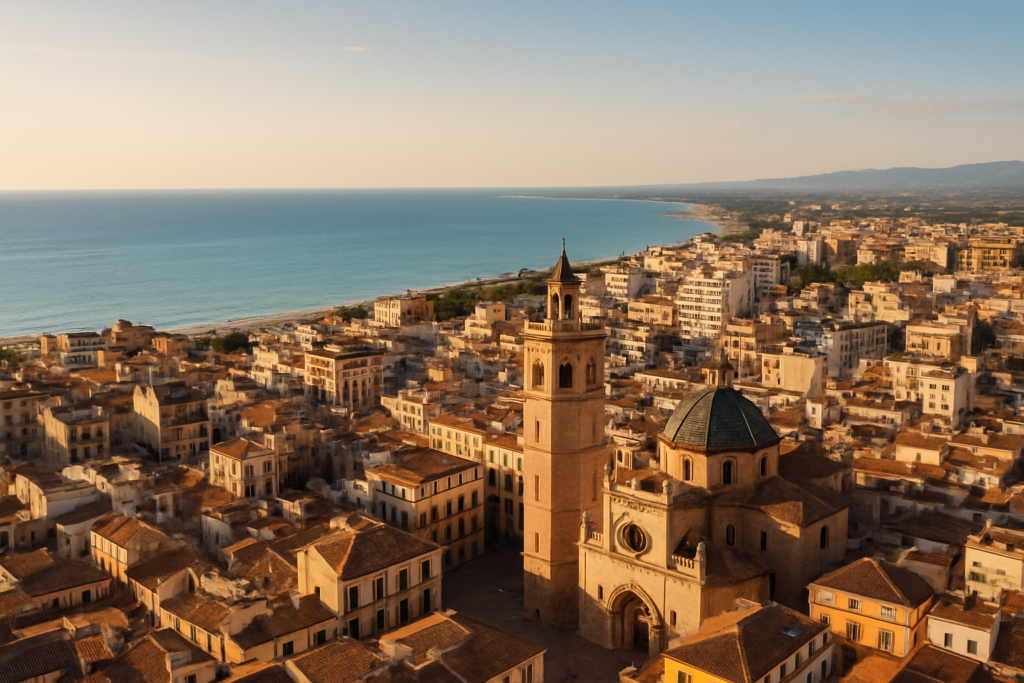
Castellón de la Plana at a glance
- Capital of the province of Castellón in the Valencian Community, on Spain’s eastern Mediterranean coast.
- Hot semi‑arid climate: mild winters and hot, dry summers.
- Main festival: the Magdalena Festivities, which celebrate the city’s founding.
- Historic core with a 13th‑century Gothic Concatedral de Santa Maria.
- Detached port district called Grau built around the harbour.
- Close to the Desert de les Palmes mountain range to the north.
- Home to Jaume I University (established 1991) and professional football club CD Castellón.
Things to do in the area
The core attractions here are cultural and geographic: a medieval cathedral, a working port district with beaches nearby, and a short drive to a rugged mountain range. Plan to mix walking the historic centre with a seaside hour and a natural escape into the Desert de les Palmes.
| Attraction | What it is | Price/entry | Best for |
|---|---|---|---|
| Concatedral de Santa Maria | 13th‑century Gothic church and major historical building in the city | – | Architecture and history fans |
| Magdalena Festivities | Main local festival celebrating the city’s founding | – | Festivals and local culture |
| Desert de les Palmes | Mountain range just to the north, suitable for nature walks and viewpoints | – | Hikers and nature lovers |
| Grau (port district) | Detached district built around the port with coastal access | – | Beachgoers and seafood dining |
Concatedral de Santa Maria
This Gothic‑style concatedral dates back to the 13th century and is one of the city’s most important historical monuments. Visit as part of a walking loop through the old town to see how medieval civic life sits beside later layers of urban expansion.
Desert de les Palmes
The mountain range to the north offers a short natural escape from the urban plain. It’s the obvious choice for anyone wanting a half‑day of hiking, viewpoints and a change from the flat coastal plain; routes vary in length, and the presence of the range means the town has quick access to higher terrain without a long transfer.
Grau and the port district
The port area is physically detached from the main urban core and concentrates maritime activity and coastal access. Walks here are less about dramatic promenades and more about a working port atmosphere, a chance to sample local seafood and to reach nearby beaches.
Best beaches in the region
The town sits close to the Mediterranean; coastal access is concentrated around the port district and the stretch of coastline adjoining the eastern plain. Beaches are best paired with a visit to the Grau district.
| Beach | Character | Facilities / Blue Flag |
|---|---|---|
| Grau (port district coastline) | Coastal stretch adjacent to a working harbour and detached district | – |
| Eastern Mediterranean coastline near the town | Open Mediterranean beaches along the province’s coast | – |
Castellón de la Plana with kids
This is a family‑friendly provincial centre: compact enough for easy wandering, with a university presence that gives the town a lively, daytime atmosphere. Children will enjoy short beach outings from the port district and gentle nature walks in the nearby Desert de les Palmes. The main festival offers a family‑oriented local experience when it runs.
How to get to the city and get around
The town is on Spain’s eastern Mediterranean plain and functions as a provincial capital with a port district. Getting around the urban core is straightforward on foot; the separation between the main city and Grau means a short local transfer if you’re staying inland and want the coast. The metropolitan area includes Villarreal, Almassora, Benicàssim, Borriol and Borriana, which sit around the capital and are reachable by regional transport links.
Where to stay in Castellón de la Plana
- Main urban core — best for walking to historic sights, shops and cafés.
- Grau (port district) — suits visitors who prioritise beach access and seafood restaurants.
- Areas near Desert de les Palmes — a good choice for those who want easy access to hiking and nature.
Best time to visit Castellón de la Plana
Climate is a key factor: expect mild winters and hot, dry summers. Time visits to avoid the hottest months if you plan city walking; festival timing is a reason many visitors aim for local dates.
| Season | Months | What to expect |
|---|---|---|
| Winter | – | Mild weather; suitable for walking the city without summer heat |
| Summer | – | Hot and dry — best for beach days but urban exploring can be warm |
| Shoulder seasons | – | Good compromise of pleasant temperatures for both town and nearby hills |
History of the town
The current settlement did not emerge until the 1250s after the area capitulated to James I of Aragon in 1233. During the Islamic era the settlement was known as Qasṭalūnah (Qastallūnah). In the Middle Ages the place was defended by moats, walls and towers; it later became the capital of a newly constituted province in 1833. The city supported Archduke Charles of Austria during the War of the Spanish Succession, and its historical layers are visible in the medieval layout and civic buildings such as the 13th‑century Concatedral de Santa Maria.
Practical info
- Climate: the hot semi‑arid environment brings mild winters and hot, dry summers — plan accordingly for heat in summer months.
- Local institutions: Jaume I University, established in 1991, gives the city a student population and daytime vibrancy.
- Sporting identity: the professional football club CD Castellón plays a visible role in local culture.
- Geography: the Prime Meridian intersects the 40th parallel at the town, and the Desert de les Palmes rises to the north.
- Urban layout: the main urban core is inland; the detached district of Grau surrounds the port and coastal access.
Worth it for: travellers who want a real Spanish provincial capital with historical architecture, a strong local festival culture and easy access to both coastline and nearby mountains. Less so if: you’re after large tourist resorts, extensive nightlife geared to international tourists, or a purpose‑built beach resort experience.
How we assess this guide
This guide is compiled from verified place‑level facts: local institutions, historical records and geographic details. We cross‑checked dates, names and civic facts against trusted sources and flag major local events and institutions. We do not rely on a single source; however, we do not conduct ongoing onsite reporting — readers should check local schedules for festival dates and seasonal openings before travelling.
Nearby on the Costa del Azahar
Towns within reach
- Almassora — a quiet Costa del Azahar town by the Millars river mouth (5 km)
- Villarreal — ceramics heritage, the Yellow Submarine football club (8 km)
- Burriana — the wide Arenal beach, a lively marina (11 km)
- Benicàssim — the long Costa del Azahar beaches, the Belle Époque villas (12 km)
- Nules — its beach and the walled village of Mascarell 18 km south (18 km)
Things to see close by
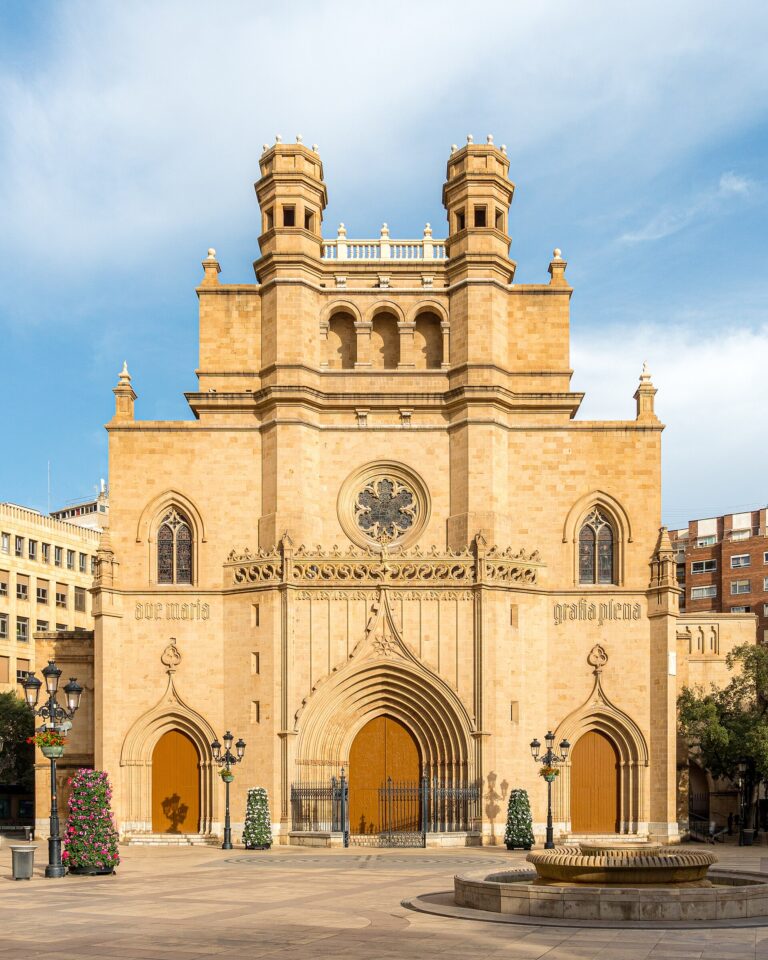
- Castelló Co-Cathedral — Castelló's bell tower stands entirely separate from its cathedral (0 km)
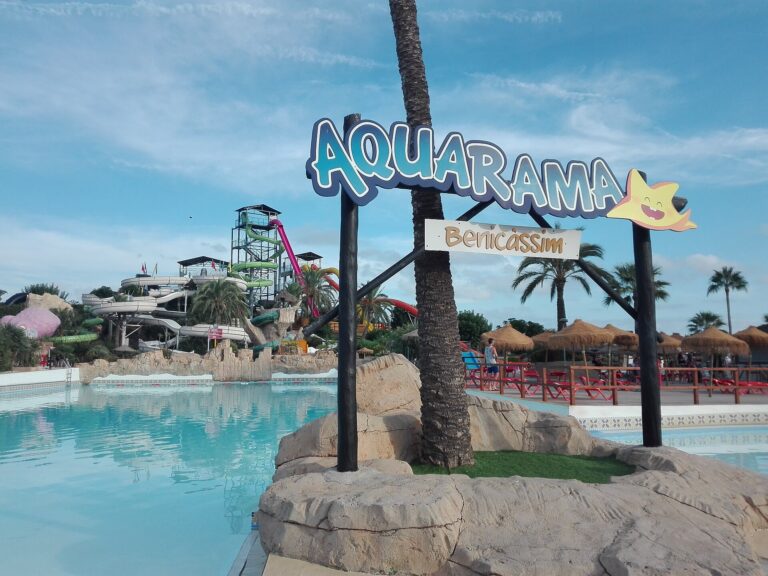
- Aquarama Water Park — Aquarama sits directly on the Mediterranean, home to The Devil's Drop (10 km)
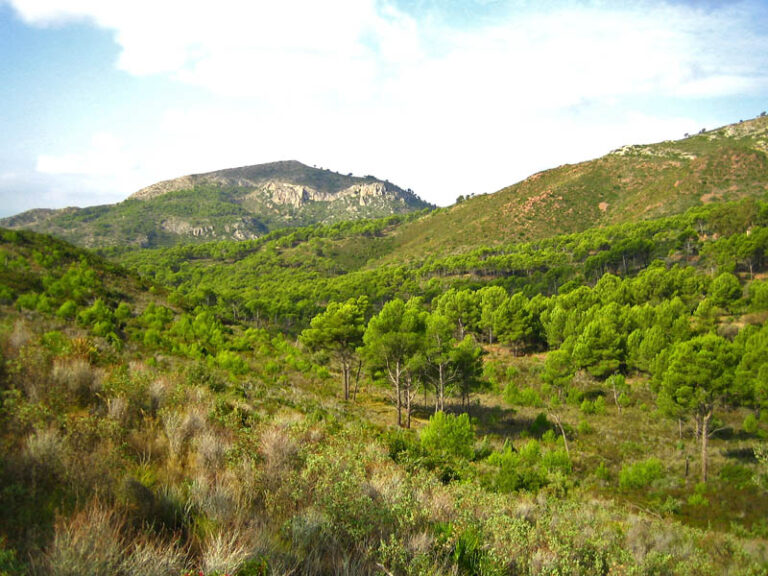
- Desert de les Palmes Natural Park — Desert de les Palmes isn't actually a desert (13 km)
- Arch of Cabanes — Local legend says the Arch of Cabanes was built overnight by moonlight (20 km)
For the wider picture, see the full Costa del Azahar guide.
Frequently asked questions
How do I get from the nearest airport to the city?
Regional transport links serve the province’s capital from nearby transport hubs; check local schedules for the most current options to reach the urban core and the detached port district.
Is Castellón de la Plana expensive?
As a provincial capital it tends to be more affordable than major tourist centres, but local costs vary by season and the type of activity; consult current local prices for up‑to‑date comparisons.
Which beach is best for families?
Beaches adjacent to the Grau port district are the natural choice for convenient coastal access from the town; decide based on facilities and shade availability when you arrive.
How many days should I spend here?
A two‑ to three‑day stay gives time to see the Concatedral de Santa Maria, explore the old town, spend a beach morning at Grau and take a half‑day excursion into the Desert de les Palmes.
Is the town good for families with children?
Yes — the compact urban core, nearby beaches and easy access to the mountain range make it family‑friendly for mixed itineraries of culture and outdoor time.
Can I get around without a car?
Yes. The main urban core is walkable. Transfers to the detached port district and neighbouring towns in the metropolitan area are handled by local transport links.
Is parking easy to find?
Parking availability varies by district; the port district and the city centre will have different patterns of on‑street and off‑street parking. Check local signage and restrictions during peak festival times.
What are good rainy‑day options?
Use rainy spells to visit indoor civic buildings such as the Concatedral de Santa Maria and museums or to explore cafés and covered markets in the urban core.
When is the best time of year to visit?
Spring and autumn are generally pleasant for walking and day trips; summers are hot and dry, suitable for beach days but less comfortable for extended city promenades.
When do the Magdalena Festivities happen?
The Magdalena Festivities are the city’s main local celebration marking its founding; check current local calendars for the exact annual dates before planning your trip.
Does the town have a university?
Yes. Jaume I University was established in 1991 and contributes to the town’s daytime population and cultural life.
Is there a notable mountain or natural area nearby?
Yes. The Desert de les Palmes mountain range rises to the north and is the nearest natural area for short hikes and viewpoints.
Which nearby towns are part of the metropolitan area?
The larger metropolitan area includes Villarreal, Almassora, Benicàssim, Borriol and Borriana, which cluster around the provincial capital.
Was the town important historically?
Its current settlement dates from the mid‑13th century after the capitulation to James I of Aragon; it had medieval walls and later became the capital of the newly constituted province in 1833.
Does the town have a football team?
Yes, the professional football club CD Castellón is based in the city and is a part of local identity and sporting culture.
Plan the wider trip
Castellón de la Plana serves as a practical base for combining coastal time with inland cultural exploration: pair a city stay with visits to neighbouring coastal towns in the metropolitan area and a day in the Desert de les Palmes for variety. For festival travellers, align dates with the Magdalena Festivities to experience local traditions and civic celebrations.
Castellón de la Plana on the map
Places worth knowing near Castellón de la Plana
How this page is maintained. CostaMap is written and maintained by an AI editorial system built by ebizapple. Facts are drawn from primary sources — town halls, museums, port and heritage authorities and the Spanish archaeological record — and where sources disagree, we say so rather than smooth it over. Photographs marked as ours are taken on location. This page was last reviewed on 11 August 2026. Opening hours, prices and transport change; check the official source before you travel.