
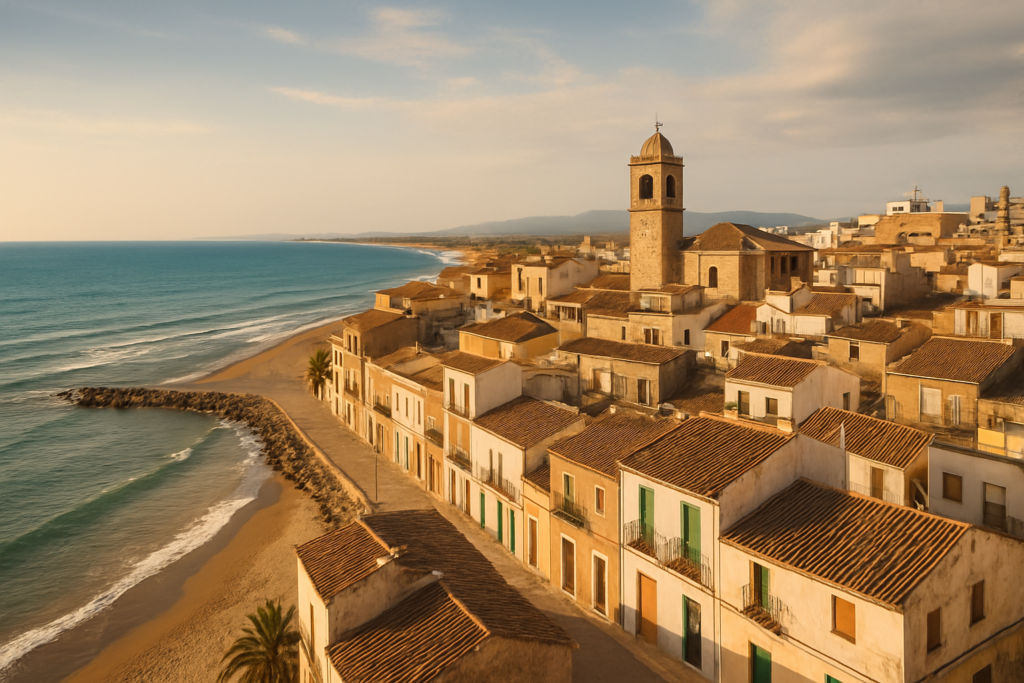
Expect a sensible, small-scale seaside town rather than a glossy resort: Canet d’en Berenguer is a working Mediterranean coastal community whose main draw is a long Blue Flag beach, a relaxed seafront promenade with straightforward restaurants, and easy access to nearby heritage sites. It isn’t a theme-park holiday destination, but if you want sandy swimming, family-friendly water and short trips to classical ruins, it delivers exactly what it promises.
Canet d’en Berenguer at a glance
- Wide Blue Flag beach (Raco de Mar) with fine golden sand, lifeguards, showers and accessible walkways in summer.
- About 30 km north of Valencia city; reachable by road (V-23) and by rail to nearby Sagunt via Cercanías.
- Small residential and holiday town whose population rises sharply in summer due to second homes and beach visitors.
- Seafront promenade lined with restaurants and seasonal chiringuitos serving Valencian rice dishes and fresh seafood.
- Popular with families and windsurfers—calm waters most days but with easterly and northeasterly winds at times.
- Small marina and nautical facilities; lies on the same coastal stretch as the port of Sagunt.
- Sits on the Mediterranean coast, with the Palancia river forming its southern border.
Things to do in Canet d’en Berenguer
The draw here is simple: beach time, fresh seafood on the promenade and short cultural side trips. The town itself is compact, so most days combine time on Raco de Mar with a stroll along the seafront, an evening rice dish at a chiringuito and — if you want a break from sand and sea — a half-day excursion to nearby Sagunto for Roman ruins and a hilltop castle.
| Attraction | What it is | Price/entry | Best for |
|---|---|---|---|
| Raco de Mar beach | Wide sandy Blue Flag beach with promenade | — | Families, swimmers, windsurfers |
| Seafront promenade and chiringuitos | Restaurants serving Valencian rice and seafood | — | Food-focused evenings, casual dining |
| Sagunto — Roman theatre & castle | Ancient Roman theatre and hilltop castle (short drive) | — | History and half-day cultural visit |
| Marina and nautical facilities | Small harbour for local boating and watersports | — | Boating, nautical services |
Raco de Mar — the beach that defines the town
Raco de Mar is the main reason visitors come. The sand is fine and golden, the water shallow near the shore, and in beach season lifeguards, showers and accessible walkways are in place. A modern promenade runs behind the sand, and its combination of facilities and safe bathing conditions makes this beach popular with families. Winds from the east and northeast can pick up on some days, which attracts windsurfers to sections of the open coastline.
Seafront dining and the promenade
The seafront promenade is a working, seasonal strip rather than a polished boulevard. Restaurants and seasonal chiringuitos line the walk, and they focus on straightforward Valencian cuisine: rice dishes and fresh seafood figure prominently across menus. The atmosphere is relaxed; eating out here tends to be uncomplicated and geared to the summer crowd that fills second homes and holiday rentals.
Half-day cultural trip: Sagunto
One of the easiest and most rewarding escapes is the short run south to Sagunto. It’s a practical half-day option: the Roman theatre and the hilltop castle are both readily visitable from the coast and add a solid dose of history to an otherwise beach-focused holiday. The proximity of these ruins means you can split a day between archaeology and sea without long transfers.
Best beaches in the area
There’s one beach that dominates the experience here: Raco de Mar. It covers most use-cases for sun-and-sea visitors, from family swimming to a little windsurfing when the breeze picks up. The coastline is open and unpretentious — expect a working Mediterranean beach rather than a manicured resort bay.
| Beach | Character | Facilities / Blue Flag |
|---|---|---|
| Raco de Mar | Wide, sandy, gentle shallow water | Full summer services: lifeguards, showers, accessible walkways; Blue Flag |
Canet d’en Berenguer with kids
Families will find the town easy to manage. The main beach’s shallow water and fine sand are naturally suitable for children, and summer safety measures (lifeguards, showers and accessible walkways) make the coast a reliable base for a family break. Meal times and evening promenades are low-key and family-friendly; the seafront restaurants cater to casual dining and child-friendly plates centered on seafood and rice.
How to get to the town and get around
Access is straightforward by road or rail. The town sits directly north of Sagunto on the Costa de Valencia and is about 30 km north of Valencia city. The V-23 provides the principal road link for drivers. Rail access is practical via Cercanías services to Sagunt, from where a short taxi or local connection brings you to the beachfront community.
| From | By | Approx time |
|---|---|---|
| Valencia city | Car (V-23) or rail to Sagunt + local transfer | About 30 km north (road/rail connection) |
| Sagunt | Short drive or local transfer | Short |
Once in town, distances are small and most visitors walk between the seafront, beaches and marina. A car is useful if you plan to explore inland or make multiple day trips, but it isn’t essential for a beach-centered stay.
Where to stay
Accommodation clusters here are modest and fall into a few practical choices rather than distinct luxury enclaves.
- Seafront and promenade — best for beach access and evening dining; suits families and anyone prioritising convenience.
- Near the marina — convenient for nautical visitors and those using local boat services; suits people who want direct access to small-boat facilities.
- Residential areas inland — quieter, often with second homes and holiday apartments; suits longer stays and visitors looking for self-catering options.
Best time to visit
The area has a Mediterranean climate, so the sensible approach is a summer-focused visit for guaranteed beach weather. Shoulder seasons can still be pleasant for quieter stays, while the mild climate keeps the town usable for much of the year.
| Season | Months | What to expect |
|---|---|---|
| Summer | June–August | Beach season in full swing; lifeguards and summer services available; busiest time with second-home population up. |
| Shoulder seasons | Spring / Autumn | Milder weather and fewer crowds; outdoor dining still possible though some seasonal chiringuitos may be closed outside high season. |
| Winter | December–February | Quiet, many seasonal services reduced; the town becomes mostly residential rather than holiday-focused. |
History of the area
The municipality’s name reflects layers of local history. The “Canet” element derives from the Latin canetum, meaning reed bed — a hint at the landscape that once characterised the coast. The “Berenguer” suffix honours the lord Francisco Berenguer, while the town was formerly known as Canet de Murviedro. These name elements point to the area’s medieval connections and its shifts through earlier historical periods; the coast’s proximity to Sagunto also links it to a longer classical and Roman heritage visible a short distance away.
Practical info
- Parking: The town is small and on-street or local parking options are typical of coastal municipalities. Expect easier parking away from the promenade and busier conditions in summer.
- Accessibility: Raco de Mar includes accessible walkways in summer; public beach services in the season typically include features aimed at accessibility.
- Connectivity: The closest major rail access is via Cercanías to Sagunt; road access uses the V-23 for connections from Valencia and the regional network along the Costa de Valencia.
- Watersports and marina services: There is a small marina and nautical facilities for local boating and watersports activity.
- Climate and wind: Mediterranean climate with winds primarily from the east and northeast that can influence sea conditions and create opportunities for windsurfing on breezy days.
Worth it for: families seeking a safe sandy beach with practical services; travellers who want a relaxed seaside base with good-value eating and easy half-day trips to Roman ruins in nearby Sagunto. Less so if: you need a lively nightlife scene, luxury resort amenities or an extensive programme of organised excursions — the town is low-key and seasonal rather than a full-service resort.
How we assess this guide
This guide compiles verified, cross-checked information about local beaches, transport links and nearby attractions. We flag seasonal services and reliance on summer facilities; no closed venues are presented as open. The content synthesises official beach designations, transport corridors and nearby heritage sites to provide practical planning advice rather than subjective hype. This is not based on single-person field reporting; it’s a consolidation of authoritative data points to set expectations accurately.
Nearby on the Costa Valenciana
Towns near Canet de Berenguer
- Sagunto — 5 km west, What Sagunto is really like
- Puçol — 10 km south-west, Mediterranean sand at El Puig, the Sierra Calderona behind
- El Puig de Santa Maria — 12 km south-west, What El Puig de Santa Maria is really like
- Uixó — 16 km north, home to the Coves de Sant Josep
- Foios — 20 km south-west, a Valencian huerta town just north of the city
- Nules — 20 km north, its beach and the walled village of Mascarell
Places to visit within reach
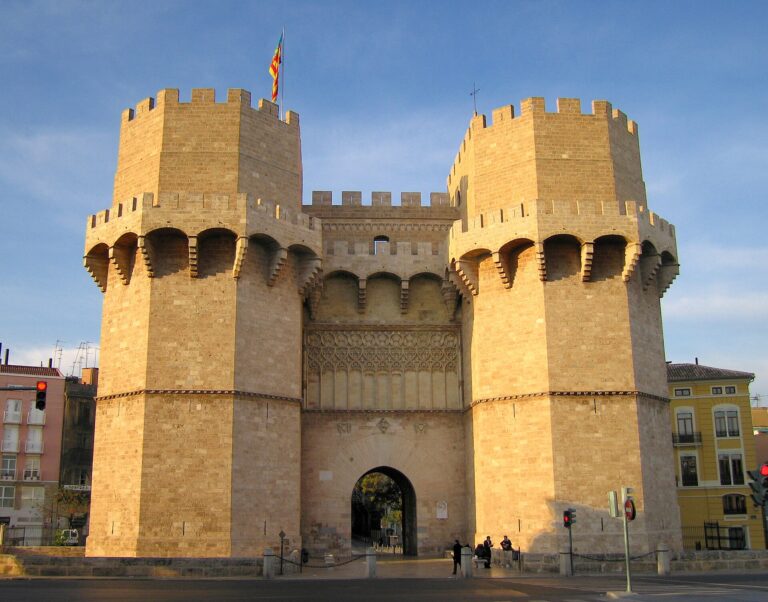
- Torres de Serranos — 26 km, Torres de Serranos survived Valencia’s demolished city walls largely because it
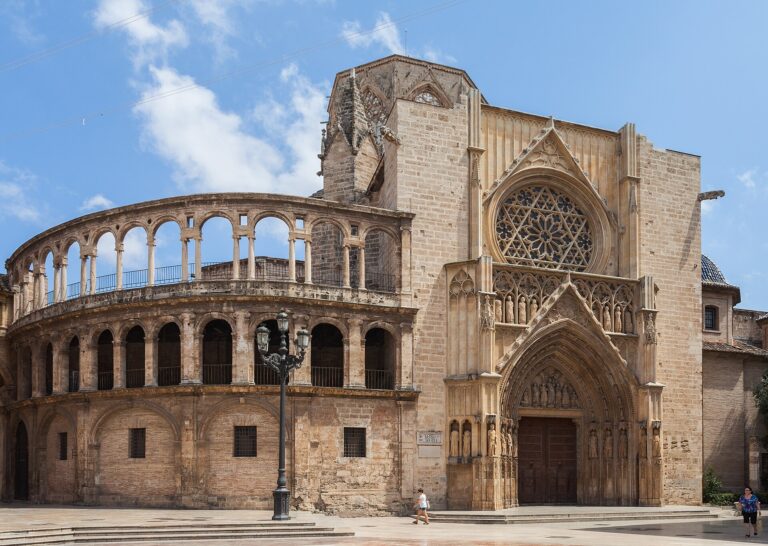
- Valencia Cathedral — 26 km, Valencia Cathedral hid Renaissance frescoes for 357 years
- City of Arts and Sciences — 27 km, Valencia’s City of Arts and Sciences exists because a 1957 flood
- Castelló Co-Cathedral — 38 km, Castelló’s bell tower stands entirely separate from its cathedral
For the wider picture, see the Costa Valenciana guide, which lists every town on this coast.
Frequently asked questions
How do I get from Valencia airport or city to Canet d’en Berenguer?
By road you use the V-23 north out of Valencia toward the coastal area; by rail take Cercanías services to Sagunt and then the short onward transfer to the town. The final leg from Sagunt is short and commonly completed by local taxi or bus links.
Is the main beach safe and well-equipped for families?
Yes. Raco de Mar is a Blue Flag beach with fine sand, gentle shallow water and full summer services including lifeguards, showers and accessible walkways.
Which beach is best for swimming with children?
Raco de Mar is the principal family-friendly beach: wide sand, calm shallow waters near shore and seasonal lifeguard coverage make it the natural choice.
Are there good places to eat along the seafront?
The seafront promenade is lined with restaurants and seasonal chiringuitos that specialise in Valencian rice dishes and fresh seafood; dining is casual and centered on beach-season trade.
Can I go windsurfing or do other watersports here?
Yes. The coastline is popular with windsurfers when the wind picks up — winds here primarily come from the east and northeast — and the town has nautical facilities around the small marina.
How many days should I allow to see what the town offers?
A short beach stay of two to three days covers the main appeal: beach time, a promenade meal and a half-day trip to Sagunto for the Roman theatre and castle. Add days if you want slower pacing or extra water-based activities.
Is it expensive to eat and stay here?
The town is a modest, working coastal community; expect straightforward, seasonally priced restaurants rather than expensive resort menus. Costs are typically lower than large city centres or luxury resorts, though prices rise in peak summer with the influx of holidaymakers.
Can I get around without a car?
Yes for most beach-centered stays. The town itself is compact and walkable; getting to Sagunt is possible by public rail to the nearby station and then a short transfer. A car becomes useful for exploring beyond the immediate coast.
Is there parking near the beach?
There are local parking options, and parking is generally easier away from the promenade. Expect peak-season pressure on spaces directly beside the sand.
What should I know about seasonal services?
Many beach services, lifeguards and chiringuitos operate on a summer schedule. Outside the high season some seasonal businesses reduce hours or close, and the town shifts toward a quieter, resident-focused profile.
What is the nearest notable historical site?
Sagunto is the closest major historical destination: it has a Roman theatre and a hilltop castle and makes for a convenient half-day cultural visit from the coast.
Are there any natural boundaries or rivers near the town?
The Palancia river runs along the municipality’s southern border, marking a natural local boundary.
Is Canet d’en Berenguer good for an overnight stop on a longer Costa de Valencia trip?
Yes. It makes a practical, low-key overnight or two-night stop if you want beach time without stepping into larger resort bustle, and its proximity to Sagunto and Valencia city gives easy onward options.
What language(s) are commonly used?
The town is in the Valencian Community; Spanish and Valencian are the regional languages commonly used in daily life and in signage.
Are the beaches blue-flag certified?
Yes. The main beach, Raco de Mar, holds Blue Flag status and is equipped with summer services aligned with that designation.
Plan the wider trip
Consider combining a stay here with time in Valencia city to the south for museums and city life, and with inland or coastal stops to explore more of the Valencian Community’s culture and cuisine. The short distance to Sagunt makes a classical-heritage day trip a natural complement to beach days.
Canet De Berenguer on the map
Places worth knowing near Canet De Berenguer

How this page is maintained. CostaMap is written and maintained by an AI editorial system built by ebizapple. Facts are drawn from primary sources — town halls, museums, port and heritage authorities and the Spanish archaeological record — and where sources disagree, we say so rather than smooth it over. Photographs marked as ours are taken on location. This page was last reviewed on 11 August 2026. Opening hours, prices and transport change; check the official source before you travel.