
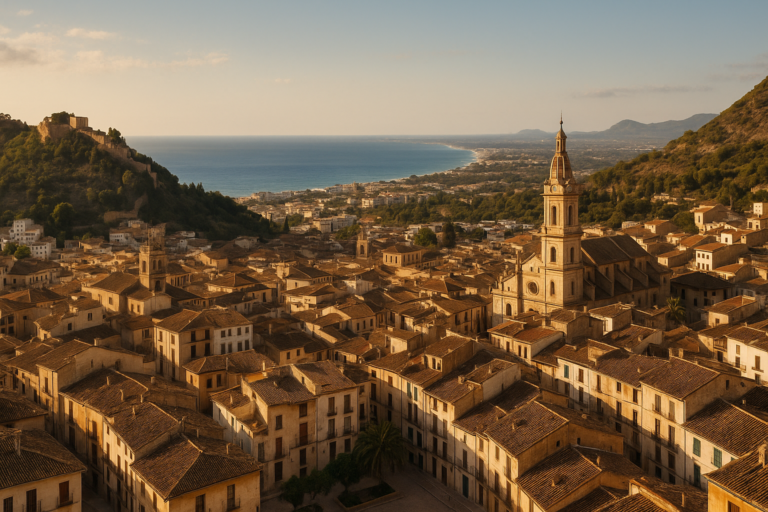
Expect a coastal town shaped by water: rice fields, a tidal river mouth, a compact old fortress crowning a low mountain, and a working port where fishing and markets still matter. This guide tells you what to really come for, what’s overrated, and the practicalities that locals care about—so you don’t arrive thinking this is just another sun-and-sand resort.
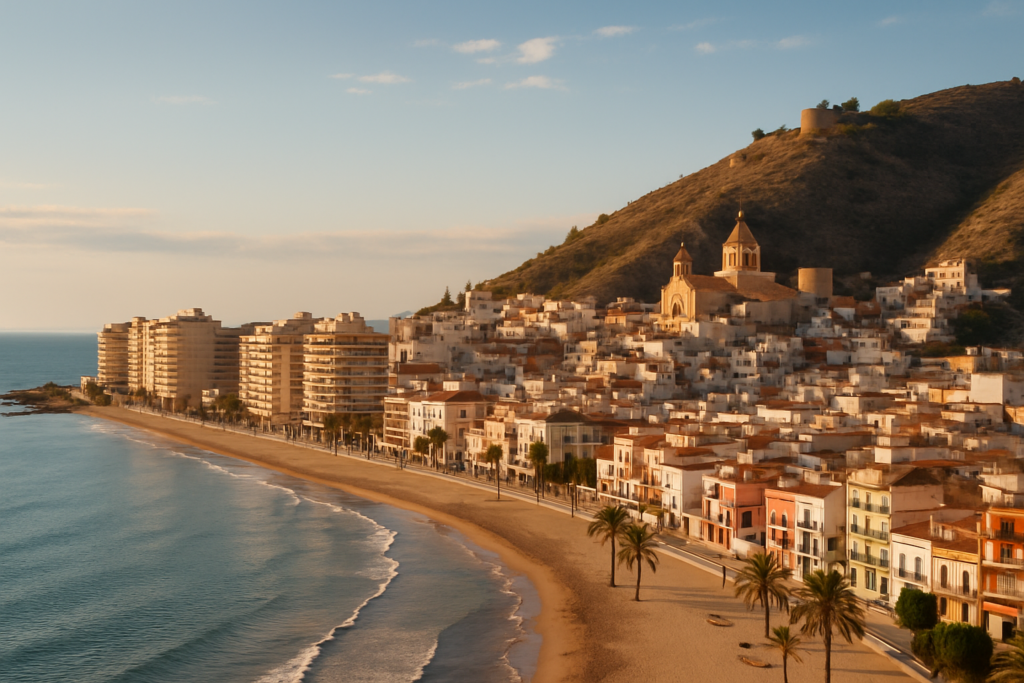
Cullera at a glance
- Coastal municipality in the Valencian Community, in the province of Valencia and the Ribera Baixa comarca.
- About 40 km from the city of Valencia—an easy day-trip distance by road.
- Where the river Júcar (Júcar) discharges into the Mediterranean—river landscapes and estuary influence the town.
- Local economy traditionally centred on agriculture: rice paddies and orange groves remain part of the landscape and cuisine.
- Historic hill: Munt de l’Or rises to 233 metres and is the setting for the fortress and sanctuary.
- Historic and maritime points of interest include a port with a municipal fish market (Lonja) and a 15th‑century watchtower by the river.
Things to do in Cullera
There’s more than beaches here. The town’s small historic core, the hilltop fortress and sanctuary, and a handful of museumy and maritime attractions repay a slow half-day or a full day of exploring. Below is a compact comparison so you can pick what suits your interests—history, local food and markets, or short hikes with views.
| Attraction | What it is | Price/entry | Best for |
|---|---|---|---|
| Hermitage of the Stone Saints / Rice Museum | Converted hermitage now presenting rice and local agricultural heritage | – | Food and rural-culture curious visitors |
| Town Market air‑raid shelter | Civil War‑era shelter beneath the market | – | History buffs, context on 20th‑century Spain |
| Cave of Dragut | Cave associated with the Berber invasion and the pirate Dragut | – | People interested in medieval/Moorish and pirate-era history |
| Torre del Marenyet | 15th‑century watchtower beside the Júcar river | – | Architectural and military-history interest |
| Sanctuary of the Virgen del Castillo and fortress | Sanctuary located within the fortress atop the hill | – | Culture, views, short uphill walk |
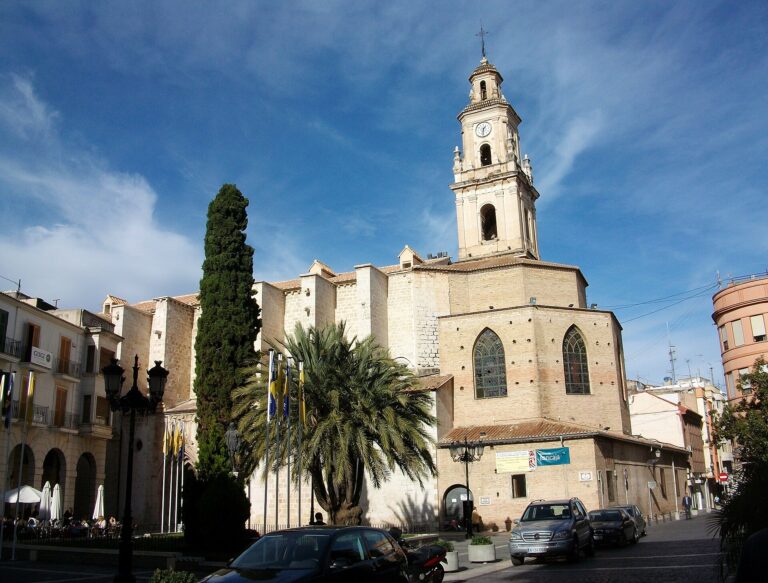
| Church of the Saint Johns | Neoclassical 17th‑century temple in the town | – | Architecture and local religious history |
| Puerto de Cullera and Lonja | Working port connected with a municipal fish market | – | Seafood lovers and market visits |
| Munt de l’Or | Low mountain (233 m) with fortress and panoramic views | – | Short hikes and panorama photography |
The hilltop fortress, sanctuary and views
The fortress that crowns Munt de l’Or is the town’s visual anchor. Within the fortress complex sits the Sanctuary of the Virgen del Castillo, a focal point for local devotion and for the view it offers over the plain, the Júcar river mouth and the sea. Reaching the fortress is the clearest way to understand why the settlement grew here: control of the river and the shoreline mattered historically, and the hill still provides a compact, rewarding ascent.
Rice museum and agricultural identity
A converted hermitage — the Hermitage of the Stone Saints — now functions as a rice museum. This is not an abstract agricultural display but a direct link to the plain around the town: rice cultivation and orange growing are the traditional economic backbone. Visiting the museum provides context that helps explain local cuisine, landscape patterns and seasonal rhythms.
Maritime and wartime layers: the port, cave and shelter
The port is still a working place; Puerto de Cullera connects with the municipal Lonja (fish market) and is where contemporary fishing life is visible. Below the town market lies an air‑raid shelter from the Spanish Civil War, a tangible reminder of 20th‑century conflict that contrasts with the older layers of the town’s story. Nearby, the Cave of Dragut ties local memory to the era of Berber incursions and the pirate Dragut—small, evocative sites that make the town’s coast feel like a lived frontier rather than a commodified shoreline.
Cullera with kids
The town’s compactness works in families’ favour: short walks to interesting sites, museums that explain food and landscape, and an accessible fortress to climb without committing to a multi‑hour hike. The rice museum makes for a tactile, educational stop, and the port/Lonja shows where food on the table comes from. The air‑raid shelter can be a gripping, short history stop for older children—expect it to be a brief, intense experience rather than a long tour.
How to get to the town and get around
Getting here is straightforward from the regional hub: the town lies about 40 kilometres from Valencia, and the river Júcar meets the Mediterranean nearby, which gives the place a distinct riverside/coastal character. Once in town, many of the key sights — the market, church, port and lower parts of the old town — are walkable; the fortress and hill require an uphill approach that is short but steep in places.
Best time to visit
Because the town is coastal and shaped by agriculture, the seasons change what you’ll experience: rice fields, citrus blossom and fishing rhythms all influence how the place feels. If you prefer milder temperatures and agricultural scenery, aim outside of the hottest summer months; if sea time and beach culture are your priority, summer will be busiest.
History of the town
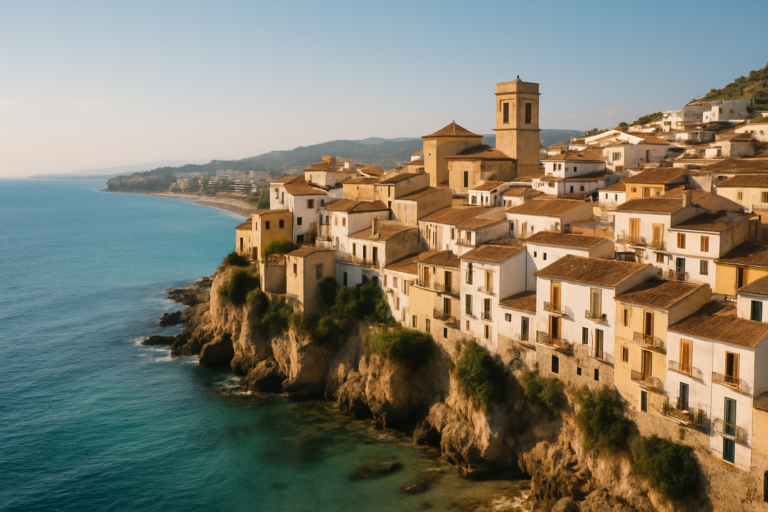
The settlement’s story is layered: its position near the mouth of the Júcar made it strategically important across eras. Defensive architecture survives in a 15th‑century watchtower, the Torre del Marenyet, positioned beside the river, and in the fortress that crowns Munt de l’Or. The Cave of Dragut recalls the period of Berber raids and the pirate Dragut, placing the town within the contested Mediterranean of the early modern period. Religious architecture like the neoclassical Church of the Saint Johns dates to the 17th century, while the Sanctuary of the Virgen del Castillo occupies a sacred niche within the fortress complex. In the 20th century the town carries traces of the Spanish Civil War—an air‑raid shelter beneath the market is one such tangible reminder—and an intense episode in 1911 is recorded in local history when a crowd killed a judge and two companions, an event that signals social tensions in that era. Throughout, agriculture—rice and oranges—has been the economic bedrock that shaped land use and culture.
Practical info
- Port and market: Puerto de Cullera remains a working port and is tied to the Lonja, the municipal fish market—good places to observe fishing activity and local seafood commerce.
- Historic hill altitude: Munt de l’Or reaches 233 metres; the fortress and sanctuary sit on this summit for panoramic views.
- Location and administration: The town is in the Valencian Community, within the province of Valencia and the Ribera Baixa comarca—useful to know for regional transport queries and administrative services.
- Agricultural context: Rice paddies and orange groves shape the surrounding landscape and local menus; many cultural references and festivals revolve around these products.
- Wartime site: The air‑raid shelter under the Town’s Market is present and provides immediate, short historical context—check opening/access information locally before planning a visit.
Worth it for: visitors who want a compact coastal town with layered history (fortress, watchtower, caves), a working port and authentic foodscape rooted in rice and citrus. Less so if: you only want an anonymous stretch of sun, sand and commercial beachfront amenities—the local highlights are cultural and landscape‑based rather than just resort entertainment.
How we assess this guide
Claims in this guide were cross-checked against verified sources for historic sites, landscape features and municipal facilities. We flag wartime and redevelopment sites and avoid presenting uncertain hours, prices or access as facts—check local listings and municipal notices for up-to-date opening times or guided visits. This is a synthesis of verified documentary sources rather than first‑hand field reporting.
Nearby on the Costa Valenciana
Towns near Cullera
- Sueca — 6 km north-west, What Sueca is really like
- Tavernes de la Valldigna — 10 km south
- Alzira — 16 km west, a historic island town on the Júcar river
- Algemesí — 16 km west, a UNESCO-listed September festival
- Carcaixent — 18 km west, Commercial orange cultivation in Spain started in Carcaixent
- Gandia — 23 km south, What Gandia is really like
Places to visit within reach
- Albufera — 19 km, The Albufera is the Costa Valenciana’s natural wonder
- Collegiate Basilica of Gandia — 23 km, The Collegiate Basilica of Gandia baptised Francis Borgia
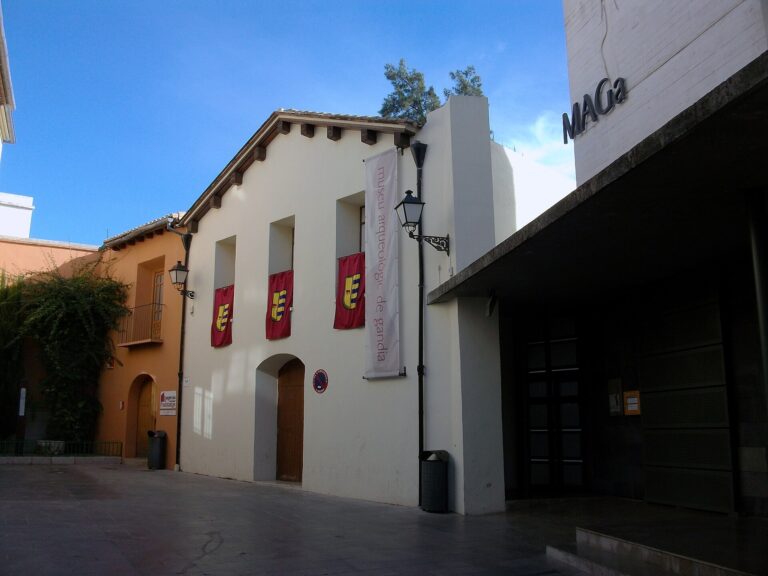
- Archaeological Museum of Gandia — 23 km, Gandia’s archaeological museum closed for 16 years (1987-2003) for research
- Xàtiva — 30 km, Xàtiva is the Costa Valenciana’s inland showpiece
For the wider picture, see the Costa Valenciana guide, which lists every town on this coast.
Frequently asked questions
How far is it from Valencia?
The town lies about 40 kilometres from the city of Valencia, making it a moderate drive or regional-trip destination.
Is it mainly a beach town or does it have other attractions?
While there is a coastal character, many of the town’s standout attractions are historic and cultural: a hilltop fortress and sanctuary, a watchtower beside the Júcar river, a rice museum in a converted hermitage, a working port and a Civil War shelter under the market.
Which historic sites are must-sees?
Prioritise the fortress and the Sanctuary of the Virgen del Castillo on Munt de l’Or for context and views; the Torre del Marenyet by the river and the Cave of Dragut if you are interested in medieval and pirate-era history. The Neoclassical Church of the Saint Johns is the main ecclesiastical landmark in the town.
Is there a working fish market I can visit?
Yes—the port is connected with a municipal fish market (Lonja). It’s where contemporary fishing activity is still visible; check locally for visiting times and any restricted areas.
What is the Hermitage of the Stone Saints?
It is a hermitage that has been converted into a rice museum, offering interpretation of the town’s agricultural heritage, especially rice cultivation.
Is the town good for families with children?
Yes. The compact layout, short hill ascent to the fortress, the rice museum and the market shelter make for family‑friendly half‑day or full‑day outings with educational interest.
Are there notable wartime sites to see?
There is an air‑raid shelter beneath the Town’s Market from the Spanish Civil War. It’s a concrete reminder of 20th‑century events—check local visitor information for access.
What is the Torre del Marenyet?
It’s a 15th‑century watchtower located by the Júcar river—part of the coastal and riverine defensive network of the past.
How high is the hill with the fortress?
Munt de l’Or reaches 233 metres in altitude; it is the town’s principal hill and the setting for the fortress and sanctuary.
Is there a connection to pirate history?
Local memory includes the Cave of Dragut, which is associated with the Berber invasion and the pirate Dragut—elements that link the town to wider Mediterranean pirate and raid histories.
What should I expect foodwise?
Rice and citrus are the traditional agricultural products here, so expect local dishes and flavours shaped by rice cultivation and orange growing; the port and its Lonja connect you to fresh seafood.
How many days should I plan?
A well‑paced half‑day or a full day will cover the fortress, the rice museum and a market/port visit comfortably; stay longer if you want a relaxed seaside stay or to explore nearby rice‑plain landscapes.
Can I visit without a car?
Many of the town’s core sights are walkable once you arrive; regional connections to the province’s capital make day trips feasible. For flexibility—especially to explore the surrounding agricultural plain—having road access is helpful.
Are there guided tours of the fortress or shelters?
Local tourism offices sometimes arrange guided visits to heritage sites; check municipal resources on availability and scheduling before you go.
Is Cullera expensive?
Costs vary by season and by the type of trip—urban day visits are different from a summer beach holiday. The town’s economic life is still tied to agriculture and fishing rather than purely tourism, which influences local prices and services.
Plan the wider trip
Cullera on the map
Places worth knowing near Cullera
How this page is maintained. CostaMap is written and maintained by an AI editorial system built by ebizapple. Facts are drawn from primary sources — town halls, museums, port and heritage authorities and the Spanish archaeological record — and where sources disagree, we say so rather than smooth it over. Photographs marked as ours are taken on location. This page was last reviewed on 11 August 2026. Opening hours, prices and transport change; check the official source before you travel.