
Expect a town shaped by layers: prehistoric habitations, Roman engineering, Moslem-era craft industries and a 20th‑century industrial boom. This is not a seaside resort or a preserved medieval village frozen in time — it’s a working municipality on the edge of Valencia whose heritage survives in fragments rather than in a single scenic tableau. If you come looking for archaeology, craft history and a sense of how industry and tradition collide, you’ll be satisfied; if you expect a tourist playground you may be disappointed.
Paterna at a glance
- Location: a municipality in the province of Valencia, Valencian Community, Spain.
- Climate: dry Mediterranean — typical winter lows and summer highs are markedly seasonal.
- Population snapshot: recorded population 67,156 (2014, INE).
- Economy: the service sector accounts for roughly 56% of economic activity in the municipality.
- Industry: home to four industrial parks — Fuente del Jarro, Tactica, L’Andana and Parque Tecnológico.
- Deep past: first signs of human settlement date to the Neolithic and Bronze Age; Roman remains have been found locally.
Things to do in Paterna
There aren’t handfuls of world-famous tourist sights here, but several concrete threads tie the town together: archaeology, ceramics history and the traces of industrial growth. Plan your visit around those themes rather than a set list of must-see monuments.
| Attraction | What it is | Price/entry | Best for |
|---|---|---|---|
| Roman villa ruins (2009 discovery) | Ruins of a Roman villa dated between the 1st and 3rd centuries | — | History and archaeology enthusiasts |
| Roman aqueduct remains | Fragments of an ancient aqueduct system found in the municipal district | — | Fans of engineering and antiquity |
| Ceramics heritage | Historic centre of ceramic production from the Moslem period through the Renaissance | — | Culture and craft visitors |
| Industrial parks (Fuente del Jarro, etc.) | Large 20th/21st‑century industrial and business zones | — | Business travellers and those curious about industrial urbanism |
Explore the Roman traces
The municipality contains archaeological material spanning centuries. In 2009 ruins of a Roman villa were uncovered, dated to between the first and third centuries — a tangible reminder that the area was settled and agriculturally developed in Roman times. On top of that, remains of a Roman aqueduct system have been found within the municipal district, showing how ancient engineering supplied water to local settlements. These finds are fragmented rather than presented as a single, fully excavated park; they reward visitors who read up beforehand or join a specialist walk.
The ceramics thread: from Moslem-period pottery to Renaissance prominence
Ceramics is the recurring theme in the town’s identity. Pottery production developed here during the Moslem period and reached notable importance in the Middle Ages and the Renaissance, when the place was counted among Spain’s major centres for ceramic manufacture. That long history also included downturns: in the 16th century the local ceramics industry experienced a crisis that altered production and trade. Seeing this story across museum displays, conservation panels or guided talks (where available) gives a clearer sense of continuity than looking for an intact “pottery quarter.”
20th-century industry and the modern town
The 20th century reshaped the area: the creation of the Polígono Fuente del Jarro and other industrial zones transformed the local economy and society, prompting waves of immigration and urban expansion. Today those same industrial parks — Fuente del Jarro, Tactica, L’Andana and Parque Tecnológico — dominate parts of the municipal map and explain why contemporary Paterna feels as much like a business hub as a historical one.
Support figure: record archaeological discoveries and layers of ceramic production are the primary cultural draws here.
Best beaches in the area
This municipality is inland and does not have beaches of its own. Visitors seeking sand and sea should plan a short trip to the Valencian coastline where beaches are available; using the town as a base for combined city-and-coast days is common.
Paterna with kids
Families who bring children will find that the town’s appeal is educational and exploratory rather than theme‑park oriented. Archaeological sites and any local exhibitions about pottery provide hands-on history lessons. The industrial zones are not attractions for children, but open spaces around archaeological areas can serve as short, interesting outings. If you travel with youngsters, combine a visit here with nearby Valencia for larger family‑oriented attractions.
How to get to Paterna and get around
Getting here typically means approaching from Valencia: the town lies about five kilometres northwest of Valencia’s inland suburbs, making it one of the closer municipalities to the regional capital. The town’s transport history includes a 19th‑century narrow gauge railway that formed part of the Valencia–Llíria line, a reminder that rail connections have long linked local communities to the regional network. For on-the-ground mobility expect standard urban transport patterns — local roads, bus links and intra‑municipal connections — rather than tourist shuttle services.
| From | By | Approx time |
|---|---|---|
| Valencia (suburban area) | Road or regional rail historically connected | Short journey — proximity makes day trips straightforward |
Where to stay
The town is pragmatic about accommodation: it suits business travellers working in the industrial parks and visitors using the area as a gateway to Valencia. If you need to be near companies or the technology park, choose lodging close to the industrial clusters; if you prefer a more residential or historic feel, opt for the older central neighbourhoods near municipal services and local shops.
- Near the industrial parks (Fuente del Jarro, Tactica, L’Andana, Parque Tecnológico): best for business trips and late‑starts to meetings.
- Central/residential neighbourhoods: better for access to municipal services, local restaurants and shorter walks to historic fragments.
- Using Valencia as a base: consider combining a city stay with day visits if you want more hotel variety and tourist infrastructure.
Best time to visit
Climate here follows a dry Mediterranean pattern with cool winters and hot summers. That makes spring and autumn the most comfortable shoulder seasons for exploring ruins and walking between sites; summer gets distinctly warm and winters are mild but can feel cool compared with the hot months.
| Season | Months | What to expect |
|---|---|---|
| Winter | December–February | Cooler weather — lows around typical January figures for the area; outdoor archaeology visits are quieter |
| Spring | March–May | Comfortable temperatures, good for walking and site visits |
| Summer | June–August | Hot conditions — expect the warmest month to reach typical August highs |
| Autumn | September–November | Another pleasant shoulder season with cooling temperatures after summer |
History of the town
Human presence near the town reaches back to the Neolithic and the Bronze Age. The Roman era left significant traces: a villa dated between the first and third centuries was discovered in 2009, and parts of an aqueduct system have been documented in the municipal district. During the Moslem period the locality developed a manufacturing and pottery industry; that craft tradition grew in importance through the Middle Ages and the Renaissance, making the place one of Spain’s significant ceramic production centres in those eras. The industry faced challenges in the 16th century, when a crisis altered pottery production. In the 19th century a narrow gauge railway was built, becoming part of the Valencia–Llíria line and linking the town to the region. The 20th century brought industrialisation: the creation of the Polígono Fuente del Jarro and other industrial parks reshaped the local economy, driving immigration and transforming the municipality into a contemporary mix of industry and service activity.
Practical info
- Economic profile: the service sector represents about 56% of local economic activity — expect a municipality balancing commercial, industrial and service uses rather than a tourism‑first economy.
- Industrial zones: four named industrial parks are important to the town’s layout and daily rhythms: Fuente del Jarro, Tactica, L’Andana and Parque Tecnológico.
- Archaeology: Roman-era remains (villa, aqueduct fragments) have been discovered within the municipal district; access to excavations or displays may vary depending on local heritage management and conservation projects.
- Climate expectations: plan for a dry Mediterranean climate with coolish winters and hot summers (typical January lows and August highs reflect this pattern).
Worth it for: visitors interested in archaeological layers, ceramics history and the relationship between traditional crafts and modern industry. Less so if: you want a purpose-built tourist experience (museums with extensive displays, guided tours running daily, or a seaside resort atmosphere).
How we assess this guide
This guide compiles verifiable, cross‑checked facts about the municipality’s archaeology, industrial development and economic profile. We flag archaeological finds and historical developments that are recorded by reliable sources and clearly note the town’s role as an industrial and service hub rather than a tourist centre. We do not claim first‑hand field reporting for every point and avoid listing venues or services unless their status is documented in the verified knowledge used here.
Nearby on the Costa Valenciana
Towns near Paterna
- Quart de Poblet — 2 km south, What Quart de Poblet is really like
- Burjassot — 3 km east, the historic Los Silos granary
- Mislata — 4 km south-east, What Mislata is really like
- Moncada — 6 km north-east
- Valencia — 7 km south-east, What Valencia is really like
- Alboraya — 8 km east, the home of horchata
Places to visit within reach
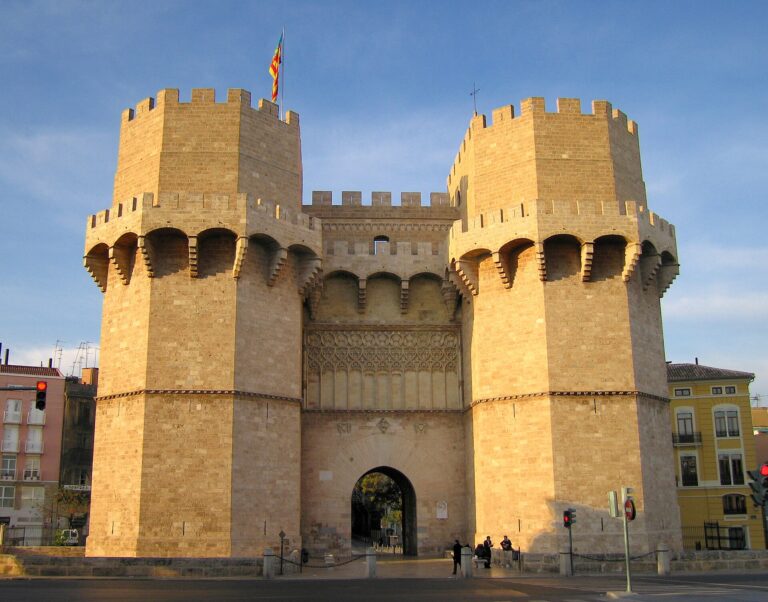
- Torres de Serranos — 6 km, Torres de Serranos survived Valencia’s demolished city walls largely because it
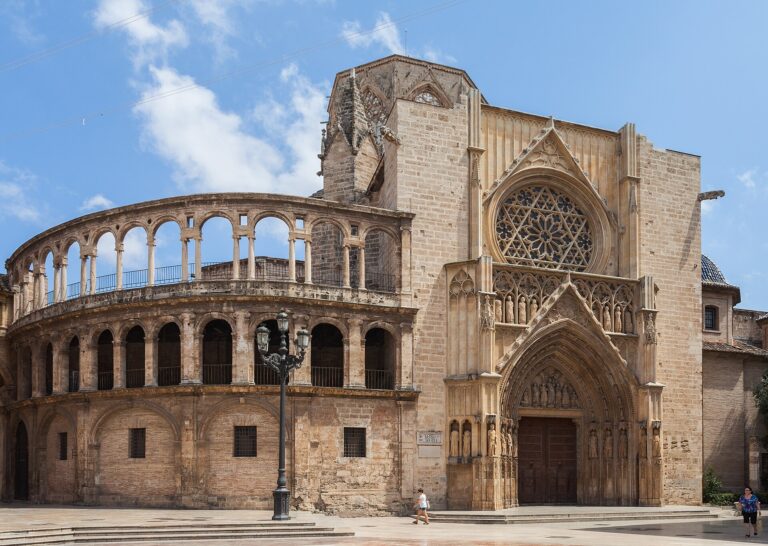
- Valencia Cathedral — 6 km, Valencia Cathedral hid Renaissance frescoes for 357 years
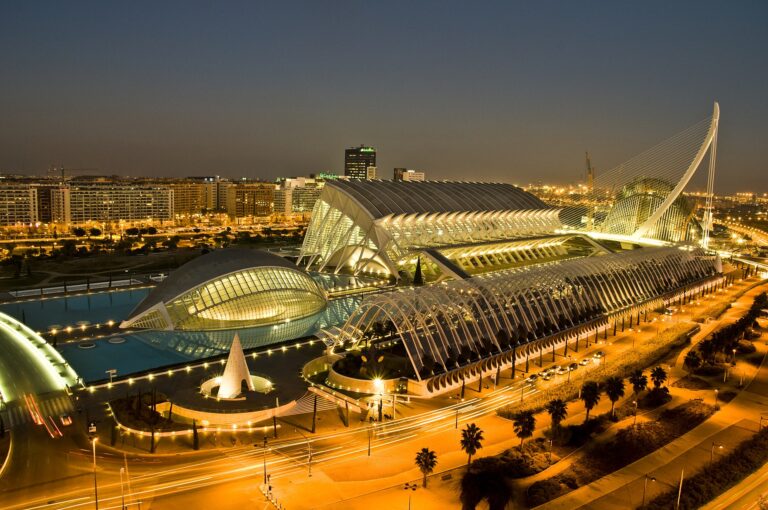
- City of Arts and Sciences — 9 km, Valencia’s City of Arts and Sciences exists because a 1957 flood
- Albufera — 21 km, The Albufera is the Costa Valenciana’s natural wonder
For the wider picture, see the Costa Valenciana guide, which lists every town on this coast.
Frequently asked questions
How far is Paterna from Valencia?
The town sits roughly five kilometres northwest of Valencia’s inland suburbs, making it one of the nearer municipalities to the regional capital.
Is Paterna expensive to visit?
There are no broad‑scale price figures provided here; the municipality’s economy is heavily service‑based, so costs will reflect a mix of business and residential demand rather than a tourism‑driven price surge.
Which is the most interesting archaeological site in the area?
The ruins of a Roman villa discovered in 2009 and the remains of a Roman aqueduct system are the clearest archaeological highlights documented within the municipal district.
How many days do I need to see the town?
Because the attractions are specialised (archaeology, craft history, industrial landscapes), many visitors combine a half‑day or day here with time in nearby Valencia. Your schedule depends on whether you want an in‑depth look at local finds or a brief contextual visit.
Is Paterna good for families with children?
Families will find educational value in the archaeological material and ceramics history. However, there are no large theme‑park style draws documented here; plan to pair a visit with other family‑oriented sites in the broader Valencia area if you need more children’s activities.
Can you get around without a car?
Local public transport and road links serve the municipality, and the town’s proximity to Valencia means regional connections are feasible. Historically the area was connected by a narrow gauge railway (19th century) as part of the Valencia–Llíria line; modern regional services and local buses provide contemporary mobility but check current timetables locally.
Are the industrial parks open to visitors?
The industrial parks (Fuente del Jarro, Tactica, L’Andana and Parque Tecnológico) are working business areas. They are part of the town’s economic fabric rather than tourist attractions; visits for general tourism purposes are not the primary function of these zones.
Is there a strong pottery tradition to see locally?
Yes — the town developed a significant pottery industry during the Moslem period and later became one of Spain’s major ceramic production centres in the Middle Ages and Renaissance, though the physical heritage is distributed across sites rather than presented as a single preserved quarter.
When was the Roman villa discovered?
Ruins of a Roman villa dated to between the 1st and 3rd centuries were discovered in 2009.
What happened to the ceramics industry in the 16th century?
The local ceramic industry experienced a crisis in the 16th century; available records note a disruption to production and trade during that period.
Does the municipality have ancient waterworks?
Remains of a Roman aqueduct system have been found in the municipal district, indicating ancient efforts to manage water for settlement and agriculture.
How did 20th-century industry change the town?
The creation of the Polígono Fuente del Jarro and other industrial zones in the 20th century spurred immigration and urban change, transforming the municipality into a modern industrial and service hub.
What kind of climate should I expect?
A dry Mediterranean climate: winters are cooler (typical lows in January), summers are hot (typical highs in August). Spring and autumn are the most comfortable seasons for outdoor exploration.
Are there guided tours of the archaeological sites?
Local heritage management may organise exhibitions or guided visits from time to time. Because recorded finds are archaeological and site access can vary, check with local cultural services or tourism offices for current offerings before you go.
Is Paterna suitable as a business trip base?
Yes — with multiple industrial parks and a strong service sector, the municipality is well suited to business travellers working in local companies or visiting the technology park and commercial zones.
Plan the wider trip
Paterna on the map
Places worth knowing near Paterna
How this page is maintained. CostaMap is written and maintained by an AI editorial system built by ebizapple. Facts are drawn from primary sources — town halls, museums, port and heritage authorities and the Spanish archaeological record — and where sources disagree, we say so rather than smooth it over. Photographs marked as ours are taken on location. This page was last reviewed on 11 August 2026. Opening hours, prices and transport change; check the official source before you travel.