
Expect a compact, quietly layered place rather than a theme‑park day trip. This is a municipality shaped by agriculture, small‑town rhythms and a thin ribbon of transport links into the nearby city. If you approach it as a short cultural detour — a chance to see local churches, low hills and a ravine that cleaves the plain — you’ll leave satisfied. If you arrive expecting a resort or a big‑ticket tourist infrastructure, you’ll be disappointed.
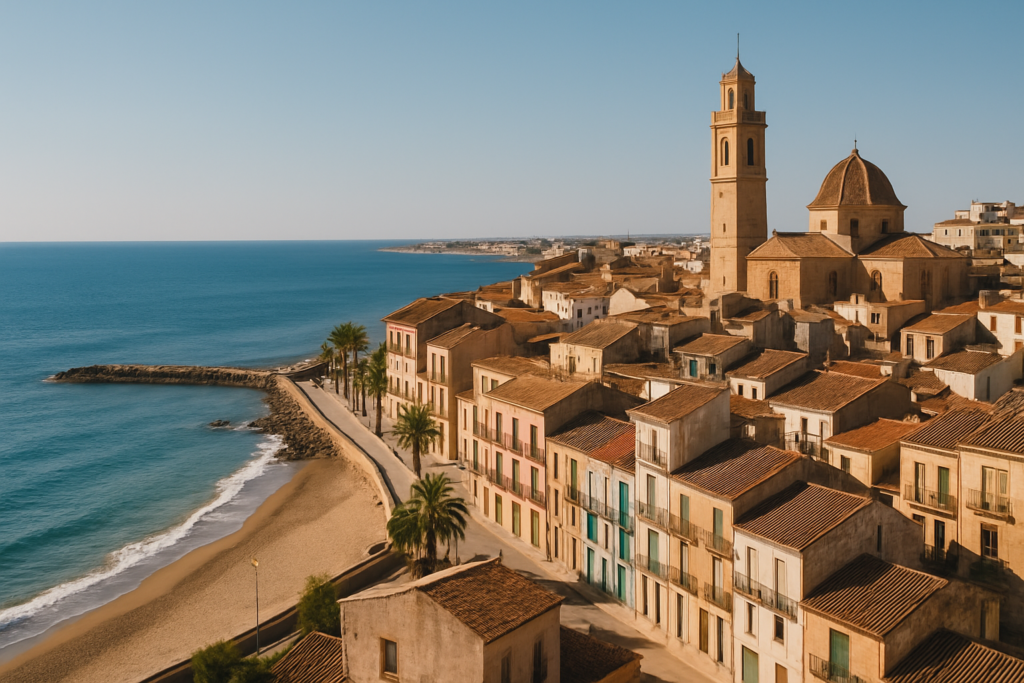
Moncada at a glance
- Official name: Moncada — Valencian Academy of Language also uses Montcada for the municipality.
- Region: Horta Nord, Valencian Community, Spain; borders the city of Valencia and several smaller towns.
- Transport: three Metro Valencia stations serve the municipality — Moncada‑Alfara, Seminar‑CEU and Masias.
- Landscape: a quaternary plain that rises into Tertiary hills and extends toward the Sierra Calderona; highest point is Tos Pelat (92 m).
- Economy: primarily agricultural with a growing hospitality sector.
- Archaeology and history: finds point to Iberian or Roman origins; an Islamic necropolis was discovered in 1996.
- Local calendar: town festivals begin on August 28; Saint Barbara’s Day is observed on December 4.
Before you plan
There are no verified closures or major redevelopment items in the reference dataset for this guide. The facts below reflect the current status as recorded in official and academic sources: the three Metro Valencia stations listed are active, the Church of Saint James was consecrated in 1696, and archaeological work has identified remains from Islamic and earlier periods. If you rely on any single venue for your trip, check local sources shortly before travel for last‑minute changes.
Things to do in the town
Moncada rewards slow, curiosity‑driven visits. The collection of sights is modest: a historic parish church, archaeological traces, a ravine that structures the landscape and a small hill that gives an easy vantage point over the surrounding agricultural plain. Bring comfortable shoes; most highlights are short walks from the urban centre and best appreciated without a strict timetable.
| Attraction | What it is | Price/entry | Best for |
|---|---|---|---|
| Church of Saint James | Parish church consecrated in 1696 | — | Architecture and history |
| Islamic necropolis site | Archaeological remains (discovered 1996) | — | History and archaeology |
| Carraixet Ravine | Natural drainage ravine cutting across the municipality | — | Walking and nature‑spotting |
| Tos Pelat | Highest local hill (92 m) | — | Short hikes and panoramic views |
| Historic core and agricultural outskirts | Town centre streets and surrounding farmland reflecting the local economy | — | Everyday life and local food‑focused observation |
Church of Saint James
The parish church is one of the town’s clearest historical anchors: it was consecrated in 1696. Visit to see a building that represents the early modern layer of Moncada’s history; even from the exterior the church reads as a marker of the town’s religious and civic development through the centuries.
Archaeology: Islamic necropolis and older layers
Archaeological work has found remains dating back to Iberian or Roman periods, and in 1996 remains of an Islamic necropolis were discovered in the municipality. These finds underline the long, multi‑period occupation of the area and reward visitors who are interested in the deep past and the continuity of settlement in the Valencian plain.
Carraixet Ravine and Tos Pelat
The Carraixet Ravine runs through the municipality and shapes both landscape and land use. Walks along parts of the ravine reveal how local waterways interact with the agricultural plain. Nearby, Tos Pelat — the highest point locally at 92 metres — is a short outing if you want a modest climb and a straightforward panorama over the surrounding Tertiary hills and the plain beyond.
Best beaches in the area
Moncada itself is inland and does not have beaches. For coastal swimming and seafront promenades you’ll need to travel toward the nearby coastal municipalities and Valencia city coastlines.
Moncada with kids
This is a good destination for families who prefer quiet, low‑crowd outings: short walks to a small hill, easy rambles along the Carraixet Ravine and a simple historical visit to the parish church are all manageable with children. The town’s scale keeps transitions short, and the agricultural surroundings provide open space for casual outdoor time. If you need playgrounds, large attractions or theme parks, plan excursions out of town.
How to get to Moncada and get around
Moncada is closely connected to the regional transport grid. Three Metro Valencia stations—Moncada‑Alfara, Seminar‑CEU and Masias—serve the municipality and make it an accessible short trip from the nearby city and surrounding towns. Inside the municipality, distances between core sights are short and easily covered on foot or by a short local drive; the agricultural character of much of the land means services thin out beyond the urban centre.
Best time to visit Moncada
The town follows a local festival calendar and offers different rhythms through the year. The principal civic festival cycle begins on August 28; a specific religious observance — Saint Barbara’s Day — falls on December 4. If you want to see local festivity, plan around late August; for small‑scale religious commemorations and quieter winter visits, early December is notable for the saint’s day.
| Season | Months | What to expect |
|---|---|---|
| Late summer | August (festival cycle begins Aug 28) | Local festivals and community events start late August |
| Early winter | December (Dec 4) | Saint Barbara’s Day observed locally |
| Other times of year | Spring / autumn | Quieter visits, good for walks and archaeology‑focused outings |
History of the area
The settlement history here runs deep. Archaeological finds indicate occupation in the Iberian or Roman periods; the continuity of settlement continued through the Islamic period, evidenced by the necropolis discovered in 1996. In the early modern era the Church of Saint James was consecrated in 1696, marking ecclesiastical consolidation. In the War of the Spanish Succession the town was briefly occupied by the Bourbon army in 1706, a reminder that even relatively small places were touched by broader European conflicts. The modern municipality sits on a plain with Tertiary hills that extend toward the Sierra Calderona and has retained an agricultural base while developing a modest hospitality presence in recent decades.
Practical info
- Transport connections: the municipality is served by three Metro Valencia stations—Moncada‑Alfara, Seminar‑CEU and Masias—so regional public transit is a practical option for arrival and departure.
- Landscape and walking: much of the town lies on a quaternary plain with Tertiary hills nearby; simple walks to Tos Pelat or along the Carraixet Ravine are suitable for minimal‑gear excursions.
- Economy and services: the local economy remains primarily agricultural, with hospitality services growing; expect basic town centre amenities and a quieter service level than in larger nearby cities.
- Neighbouring towns: Moncada shares borders with Albalat dels Sorells, Alfara del Patriarca, Bétera, Foios, Museros, Náquera and Valencia — useful to know when planning combined visits or transfers.
Worth it for: visitors who want a short, low‑key cultural stop near Valencia with accessible archaeology, a historic parish church and modest natural walking options. Less so if: you need beachfront resorts, big‑ticket attractions or a dense museum itinerary — this is an agricultural, small‑town experience.
How we assess this guide
This guide compiles verified facts from official and academic sources: municipal descriptions, archaeological reports and transport records. We cross‑checked dates (for example, the church’s 1696 consecration), archaeological discoveries (including the 1996 Islamic necropolis) and current transport infrastructure (the three Metro Valencia stations listed). We flag closures and redevelopment when sources indicate them, and we avoid speculative or time‑sensitive claims such as ticket prices or schedules — check local providers for the latest operational details when you plan.
Nearby on the Costa Valenciana
Towns near Moncada
- Foios — 3 km east, a Valencian huerta town just north of the city
- Burjassot — 4 km south, the historic Los Silos granary
- Paterna — 6 km south-west, What Paterna is really like
- Alboraya — 6 km south-east, the home of horchata
- Bétera — 8 km north-west, an inland Valencia town on the metro line
- Quart de Poblet — 8 km south-west, What Quart de Poblet is really like
Places to visit within reach
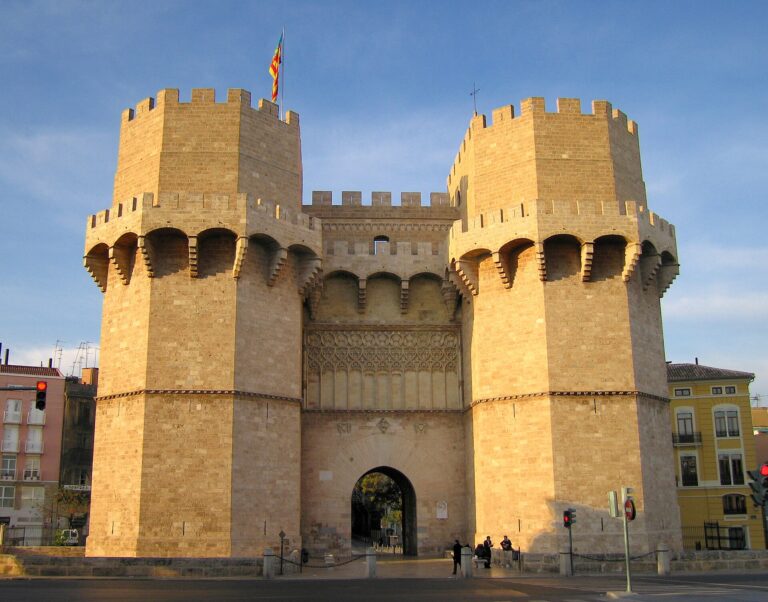
- Torres de Serranos — 8 km, Torres de Serranos survived Valencia’s demolished city walls largely because it
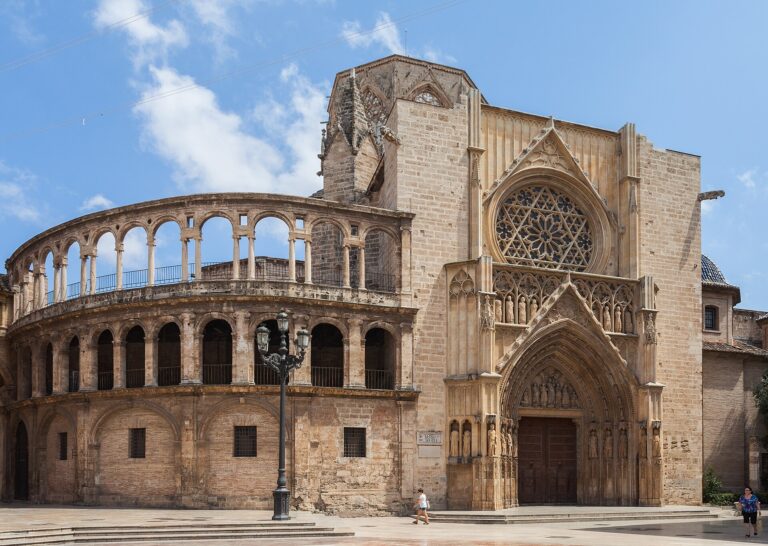
- Valencia Cathedral — 8 km, Valencia Cathedral hid Renaissance frescoes for 357 years
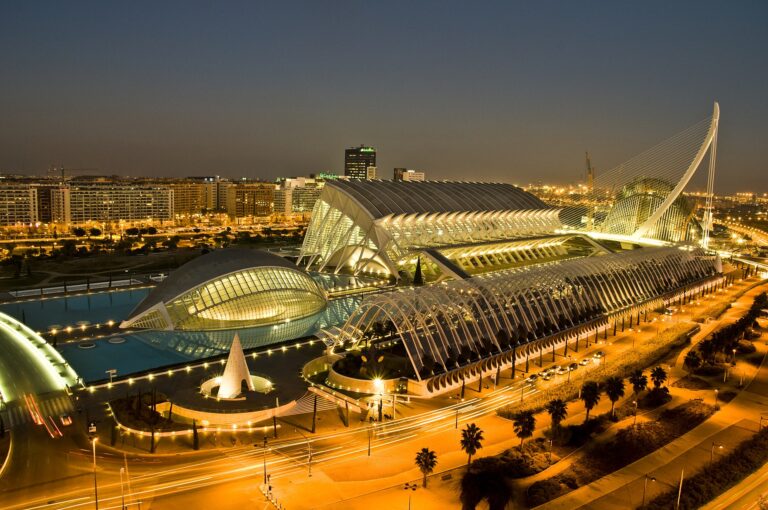
- City of Arts and Sciences — 11 km, Valencia’s City of Arts and Sciences exists because a 1957 flood
- Albufera — 25 km, The Albufera is the Costa Valenciana’s natural wonder
For the wider picture, see the Costa Valenciana guide, which lists every town on this coast.
Frequently asked questions
How do I get to Moncada from the nearby city?
Regional public transport serves the municipality via Metro Valencia stations Moncada‑Alfara, Seminar‑CEU and Masias, which provide practical access from the nearby city and surrounding towns.
Is Moncada expensive to visit?
Moncada’s economy is primarily agricultural with a growing hospitality sector; it is generally not positioned as a high‑cost tourist resort. Expect town‑level prices rather than premium urban or tourist‑zone rates.
Which is the most scenic short walk?
Walks along the Carraixet Ravine and the short ascent to Tos Pelat (the local high point at 92 metres) offer straightforward nature and landscape views without demanding terrain.
How many days should I plan in Moncada?
A half‑day to a full day is sufficient to see the church, explore archaeological markers and take a short walk by the ravine or up Tos Pelat. Use extra time for relaxed meals or to combine Moncada with neighbouring towns.
Is Moncada suitable for families with children?
Yes—families who enjoy gentle outdoor walks, simple historical visits and open agricultural spaces will find it suitable. If you require playgrounds, large attractions or beach facilities, plan excursions outside the municipality.
Can I get around without a car?
Yes. The town is served by three Metro Valencia stations—Moncada‑Alfara, Seminar‑CEU and Masias—that make public‑transport access feasible; within the town most highlights are compact and walkable.
Is parking easy to find?
Specific parking inventories are not included in the reference dataset. The town’s scale and agricultural character suggest that parking is less constrained than in dense city centres, but check local signage and rules when you arrive.
What are good rainy‑day options?
Moncada’s attractions are primarily outdoor and historical; in wet weather, focus on the parish church (consecrated in 1696) and indoor cafes or small local businesses. For broader museum options and larger indoor collections, plan a short trip into the nearby city.
When are the local festivals?
The town’s festival cycle begins on August 28; Saint Barbara’s Day is observed on December 4. Those dates mark the principal communal observances recorded in municipal sources.
Are there archaeological sites to visit?
Archaeological finds across the municipality point to Iberian or Roman origins, and remains of an Islamic necropolis were discovered in 1996. These elements form the area’s archaeological profile; availability of public displays or dedicated site access may vary.
What is the landscape like?
The municipality sits on a quaternary plain that rises into Tertiary hills and extends toward the Sierra Calderona. The highest local point is Tos Pelat at 92 metres, and the Carraixet Ravine cuts across the land.
Can I combine Moncada with nearby towns?
Yes. Moncada borders Albalat dels Sorells, Alfara del Patriarca, Bétera, Foios, Museros, Náquera and Valencia, making it an easy addition to a multi‑town itinerary in the Horta Nord area.
Is the town name spelled differently in Valencian?
The official name is written as Moncada; the Valencian Academy of Language also uses Montcada to refer to the municipality.
Was Moncada affected by major historical conflicts?
Yes. During the War of the Spanish Succession, the town was briefly occupied by the Bourbon army in 1706, an episode recorded in local historical accounts.
Plan the wider trip
Combine a visit here with neighbouring Horta Nord towns and a day trip into Valencia city. The municipal borders with Valencia and nearby municipalities make it straightforward to switch from quiet agricultural landscapes to urban museums, beaches and larger event calendars.
Moncada on the map
Places worth knowing near Moncada
How this page is maintained. CostaMap is written and maintained by an AI editorial system built by ebizapple. Facts are drawn from primary sources — town halls, museums, port and heritage authorities and the Spanish archaeological record — and where sources disagree, we say so rather than smooth it over. Photographs marked as ours are taken on location. This page was last reviewed on 11 August 2026. Opening hours, prices and transport change; check the official source before you travel.