
Expect a compact, working Spanish municipality where agricultural roots, a visible historic core and green river corridors matter more than resort-style sightseeing. This guide focuses on what you can actually see and do — pockets of heritage, accessible greenways and the transport links that make the town easy to visit as a day trip from the nearby city.
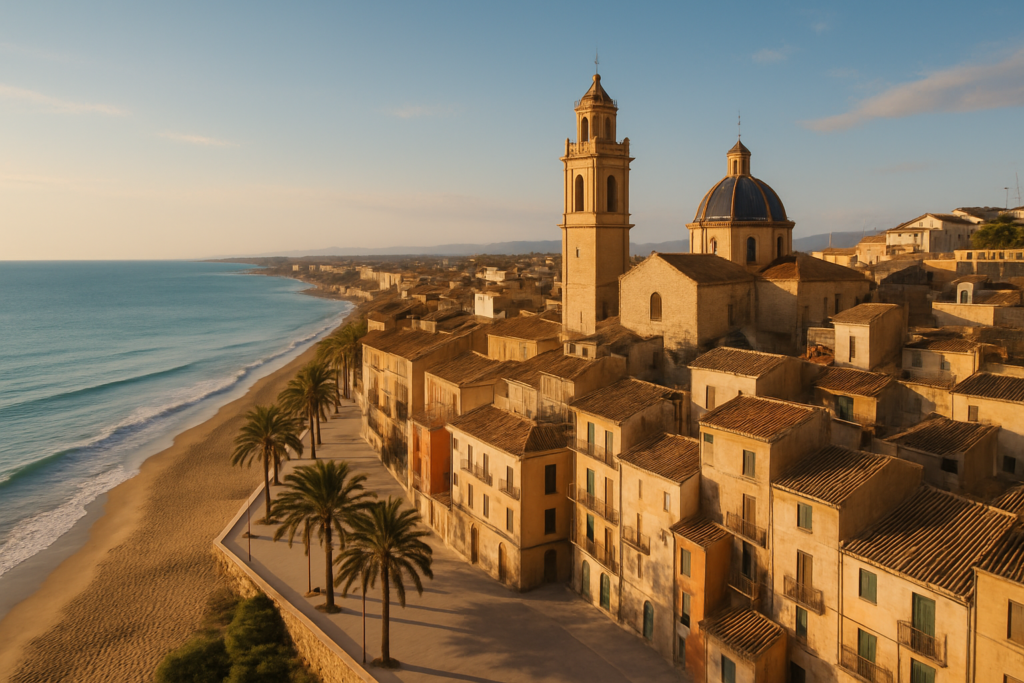
Quart de Poblet at a glance
- Historic core with an 18th‑century Parish Church of the Immaculate Conception.
- Archaeological highlight: the Arabic tank (protected since 1981).
- Located on the Turia river and alongside the Rambla del Poio green corridor.
- Good public links: several Metrobus lines to Valencia and surrounding towns.
- Road access via the A‑3 / E‑901 Madrid–Valencia highway to the south.
- Local economy still includes irrigated orange and vegetable farming plus traditional textiles and ceramics.
Before you plan
There are no verified closures among the town’s main historic items in our sources, but check local opening details for church access and any temporary works before you go; archaeological protections such as the Arabic tank status date back to 1981.
Things to do in Quart de Poblet
The town rewards a slow walk: a compact historic centre, a few protected monuments, and linear green spaces where locals stroll or cycle. This section lists the principal sights you can expect to encounter and suggests what each is best for.
| Attraction | What it is | Price/entry | Best for |
|---|---|---|---|
| Parish Church of the Immaculate Conception | Rebuilt in the 18th century; focal point of the old town | – | History and architecture |
| Arabic tank (aljibe) | Historic-artistic archaeological monument (protected since 1981) | – | Archaeology and historical interest |
| Turia river corridor | River crossing the municipality from the north, used for walking and connecting green spaces | – | Walking, nature and quiet outdoor time |
| Rambla del Poio | Dry streambed/greenway running along the west side of town | – | Linear walks and local recreation |
| Local cultural associations | Community groups including a symphonic band founded in 1895 | – | Live music and local culture |
Historic core and the Parish Church
Start in the old town around the Parish Church of the Immaculate Conception, which was rebuilt in the 18th century. The church marks the traditional nucleus; wandering the nearby streets gives a sense of the town’s layered past without longer museum visits.
The Arabic tank and archaeological traces
The Arabic tank is the standout archaeological element with official protection assigned in 1981. It’s a concrete touchpoint for the town’s medieval and Islamic-era past and an easy stop en route through the centre.
River and rambla green spaces
Two linear features define the town’s open spaces: the Turia river, which crosses from the north, and the Rambla del Poio along the west. Both are where locals exercise, walk dogs and use bicycles; they’re best for brief outdoor breaks rather than long wilderness hikes.
Best beaches in the area
Quart de Poblet is inland; reliable sandy beaches and organized seafronts are along the neighbouring Valencian coastline. Use the town as a base for inland culture and easy day trips to the coast.
Quart de Poblet with kids
The town is well suited to short family outings: green corridors by the river and rambla are safe, open stretches for bikes and scooters, and local community events often involve music and festivities run by cultural associations. The symphonic band (founded in 1895) is an example of local cultural life that sometimes includes kid‑friendly events.
How to get to Quart de Poblet and get around
Getting here is straightforward by road and public transport. The town sits close to major communication lines and is connected to neighbouring municipalities by both bus services and high‑capacity roads.
| From | By | Approx time |
|---|---|---|
| Valencia | Metrobus lines | – |
| Madrid / A‑3 corridor | Highway (A‑3 / E‑901) | – |
Where to stay
The town is compact and primarily residential. Staying in the nearby city offers more hotels and seafront options; choose to stay here if you want quiet evenings, local neighbourhood cafés and rapid access to the river corridors. For easy access to wider attractions, the neighbouring municipalities and Valencia provide more tourist infrastructure.
Best time to visit
Weather follows a Mediterranean pattern: expect dry, hot summers and most rainfall concentrated in autumn and spring. Plan outdoor walking in the river and rambla areas for seasons with less chance of showers.
| Season | Months | What to expect |
|---|---|---|
| Spring | March–May | Comfortable for walks; higher chance of rain than summer |
| Summer | June–August | Hot and dry; river and green corridors are best early or late in the day |
| Autumn | September–November | Unsettled periods with much of the annual rainfall |
| Winter | December–February | Milder than interior Spain; quiet town life |
History of Quart de Poblet
The settlement likely has Roman origins, later developing through medieval and early modern periods. The town’s visible religious architecture was reshaped in the 18th century when the Parish Church of the Immaculate Conception was rebuilt. Elements from the Islamic period survive in features such as the Arabic tank, which received formal archaeological protection in 1981.
Practical info
Public transport: several Metrobus lines link the town with Valencia and adjacent municipalities. Road access: the A‑3 / E‑901 Madrid–Valencia highway runs to the south, and the town is connected by highways to neighbouring municipalities. Borders: the municipality adjoins Aldaia, Xirivella, Chiva, Manises, Mislata, Paterna, Riba‑roja de Turia and Valencia, which affects trip planning if you intend multi‑stop travel.
Worth it for: short cultural walks, linear greenways along the river and rambla, and visitors who like to combine inland village atmosphere with trips to Valencia. Less so if: you want busy beaches, a wide range of tourist attractions or a town focused on sightseeing rather than local everyday life.
How we assess this guide
This guide compiles verified municipal and cultural data, cross‑checked against sources for status and historic protections (for example, archaeological monument listings). We flag closures and protected‑status items where our sources record them. This is not based on fresh field reporting; check local sites or tourist offices for up‑to‑the‑minute opening times and events.
Nearby on the Costa Valenciana
Towns near Quart de Poblet
- Paterna — 2 km north, What Paterna is really like
- Mislata — 2 km south-east, What Mislata is really like
- Burjassot — 4 km north-east, the historic Los Silos granary
- Valencia — 6 km east, What Valencia is really like
- Paiporta — 7 km south, a Valencia metro town known for horchata and Horta farmland
- Moncada — 8 km north-east
Places to visit within reach
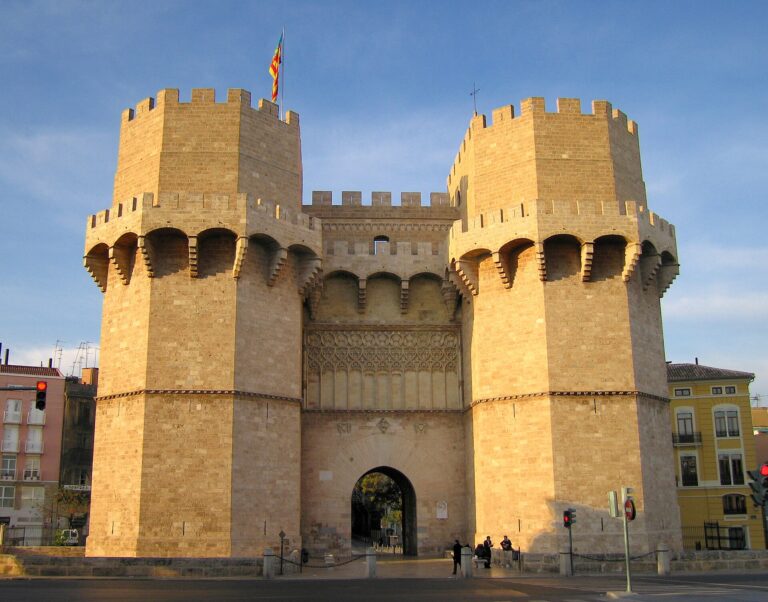
- Torres de Serranos — 6 km, Torres de Serranos survived Valencia’s demolished city walls largely because it
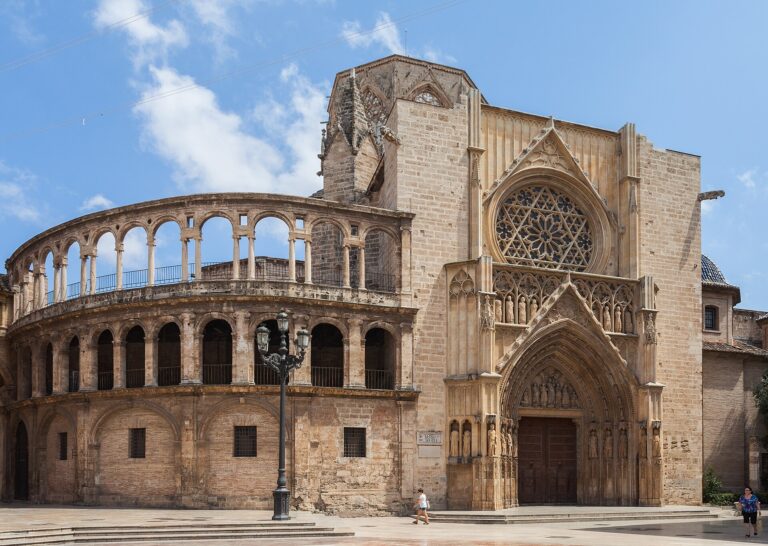
- Valencia Cathedral — 6 km, Valencia Cathedral hid Renaissance frescoes for 357 years
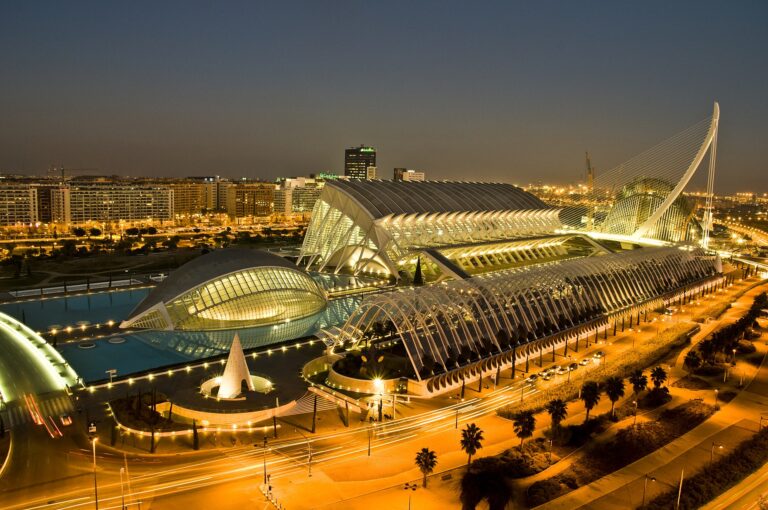
- City of Arts and Sciences — 9 km, Valencia’s City of Arts and Sciences exists because a 1957 flood
- Albufera — 20 km, The Albufera is the Costa Valenciana’s natural wonder
For the wider picture, see the Costa Valenciana guide, which lists every town on this coast.
Frequently asked questions
How do I get from Valencia to Quart de Poblet?
Several Metrobus lines connect the town with Valencia; use local bus timetables for exact services and schedules.
Is Quart de Poblet expensive to visit?
The town is primarily residential with local services; it tends to be less expensive than city-centre tourist areas, though precise costs depend on where you eat and stay.
Which beach is best if I’m staying in town?
The nearest organized beaches are on the Valencian coast; plan a separate trip to the city for seafront options rather than expecting beaches within the municipality.
How many days do I need to visit?
A compact day is sufficient to see the main highlights — the parish church, the Arabic tank and a walk along the river and rambla — but you can combine the visit with nearby Valencia or other municipalities for a longer stay.
Is the town good for families with children?
Yes: river and rambla green spaces provide safe, open areas for kids to play, and local cultural associations run community events that can be family friendly.
Can I visit without a car?
Yes. Several Metrobus lines serve the area and link to Valencia and other nearby towns, making public transport a practical option.
Is parking easy to find?
As a residential municipality, parking varies by neighbourhood and local regulations; major highways give good road access if you choose to drive.
What are rainy-day options?
Indoor options in the town are limited compared with nearby cities; for more museums and covered attractions, plan to travel into Valencia or other neighbouring municipalities.
When is the best time for walking and outdoor time?
Spring and autumn offer milder temperatures for strolling the river and rambla; autumn also carries a higher likelihood of rain.
Are there local festivals or music events?
Community cultural life is active and includes longstanding groups such as a symphonic band founded in 1895; check local listings for concerts and annual events.
Can I see Roman remains here?
The town was probably founded by the Romans, and archaeological traces form part of the local historic narrative; the Arabic tank is one verified protected archaeological monument.
How does agriculture shape the town?
Irrigated crops such as oranges and vegetables remain part of the local economy alongside traditional industries like textiles and ceramics, so expect an environment where agriculture and light manufacturing still matter.
Which nearby towns are easy to combine with a visit?
The municipality borders Aldaia, Xirivella, Chiva, Manises, Mislata, Paterna, Riba‑roja de Turia and Valencia; these are natural additions if you’re planning a multi‑stop itinerary.
Is the Arabic tank open to the public?
The Arabic tank has protected‑status as an archaeological monument since 1981; check with local authorities for access details before visiting.
Does the Turia river offer long hiking trails?
The Turia crosses the town from the north and provides pleasant linear walking and cycling; for long, continuous trails you’ll likely connect with wider regional greenways beyond the municipality.
Plan the wider trip
Quart de Poblet on the map
Places worth knowing near Quart de Poblet
How this page is maintained. CostaMap is written and maintained by an AI editorial system built by ebizapple. Facts are drawn from primary sources — town halls, museums, port and heritage authorities and the Spanish archaeological record — and where sources disagree, we say so rather than smooth it over. Photographs marked as ours are taken on location. This page was last reviewed on 14 August 2026. Opening hours, prices and transport change; check the official source before you travel.