
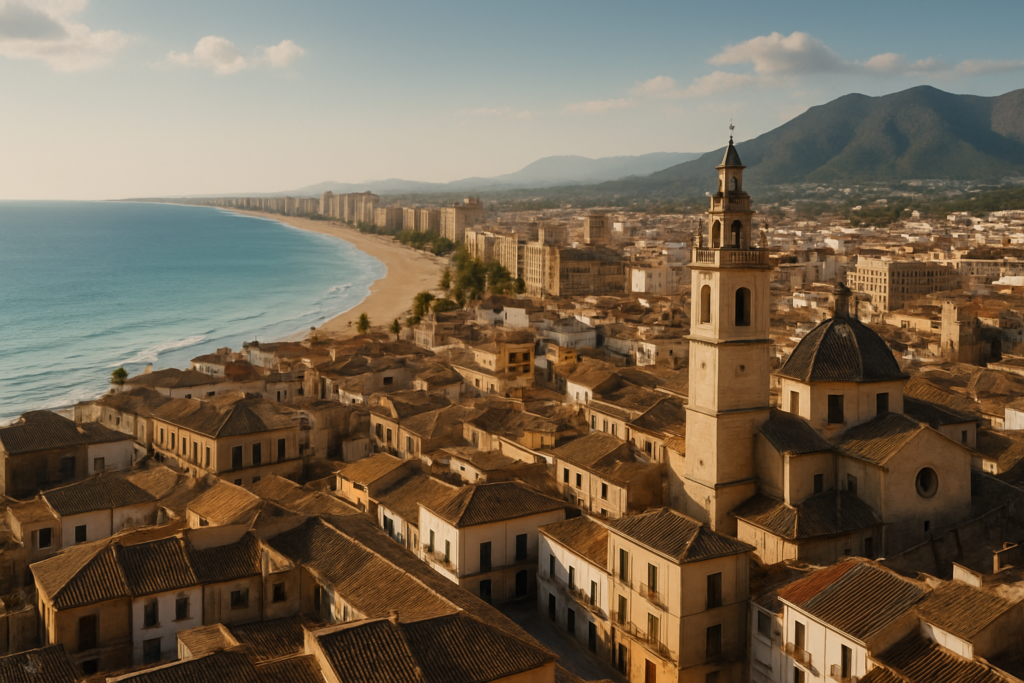
Expect a seaside resort that divides neatly into two moods: a compact, historical inland town with Borgia palaces and Gothic churches, and a wide, lively beachfront where Valencians and Madrileños converge in summer. If you come expecting a tucked-away medieval village or a tranquil, unpeopled coast, you’ll be disappointed. Come instead for an easy blend of history, long sandy beaches, accessible wetlands for birdwatching, and a beach-centred nightlife that livens up the summer months.
Gandia at a glance
- Two distinct halves: a historical old town around the Ducal Palace and a separate beach zone (Platja de Gandia) about 4 km away.
- Wide, golden, sandy beaches with a Blue Flag awarded stretch at Playa de Gandia; the neighbouring Platja de l’Ahuir is more undeveloped and dune-backed.
- Good transport links to Valencia via a direct Cercanías commuter train, making the resort a popular weekend destination.
- A rich medieval and Renaissance legacy: the Palau Ducal dels Borja, Collegiate Basilica and remnants of a medieval town wall.
- Wetlands and marshland (Marjal de La Safor / Marjal de Gandia) offering quieter birdwatching and walks close to the coast.
- Culinary note: the coast is associated with fideuà, the noodle-based seafood dish originating with local fishermen.
- Hosts an annual animation festival, Cortoons Gandia, in April.
Things to do in Gandia
There are two complementary visit patterns here: half your time can be spent in the old town—palaces, churches and narrow streets—and the other half outdoors on the long beaches and nearby wetlands. The attractions are compact enough that you can pair a morning in a museum or palace with an afternoon on the sand.
| Attraction | What it is | Price/entry | Best for |
|---|---|---|---|
| Palau Ducal dels Borja | Seat of the Borgia family with Gothic and Renaissance halls and decorated ceilings | – | History and architecture fans |
| Collegiate Basilica of Saint Mary (La Seu) | Main Gothic church in the historic centre | – | Religious architecture and photography |
| Monastery of Sant Jeroni de Cotalba | Well-preserved Gothic-Mudejar monastery inland among orange groves | – | Monastery architecture, quieter excursions |
| Marjal de Gandia / Marjal de La Safor | Regional wetlands for birdwatching and walking | – | Nature lovers, families seeking calmer spaces |
| Platja de Gandia (beach zone) | Wide, serviced Blue Flag beach with a long promenade | – | Families, sunbathers, nightlife seekers |
| Platja de l’Ahuir | Long, wild dune-backed beach near the resort | – | Walkers, naturists of peace-and-quiet seekers |
Palau Ducal dels Borja and the historic centre
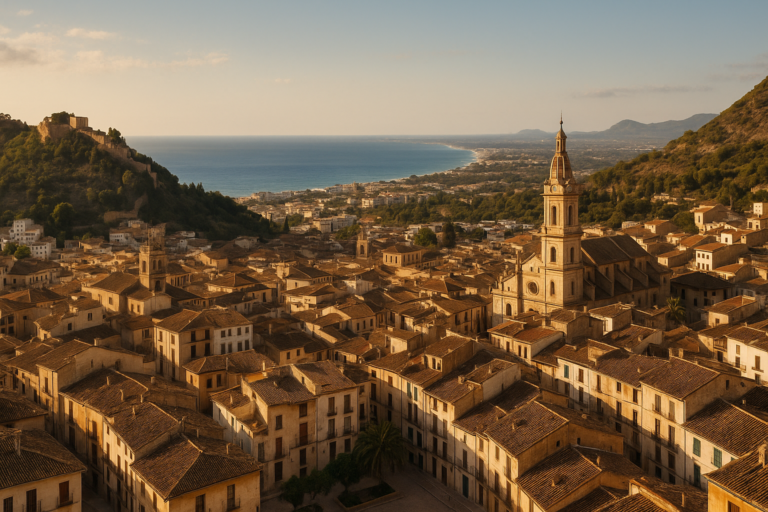
The old town clusters around the Ducal Palace, which was the seat of the Borgias when they held the dukedom. The palace’s rooms span Gothic and Renaissance tastes and retain decorated ceilings that underline the family’s historical weight in the area. Around it you’ll find the Collegiate Basilica of Saint Mary (La Seu), the old university building known as the Escuelas Pías established under the Borgia dukes, and fragments of the medieval town wall—together these form a compact medieval core best explored on foot.
Monastery of Sant Jeroni de Cotalba
A short drive inland from the resort zone, this monastery is one of the better-preserved Gothic‑Mudejar complexes in the region. Set among orange groves, it offers a quieter, more contemplative alternative to the beach, and it’s open to visitors—an excellent half-day excursion if you want to escape the summer bustle for architectural calm.
Wetlands and birdwatching
If you want fresh air without leaving the coast, head for the Marjal de Gandia (part of the Marjal de La Safor). These wetlands, which cover an area above 1.2 square kilometres, lie close to the shoreline and give you a chance to combine a beach day with short nature walks and birdwatching away from the busiest parts of the seafront.
Best beaches in Gandia
The coast here is one of the defining features: long, sandy and designed for mass summer use, but with a nearby fringe of wilder coastline if you prefer less infrastructure.
| Beach | Character | Facilities / Blue Flag |
|---|---|---|
| Playa de Gandia | Wide, family-friendly urban beach backed by a long promenade of hotels and restaurants | Blue Flag; serviced (promenade amenities) |
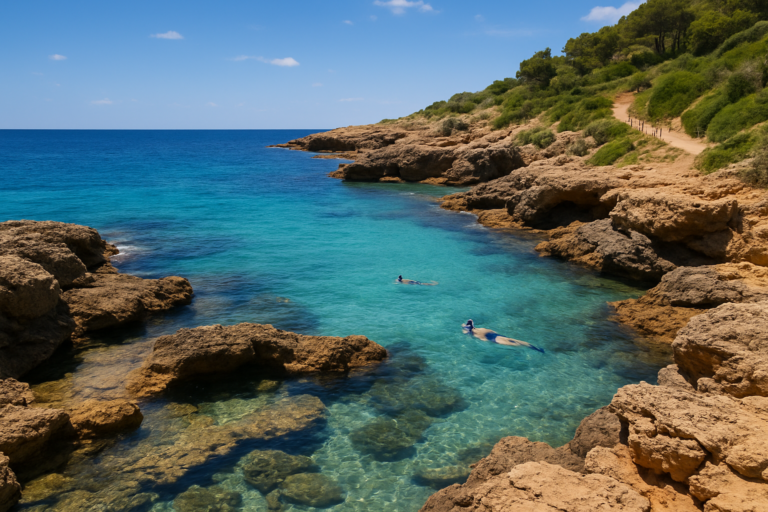
| Platja de l’Ahuir | Long, wild undeveloped dune beach offering quieter stretches | More natural, fewer services |
Gandia with kids
The resort is well-suited to family holidays. Playa de Gandia’s long, shallow sands and the promenade’s family-focused amenities make it easy to plan beach days with small children. The wetlands at Marjal de Gandia are a handy, low-cost nature visit where kids can look for birds and learn about coastal ecosystems. Families who want a quieter day can also drive a short distance inland to the Monastery of Sant Jeroni de Cotalba for a cultural outing that’s less crowded than the beach in high season.
How to get to Gandia and get around
Gandia is comfortably connected for a coastal destination. It sits on the Costa de Valencia and is 65 kilometres south of Valencia and 110 kilometres north of Alicante, making it an accessible option from both regional airports or cities. The presence of a direct Cercanías commuter train link from Valencia is one reason the resort is a favourite weekend destination for residents of both Valencia and Madrid. Within the area, the town and the beach are separate but linked by regular local transport, so a car is useful but not essential for a short stay.
Where to stay in Gandia
- Old Town (historic centre) – Best for culture, museums, restaurants and quieter evenings. Ideal if you want to explore the Ducal Palace, the Collegiate Basilica and the narrow streets without nightly beach crowds.
- Platja de Gandia (beach zone) – Best for families and nightlife. Choose here for immediate beach access, a long promenade, hotels, restaurants and the summer social scene.
- Edge of the Marjal / countryside near Sant Jeroni de Cotalba – Best for nature lovers and those wanting a quieter, more rural base within short driving distance of both beach and historic sites.
Best time to visit Gandia
The climate is Mediterranean with mild winters and hot summers, so the timing depends on what you want to do: beach life and nightlife peak in the hottest months; shoulder seasons are more comfortable for sightseeing; spring includes the Cortoons animation festival, which adds a cultural draw.
| Season | Months | What to expect |
|---|---|---|
| Summer | summer | Hot weather, busy beaches, lively beachfront nightlife; popular weekend destination for Valencia and Madrid travellers. |
| Spring (shoulder) | spring | Milder temperatures for walking historic streets and visiting the Monastery; Cortoons Gandia animation festival in April adds cultural programming. |
| Winter | winter | Mild, quieter—beach season is over but historical sights remain accessible; expect a calm town atmosphere. |
History of Gandia
Gandia’s recorded importance rises in the late medieval and early modern periods: it operated as a significant cultural and commercial centre in the 15th and 16th centuries. A university existed here in the 15th century, and the town later became associated with notable literary figures such as the poet Ausiàs March and the novelist Joanot Martorell. The Borgia (Borja) family held the ducal title here; their power and patronage are visible today in the Ducal Palace and other historic structures.
Practical info
- Parking: the beach zone is built around a long promenade with hotel and public parking options typical of Spanish coastal resorts; the historic centre is more compact and pedestrian-friendly but may have limited central parking.
- Shopping and services: the area offers shopping malls and major supermarket chains, including Carrefour and Lidl, so provisioning for self-catered stays is straightforward.
- Connectivity: the commuter rail link (Cercanías) to Valencia makes daytrips or weekend visits convenient; local public transport connects the city and its beach zone.
- Food and local dishes: the coast is associated with fideuà, a local noodle-based seafood dish with culinary roots among the fishing communities here—look for it on menus along the promenade and in the town.
- Nature and conservation: the Marjal de La Safor wetlands are a protected regional marshland above 1.2 square kilometres in size and provide a quieter alternative to the resort strip for walkers and birdwatchers.
Worth it for: travellers who want a straightforward beach holiday with easy cultural options—long sandy beaches, a promenade with restaurants, and a compact historic centre with noteworthy architecture. It’s also a good short-break pick for people based in Valencia who want a seaside escape.
Less so if: you want a secluded, off-the-beaten-track historic town or a genuinely untouched coastline; the main beach gets busy in summer and the resort caters to mass tourism.
How we assess this guide
This guide collates verified, cross-checked facts about the resort’s main sights, beaches, transport links and festivals. We flag closures and material changes when verified; where specifics such as prices or opening hours are not reliably available in our sources, we omit them rather than risk inaccuracy. This is a synthesis of authoritative records and local information rather than first‑hand field reporting.
Nearby on the Costa Valenciana
Towns near Gandia
- Oliva — 7 km south-east, 10 km of dune-backed beaches
- Tavernes de la Valldigna — 14 km north-west
- Cullera — 23 km north, What Cullera is really like
- Sueca — 28 km north-west, What Sueca is really like
- Dénia — 29 km south-east, the hilltop castle, Marina Alta beaches, the ferry to Ibiza
- Carcaixent — 29 km north-west, Commercial orange cultivation in Spain started in Carcaixent
Places to visit within reach
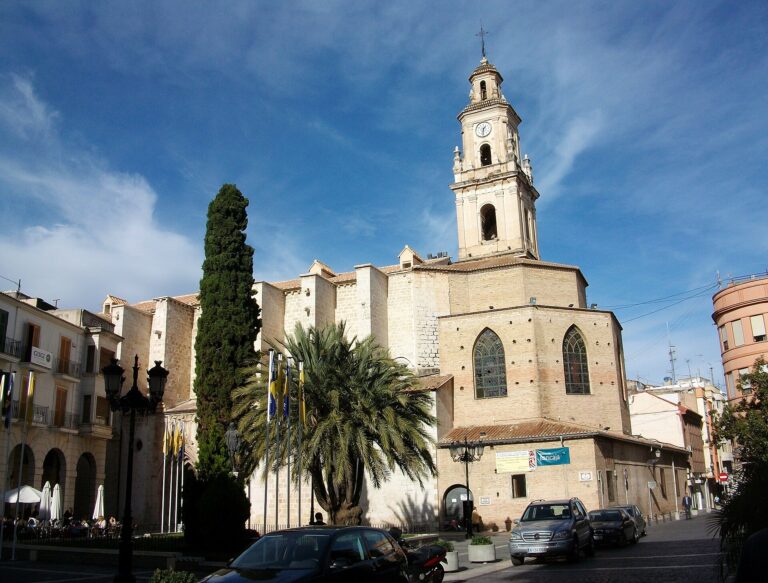
- Collegiate Basilica of Gandia — 0 km, The Collegiate Basilica of Gandia baptised Francis Borgia
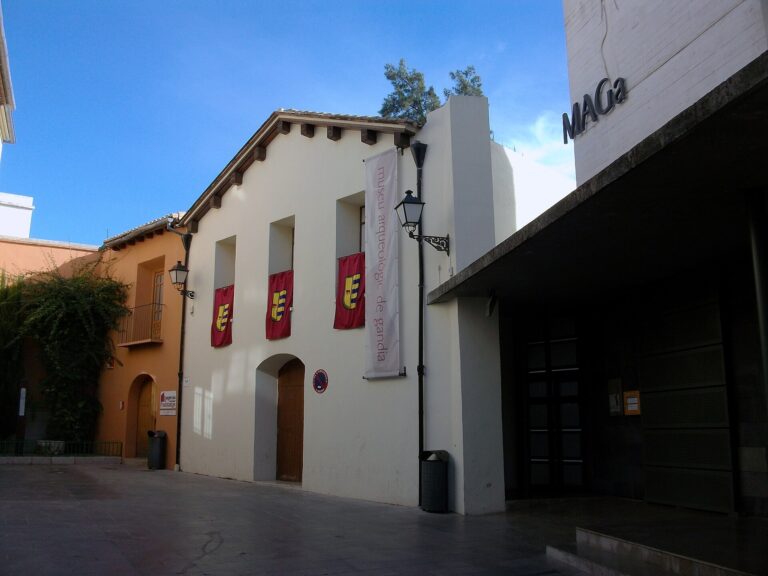
- Archaeological Museum of Gandia — 0 km, Gandia’s archaeological museum closed for 16 years (1987-2003) for research
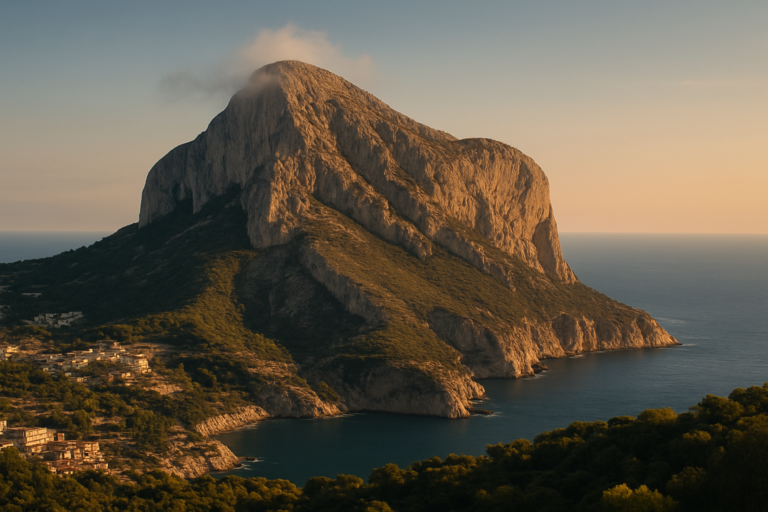
- Montgó — 20 km, The “sleeping elephant”
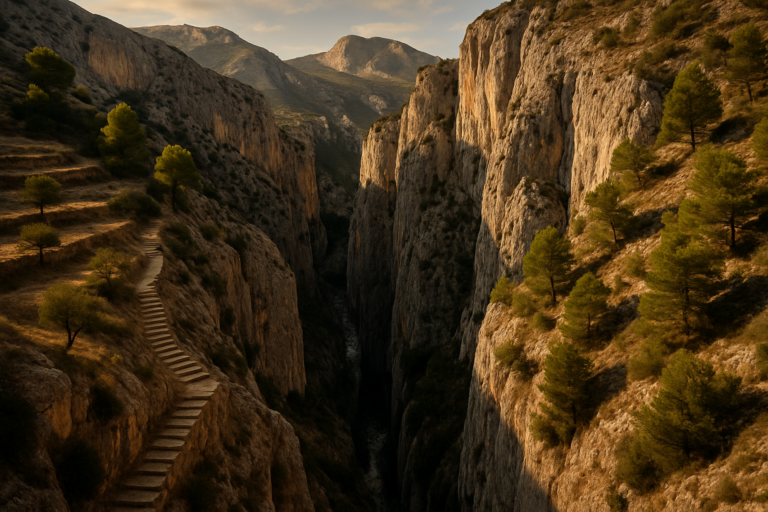
- Barranc de l'Infern — 21 km, One of the Costa Blanca’s most famous hikes: a circular trail
For the wider picture, see the Costa Valenciana guide, which lists every town on this coast.
Frequently asked questions
How do I get from Valencia to the resort?
There is a direct Cercanías commuter train from Valencia to the resort, which is one reason the town is a popular weekend destination for city residents.
How far is Gandia from Alicante?
The town is approximately 110 kilometres north of Alicante, making it a practical coastal stop between the two cities.
Is the main beach family-friendly?
Yes. Playa de Gandia is a wide, Blue Flag urban beach backed by a long promenade with hotels and restaurants—conditions that suit families and visitors who want easy amenities.
Which beach is better for a quiet walk?
Platja de l’Ahuir offers a longer, wilder dune-backed stretch that is less developed than the main urban beach, and it’s the better choice for quieter walks and more open coastline.
How many days should I stay?
A typical visit of two to three days lets you pair an afternoon and evening in the historic centre (Palau Ducal, La Seu, local streets) with a beach day and a short nature outing to the Marjal wetlands or the Monastery of Sant Jeroni de Cotalba.
Is Gandia good for families with children?
Yes. The beachfront facilities and shallow sands at Playa de Gandia suit families, and quieter, family-friendly walks in the nearby wetlands give variety beyond sunbathing.
Can I get around without a car?
Yes. Regular local transport links the historic centre and the beach zone, and the direct commuter rail to Valencia makes car-free travel practical for many visitors.
Is parking difficult near the old town?
The historic centre is compact and more pedestrian-oriented, so central parking can be limited; the beach zone and peripheral areas have more parking typical of seaside resorts.
What are good rainy-day options?
On wet days you can use covered shopping facilities—including local shopping malls and supermarkets like Carrefour and Lidl—for practical needs or take museum and palace visits in the old town (Palau Ducal dels Borja and the Collegiate Basilica) which remain accessible regardless of weather.
When is Cortoons Gandia held?
The Cortoons Gandia animation festival takes place in April, offering a cultural option in spring outside the peak beach season.
Is Gandia expensive compared with Valencia?
Costs vary by season and type of accommodation. Summer beach season usually pushes prices and demand higher due to the influx of domestic holidaymakers; shoulder-season visits generally offer better value and fewer crowds.
What local dishes should I try?
Look for fideuà, the noodle-based seafood dish closely associated with this stretch of the Valencian coast—it’s a local speciality with maritime roots.
Are there wetlands or nature reserves nearby?
Yes. The Marjal de Gandia / Marjal de La Safor is a regional wetland area over 1.2 square kilometres in extent, offering birdwatching and quieter walks close to the shore.
What famous historical figures are connected to the town?
The area was associated with literary figures such as the poet Ausiàs March and the novelist Joanot Martorell, and the Borgia (Borja) family held the ducal title here, leaving a strong architectural legacy.
Can I visit the Monastery of Sant Jeroni de Cotalba?
Yes. The monastery, set among orange groves a short drive inland, is well-preserved and open to visitors, making it a rewarding excursion from the beach or town.
Plan the wider trip
Gandia on the map
Places worth knowing near Gandia
How this page is maintained. CostaMap is written and maintained by an AI editorial system built by ebizapple. Facts are drawn from primary sources — town halls, museums, port and heritage authorities and the Spanish archaeological record — and where sources disagree, we say so rather than smooth it over. Photographs marked as ours are taken on location. This page was last reviewed on 11 August 2026. Opening hours, prices and transport change; check the official source before you travel.