
Expect a small Valencian town whose main appeal isn’t glossy tourism infrastructure but culture rooted in living tradition. This is the place to come for an authentic festival, compact historic streets and food tied to the huerta and rice fields nearby — not for beaches, big museums or a nightlife scene. Plan around what the town truly offers and you’ll leave satisfied; arrive expecting a Mediterranean resort and you’ll be disappointed.
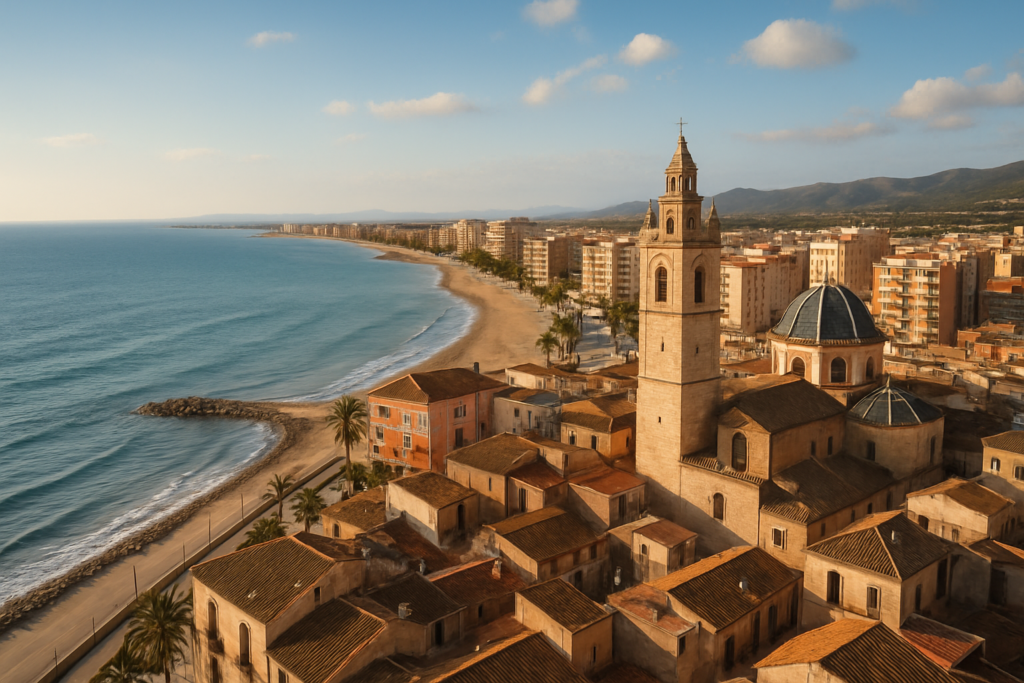
Algemesí at a glance
- Best known for the Festival of La Mare de Déu de la Salut (7–8 September), on UNESCO’s Intangible Cultural Heritage list.
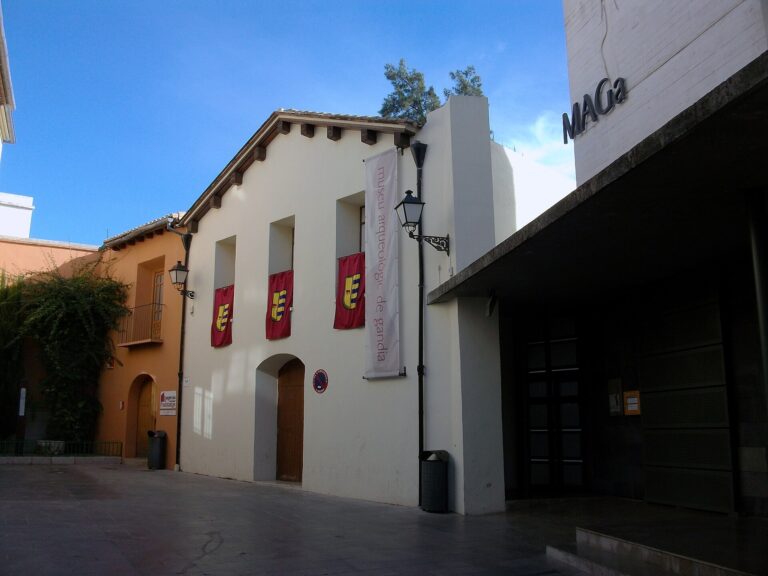
- Home to the Museu Valencià de la Festa, which interprets the UNESCO-listed celebration year‑round.
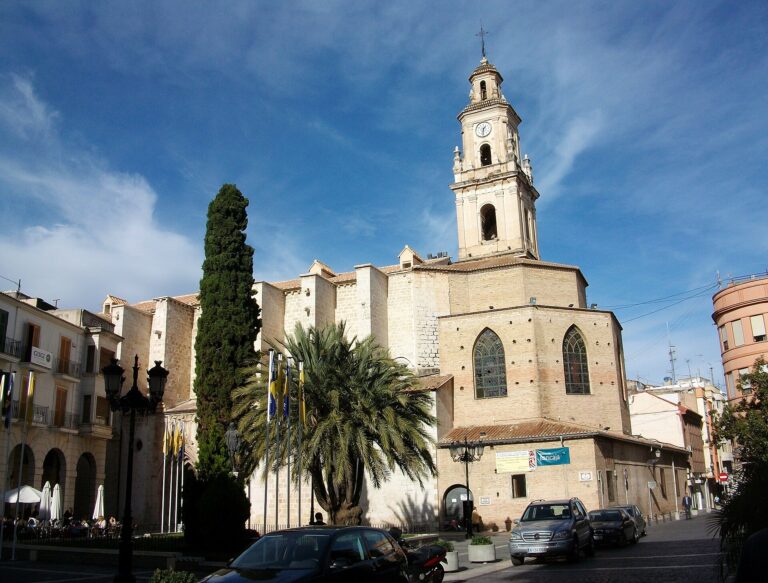
- Dominated visually by the Basílica de Sant Jaume with its distinctive bell tower in the town centre.
- Set in productive huerta farmland famous for oranges and rice; local cuisine highlights rice dishes such as arròs al forn and paella.
- On Valencia’s Cercanías rail network, about 35 km south of Valencia city — an easy day trip by train or road.
- Close to the Xúquer river and the Albufera area for nature and birdwatching within easy reach.
Things to do in Algemesí
The town rewards slow exploration: a handful of compact attractions, a museum devoted to local ritual, processions and dances that are a living tradition, and nearby natural areas. Most visitors stitch together a morning in the old quarter, a museum visit and a stroll by the river or into the rice fields.
| Attraction | What it is | Price/entry | Best for |
|---|---|---|---|
| Museu Valencià de la Festa | Interpretive museum about the town’s UNESCO‑listed festival | — | Cultural context, pre‑festival visits |
| Basílica de Sant Jaume | Large church with a distinctive bell tower dominating the centre | — | Architecture, quick photo stop |
| Old quarter and arcaded squares | Traditional Valencian architecture and arcades | Free | Strolling, local atmosphere |
| Festival processions (7–8 September) | Processions with muixeranga human towers, tornejants and folk dances | — | Festival culture, crowds |
| Xúquer river & Albufera fringe | Nearby river and wetland landscapes for nature and birdlife | — | Nature walks, birdwatching |
Museu Valencià de la Festa
If you plan to visit outside the festival dates, start here. The museum interprets the rituals, costumes and stories behind the UNESCO‑recognised celebration and gives context to the dances and human towers you’ll see in September. It’s the best way to understand what makes the festival distinctive rather than arriving and simply watching a spectacle.
Basílica de Sant Jaume and the old quarter
The church’s bell tower is the visual anchor of the town centre. Wind away from it into the arcaded squares and narrow streets where traditional Valencian architecture and street layout are still legible. This area is where local life is most visible — cafés, bakeries and small shops clustered around the main plaza.
Festival calendar and what you’ll see
When the town stages La Mare de Déu de la Salut in early September the streets fill with processions featuring muixeranga human towers, dancers and the tornejants. The muixeranga here is one of the oldest documented human‑tower traditions in the Valencian lands, and the festival draws visitors from across the region rather than just locals. If your schedule allows, experiencing the festival is the single most distinctive reason to visit.
Best beaches in the area
Algemesí itself is inland and not a beach destination. The nearest coastal beaches are along Valencia’s coast and in neighbouring towns; use the town as a cultural base and combine it with a day on the coast if you want sand and sea.
Algemesí with kids
Families can mix a short, gentle museum visit with roaming the compact old town and a quiet riverside walk. The museum’s focus on costumes, music and human towers tends to engage children more than a conventional art museum, and outdoor processions (if you visit during the festival) are dramatic and family‑friendly. Nearby natural areas offer space for less structured exploration.
How to get to Algemesí and get around
Getting here is straightforward from Valencia: take the Cercanías commuter trains that connect the town with the city, or drive via the A‑7 and N‑340 roads. Once in town almost everything of tourist interest is within walking distance — the centre is compact and pedestrian friendly.
| From | By | Approx time |
|---|---|---|
| Valencia city | Valencian Cercanías rail network | About 35 km south (train connection) |
| Valencia area | Road: A‑7 or N‑340 | Regional road links |
Where to stay in Algemesí
Accommodation options within the town are modest and concentrated around a few areas. Choose according to how you want to spend your time.
- Town centre / around the Basílica: Best for first‑time visitors who want to be within easy walking distance of the museum, shops and restaurants.
- Old quarter and arcaded squares: For atmospheric walks and staying among traditional Valencian architecture.
- Outskirts / huerta edge: Suits visitors who prefer quieter nights and easy access to the rice fields and country lanes.
Best time to visit Algemesí
There are two clear visitor priorities: attending the UNESCO‑listed festival in early September or visiting at other times to explore the town and nearby nature without the crowds. If the festival is your aim, plan well ahead; otherwise spring and autumn offer pleasant weather for walking and sightseeing.
| Season | Months | What to expect |
|---|---|---|
| Festival season | Early September (7–8 September) | La Mare de Déu de la Salut takes place; processions, muixeranga and crowds |
| Shoulder seasons | Spring and autumn | Good weather for walking, quieter streets, easier museum visits |
History of the town
The town’s identity is closely tied to its agricultural setting in the fertile huerta and to ritual performance. Its festival traditions, including the muixeranga human towers, are long documented and form a living cultural practice recognised by UNESCO. The built legacy in the old quarter and the prominence of the Basílica de Sant Jaume reflect the town’s historical role as a local religious and market centre within the Ribera Alta between the Xúquer and Magre rivers.
Practical info
- Transport hubs: The Cercanías rail link to Valencia is the most reliable public‑transport option for visitors; road access is via the A‑7 and N‑340 corridors.
- Food and dining: Local gastronomy focuses on rice dishes such as arròs al forn and paella — eating here means enjoying produce from surrounding huerta and rice fields.
- Nature access: The nearby Xúquer river and the edges of the Albufera wetlands provide straightforward options for birdlife and nature watching without long transfers.
- Walking: The historic centre is compact and walkable; most attractions are a short stroll from each other.
- Accessibility: The town’s streets include historic paving and arcaded squares; mobility needs should be considered when planning routes through the old quarter.
Worth it for: Visitors who prioritise living cultural traditions, festival experiences and authentic Valencian town life. Less so if: you want beaches, extensive nightlife or major museum complexes — the town is inland and compact rather than a resort or city hub.
How we assess this guide
This guide is compiled from verified, cross‑checked sources on local culture, transport links and festivals. We flag the town’s UNESCO‑listed festival and describe the museum that interprets it; we note transport links confirmed by regional rail and road information. We do not claim first‑hand field reporting; instead we synthesize authoritative references and highlight timing and practical considerations to reduce disappointment for visitors.
Nearby on the Costa Valenciana
Towns near Algemesí
- Alzira — 4 km south, a historic island town on the Júcar river
- Carcaixent — 8 km south, Commercial orange cultivation in Spain started in Carcaixent
- Sueca — 11 km east, What Sueca is really like
- Cullera — 16 km east, What Cullera is really like
- Silla — 19 km north
- Tavernes de la Valldigna — 20 km south-east
Places to visit within reach
- Albufera — 18 km, The Albufera is the Costa Valenciana’s natural wonder
- Xàtiva — 23 km, Xàtiva is the Costa Valenciana’s inland showpiece
- City of Arts and Sciences — 30 km, Valencia’s City of Arts and Sciences exists because a 1957 flood
- Valencia Cathedral — 32 km, Valencia Cathedral hid Renaissance frescoes for 357 years
For the wider picture, see the Costa Valenciana guide, which lists every town on this coast.
Frequently asked questions
How do I get from Valencia airport to Algemesí?
Take regional or Cercanías services into Valencia city and then connect on the commuter rail network that serves the town, or travel by road using the A‑7/N‑340 corridors. The town sits about 35 km south of Valencia by rail.
Is Algemesí expensive to visit?
The town is not a high‑price tourist centre; costs mirror small Valencian towns where local dining focuses on rice dishes and markets rather than tourist prices. Plan modestly for meals and local transport.
Which is the best beach if I want to combine culture with a day by the sea?
Algemesí is inland; to reach coastal beaches use Valencia city or nearby coastal towns on the Valencian coast. The town is best combined with a day trip to the beach rather than being a seaside base.
How many days should I spend in the town?
A full day is enough to see the museum, the Basílica de Sant Jaume and wander the old quarter. Add a second day if you want a relaxed visit to nearby river and wetland areas or to time your trip for festival events.
Is the town a good place to bring children?
Yes. The museum’s visual displays and the outdoor processions during the festival are engaging for children, and the compact centre is easy to explore on foot.
Can I get around without a car?
Yes. The commuter rail connects with Valencia and once in town most sites are walkable. Local services and short taxi rides cover any gaps beyond the centre.
Is parking difficult?
Parking is generally easier than in dense urban centres, but availability varies with events — expect busier conditions during festival dates when visitors increase sharply.
What are good rainy‑day options?
Visit the Museu Valencià de la Festa and spend time in cafés or small local museums and churches in the centre. Short drives to larger museums in Valencia are an alternative if wet weather persists.
When is the festival and what happens then?
The Festival of La Mare de Déu de la Salut takes place on 7–8 September. The programme includes processions, folk dances, muixeranga human towers and performances by tornejants; the event is on UNESCO’s Intangible Cultural Heritage list and draws visitors from across the region.
What makes the muixeranga special here?
The muixeranga of this town is one of the oldest documented human‑tower traditions in the Valencian region, forming a central element of the festival and an important piece of local intangible heritage.
Can I see the festival year‑round?
You can’t see the live festival year‑round, but the Museu Valencià de la Festa interprets the festival’s costumes, music and rituals throughout the year so you can learn about the celebration outside of September.
Are there guided tours available?
Local guided options often focus on the festival, the museum and historic walking routes; consult local tourist information or the museum for current guided‑tour offerings and schedules.
Is the town suitable as a base for exploring wider Valencia province?
Yes. Its rail link to Valencia and road connections make it a practical cultural base if you want quieter nights than the city while still accessing urban and coastal destinations.
What local dishes should I try?
Try local rice‑based dishes — arròs al forn and various paella traditions are central to the local gastronomy, reflecting the surrounding rice fields and huerta produce.
Where can I spot birds or enjoy nature nearby?
Use the nearby Xúquer river and the Albufera fringe for nature walks and birdwatching; these wetland and river environments are accessible from the town without long transfers.
Plan the wider trip
- Albal: Arab heritage and Horta Sud life near Valencia
- Alcúdia: Xúquer-bank heritage town in the Ribera Alta
- Cullera
- Gandia
- Silla
- Valencia
Algemesi on the map
Places worth knowing near Algemesi
How this page is maintained. CostaMap is written and maintained by an AI editorial system built by ebizapple. Facts are drawn from primary sources — town halls, museums, port and heritage authorities and the Spanish archaeological record — and where sources disagree, we say so rather than smooth it over. Photographs marked as ours are taken on location. This page was last reviewed on 15 August 2026. Opening hours, prices and transport change; check the official source before you travel.