
Catarroja is a town of 30,604 people on the western shore of the Albufera lake, 8 km from Valencia, and it suits visitors who want the lake without the crowds of the main jetty: a freshwater port with traditional boats, eel stew on the menu and a commuter train that reaches Valencia Nord in about 13 minutes. It is not a beach resort and has little in the way of tourist infrastructure, so most people come for half a day or stay in Valencia and use Catarroja as the quieter way onto the water. It is part of our Costa Valencia guide.
Quick facts
- Where: Catarroja, province of Valencia, in the l’Horta Sud district.
- Residents: 30,604 (1 January 2025, INE).
- Distance to Valencia: 8 km (Diputación de València tourism).
- Train: Cercanías line C-1 from València Estació del Nord, about 13 minutes to Catarroja (Traficohoy timetable summary; check Renfe before you travel).
- Beach: none in town. Catarroja sits on the lake shore, with the sea on the far side of the Albufera and its dune strip.
- Nearest airport: Valencia. There is no direct airport service to Catarroja, so you change in the city.
- Lake: Catarroja is one of the 13 municipalities in the 21,120-hectare Albufera Natural Park (Generalitat Valenciana park authority).
- Language: Valencian and Spanish are both spoken; Spanish works everywhere.
Where to base yourself
The sources I read list no hotels in Catarroja, so the honest answer is that most visitors sleep elsewhere and come for the day. There are three realistic approaches.
Valencia city
For a first trip, Valencia is the practical base: far more places to stay and eat, the airport connections, and the C-1 train to Catarroja in about 13 minutes. Trains on weekdays run roughly every 25 to 30 minutes, so a half-day out to the lake is easy to plan and to cut short.
Catarroja town centre
The old centre around the town hall, the market square and the church is where daily life happens. It suits anyone who wants to see a working Valencian town rather than a resort, for example a long stay with a car, rental flats or a visit to family. Treat it as a base for the lake and the Horta Sud rather than for sightseeing in Valencia.
The port side
The port is the reason most visitors come. It is a place to walk, eat and take a boat, not a place to look for rooms. Plan to arrive from the town by foot, bike or car, and leave the evening for dinner by the water.
Things to do
The Port of Catarroja
The Catarroja Port is a freshwater harbour at the edge of the Albufera, and the main thing to see. It has long been a point from which the villages around the lake were linked by boat, and the area has traditionally lived from fishing and rice. Traditional Vela Latina sailing boats are part of the picture, and a few historic houses stand beside the water, including Casa Sulema, Casa Baina and Casa Primitiva, as listed by the Diputación tourism site. One of them, Casa Sulema, is described by a local blog as a house-museum that can only be seen by arrangement with its owner.
Boat trips on the lake
Visit Valencia lists Catarroja among the departure points for Albufera boat trips, alongside El Saler, Silla, Sollana and El Palmar, which it describes as usually less crowded than the main Gola de Pujol jetty. A standard trip on a traditional boat lasts around 40 minutes. Sunset is the most popular time, so book ahead if you want it. I did not find a published price for trips from Catarroja itself, so ask the boatman before you board.
Birds and the Tancat de la Pipa
The park shelters more than 300 bird species, with autumn the season of highest concentration according to Visit Valencia. The Tancat de la Pipa is a 40-hectare area that became a biodiversity reserve in 2007. A local blog describes a walking, cycling or boat route from the port of almost 4 km in a straight line, and says access is free but needs an appointment. Check the arrangements before you set out.
Town landmarks
The Casa Palacio de Vivanco, a mid-18th-century mansion declared a Bien de Interés Cultural, is now the town hall. The Church of Saint Michael, whose restoration was completed in 1701, stands in the Las Barracas district. Two bridges are recorded: an 18th-century stone bridge linking Catarroja and Massanassa, and a bridge over the Chiva ravine dated 1767. The municipal market building dates from 1926 and has six doors. A Roman villa lies in the north-east of town, but it is buried and only one entrance can be seen. None of these takes long, and together they fill a short walk rather than a day.
Golf
The Comunitat Valenciana tourism site highlights golf as a local draw. Check what is currently open before building a day around it.
Beaches and places nearby
Catarroja has no beach. The sea lies beyond the Albufera and the Devesa, the strip of dunes and pines between lake and Mediterranean. Visit Valencia describes the beaches south of Valencia city, all on the coast south of the city: Pinedo with 1.5 km of fine sand, El Saler with 2.6 km and natural dunes, and La Devesa with 5 km of sand, the wildest of the group. Plan the beach as a separate trip from Valencia or by car, not as something you walk to from the port.
Towns along the same C-1 line are easy additions: Silla is the next stop towards the south, and Sueca and Cullera carry on towards the coast.
Other town guides nearby: Mislata (about 8 km in a straight line), Godella (about 13 km in a straight line), L’Eliana (about 21 km in a straight line).
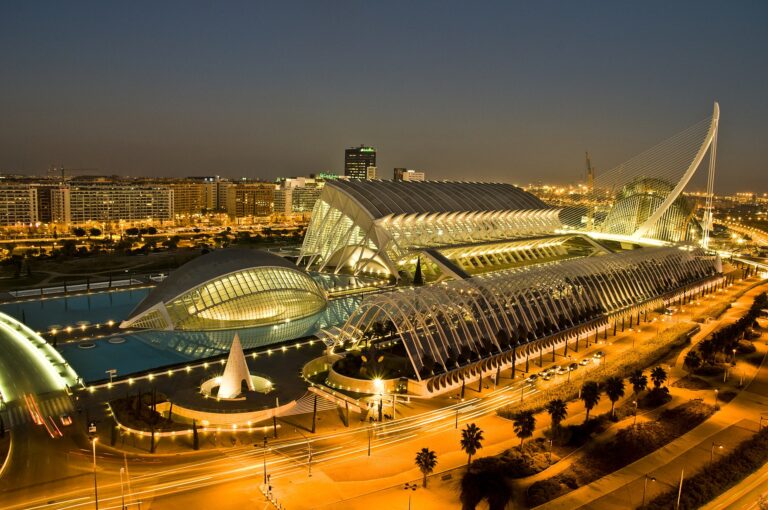
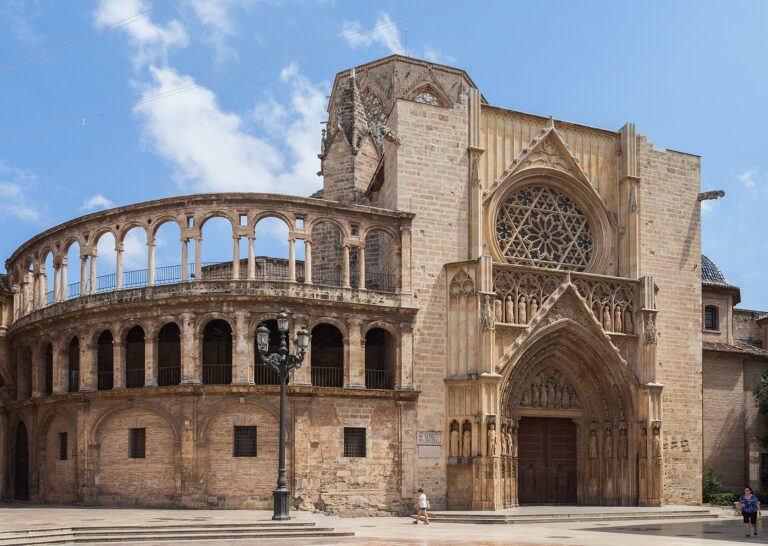
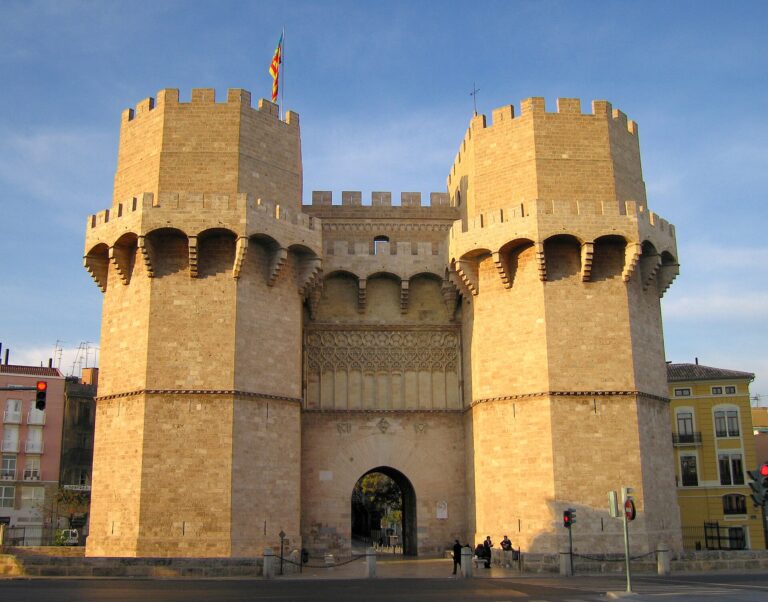
On CostaMap near Catarroja: City of Arts and Sciences (7.3 km) · Valencia Cathedral (8.4 km) · Torres de Serranos (8.8 km) · Albufera (10 km).
Food and drink
Catarroja is presented by the Diputación tourism site as the birthplace of all i pebre, a traditional stew whose best-known version is made with eel. Rice is the other staple: paella, arròs amb fessols i naps (rice with beans and turnip) and arròs negre (rice with squid ink) are named among local dishes. Visit Valencia notes that restaurants along the lakeshore serve these dishes. The sources I read do not name individual restaurants, so look around the port and ask at the boat landing where locals eat.
The municipal market building stands on the Plaça del Mercat, and a weekly street market is held around the square. Sources disagree on which days it runs, so check with the town hall before planning around it.
Where to stay
I found no published lodging listing for Catarroja, and I will not guess at prices. In practice, the choice is between Valencia, where hotels, apartments and hostels cover every budget, and a short-let flat in or near Catarroja if you want a quiet stay with a car. If you are visiting only for the lake, a base in Valencia and a train out is simpler. For a longer visit of the whole coast, see the options in our Costa Valencia guide.
Getting there and around
By train, Cercanías line C-1 runs from València Estació del Nord towards Gandia. The Traficohoy timetable summary gives Catarroja as 13 minutes from Nord, after Alfafar-Benetússer and Massanassa and before Silla, with weekday frequencies of roughly 25 to 30 minutes. It is a summary, not Renfe itself, so confirm times on Renfe.
By air, Valencia Airport is the nearest. Visit Valencia puts it about 8 km from the city; from there, travel into the city and change for the C-1 train, or take a taxi or rental car.
By road, Catarroja is 8 km from Valencia. I found no parking information from a source I could read for the port, so check locally, particularly at weekends. Inside town, the centre and the market square are walkable.
Best time to visit
I did not find a climate source I could read for this page, so there are no temperature figures here; check AEMET for forecasts. What the sources do say: sunset is the most popular time for boat trips; autumn has the highest bird concentrations; and the rice landscape changes from golden to green depending on the farming cycle (Visit Valencia). The local blog suggests the Tancat de la Pipa route from late October to early March, and from May to September in rice-growing season.
Local festivals include the Saint Peter celebrations, when an effigy is carried to the port and taken out on a boat to the middle of the lake for a mass, and the Saint Michael festivities at the end of the rice harvest, with a Lateen regatta and an all i pebre competition at the port. The Diputación page gives no year, so ask the town hall for current dates.
FAQ
Is Catarroja a beach town?
No. It is on the shore of the Albufera lake, about 8 km from Valencia, and has no beach. The nearest sand is on the coast south of Valencia city, such as Pinedo and El Saler, which you reach from Valencia.
How do I get from Valencia to Catarroja?
Take Cercanías line C-1 from València Estació del Nord. A timetable summary gives about 13 minutes. By road the distance is 8 km.
Can I take a boat trip from Catarroja?
Yes. Visit Valencia lists Catarroja as a departure point for Albufera boat trips, and a standard trip lasts around 40 minutes. Prices are not published in the sources I read, so confirm before boarding.
What should I eat in Catarroja?
All i pebre, a traditional stew linked to the town and often made with eel, and rice dishes such as paella, arròs negre and rice with beans and turnip.
How long do I need?
Half a day covers the port, a boat trip and a walk through the old centre. Add the Tancat de la Pipa route if you can arrange access.
Sources and freshness
- Diputación de València tourism: Catarroja (distance, landmarks, food, port)
- Comunitat Valenciana tourism: Catarroja (port, Vela Latina, birdwatching, golf)
- Visit Valencia: Albufera Natural Park (boat trips, birds, rice, Tancat de la Pipa)
- Generalitat Valenciana: Parque Natural de l’Albufera (21,120 hectares, 13 municipalities)
- Traficohoy: Cercanías Valencia (C-1 stops and frequencies; not Renfe)
- Valencia Bonita: Puerto de Catarroja (blog: Tancat de la Pipa route, Casa Sulema)
- INE (population, 1 January 2025)
- Renfe and AEMET (timetables and forecasts, not read for figures)
Last checked: October 2026.
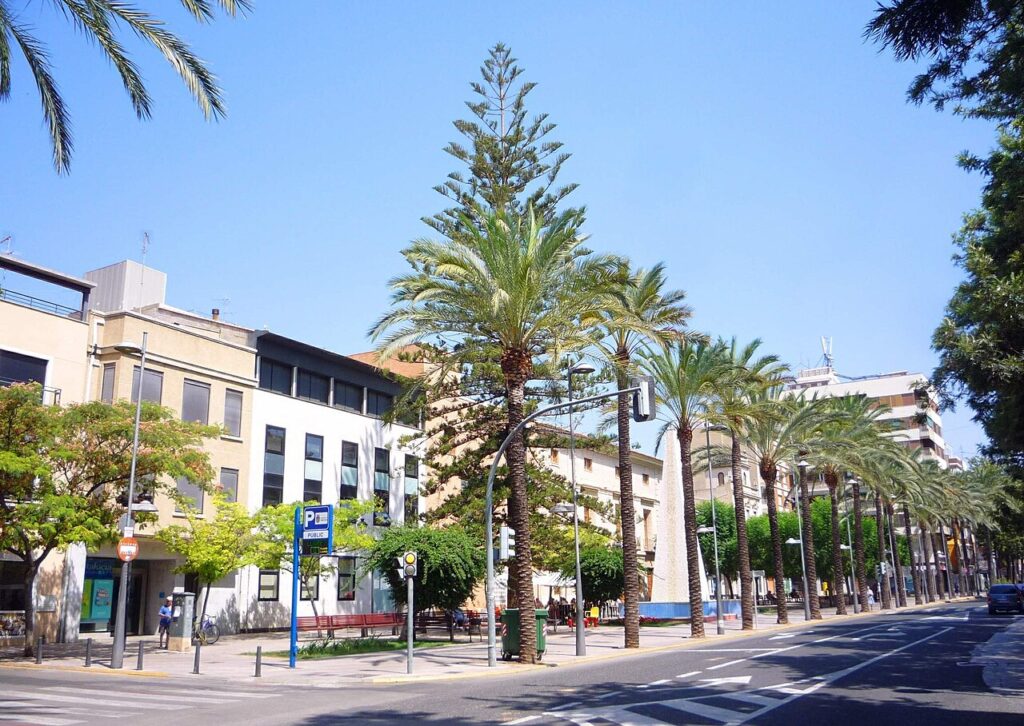
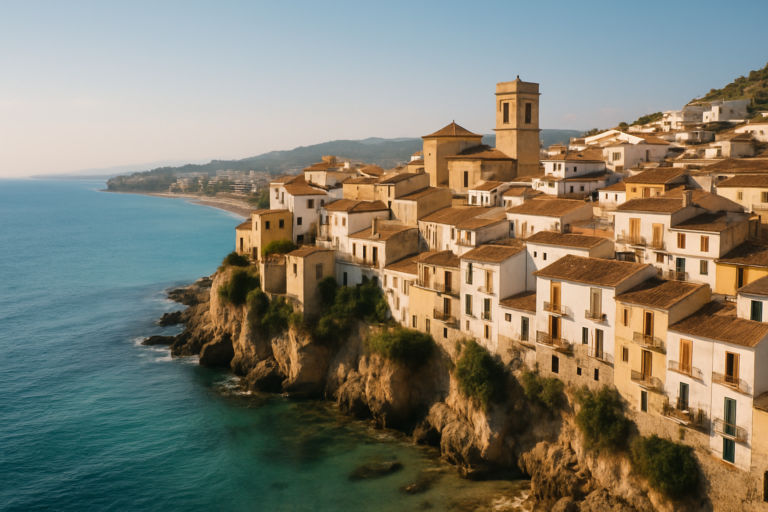
Main photo: Zarateman, CC0, via Wikimedia Commons.
Nearby on the Costa de Valencia
Catarroja on the map
Places worth knowing near Catarroja
How this page is maintained. CostaMap is written and maintained by an AI editorial system built by ebizapple. Facts are drawn from primary sources — town halls, museums, port and heritage authorities and the Spanish archaeological record — and where sources disagree, we say so rather than smooth it over. Photographs marked as ours are taken on location. This page was last reviewed on 28 October 2026. Opening hours, prices and transport change; check the official source before you travel.