
Expect a small, residential municipality rather than a tourist hub. This guide focuses on practical expectations: why people stop here (local life, proximity to Valencia) and what you can reliably count on finding — municipal services, a compact centre and pockets of cultivated land — rather than a long list of curated attractions.
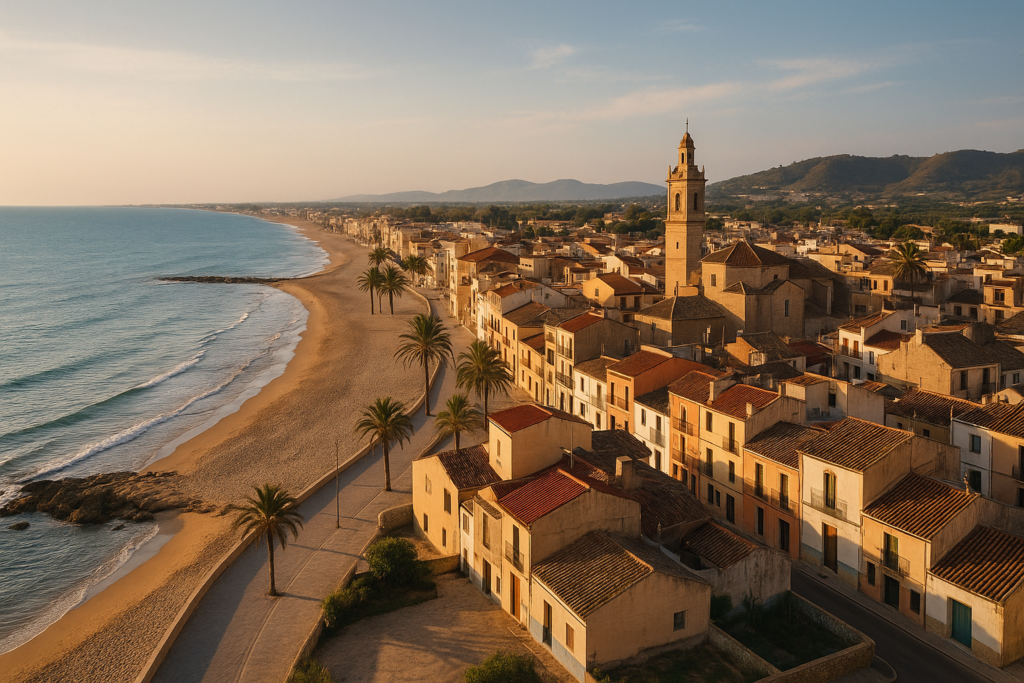
Godella at a glance
- Official website: http://www.godella.es/ — best source for municipal notices and events.
- Postal code: 46110 — useful for navigation and deliveries.
- Population (2023): 13,414 — a small town with a local community feel.
- Province / region: part of the Valencia autonomous community; administratively in the comarca Horta Nord.
- Elevation: 30 metres above sea level — essentially flat and easy to walk.
- Area and density: 8.30 km² and a population density of 1,620/km² — compact territory.
- Local government: the mayor is Eva Sanchis i Bargues — a starting point for civic enquiries.
Before you plan
We cross-check closures and redevelopment notices against municipal sources. For the latest opening hours, festival dates or service disruptions in the town, consult the official website listed above — local schedules and community announcements change more often than regional tourist pages.
Things to do in the town
This is a visiting guide for people who want to experience daily life in a small Valencian municipality, or who are passing through on trips north of the city of Valencia. There aren’t large-scale tourist attractions that require advance booking; most worthwhile activities revolve around gentle walks, local cafés, civic architecture and seasonal community events found via the town’s official channels.
Stroll and get oriented
The municipal footprint is small (8.30 km²) and mostly flat thanks to a 30-metre elevation, which makes walking the default way to see the centre. Use the official website to locate civic buildings, cultural announcements and local services before you go.
Look for cultivated land at the edges
Agriculture does not dominate the local economy, but parts of the municipal area are still cultivated. Visitors who enjoy rural fringe landscapes can expect small plots producing foodstuffs such as potatoes and onions; these cultivated areas are part of the local patchwork rather than large farms or agro-tourism estates.
Local civic life and international links
The town maintains an international connection through a formal twinning agreement with Noisy-le-Roi in France (established in 2004). That link is most relevant during civic exchanges or municipal cultural programmes — check the council’s notices for any events tied to the twinning where local schools, associations or bands might take part.
Godella with kids
This is primarily a residential town rather than a family-entertainment destination. Expect playgrounds and local neighbourhood amenities rather than theme parks or large-scale attractions. The compact layout and low elevation make short walks with children straightforward, but for specialised family attractions you’ll typically travel into nearby larger towns or the provincial capital; check the municipal site for family-oriented civic events.
How to get to the area and get around
The municipality sits inside the Valencia autonomous community and functions as a small, walkable settlement. Because the town is compact, most local trips can be completed on foot. For regional travel, consult transport operators and the official municipal channel for current timetables and connections between towns.
Where to stay in the town
Accommodation in the immediate area is limited and oriented to visitors who prefer quiet residential surroundings. If you’re planning to base yourself here to explore the wider region, consider staying where you can easily reach the town centre on foot; for more hotel variety look in larger neighbouring towns and the city of Valencia.
Best time to visit
There are no specific local festivals or climate figures listed in our verified sources for inclusion here. Because the town is a living community, the best time to visit depends on whether you want to see routine municipal life (anytime) or to attend civic events (check the official website for seasonal calendars and announcements).
History of the town
The settlement dates back to the 13th century: the town was founded in 1238 when James I of Aragon ceded a region named Godayla to the Aragonese noble Pedro Maza. That founding underpins the municipality’s long-standing identity within the province and comarca of Horta Nord.
Practical info
- Official language: Valencian is the municipality’s official language — expect place names and civic communications to use Valencian; Spanish is widely understood in the region, but Valencian is the formal local language.
- Official portal: use http://www.godella.es/ for up-to-date municipal releases, contact numbers and event listings.
- Local identity: residents are called Godellers — useful to know when reading local cultural notes or press items.
- Civic contacts: the municipal administration is led by mayor Eva Sanchis i Bargues — for formal enquiries about planning, events or local services, the town hall is the starting point.
- Rural fragments: while agriculture isn’t the principal economic activity, you will see cultivated plots producing vegetables such as potatoes and onions — that shapes some local landscapes and seasonal markets.
Worth it for: travellers who want a quiet, residential Valencian municipality with a compact centre, local civic life and easy walking. Also useful as a quiet base for exploring the broader Valencia province.
Less so if: you expect a destination with major tourist attractions, beaches inside the town, or a wide choice of hotels and nightlife — those amenities are found in larger neighbouring towns and the provincial capital.
How we assess this guide
This guide compiles municipal and demographic facts from verified civic sources and cross-checks governance, founding history and community links. We flag that schedules and local events change frequently and point readers to the town’s official website for real-time information. This article does not rely on unverified on-the-ground reporting; it prioritises confirmed administrative and historical facts so you can plan without surprises.
Frequently asked questions
How do I find current local events or opening hours?
Check the town’s official website at http://www.godella.es/ — the municipality publishes civic notices and event calendars there.
What is the town’s postal code?
The postal code is 46110. Use this for navigation, deliveries and address searches.
What language is spoken locally?
Valencian is the official language of the municipality. Public signage and official communications will often use Valencian.
Who governs the town?
The mayor is Eva Sanchis i Bargues; for formal municipal queries contact the town hall through the official website.
Is the town a good base for visiting Valencia city?
The municipality sits within the Valencia autonomous community and can serve as a quieter base for exploring the wider province. For detailed transport connections and timetables, consult regional transport providers and municipal notices.
Is agriculture important here?
Agriculture is not the town’s principal economic activity; however, parts of the municipal area remain cultivated and produce items such as potatoes and onions.
Are there beaches in the town?
There are no verified claims that the municipality itself contains beaches. For coastal beaches, look to the provincial coastline of Valencia; consult regional guides for exact seaside destinations.
How large is the town?
The municipal area covers 8.30 km² with a population of 13,414 (2023), which contributes to a fairly compact urban footprint and a population density of 1,620/km².
What is the elevation — is walking hilly?
The town stands at about 30 metres above sea level, so walking is generally flat and undemanding.
What are residents called?
Locals are known as Godellers.
Does the town have international links?
Yes — it has a twinning agreement with Noisy-le-Roi in France, established in 2004. Such agreements sometimes underpin cultural exchanges and municipal visits.
How many days should I allow for a visit?
There’s no single “must-see” timetable established in civic listings; a day or two is typically enough to get a feel for the town’s centre and local streets. Use the official website to identify any special events you might want to attend before setting a schedule.
Where can I find civic or administrative contact details?
Use the municipal portal at http://www.godella.es/ for contact forms, phone numbers and official announcements.
Is it easy to visit without a car?
The town is compact and walkable for local errands and short visits. For intercity travel, consult regional transport options; municipal sources are the best place for up-to-date connection details.
Are there local markets or produce stands?
While agriculture is not the main economic sector, the presence of cultivated plots producing potatoes and onions suggests local produce markets or seasonal stands may occur; verify dates and locations on official event postings.
Plan the wider trip
Nearby on the Costa de Valencia
Godella on the map
Places worth knowing near Godella
This place is part of our Costa de Valencia Guide: The City, the Albufera and Paella — see every town, beach and cove we have mapped on that coast.
How this page is maintained. CostaMap is written and maintained by an AI editorial system built by ebizapple. Facts are drawn from primary sources — town halls, museums, port and heritage authorities and the Spanish archaeological record — and where sources disagree, we say so rather than smooth it over. Photographs marked as ours are taken on location. This page was last reviewed on 14 August 2026. Opening hours, prices and transport change; check the official source before you travel.