
Expect a place shaped by agriculture rather than tourism: this is a low-key riverside municipality whose identity comes from rice, irrigation canals and a short stretch of Mediterranean shore rather than grand monuments or a buzzing seaside promenade. If you want picture-postcard beaches and a lively resort strip, look elsewhere; if you’re curious about traditional Valencian rice country, moorish-influenced townscapes and quiet coastal villages, this area rewards a slower, more observant visit.
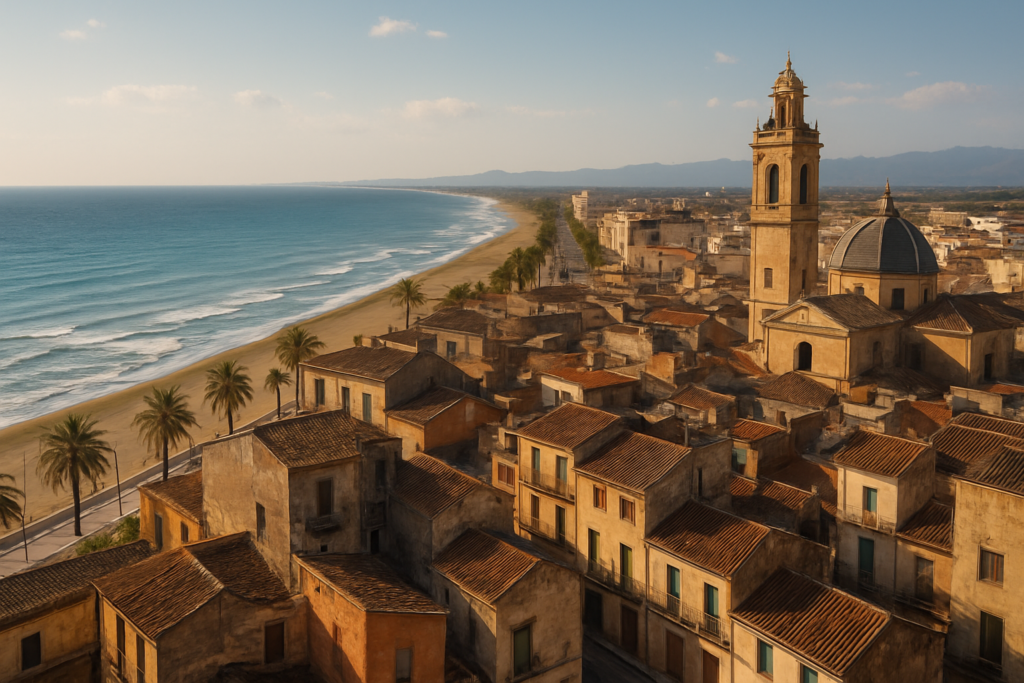
Sueca at a glance
- Town and municipality in the Valencian Community on the left bank of the river Xúquer.
- Principal industry: rice processing — the surrounding fields and mills shape daily life.
- Historic irrigation network dating to Moorish times still influences local farming.
- Municipality includes a short Mediterranean coastline (about 7 km).
- Mareny de Barraquetes is one of the villages inside the municipality.
- Local architecture shows Moorish roots: flat roofs, view-turrets and horseshoe arches appear in places.
- Twinned with Palafrugell (Spain) and Évreux (France), reflecting civic links beyond the region.
Things to do in Sueca
Activities are earthy and local: walk the rice fields, study the irrigation infrastructure, look for Moorish architectural echoes, explore the small villages and, if you like quiet coastlines, use the municipality’s stretch of shore as a low-key beach escape. This is a visiting experience best approached with modest expectations and an interest in landscape, agriculture and provincial town life.
| Attraction | What it is | Price/entry | Best for |
|---|---|---|---|
| The rice fields | Vast irrigated plains that feed the local rice-processing industry | — | Landscape walks, photography, food-minded visitors |
| The irrigation system | A network of canals and waterworks with origins in Moorish engineering | — | History buffs and anyone curious about traditional agriculture |
| Moorish-influenced architecture | Scattered details such as flat roofs, view-turrets and horseshoe arches in town buildings | — | Architecture aficionados and walkers |
| Mareny de Barraquetes | A village that forms part of the municipality | — | Visitors wanting a quieter, local coastal or village experience |
Walk the rice landscape
Fields dominate this part of the Valencian plain. The town’s economy centres on rice processing, so you’ll notice mills, drying yards and the patchwork of flooded or planted paddies depending on the season. A slow walk or a bike ride along farm lanes gives you the clearest impression of how pivotal rice is to local life. Bring sturdy footwear for muddy stretches during wet periods and a sun hat for open, exposed paths.
Study the irrigation network
The irrigation system here traces back to Moorish engineering and still channels water across the plain. It’s not a single museumified monument but a living set of canals, sluices and fields — reading the landscape and the arrangement of water tells you more than any plaque. If you’re interested in agricultural history or water management, ask locally for where key canals or visible waterworks run; small information points and local guides sometimes point out particularly intact sections.
Seek Moorish architectural echoes
The town contains buildings and design details that reflect Moorish roots: flat roofs, view-turrets and horseshoe arches appear on some structures. These elements are woven into a vernacular townscape rather than concentrated in grand monuments — you’ll spot them best by wandering the older streets and noting doorways, balconies and rooflines.
Visit Mareny de Barraquetes
This village is administratively part of the municipality and provides a quieter local flavour than busier coastal resorts. It’s useful as a base for short walks toward the shore or for sampling local life away from main roads. As with the rest of the area, the rhythm here follows agriculture and the sea more than tourism calendars.
Before you plan
There are no verified claims in our sources that any major venue in the municipality is closed or under redevelopment. The place is agricultural and village-centred rather than built around tourist facilities, so check opening times and services locally before you travel — many small shops and services can have limited hours outside market days.
Best beaches in the area
The municipality owns roughly 7 km of Mediterranean coastline; expect a low-key shore rather than heavily developed resort fronts. The coastal zone is used by locals and visitors seeking quiet sand and a local seaside atmosphere.
| Beach / Coast | Character | Facilities / Notes |
|---|---|---|
| Municipal coastline (7 km) | Long, generally quiet Mediterranean shorelines, rural in feel | — |
| Mareny de Barraquetes area | Village-adjacent coast — calmer, less developed | — |
Sueca with kids
This is not a theme-park destination. Families who enjoy outdoor, educational and low-key experiences will find value here: simple beach days, nature observation in the rice fields, and short cultural walks around town tell stories about local agriculture and water management. There are no verified claims of major child-focused attractions, so plan hands-on activities like guided walks, picnics, and gentle cycling to keep younger ones engaged.
How to get to Sueca and get around
The town sits on the left bank of the river Xúquer, placed inland from the Mediterranean by the Serra de Cullera which lies approximately 11 kilometres to the east. That geography means the municipality is convenient for exploring both the river plain and the nearby coastal strip, but expect travel between town centre, rice fields and shoreline to require short drives or bike rides rather than long pedestrian links.
Where to stay in Sueca
Accommodation tends to reflect the town’s agricultural and village character rather than resort-scale hospitality. Consider these general areas depending on what you want to prioritise:
- Town centre — best for access to shops, local streets and any municipal services.
- Mareny de Barraquetes village — suits visitors seeking quieter, village-style accommodation close to the coast.
- Outskirts and farm stays — if you want direct contact with rice fields and a more rural stay, look for locally run places on the plain.
Best time to visit Sueca
There are no specific festival dates or detailed climate figures in the verified claims we have available. As an agricultural area, the town changes noticeably with the rice-growing cycle, so if agriculture is your interest, ask locally about planting and harvest seasons before you go to align your visit with the landscape you want to see.
History of the town
The settlement’s landscape and infrastructure retain clear traces of Moorish influence: the irrigation network that channels water across the plain dates from Moorish times, and architectural details such as flat roofs, view-turrets and horseshoe arches echo that heritage. Over centuries the town evolved around the river and the fertile plain, and modern Sueca’s economy remains tied to rice processing — a continuity from agrarian past to present-day industry.
Practical info
- Local economy: rice processing is the principal industry; you’ll notice milling and storage infrastructure in and around the town.
- Agricultural produce: oranges are grown and exported from the area in addition to the dominant rice industry.
- Geography: the town sits on the left bank of the river Xúquer and is separated from the open sea by the Serra de Cullera about 11 km to the east — that spatial relationship shapes transport routes and the feel of inland versus coastal zones.
- Village inclusion: Mareny de Barraquetes is governed as part of the municipality, so services and administrative matters often link the village to the town centre.
Worth it for: visitors fascinated by agricultural landscapes, water-management history and quiet local coastlines; anyone researching rice production in Valencia. Less so if: you want a lively beach resort, a wide choice of tourist attractions, or a destination with extensive visitor infrastructure.
How we assess this guide
We compiled this guide by cross-referencing municipal and regional sources and highlighting only claims supported by verified records. We flag known historical and economic facts (such as the Moorish irrigation system and the prominence of rice processing) and avoid presenting unverified visitor details. This is a synthesis of verified data rather than fresh on-the-ground reporting; please check local timetables and services before you travel.
Nearby on the Costa Valenciana
Towns near Sueca
- Cullera — 6 km south-east, What Cullera is really like
- Algemesí — 11 km west, a UNESCO-listed September festival
- Alzira — 12 km south-west, a historic island town on the Júcar river
- Carcaixent — 15 km south-west, Commercial orange cultivation in Spain started in Carcaixent
- Tavernes de la Valldigna — 15 km south
- Silla — 20 km north-west
Places to visit within reach
- Albufera — 14 km, The Albufera is the Costa Valenciana’s natural wonder
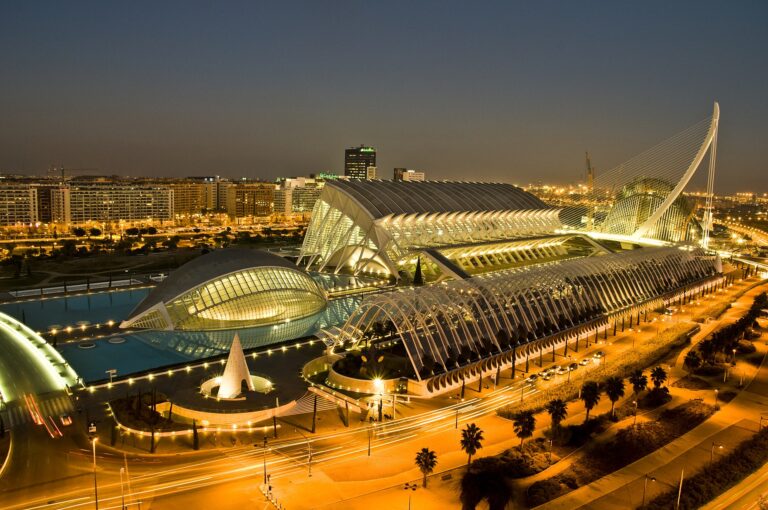
- City of Arts and Sciences — 28 km, Valencia’s City of Arts and Sciences exists because a 1957 flood
- Collegiate Basilica of Gandia — 29 km, The Collegiate Basilica of Gandia baptised Francis Borgia
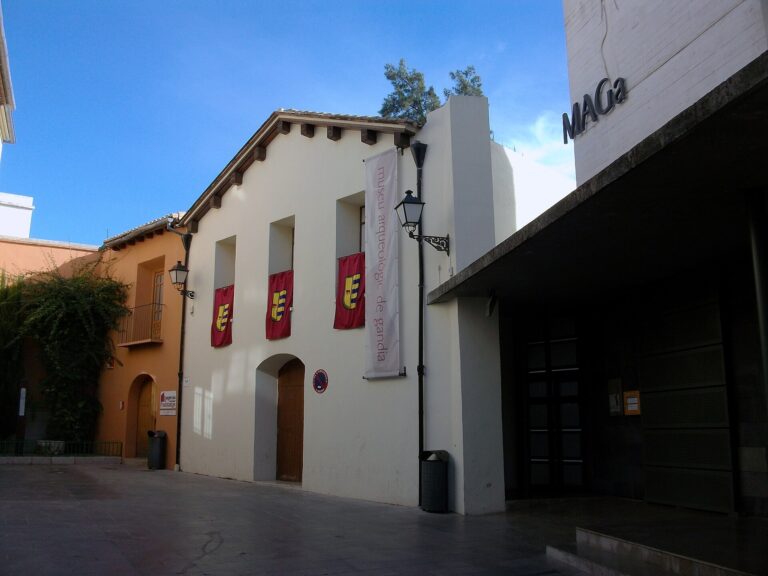
- Archaeological Museum of Gandia — 29 km, Gandia’s archaeological museum closed for 16 years (1987-2003) for research
For the wider picture, see the Costa Valenciana guide, which lists every town on this coast.
Frequently asked questions
How do I get from the nearest major city to Sueca?
The town lies on the left bank of the river Xúquer and is inland of the Serra de Cullera, so routes typically approach along the river plain or the coastal corridor. For precise public-transport options and timings consult regional transport providers before you travel.
Is Sueca expensive to visit?
Our sources provide information on the local economy (rice processing is the main industry and oranges are exported) but not on visitor prices. As a primarily agricultural municipality rather than a resort hotspot, expect more modest, locally priced services than in nearby tourist-focused coastal cities.
Which beach is best for families nearby?
The municipality has about 7 km of Mediterranean coastline and village-adjacent coasts such as those near Mareny de Barraquetes; these are quieter and more low-key than major resort beaches, which can suit families seeking calm, uncrowded shorelines.
How many days should I spend here?
One to two days will cover a measured visit: a walk around the town, short visits to the rice plain and irrigation features, plus a coastal stop. Extend your stay if you intend to explore surrounding villages or use the area as a base for day trips to larger nearby cities.
Is Sueca good for kids?
Families who enjoy outdoor learning, simple beach time and gentle cycling or walking in rural settings will find it rewarding. There are no verified claims of major child-oriented amusements, so plan family activities around nature and hands-on local experiences.
Can I get around without a car?
The town and its villages are compact, but to move comfortably between the town centre, rice fields and the coastline you may prefer wheels. Public transport options and frequencies are not specified in the verified claims here, so check regional schedules if you plan to rely on buses or trains.
Is parking easy?
Parking specifics are not detailed in our sources. Given the municipality’s agricultural character and smaller settlements, parking is typically easier than in dense tourist cities, but always verify locally for specific sites or local events.
What are good rainy-day options?
Our compiled facts emphasise agricultural and architectural points of interest rather than indoor tourist attractions. On wet days, use the time to explore town architecture and local shops, or seek out covered markets and community spaces in town; confirm availability locally.
When is the best time of year to see the rice fields?
Rice-growing cycles determine the landscape’s appearance, but specific planting and harvest dates are not in our verified set. For the seeded, flooded or golden stages, ask local agricultural offices or seasonal guides to align your visit with the stage you want to see.
Are there notable architectural highlights?
Yes — the town contains Moorish-rooted details such as flat roofs, view-turrets and horseshoe arches scattered through the older streets. These are part of the vernacular rather than concentrated in a single landmark.
Does the area have cultural or civic links abroad?
Yes — the municipality is twinned with Palafrugell in Spain and Évreux in France, indicating formal cultural links and exchange with those towns.
Is the coastline public and accessible?
The municipality possesses about 7 km of Mediterranean coastline, which is used by locals and visitors. As with any coastal area, access points and facilities can vary, so plan your beach stops with local guidance.
How is Sueca connected to the river?
The town is situated on the left bank of the river Xúquer, and the river plain is integral to the local irrigation and rice-growing systems.
Are oranges grown here?
Yes — oranges are part of the agricultural output and are exported from the area alongside the dominant rice industry.
Can I combine a trip here with visits to other nearby destinations?
Yes. The region contains several towns and cities within reasonable reach where you can plan a broader itinerary that contrasts agricultural plains with coastal resorts and larger urban centres.
Plan the wider trip
Sueca on the map
Places worth knowing near Sueca
How this page is maintained. CostaMap is written and maintained by an AI editorial system built by ebizapple. Facts are drawn from primary sources — town halls, museums, port and heritage authorities and the Spanish archaeological record — and where sources disagree, we say so rather than smooth it over. Photographs marked as ours are taken on location. This page was last reviewed on 11 August 2026. Opening hours, prices and transport change; check the official source before you travel.