
Expect a small, working town where one single event eclipses everything else: an iconic, chaotic tomato fight that draws tens of thousands from across Europe. Outside the festival weekend the place is quiet, ringed by scrubby mountain ranges, a river that runs through town and an economy split between farms and factories. If you arrive hoping for a sun-and-sand resort, prepare to be disappointed; if you come curious about Spain’s quirkiest mass celebration, or you like short mountain walks and compact, walkable streets, this is worth a detour.
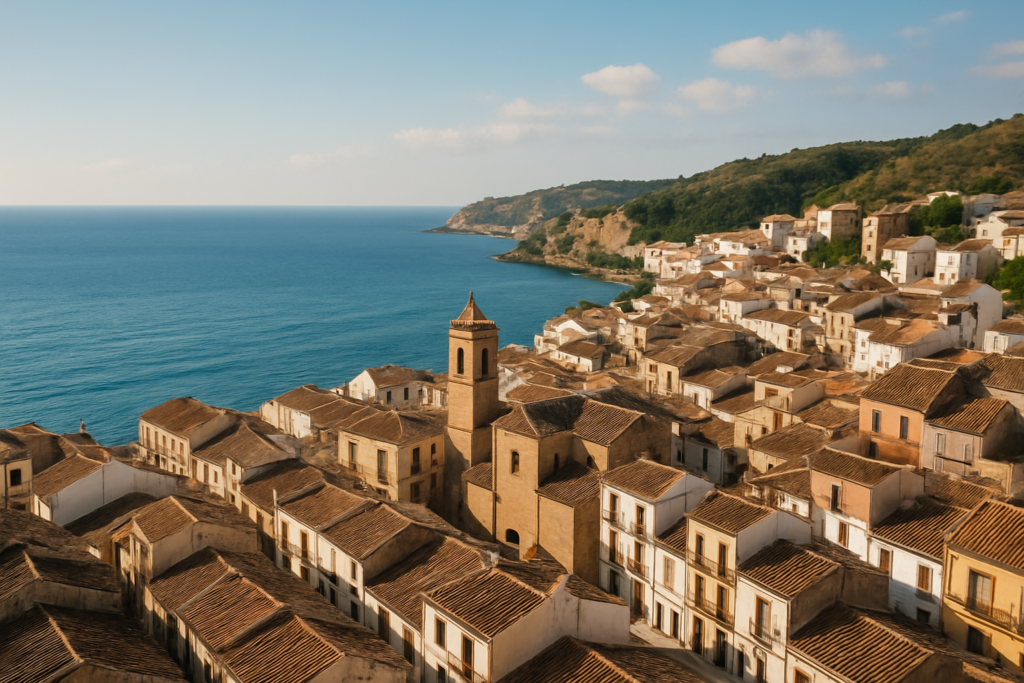
Buñol at a glance
- Small town and municipality in the province of Valencia, Spain; population about 9,000.
- Approximately 38 km west of Valencia city — regional rail connects the town with Valencia via Renfe.
- Home each year to La Tomatina, a tomato‑throwing festival that attracts upwards of 40,000 people and uses over 115,000 kg of tomatoes.
- Landscape: the town lies along the Buñol River and is surrounded by the ranges La Sierra de Las Cabrillas, la Sierra de Dos Aguas and la Sierra de Malacara y Martés.
- Local economy mixes industrial activity with agriculture — crops include carob, almonds, fruit, olives and grapes.
- Sports connection: near the town are the training grounds and facilities of Levante UD.
- Municipality area is roughly 112 km² — the town functions as a compact base for nearby countryside walks.
Before you plan
La Tomatina remains the single busiest period in town: it attracts huge crowds (reported at upwards of 40,000 visitors) and uses large quantities of tomatoes (reported at over 115,000 kg). If you want to avoid crowds, do not travel during the festival. Check local transport and accommodation well in advance around the event — the festival dramatically changes availability and local services.
Things to do in the town
Most visitors either time a trip to coincide with the tomato festival or use the town as a short stop en route to the Valencia region’s coast and countryside. What the town offers outside the festival is straightforward: river running through a compact centre, surrounding mountain ridges for short hikes, agricultural landscapes and a local economy that’s part industrial, part farmed. Below is a quick comparison of the main draws that are consistently reported.
| Attraction | What it is | Price/entry | Best for |
|---|---|---|---|
| La Tomatina | Mass tomato‑throwing festival that attracts tens of thousands | — | Festival-goers, cultural-curiosity visitors |
| Buñol River and pools | River running through town, local swimming spots and riverside relaxation | — | Families, day-trippers, walkers |
| Surrounding sierras | Short mountain ranges around the municipality for walks and views | — | Hikers, photographers |
| Levante UD training grounds (nearby) | Professional football club training facilities close to town | — | Football fans |
La Tomatina: what to expect
La Tomatina is the event that most international visitors know the town for. Reports indicate the festival attracts upward of 40,000 people and that more than 115,000 kilograms of tomatoes are thrown during the celebration. The atmosphere is famously chaotic and intensely crowded; many visitors describe the scene as a high-energy, short-duration street spectacle that leaves the whole centre covered in tomato pulp. If you are sensitive to tight crowds or have mobility issues, this is not the time to visit the central streets. Conversely, if you seek one of Europe’s most unusual mass-participation events, this is the defining experience here.
River life and swimming spots
The town lies along the Buñol River, and locals make use of the riverside for swimming and cooling off in warm weather. The river and its pools offer a low-key contrast to the noise of the festival: places to sit by the water, picnic and let children paddle in calmer sections. These spots are informal rather than commercial beaches — expect a natural feel rather than staffed facilities.
Short hikes in the surrounding sierras
Buñol sits tucked among La Sierra de Las Cabrillas, la Sierra de Dos Aguas and la Sierra de Malacara y Martés. These mountain ranges create immediate opportunities for short, accessible walks and viewpoints over the agricultural valleys. The landscape is typical of the inland Valencian hills: olive groves, almond and fruit trees mixed with remoter scrub. Walks here are a straightforward way to add green scenery to a town visit without travelling far.
Best beaches in the area
This is an inland town; there are no beaches within the municipality itself. Visitors who want sand and sea generally travel east to the coastal resorts and beaches of the wider Valencia province.
Buñol with kids
For families the town has modest, child-friendly options: river pools and riverside space for picnics, short hill walks and small-town streets to explore. The tomato festival, however, is not family-friendly for most young children — it involves dense crowds and slippery, messy streets. If you are travelling with children, plan quieter, daytime river activities or avoid the festival weekend entirely.
How to get to the town and get around
Regional rail links connect the town with Valencia via the Renfe system, making it straightforward to reach by train from the provincial capital. The town is about 38 km west of Valencia city; trains provide a practical option for those without a car. Once in town, the centre is compact and walkable, and short drives take you into nearby hills and countryside.
| From | By | Approx time |
|---|---|---|
| Valencia city | Renfe regional rail | — |
Where to stay in the area
The accommodation scene in the municipality leans toward small hotels, guesthouses and rural lodgings rather than large resorts. Stay choices typically fall into a few practical categories:
- Town centre — suits visitors who want walkable access to shops, the river and the compact central streets.
- Outskirts and rural fincas — good for people who prefer quiet, countryside settings and want direct access to nearby walking routes.
- Nearby Valencia — many visitors base themselves in the city and make a day trip by Renfe for either the festival or a short countryside visit.
Best time to visit
Timing depends on what you want. The festival period is the busiest and most distinctive time — it brings tens of thousands of visitors and substantial disruption to normal life. Outside that event, the town is quiet and suitable for a low-key rural stop or as a base for short hikes and river activities.
| Season | Months | What to expect |
|---|---|---|
| Festival season | — | Large crowds and intense activity centered on the tomato event (upwards of 40,000 participants reported). |
| Off‑peak | — | Quieter town life, river pools and walking in the surrounding sierras; easier accommodation and transport availability. |
History of the area
The municipality combines agricultural traditions and industrial development. Local cultivation includes carob, almond, fruit, olive and grape trees, reflecting a long history of Mediterranean farming that still shapes the landscape today. The modern local economy is a mix of these agricultural activities and industrial operations, a dual structure that influences daily life in the town and smaller villages across the municipal area.
Practical info
- Getting there: Renfe regional rail provides passenger service between the town and Valencia — a practical public transport option for visitors without cars.
- Landscape access: the Buñol River runs through town and provides natural swimming and relaxation spots; mountain ridges close to the municipality offer short hikes without long drives.
- Economy and services: the town supports a mixed industrial and agricultural base — expect a small-town range of shops and services rather than a wide choice of tourist-focused amenities.
- Scale: with a population of about 9,000 and a municipal area reported at some 112 km², the place functions as a modest-sized town with easy access into its rural surroundings.
Worth it for: cultural-curiosity travellers who want to experience La Tomatina; hikers and day-trippers seeking short mountain walks and river pools; football fans interested in the nearby Levante UD training facilities. Less so if: you want beach resort infrastructure, a bustling nightlife, or quiet solitude during the tomato festival weekend — the event creates intense crowds and a transformed town atmosphere.
How we assess this guide
This guide compiles verifiable claims about the town’s geography, transport links and events, cross-checked against regional sources. We flag major events that materially change visitor experience (notably the tomato festival). We do not claim to provide on-the-ground, first‑hand reporting for every venue; instead we synthesize consistently reported facts so you can plan with realistic expectations. Always confirm festival dates, train schedules and local opening times close to your travel dates.
Nearby on the Costa Valenciana
Towns near Buñol
- Chiva — 8 km north-east, 31 km inland on the A-3
- Riba-roja de Túria — 24 km north-east, The Visigothic settlement of València la Vella sits above
- Requena — 28 km west, The walled La Villa quarter sits over a network
- Llíria — 28 km north-east, What Llíria is really like
- Quart de Poblet — 31 km east, What Quart de Poblet is really like
- Paterna — 31 km east, What Paterna is really like
Places to visit within reach
- Valencia Cathedral — 36 km, Valencia Cathedral hid Renaissance frescoes for 357 years
- Torres de Serranos — 36 km, Torres de Serranos survived Valencia’s demolished city walls largely because it
- City of Arts and Sciences — 38 km, Valencia’s City of Arts and Sciences exists because a 1957 flood
- Albufera — 41 km, The Albufera is the Costa Valenciana’s natural wonder
For the wider picture, see the Costa Valenciana guide, which lists every town on this coast.
Frequently asked questions
How do I get from Valencia to the town?
Regional Renfe rail services connect the town with Valencia city. Check current train schedules for times and frequency.
Is the town expensive for visitors?
Costs tend to reflect a small town with a mixed industrial and agricultural economy; there is not the same tourist premium you’d find at major resorts, though the festival period dramatically increases demand and prices.
Which beach is best near here?
The municipality is inland and does not have beaches. Visitors who want sand and sea typically travel east to the Mediterranean coast in the Valencia province.
How many days should I spend?
A day trip works well for travellers focused on a short hike, a riverside visit or a festival-day experience. Two or three days give more time to explore nearby hills and the local countryside at an unhurried pace.
Is La Tomatina safe for families with children?
The tomato festival draws dense crowds and is very messy; it is not generally recommended for very young children or anyone who cannot tolerate tight, bustling crowds.
Can I get around without a car?
Yes. The town is compact and walkable, and Renfe regional rail connects it to Valencia, making it possible to visit without driving.
Is there parking if I drive?
Typical small-town parking norms apply; for major events like the tomato festival parking and access are disrupted, so plan ahead and check local guidance for event days.
What can I do on a rainy day?
Options within the town are limited compared with larger cities; consider checking local cultural listings or using the time to travel to nearby Valencia for museums and indoor attractions.
When is the best time to go if I want to avoid crowds?
Avoid the tomato festival period — it draws upwards of 40,000 people and significantly alters the town’s atmosphere. Outside that event, the town is quiet and easier to explore.
Does the town have any connection to major sports?
Yes — near the town are the training grounds and facilities of the football club Levante UD, a notable regional sports connection.
What agricultural products are grown locally?
Local agriculture includes carob trees, almond trees, fruit trees, olive trees and grapes.
Is the town surrounded by mountains?
Yes. The municipality is surrounded by the ranges La Sierra de Las Cabrillas, la Sierra de Dos Aguas and la Sierra de Malacara y Martés, which create nearby walking and viewpoint opportunities.
How big is the municipality?
The municipality covers an area reported at about 112 km², giving it a mix of compact town centre and surrounding rural land.
Will La Tomatina be crowded?
Yes. The festival attracts upwards of 40,000 participants and involves the use of over 115,000 kilograms of tomatoes — expect intense crowds and a very transformed town centre during the event.
Is the river suitable for swimming?
Locals use sections of the Buñol River and its pools for swimming and cooling off; these are natural spots rather than commercial, staffed beach facilities.
Plan the wider trip
Buñol on the map
How this page is maintained. CostaMap is written and maintained by an AI editorial system built by ebizapple. Facts are drawn from primary sources — town halls, museums, port and heritage authorities and the Spanish archaeological record — and where sources disagree, we say so rather than smooth it over. Photographs marked as ours are taken on location. This page was last reviewed on 11 August 2026. Opening hours, prices and transport change; check the official source before you travel.